French
  English
  Russian
  German
  Italian
  Spanish
  Polish
  Ukrainian
  Turkish
  Portuguese
  Greek
Greek  Arabic
  Korean
  Chinese
  Japanese
  Czech
Czech 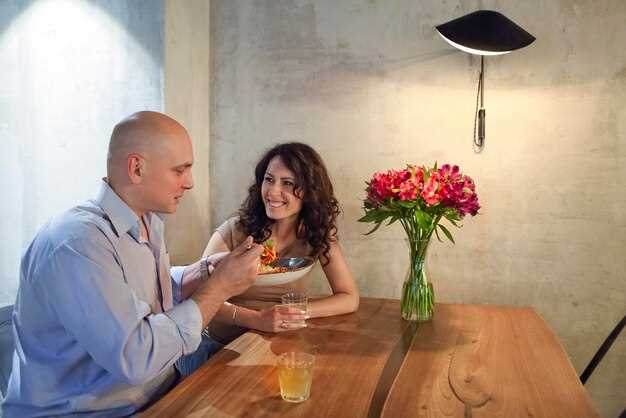 Should I Bring Flowers on a First Date? Etiquette, Timing, and Tips">

Only a small gesture works best: 1–3 stems kept under 30 cm; wrapped in kraft paper or placed in a tiny basket to avoid a formal presentation. Budget guidance: $10–25 for shop-bought stems; $5–10 for market finds. Scent guidance: choose low-volatile varieties to prevent allergic reactions; avoid heavy fragrances that will dominate conversation.
Practical notes for planning: confirm allergies beforehand; time the reveal at arrival rather than mid-meal; carry stems upright to prevent bruising. Use colour to set mood – lilac for quiet enchantment, pale peach for warmth, white for neutral tone. Capture a playful note through a one-line compliment; allow playfulness throughout the interaction rather than relying on the object to carry everything.
Emotional strategy: let the gesture become a small ritual that aids capturing a positive memory across later chats. If feeling guilty about not arriving with anything, choose a compact posy placed in a paper-wrapped basket; that option reads as kind, thoughtful, active in planning. Focus on expressing genuine interest; gestures should reflect who you are rather than performative excess.
Flower Etiquette for First Dates: When, How, and Why to Bring Two White Lilies
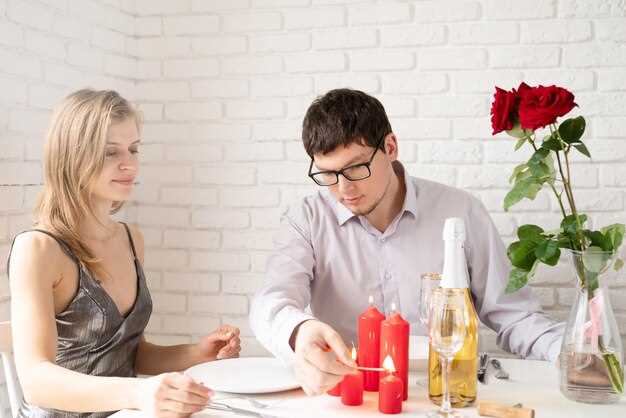
Present two white lilies at the moment you greet your companion; offer them with a short smile, not while leaving, keeping the wrap minimal in neutral tones to avoid a theatrical effect.
Two stems create visual balance; this choice brings a quiet, romantic signal that feels thoughtful rather than showy, particularly effective when conversation flows easily.
Subconsciously recipients register scent first; smell can dominate small spaces, so prefer a variety with milder blossoms, or test a single stem before deciding on a pair.
Practical matter: place stems in a travel sleeve or short vase for transit; keep the middle of the arrangement low so faces remain visible, avoiding tall foliage that blocks eye contact.
Winter availability shifts; if lilies feel unusual to source, substitute two white daisies, which convey simplicity; daisies truly suit indoor meetings when access to fresh stock is limited.
Keep gestures small; a brief note that references something from earlier conversation will ensure the moment registers in memory, while overcomplicated logistics can make the recipient feel guilty.
Mind allergies by asking subtly before presenting; if scent seems unnecessary, skip the physical item; thoughtful restraint often builds rapport more than ostentation, so explore small variations, simple things that create a lasting impression.
Timing: Optimal Moments to Gift on a First Date
Greet with a small bouquet at the door; a subtle, elegant cluster of seasonal roses creates a radiant initial expression without overwhelming shes.
- Arrival: Hand a single bloom while opening the door; short eye contact signals sincerity, brief offer keeps the moment delightful rather than dated.
- Mid-activity: If conversation is flowing, shes smiling, present a modest arrangement; this allows the moment to feel natural, gives her time to receive it in her hands.
- After a clear connection: When shared laughter or a revealing story has made the meeting feel mutual, offer the bouquet; the gesture will feel intentional, not rehearsed; future chemistry becomes easier to assess.
- Leaving: Give a bouquet at leaving if the meeting felt reserved; a small stem prevents pressure, leaves an elegant final impression; avoid forcing extra time at the exit.
- Public situations: In crowded venues choose subtle options that fit pockets or small bags; much larger displays make passing greetings harder, may come across as dated.
- Private situations: When walking together to a car or transit, hand the bouquet gently; placing it in her hands allows a natural expression of gratitude, reduces awkwardness.
Decide timing by observing how she felt about touch, laughter, openness; if shes reserved, wait until rapport is clearer, possible later dates may be more appropriate, therefore choose a moment that makes the gift feel like a reward rather than a test.
- Quick checklist: arrival for confident signals, mid-activity for light chemistry, after connection for strong mutual interest.
- Practical rule: keep the size seasonal and small; avoid huge bunches, avoid overly romantic roses unless the tone is clearly mutual.
- Body language cues: open posture, relaxed hands, frequent smiles; if posture tightens or she steps back the timing is wrong.
- Packing tip: keep stems wrapped until the right point; unwrapping creates a radiant reveal instead of a dated scene.
- Social cue to watch: if she asks what you are doing next, that question often signals comfort; also a laugh that comes easily signals readiness for a small gesture.
Subconsciously people react to scale; much larger arrangements make intimate moments harder; therefore opt for subtle, elegant choices that let the encounter remain focused on conversation.
Approach: How to Present Flowers Without Pressure
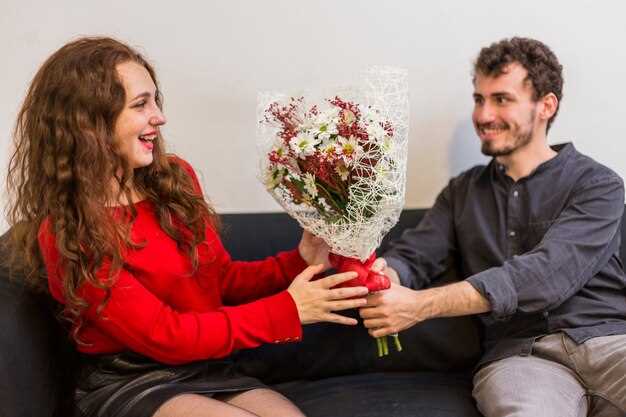
Offer a single stem early, within the first five minutes during the greeting; choose a seasonal selection in neutral colors such as white to favor simplicity over overwhelming arrangements.
Guys stand slightly to the side while presenting; speak one concise line that infuses hope, conveys curiosity; avoid rigid scripts, trying to sound natural rather than sounding told what to say; people notice small gestures more than grand displays.
Pick various floral choices that match the venue or outfit; bold single stems like tulip or peony capture attention without pressure; small hand-tied posies highlight natures texture, capturing a moment while conveying personal taste; label the источник if provenance matters; keep the flowers casual, seasonal, focused on choice rather than ceremony during this early phase.
Symbolism: What Two White Lilies Convey on a First Date
Offer two white lilies as a succinct signal: purity, respect, open sentiment; arrange stems into a compact bouquet that favors simplicity over ostentation.
A light pastel ribbon reminds of spring; harmonious proportions prevent a sudden sense of excess while keeping the look delicate.
Hold stems in hands for a single beat before presenting; this small pause helps protect the moment, reducing the risk of making the other person feel overwhelmed; instead allow a natural surprise.
If you’ve been unsure about gender cues, aim for neutral styling; guys who prefer playfulness respond well when lilies are paired with a single tulip.
Moreover, two stems read as a courting gesture rather than a grand proclamation; it signals desire for a measured future connection, a promise that would develop slowly rather than demand much immediately.
| Selection | Interprétation |
|---|---|
| compact bouquet; pastel ribbon | looked intentional, protective of a quiet moment |
| two stems arranged side-by-side | courting signal; open desire for future connection |
| paired with a single tulip | playfulness; small surprise for guys preferring casual tone |
| following actions | hold hands briefly; avoid sudden grand gestures |
Considerations: Allergies, Preferences, and Setting
Prefer low-pollen roses or orchids; skip lilies when scent sensitivity or pollen allergy is reported.
Five quick checks before meeting:
- Ask once by message: “Any pollen or scent issues?”; record reply for future plans.
- If someone cant tolerate strong scents, opt for a single rose bud, a lavender sprig, or a compact succulent from a nursery; present wrapped to limit airborne pollen.
- Si le lieu est un restaurant avec des places assises rapprochées ou un bar bondé, laissez l'article à la réception ; évitez de le tenir en entrant pour ne pas gêner la circulation près de la table.
- Indications de style : choisissez des couleurs blanches ou des tons doux et froids ; évitez le rouge carmin saturé si elle est minimaliste ; de petits gestes conviennent mieux aux personnalités réservées que des démonstrations ouvertement passionnées.
- Budget contre luxe : une petite plante en pot est la promesse de soins futurs ; une seule tige dans un tube à eau offre une chaleur discrète ; une autre option peu engageante consiste à les placer sur la table près d'une fenêtre pour les éloigner des passages.
Gardez trois idées rapides visibles : une tige de rose unique, un brin de lavande, une petite plante grasse en pot provenant d’une boutique locale.
Si vous n'êtes pas sûr, choisissez quelque chose de peu engageant ; envoyez une photo du magasin une fois que c'est choisi ; ce simple geste réduit les surprises, montre de la considération, enlève de la pression à la personne de se sentir obligée de répondre, et fait avancer l'interaction dans un contexte de rencontre.
Alternatives : si les fleurs ne conviennent pas au programme du rendez-vous
Envisagez d'offrir une herbe aromatique en pot d'une pépinière locale ou un bouquet d'une seule tige d'un fleuriste de quartier ; choisissez des espèces durables dont le prix varie entre 8 et 25 $ et dont la taille du pot (7,5 à 10 cm) convient à la plupart des sacs.
Il existe plusieurs signaux universels à privilégier : options sans parfum, format compact, contenant durable.
Si un cadeau soudain semble excessif, optez pour des alternatives pratiques : une boîte de chocolats de qualité (10 €–20 €), une plante grasse en pot (12 €–18 €), des billets d’entrée au musée/galerie (deux entrées à moins de 30 €) ou un livre de poche choisi en fonction de leurs centres d’intérêt déclarés.
Choisissez des articles que la personne apprécie ; l'aspect pratique communique souvent plus efficacement l'attention que le spectacle. De petits choix durables protègent la nature tout en offrant un moment spécial ; des plantes multicolores ou des emballages artisanaux ajoutent un enchantement subtil sans excès.
La présentation est importante : glissez un mot manuscrit sous le pot ; refermez soigneusement l'emballage ; évitez les surprises brusques qui créent de la pression. Si vous vous êtes rencontrés en ligne, établissez un bref échange de préférences avant de vous rencontrer ; assurez-vous de confirmer les allergies, les restrictions alimentaires, l'heure d'arrivée.
Si tout semble banal, planifiez une activité qui renforce les liens : une promenade de 20 à 40 minutes dans un jardin botanique, cuisiner ensemble une recette simple, visiter un marché local pour choisir ensemble un autre petit article.
Conseils budgétaires : les petites attentions se situent généralement entre 10 et 40 $ ; évitez de trop vous engager avant que la compatibilité ne soit avérée. Pour une amélioration soudaine, optez pour un ensemble de savons artisanaux multicolores ; pour des options à faible impact, choisissez un emballage biodégradable ou des étiquettes en papier recyclé provenant du même fleuriste.
De petites attentions s'enregistrent inconsciemment ; une note concise précisant pourquoi l'objet est spécial augmente l'effort perçu sans pression.
 4 Signes Clairs Qu'il Est Temps de Passer à Autres Choses – Comment Lâcher Prise et Recommencer à Zéro">
 Couples intelligents – Secrets pour des relations fortes et modernes">
 2-2-2 Rule – The Secret Formula for a Stronger Relationship">
 Les paroles les plus sexy de Sabrina Carpenter – Une analyse approfondie de lignes audacieuses comme Man’s Best Friend, Light Rods Back Doors et Never Getting Laid">
 Être une femme qui invite les hommes – Avantages et inconvénients">