

 French
  English
  Russian
  German
  Italian
  Spanish
  Polish
  Ukrainian
  Turkish
  Portuguese
  Greek
Greek  Arabic
  Korean
  Chinese
  Japanese
  Czech
Czech  Protect Yourself Against Romance Scams — Online Safety Tips">

Romance scams rank among the fastest-growing online frauds; reported losses to consumers have climbed into the hundreds of millions, and most schemes start on dating apps or social sites where profiles can be manufactured. Begin with concrete verification: ask for a live video, run reverse-image searches on profile photos, confirm mutual contacts, and confirm details that only a genuine connection would know. If a single small request for cash appears, treat it as a red flag–scammer behavior often escalates from friendly messages to urgent money demands.
Do not send funds, gift cards, or cryptocurrency. Instead, pause and follow specific checks: carefully compare profile photos against image-search results, request a timestamped selfie on video, verify employment or investor claims by checking public records, and search for duplicate biographies across platforms. Also confirm location details by asking for verifiable local information and performing independent checks; a convincing story that leads you to wire money to another country is commonly rehearsed.
When you detect suspicious signs, act quickly: preserve message threads, note account names and payment details, and report the account to the site plus your bank. Une fois you report, escalate to anti-fraud hotlines and public consumer agencies–contact ccht or your regional anti-fraud center and file complaints with platforms and law enforcement. Share clear advice with friends and those you trust so community efforts reduce repeat harm; don’t play along with pressure tactics, and keep your accounts secure with strong passwords and two-factor authentication to protect your information across the world.
Screen Matches Before Deepening Contact
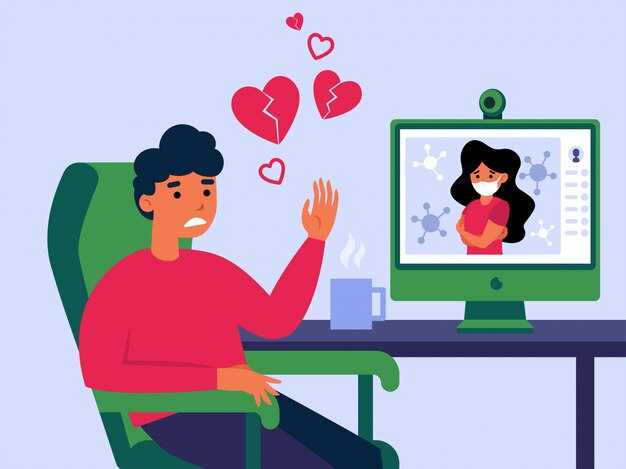
Verify identity with a live video call and a reverse-image search before deepening contact.
Ask for the video within 72 hours; initially most legitimate partners will agree – if theyll refuse or cant join, consider that a red flag. Request they show themselves on camera and hold a handwritten note with today’s date; if the match sends only generic images or reused photos that show up across profiles in different countries, run another image search and question what they claim.
Compare cross-platform information: check profile bios, public posts, phone country codes and LinkedIn entries for consistency. Never give bank details, never transfer money, and never share sensitive personal information through chat. If someone pressures you to move conversations off the app or asks for payment, treat that as a likely scheme.
Plan any in-person meeting with a friend aware of your schedule, share your phone location and an expected check-in time, and choose a busy daytime public spot for the meeting. Keep in mind to verify travel and work stories before you arrange logistics; ask for simple proofs such as a short live clip or a selfie that proves timing and place.
If you feel afraid or pressured, pause contact and ask a trusted friend to review messages and screenshots; being cautious does not mean you cant form a connection, it means you protect yourself while verifying. Log your verification efforts – dates, screenshots, phone numbers – so investigators or your bank can use the record if a scheme unfolds.
Use small tests: ask the match to name three specific things about your town or to answer a direct question about a shared interest on a live call. If theyll repeat scripted lines, dodge direct answers, or their efforts to respond are vague, consider that a deeper check is necessary before you share more or plan a face-to-face meeting.
How to verify profile photos with reverse image search
Run a reverse image search on the profile photo using Google Images, TinEye and Bing Visual Search to locate other uses, source pages and timestamps.
Save or copy the image URL from the dating profile; choose the highest-resolution photo which you received for best matches. On desktop, right-click → “Copy image address” or “Save image as”; on mobile, long-press → “Download” or “Share” to your browser.
Upload the file or paste the URL into Google Images (camera icon) and TinEye, then check Bing and Yandex for additional results. Search results in english and other languages reveal mirrors on social sites, news pages or stock-photo marketplaces.
Inspect each match for: original upload date, domain type (model agency, news site, social network), and accompanying names. A photo on a stock site or on many unrelated profiles signals a probable scammer; a series of consistent personal albums on a single verified account increases trust but still requires confirmation.
| Tool | What it reveals | Astuce rapide |
|---|---|---|
| Google Images | Exact and visually similar matches; page snippets | Paste URL or upload file; sort by date when available |
| TinEye | Match timeline and original host domains | Use “oldest” match to find first public appearance |
| Bing / Yandex | Matches on social networks and non-English sites | Search in local language to catch regional copies |
| FotoForensics / EXIF tools | Signs of editing; metadata if present | Expect platforms to strip EXIF; use for originals or direct files |
Extract stills from any profile video and run the same searches; scammers sometimes use short clips lifted from other accounts or promotional footage. Ask for a live short video performing a specific action (hold up today’s newspaper, say a specific phrase) to confirm real-time presence without lengthy calls.
Use forensic indicators: repeated cropping, inconsistent lighting across supposed album photos, mismatched backgrounds for claimed work or location, and reversed or blurred logos. Check whether the same face appears with different names or professions – investors and people offering consumer products are common fronts for romance-related fraud.
Watch for these red flags tied to photo matches: requests to wire money, urgent pleas about theft or medical needs, offers to send a gift or ask you to invest in a market opportunity, rapid attempts to get you emotionally involved or to move the conversation off the dating site. If you feel pressured or the story mentions the pandemic, working overseas, or being an investor with limited time, pause and verify.
Set a verification level before replying further: one matching social account with date-stamped posts and mutual contacts raises confidence; a match to a stock site or multiple profiles under different names reduces trust to a low level and justifies ending contact. Keep a record of matches, URLs and screenshots for reporting.
If a profile looks fake, report it to the platform, block the account, and avoid sending money or gifts. Contact your bank or consumer protection agency immediately if you suspect theft or a wire transfer scam; inform trusted friends so you do not become isolated while involved emotionally.
Checklist: obtain original file, run at least two reverse searches, inspect match dates and domains, extract video frames when present, request a live verification, refuse wires/gifts, and report the profile. That effort protects your relationships and helps others who might have loved or trusted the same profile.
Questions that expose inconsistent personal details
Ask specific timeline questions and require concrete answers: “What street did you live on in 2018, who was your manager at that business, and on what date did you start there?”
Follow up with targeted checks: probe for full names, exact dates, company email addresses, and a recent photo they willingly sends; then research those names on LinkedIn, company sites and public registries to see if claims match available records.
Use a quick ccht checklist to verify claims: compare answers across messages, corroborate with external sources, hold off on financial or sensitive requests, then test inconsistencies with a simple, specific question that forces detail (for example, ask about a shared local event or a neighborhood landmark).
Watch for clear flags: different versions of the same story, contradictions about significant dates, evasive replies when asked for verifiable details, sudden changes in where they say they live, or repeated requests that are based on urgency rather than documentation.
Ask conversational but precise questions that expose fabrication: “Where did you drop your kids off that morning?” “Which vendor did your business contract use and can I see a receipt?” “What are three preferences your closest friend would say about you?” Honest answers align across channels; dishonest ones shift or avoid specifics.
Use methods and technology designed for verification: reverse-image search, WHOIS lookup on emailed domains, phone number tracing, and simple video calls at an agreed time. If a profile avoids live video or always delays and sends excuses, treat that behavior as a significant warning sign.
Be wary when love language accelerates before verification or when someone claims mental health issues to justify inconsistent details or delayed proof; emotional appeals often pose a manipulation tactic tied to requests for money or secrecy.
If you or someone you know has fallen prey to such tactics, collect all messages, document dates and requests, and research reporting options available to platforms and law enforcement; victims who act quickly reduce further harm and create evidence for serious follow-up.
How to check for cloned accounts and minimal social footprint
Run reverse-image searches (Google Images, TinEye) on every profile photo and any images sent in chat; identical images across unrelated accounts indicate a likely clone.
Check account metadata: account age under three months, fewer than 10 posts, and friend lists with many out-of-region contacts raise red flags. A profile that starts with a single high-quality portrait and no casual photos is highly suspicious.
Verify interactions: confirm mutual friends by opening comment threads and tagging one or two mutuals to see if they respond. Ask for a live video or a quick calling check–scammers avoid real-time contact or use poor excuses to delay. If they refuse or say technical issues, treat the account as suspect.
Analyze message content for patterns: romance schemes often use an overseas work story, rapid declarations of love, and sudden requests for money citing emergencies. If you receive demands for transfers, gift cards, or account details, stop the conversation and gather screenshots for further action.
Limit your visible footprint: remove publicly searchable email addresses and phone numbers, hide birthdate and location, and restrict posts to friends only. Create a secondary account for casual online dating with minimal personal data and no links to your main social profiles–this reduces the chance a scammer copies your entire presence.
Compare writing style and biography across platforms: cloned accounts sometimes reuse the same bio or use similar usernames with small typos. Use these inconsistencies to recognize fake profiles and to spot templates that match known scammer objectives.
Avoid moving conversations away from the original platform; requests to switch to messaging apps or email often lead to isolation and pressure to send money. If interactions evolve too soon toward intimacy or urgent financial need, pause, verify identity with a live check, and do not respond to pressure tactics.
Report confirmed or suspected clones to the platform and to local authorities; in Australia report to accc and keep records in case further investigations matter. Block the account, warn mutuals, and delete any saved payment or contact details to prevent follow-up schemes.
Trust your instincts: if a profile doesn’t feel familiar or their story contains contradictions, treat it as suspicious. Use concrete signals–image matches, account age, lack of real interactions, and requests that lead away from public channels–to decide based on evidence rather than emotion.
Early message patterns that indicate scripted or stolen profiles
Refuse to send money or photos of your wallet and stop responding if a stranger declares love immediately, asks to move the conversation off-platform, or requests private contact–report the profile here to the site and preserve the conversation for reporting.
Look for indicators: messages that are overly open with affection, use nearly identical wording across accounts, push to move off-platform, request your phone number or ask you to speak on a messenger app, or claim to be military stationed abroad with high pay or sudden emergency expenses; these signs should raise suspicion.
Verify quickly: reverse-image search profile photos, ask for a timestamped selfie or a brief live video, request to speak by phone and call the provided number, and check whether the profile details match public records or mutual contacts; if a live call is not available or answers feel scripted, treat the profile as stolen or fake.
Understand typical tactics: scammers use familiar love-bombing lines, urgent financial stories, fake military identities, and promises of high returns or fake government ties to pressure victims; also watch for requests to keep the relationship secret or to open new payment channels.
Take concrete steps to prevent loss: block and report, enable strong security such as two-factor authentication, preserve message logs for reporting, and seek help from platforms, local authorities or consumer bodies like cafc if you suffer a loss. Encourage friends to look for these indicators, remain cautious, speak with someone you trust before sending funds, and use available reporting tools to stop scammers quickly.
Safe Communication Practices
Require a live video call showing a current timestamped object before sharing personal details or money.
-
Verify identity across accounts: run a reverse-image search, check matching profiles on at least two other platforms, and ask for an official account (LinkedIn, public social) or an independent источник when someone claims a job, rank, or family role.
-
Treat claims of being in the military, married, or middleman roles with skepticism; ask for verifiable deployment papers or a contact who can confirm status. If someone claims to be a husband or to represent others, pause and cross-check facts.
-
Protect finances: dont send bank account details, wire money, or prepaid products such as gift cards or cryptocurrency to contacts met online. Set a personal rule: no transfers within the first 90 days of communication or before an in-person meeting.
-
Keep conversations on the dating platform until you verify identity; moving to private email or messaging apps too soon is a common tactic to avoid site monitoring. If the person pressures you to switch soon, treat that as a red flag.
-
Watch for language and behavioral patterns: repeated poor english, scripted compliments, urgent pleas, or requests that try to lead your decisions often signal scams. Scammers mimic emotions to make victims feel guilty or ashamed; dont let that pressure override caution.
-
Limit personal exposure: share minimal family details, conceal home address and workplace, and use a separate email for relationships. Enable two-factor authentication on every account and use unique passwords to reduce security risks.
-
Recognize scam types: requests for medical bills, business investments, travel costs, or sudden emergencies are common. If asked to buy products or send money on behalf of a third party, pause and verify independently.
-
Document and report: save screenshots, note dates and account names, and report suspicious profiles to the dating site and local authorities. Reporting helps other americans and can connect you with resources for victims.
-
Plan meetings safely: meet in a public place, tell others your plan, and avoid sharing financial cards or IDs. Consider bringing a friend and set a firm rule to keep a mobile device charged and accessible.
If you feel pressured or ashamed, consult a trusted friend or a consumer security источник before responding; honest conversations with others often reveal inconsistencies that expose fraudulent poses. Consider professional advice if you suspect you are a victim.
When and how to move conversations off the dating app safely
Only move a conversation off the dating app after you verify identity: request a short live video or synchronized action (say a raised hand or a specific phrase) that matches their profiles photos and recent messages.
- Quick verification steps thats low-effort:
- Ask for a 30–60 second live video or a selfie holding the current date on a phone screen.
- Run a reverse image search on profile pictures; most scammers reuse images across sites.
- Check linked social media for consistent details in their story, friends, and posts.
- Safe ways to move off the app:
- Use an encrypted messaging app (Signal, WhatsApp) or a temporary number from Google Voice–avoid sharing your main phone until trust builds.
- Prefer text or voice first; schedule a short video call before sharing any personal data.
- Keep early communicating on the app until verification is complete; moving too fast makes scams happen more often.
- Red flags to stop and reassess:
- Requests for money, gifts, or bank help – this flags a common scam pattern.
- Inconsistent details: a story that changes, photos that look edited, or someone who avoids live video.
- Pressure to move to private email, wire transfers, or investment schemes tied to a market claim.
When you decide to exchange contact details, take these concrete precautions: share only an email created for dating, keep your primary phone number private, and disable location sharing in apps and media. Meet in a busy public place for the first meeting, tell a friend where you will be, and arrange your own transport.
- If something happens or you suspect fraud:
- Stop communicating immediately and preserve messages and media; screenshots, timestamps, and exported chat logs help victims who need to report a case.
- Block the account, report the profile to the dating app, and report to ccht or local authorities if money was requested or transferred.
- Ask a trusted friend for help reviewing messages; a strong second opinion often catches small red flags.
- What keeps you safer over time:
- Keeping records of conversations and verifying details reduces risk when someone claims an urgent story.
- Limit the things you share early: job specifics, full name, work place, photos of your home or children, and financial data.
- Trust actions more than words–consistent behavior across profiles, calls, video, and time makes trust grow; inconsistent behavior makes you pause.
 How to Use I-Statements Accurately and Effectively — Improve Communication & Resolve Conflict">
 Is It Ever OK to Date a Friend’s Ex? Therapists Say It’s Complicated">
 4 Ways to Practice Mindful Communication at Work | Boost Team Collaboration & Clarity">
 How to Fix a Relationship After Cheating – Steps to Rebuild Trust">
 What Is a Platonic Relationship? A Clear Guide to Friendship">
 The Spectrum of Love – Karmic & Spiritual Connections Explained">
 Benefits of Having Friends Outside Your Relationship — Strengthen Your Bond & Emotional Health">
 Low Mood, Sadness & Depression – Symptoms, Causes & Help">
 Mindful Walking Meditation – Step-by-Step Beginner’s Guide">
 Brain Freeze – Why Your Brain Loves the Cold (Explained)">


