

 French
  English
  Russian
  German
  Italian
  Spanish
  Polish
  Ukrainian
  Turkish
  Portuguese
  Greek
Greek  Arabic
  Korean
  Chinese
  Japanese
  Czech
Czech  Comment gérer le rejet – Étapes pratiques pour se relever">

Do a 10-minute facts audit right after an outcome: list three observable items, one constructive change, and a single next action. This routine does separate emotion from evidence and reduces rumination; perform it within 24 hours and repeat at 72 hours to compare notes.
Schedule four short practices: 10 minutes of brisk movement, 20 minutes to talk with a trusted member or mentor, 15 minutes to scan the relevant contents (messages, feedback, grades) and extract two actionable corrections, and 5 minutes to draft the next attempt. These practices are helpful and useful because they transform vague disappointment into a prioritized to-do list that fits into a weekly calendar.
For learning and developing new behaviours, set micro-practices five times per week and log each session. A strong habit loop takes repeated exposure; plan for roughly 30 focused repetitions across six weeks to shift automatic responses. Highlight three recurring patterns across feedback and concentrate one weekly practice on the highest-impact pattern; tracking these over times reveals which adjustments actually benefit outcomes.
If intense reactions last beyond eight weeks or interfere with daily functioning, consult a licensed psychologist for targeted cognitive techniques and exposure drills; six to eight focused sessions typically clarifies underlying beliefs and provides constructive alternatives. Maintain a single progress document with contents, dates and short notes that a coach or support member can review–shared accountability improves adherence and yields measurable improvement in performance metrics.
Press Play for Advice On Dealing With Rejection
Record a 10-minute audio log within 48 hours after being declined: state three objective facts you observed, use naming to label the primary emotion, rate that feeling 0–10, and list two concrete outcomes you want (example: “feedback from hiring manager”; “second interview”).
During the next week run two 15-minute review sessions: play the recording, pause after each statement, and ask a trusted colleague or mentor in your social circle or city to annotate specific behavior changes that could improve results. If someone told you a reason, transcribe the exact quote and note what might be true versus what is belief-based; label factual inputs separately from interpretations.
Use a simple spreadsheet to orient actions based on observable data: columns for date, source, skills tested, outcome, and next action. For career moves, aim for measurable volume (for example, 10 targeted applications per month) and identify one skills gap to fix with a 4-week class. Track outcomes weekly and adjust approaches that show no measurable improvements after three iterations.
If feeling mortified or ashamed, apply two quick cognitive tools: 1) pausing to name the emotion aloud for 10 seconds, which shifts brains activity away from reactive circuits; 2) a 60-second facts checklist that separates “what happened” from “what I believe about myself.” Be mindful of negative beliefs about worth; write one factual counterexample about yourself for each belief you identify.
Practical micro-habits: ask for one short piece of feedback after every refusal, practice one new skill for 30 minutes three times a week, and return to the spreadsheet to compare outcomes after 30 days. These actions create trusted data you can use to assess whether a strategy is working, reduce mortified rumination, and rebuild confidence in yourself.
Name Your Emotions in 60 Seconds and Let Them Move
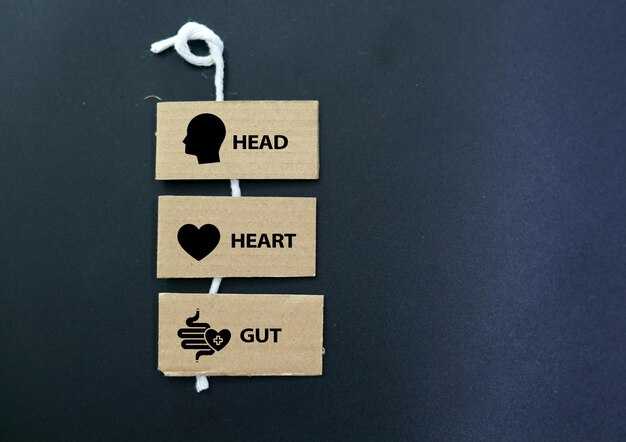
Name the feeling aloud within 60 seconds: set a phone timer, scan from head to sternum to gut, choose one precise label (anger, shame, sadness, dysphoria) and say “I’m feeling X” twice. Labeling calms quick limbic spikes and helps youre nervous system settle; research on affect labeling shows measurable amygdala reduction, so this step works effectively to reduce the initial sting from the event.
Follow a timed micro-routine: 0–60s label; 1–5 minutes track breath and three bodily sensations (head, chest, belly) using a 6/6 breath pattern; 10–30 minutes shift with movement or a short task to discharge charge. Use neff-inspired wording after labeling: “this is suffering; I’m not alone; may I be kind to myself” – this guidance strengthens quick self-soothing and improves short-term coping. Additionally, capture one sentence in a note linking the feeling to specific areas of thought and any childhood echoes to prevent rumination and reduce worry.
If youre leary of sharing, tell trusted others you’re looking for brief support or send the single-sentence log; if support is denied, perform a 5-minute sensory reset (cold water on wrists, 90–120 steps, or textured object) and move between sensations and actions so the sting doesn’t compound. Do not downplay what you feel; minimizing extends how long you suffer and slows recover, whereas naming interrupts fusion with identity and lets emotion move on.
Use two check-ins: rate intensity 0–10 at 24 hours and again at 7 days, then compare the above notes to identify what reduced intensity. Prioritize routines that lowered scores–sleep, short social contact, or micro-breathing–and apply that guidance across similar areas; small acts of kindness toward yourself will make you feel well and help everyone around you notice you are more resilient after being denied or criticized.
Reframe Rejection as Feedback, Not Personal Defeat

Ask for one specific reason within 48 hours: request two concrete examples of the behavior or deliverable that led to the decision, confirm their answer by summarizing it back to them, and log the response; asking directly turns an unpleasant interaction into actionable data and takes less than 15 minutes, which prevents unhealthy rumination.
Consider psychological framing: map each item to a core skill or process, assign one measurable metric and a 30/60/90 schedule of small actions, then track outcomes weekly; when feedback turns into defined targets you can measure, two improved outcomes within eight weeks is a realistic signal that your plan is sound. If the source wont provide specifics, treat the lack of detail as information about their process rather than a personal verdict.
Use three steps for emotional recovery: a 10‑minute journal entry to externalize thoughts, a breathing protocol to reduce physiological reactivity, and one short conversation with a trusted peer for candid perspective. Combine rejection-coping tactics with kindness toward yourself; avoid replaying scenarios that fuel unhealthy patterns, and consider seeking psychological support for deeper healing. Remember a single refusal does not cancel a relationship or erase competence – actually many people in a city job market have multiple no’s before an offer, and every case is personal, so measure what changes and let that evidence guide them.
Create a 24-Hour Recovery Plan for Immediate Next Steps
Begin a 24-hour recovery plan now: block the next 30 minutes for grounding (5 minutes box breathing – inhale 4s, hold 4s, exhale 4s, hold 4s), a 10-minute evidence check, and one 2-minute outreach to a trusted contact you can reach by call or text.
| L'heure | Action | Concrete targets & measures |
|---|---|---|
| 0–30 minutes | Ground, assess, contact | 5 min breathing; 10-item evidence list (3 supporting, 3 contradicting); 1 short call to a trusted person; rate distress 0–10 (grades) |
| 30–120 minutes | Reframing & short activity | 15 min reframing exercise (write 3 alternative explanations); 20 min brisk walk (60–80 steps/min); 20 g protein snack; limit social media viewing to 10 min |
| 2–6 hours | Introspection, plan practical next moves | 30 min structured introspection: identify 3 behaviours you can change; list 2 tasks you can complete today; set one 24-hour goal; pause if intense emotion occurs and use 4-4-4 breathing |
| 6–12 hours | Regulate and recover physically | Eat balanced meal with 25–35 g protein, 30–40 g fibre; 20–30 min light exercise or stretching; check a trusted website for practical resources (limit 20 min) |
| 12–24 hours | Reflection and next-day plan | Write a 10-line compassionate note to yourself; assign grades to intensity, clarity, and control; set bedtime to allow 7–9 hours sleep; identify one person to reach if distress persists |
Use the following quick cognitive sequence every time a strong thought occurs: identify the thought, ask for evidence that supports it, list evidence that contradicts it, and reframe into a balanced statement you can say aloud in 20 seconds. This reframing should highlight facts, not interpretations, and include at least one alternative explanation you consider valid.
For social contact, define the role of each person in your support map: one trusted friend for emotional validation, one mentor for perspective on performance or grades, and one professional or helpline if safety concerns occur. Always ask for a specific response (example: “Can you listen for 5 minutes?”) to avoid open-ended requests that increase uncertainty.
During introspection use three concrete prompts: 1) What exactly happened (observable facts)? 2) What behaviours followed and what value did they serve? 3) What small, measurable action will make me feel healthier or more in control in the next 24 hours? Record answers in under 15 minutes.
Limit unhelpful viewing: set a 20-minute total for news, social feeds, and website resources combined during the first 6 hours; document the URL you used and one actionable insight you gained. If rumination continues beyond 60 minutes cumulatively, switch to an activity that taxes working memory (puzzle, timed coding task, or a focused household chore) to reduce repetitive negative thought loops.
Be compassionate but decisive: give yourself patience for unpleasant emotion while committing to at least three concrete, observable actions before sleep. If distress does not ease or safety concerns arise, reach emergency services or a crisis line immediately and follow their directions; this response is valid and appropriate beyond self-help measures.
Set a Micro-Goal to Rebuild Momentum Within 48 Hours
Select one measurable micro-goal and complete it within 48 hours: set a date + start time, allocate 30–60 minutes, and record outcome immediately.
- Options (pick one): write a 200‑word reflection, send one follow-up message to a contact who have not responded, submit one application, or schedule a 20‑minute call with family for perspective.
- Si la source du contretemps était un narcissiste, fixez-vous un micro-objectif de limite : rédigez une réponse neutre de 3 phrases, puis archivez le fil de discussion.
- Pour les rejets sociaux ou professionnels, envoyez une seule question de clarification – mesurez si la personne a répondu dans les 48 heures.
Utilisez ce plan personnalisé pour mesurer les progrès :
- Définir le micro-objectif en une seule ligne (quoi, pourquoi, indicateur de succès).
- Définissez la date et l'heure de début dans les 48 prochaines heures et bloquez le créneau dans votre calendrier.
- Avant de commencer, évaluez la force perçue et l’humeur sur une échelle de 1 à 10.
- Accomplir la tâche ; puis évaluer à nouveau la force perçue et noter le temps passé.
- Enregistrer un point d'apprentissage pour chaque tentative et ajuster le micro-objectif suivant en conséquence.
- Mesures à suivre : minutes passées, résultat (envoyé/soumis/terminé), si le répondant a répondu, changement de force perçu, et une ligne d'apprentissage.
- Si les résultats sont inférieurs aux attentes, répétez un micro-objectif ajusté dans les 24 heures plutôt que d'attendre plus longtemps — de petites itérations améliorent l'élan de manière plus efficace.
- Conservez les entrées pour trois tentatives ; l’amélioration des scores sur trois tentatives indique un gain durable de confiance.
Conseils concernant le soutien : demandez à un membre de votre famille de confiance ou à un psychologue de revoir votre plan ; une perspective extérieure de 10 minutes apporte souvent de la clarté plus rapidement que la rumination solitaire. Voici quelques pistes rapides qu'ils peuvent utiliser comme guide : qu'est-ce qui était contrôlable, ce que vous avez bien fait, que faire ensuite.
Notes pratiques : fixez des objectifs précis (envoyer un e-mail), mesurables (une réponse ou aucune), et délimités dans le temps (30 à 60 minutes). Développer cette routine rend moins épuisant et plus difficile de personnaliser la réaction aux revers ; le processus transforme les petites victoires en force cumulative, aidant à la récupération et améliorant la gestion du rejet avec le temps.
Rédiger un message de support et demander un point de vue
Envoyez un message de support concis dans les 24 à 48 heures, qui mentionne l'événement, exprime un sentiment clair, joint une pièce de preuve et demande une faveur unique et limitée dans le temps (10 à 15 minutes par appel ou une courte réponse).
- Modèle de message :
- Ouvert : « J'ai vécu [quoi] le [date].»
- Object: expose l'objectif en une seule ligne – par exemple, « J'ai besoin de votre point de vue rapide. »
- Preuve : inclure un exemple ou un extrait concret (ligne d’e-mail, horodatage, métrique).
- Demander : solliciter une action spécifique – un appel téléphonique, une suggestion pour améliorer, ou une réponse par oui/non.
- Longueur et calendrier :
- 2 à 3 phrases, 40 à 80 mots ; les appels sont limités à 15 minutes.
- Proposez deux dates/heures et confirmez 24 heures à l'avance ; facilitez le suivi (résumé en une phrase).
- Destinataires et canal :
- Choisissez 1 à 3 contacts de confiance qui connaissent votre contexte de vie et votre parcours professionnel ; posez à chaque contact une question précise.
- Privilégiez la voix lorsque la nuance est importante et le texte pour une perspective rapide - évitez les fils de discussion de groupe.
- Étant donné un temps limité, priorisez les personnes dont les réactions passées correspondaient à des résultats mesurables.
- Texte court d'exemple : « J'ai eu l'impression d'être mis de côté après X le [date]. Pourriez-vous accorder 10 minutes pour entendre ce qui s'est passé et partager votre réaction ? »
- Objet d'e-mail type : « Demande de point de vue – pièces justificatives jointes ». Corps du message : « Je veux découvrir ce que je peux améliorer et déterminer si cela semble isolé ou fait partie d'une tendance. »
- Si des commentaires arrivent d'un étranger ou d'un recruteur, enregistrez leurs remarques en tant que données ; il est compréhensible de se sentir bouleversé, mais utilisez les preuves enregistrées pour décider des prochaines actions.
- Gérer la vulnérabilité : révéler un sentiment et un fait – la vulnérabilité aide lorsqu'elle est associée à une demande concrète.
- Utilisez leurs exemples pour identifier les schémas : comparez les réactions entre les contacts et notez les différences de ton et de conseils.
- Transformez les réponses en une petite expérience : choisissez une suggestion, exécutez-la pendant deux semaines, et mesurez les résultats pour déterminer si cela vous fait avancer.
- Acceptez que vous méritiez des commentaires clairs et respectueux ; si un intervenant ne peut offrir de perspective constructive, retirez-vous et recherchez des informations plus saines.
- Suivez les résultats dans un simple journal (expéditeur, date, canal, point clé) pour découvrir les tendances et améliorer les prochaines actions de sensibilisation.
Garder le processus facile à répéter : un court modèle, un lecteur de confiance et une métrique pour juger si la perspective a aidé à renforcer votre confiance, vos décisions ou vos mouvements de carrière.
 Comment Devenir Plus Ouvert d'Esprit Dans Votre Vie Quotidienne – Pratiques Quotidiennes Simples">
 Mariage sans rapports sexuels – Causes, signes et quand partir">
 35 Excellentes Réponses Quand Vous N'allez Pas Bien | Exprimez-vous et Recherchez du Soutien">
 12 Modèles relationnels qui vous concernent">
 Styles de gestion des conflits – Un guide pratique pour une résolution efficace">
 Personnalité vs Caractère – Différences clés, traits et pourquoi ils sont importants">
 9 Secrets sur la relation avec un introverti – Ce qui fonctionne vraiment">
 Divorce du sommeil – Le fait de dormir séparément peut-il améliorer le sommeil sans nuire à votre relation ?">
 12 Conseils Pratiques pour Atteindre un Équilibre Sain entre Travail et Vie Privée">
 Top 10 Faits Rapides Concernant la Psychologie Sociale">


