

 French
  English
  Russian
  German
  Italian
  Spanish
  Polish
  Ukrainian
  Turkish
  Portuguese
  Greek
Greek  Arabic
  Korean
  Chinese
  Japanese
  Czech
Czech 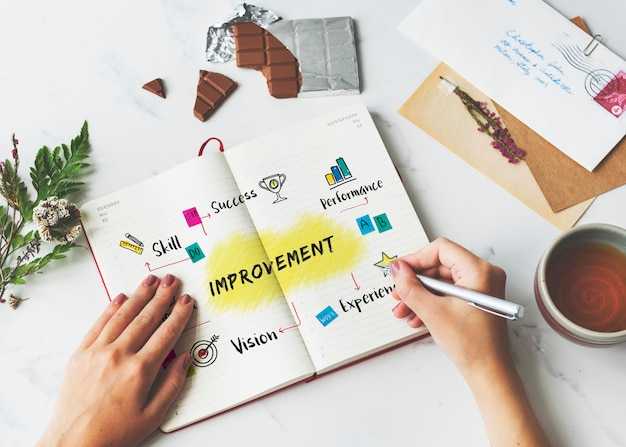 Find and Build Your Inner Strength – Practical Tips">

Do a five-minute morning grounding routine every day: breathe 4-4-4, list three concrete wins, and pick one micro-task to complete before noon; repeat this five days a week for four weeks to create measurable momentum and reduce reactive thinking.
Name one thing that hurts the moment it appears: write the specific event, rate the intensity from zero to ten, and decide a single next action you can take in the next 24 hours. When you log concerns this way you separate emotion from reality and avoid spirals of catastrophic thinking; that small step protects your self-worth and trains calm response instead of avoidance.
Use vulnerability as a skill, not a label: tell one trusted person about a small worry once per week and request one practical suggestion or a timeout, not advice. Read two short books over the next month – one on cognitive skills and one memoir that models resilience – and apply one technique from each. Psychologically, small repeated exposures to honest conversation lower shame and increase trust.
Track simple metrics: daily mood (1–10), minutes spent on focused tasks, and number of times you said “no” to anything that drains you. Keep a nightly gratitude log with three items for 21 consecutive nights; compare weekly scores to spot the greatest shifts between versions of yourself. If nothing changes after four weeks, adjust one habit (sleep, movement or social boundary) and test again.
Give yourself permission to experiment and to stop practices that hurt more than help. Expect setbacks to happen; treat each as data, not failure. Use concrete targets, short cycles, and clear feedback to rebuild confidence and expand what you can handle without sacrificing dignity or self-worth.
One-Page Action Plan to Find and Build Inner Strength
Write down three exact challenges you will address this month and schedule 15-minute daily micro-practice sessions for each.
Measure current status: rate resilience, focus, and calm on a 0–10 scale every Sunday; record the number as baseline information and set one realistic target per metric (example: raise calm from 4 to 6 in four weeks). Use a simple installation of a habit tracker app located on your phone home screen or a paper column in a planner.
Design micro-practices that take no longer than 15 minutes: breathing (6/4/6 counts), a 5-minute problem-reframe, and a single exposure to an avoided task. These practices must be repeated at least five days a week; optional extras include journaling for 3 minutes after practice. Track adherence as binary: 1 if done, zero if skipped.
Address negative self-talk with a specific script: when you hear “I can’t,” immediately state two facts that contradict it and one small action you will take in the next hour. This technique changes the locus of control from imagined limits to observable steps and removes ruminative inclination toward defeat.
Set a weekly micro-review: list three wins, three lessons, and one adjustment. Focus on difference between intention and result; record exact actions that caused improvement. If a day sucks, mark it, note the cause, then plan a compensating 10-minute session the next day without guilt.
Apply an information filter: collect only verifiable facts about setbacks (time, trigger, outcome) and ignore interpretations that start with “always” or “never.” This reduces catastrophic thinking and helps you talk to yourself with clearer evidence when deciding next actions.
Commit to exposure targets for challenges: pick one avoided situation, break it into three steps, practice step one twice this week and step two next week. This involves measurable progression and accelerates becoming more capable under stress.
Use accountability rules: share weekly scores with a trusted peer or coach located in your social circle, or post a private log you review. Thank that peer for feedback; youve earned the right to a concise debrief each week. Small public accountability increases follow-through.
Evaluate progress after four weeks with concrete thresholds: if scores improved by at least two points on one metric or adherence exceeded 70%, keep current plan; if not, change one variable (time of day, practice type, or incentive). No matter the outcome, record one specific learning and one next action.
How to Pinpoint One Personal Value to Guide Daily Choices
Choose one value now, name it in a single word, set three measurable daily actions linked to it, and check results after seven days.
Define the value precisely: write what it means in one sentence (for example, “presence means putting my phone away at meals”). Add a quick rule: if action takes less than five minutes, do it; if not, schedule it. Use simple metrics: minutes, counts, or binary yes/no entries; these give clear data on well-being and satisfaction.
Test with concrete examples: if you chose generosity, record minutes helping a neighbor or donating items once a week; if you chose courage, list three small acts that feel brave (saying no, speaking up, trying a class outside your comfort zone). Track phone pickups per hour when practicing presence. Keep the log on paper or a basic app and review totals every seven days.
Use accountability: tell anyone who supports you about the value and the metric, or place a visible note that reads strengthif to remind action. Mark the review with the label courseover when you complete each seven-day block. If the metric improves and your satisfaction numbers rise, keep the value; if the metric and feeling dont improve, adjust the action or try a different value.
Make quick rules to resolve dilemmas: when a choice seems wrong but aligns with the value, ask two questions – “Does this increase my or others’ well-being?” and “Will this choice raise my satisfaction score by at least 10% this week?” If the answer is no, choose the alternative. This method prevents overthinking and keeps decisions efficient.
Address constraints: if chronic illnesses or fatigue limit options, pick micro-actions that respect energy levels (five-minute interactions, brief walks outside, a single phone call). Small consistent moves build visible progress; keeping goals tiny reduces risk of burnout and raises the chance you stay brave instead of quitting.
| Valeur | Daily micro-action | Metric | Target (7 days) |
|---|---|---|---|
| Presence | Phone off during meals | Phone pickups at meals | 0 pickups |
| Generosity | Help a neighbor or donate | Minutes/help or items donated | 30 minutes / 1 item |
| Courage | Say one uncomfortable truth | Instances spoken | 3 instances |
| Simplicity | Remove one unnecessary app | Apps removed | 1 app |
When reviewing, combine objective data with subjective ratings: rate your daily feeling and satisfaction on a 1–5 scale. If happiness and well-being rise and actions look sustainable, the value aligns with your life. If results dont match expectations, dont treat that as failure; it means the chosen value or actions need refinement.
Use two-week experiments before committing long term. Keep adjustments small: change one micro-action, not the whole plan. Whenever you doubt progress, return to the data sheet, ask whether the value makes you feel more happy or rich in meaning, and decide next steps while not feeling alone in the process.
Three Micro-Routines to Strengthen Resolve Each Morning
Wake 15 minutes earlier and execute three focused micro-routines that take 5–7 minutes each to strengthen resolve and boost measurable wellbeing.
-
Clarity Window – 5 minutes
- Do this here, by a window or a defined quiet spot: 60 seconds of diaphragmatic breathing (6 breaths/min) to lower heart rate by ~5–10 bpm, measured with a wrist pulse or phone sensor.
- Write 3 micro-goals (one line each) with optimistic wording – e.g., “Complete first email by 09:00.” Limit goals to actions you can finish in 25 minutes.
- Spend 90 seconds visualizing the very first step; rate your confidence 0–10. Confidence often comes up or down quickly; record the number to track trends.
- Why it works: breathing creates a calm foundation for focus, and the brief writing anchors intention so theres less decision friction later.
-
Movement Reset – 6 minutes
- Perform a short circuit: 8 bodyweight squats, 6 push-ups (or incline), 30-second plank, repeat once. Keep perceived exertion at 3–5/10 so they energize without draining appetite or mood.
- Add 60 seconds of shoulder rolls and neck mobility to release common morning stresses that cause physical tension.
- Measure impact: note pre/post mood on a 1–5 scale and perceived energy (+/−); many people have found a 1–2 point mood lift after 6 minutes of light movement.
- Tip: If you struggle with stiffness, use a chair for assisted squats; if time is tight, cut to one circuit and still count it as success.
-
Commitment Anchor – 5–7 minutes
- Write one If–Then plan: “If I feel distracted before 10:00, then I will return to task for 10 minutes using a timer.” Keep it visible on your phone or taped to the window.
- Create a one-sentence affirmation that helps oneself stay realistic and optimistic, e.g., “I will complete meaningful progress today.” Read it aloud 3 times.
- Choose one tiny reward for completion (tea, 5-minute break) and schedule it; tracking fulfillment of that micro-reward builds momentum they can rely on later.
- Personally, use this anchor when your usual routine corrupts focus; it essentially converts intention into an automatic cue-action loop.
Daily quick metrics to track (30 seconds): mood 1–10, appetite 1–5, micro-goal completion percentage, and minutes spent on routines. These clues reveal patterns: if appetite drops or mood falls two days in a row, reduce intensity or shift timing earlier. Small adjustments found over a week produce great gains in resolve and fulfillment without extra time cost.
Quick Breath and Posture Techniques for Immediate Calm
Do a 4-6-8 breath: inhale 4 seconds through the nose, hold 6 seconds, exhale slowly for 8 seconds through slightly pursed lips; repeat four cycles and check a timer – this brings a deep physiological downshift within 60–90 seconds.
Set a physical foundation: sit with feet flat, knees at 90°, pelvis neutral, shoulder blades soft and drawn slightly down, chin level; engage the core ~10% to support the spine. This alignment becomes a stable base that makes breathing more efficient and creates a powerful sense of balance.
Use a 60-second ritual before high-stakes moments: one 4-6-8 cycle, then a 15-second body scan (head, chest, belly, shoulders, legs – 3 seconds each) while breathing slow and deep. They work together: breath calms the autonomic response and the posture signals the brain that you can respond rather than react.
If you want a tactile anchor, carry a small object – a coin or a bill – and touch it when you pause; the contact draws attention inside and reduces rumination. When faced with conflicts or heated conversation, take a single anchored breath and ask whats happening in your body before you speak.
Practice this sequence daily for five minutes: three 60-second rituals separated by 30 seconds rest. Over two weeks you really build a rich reserve of calm, knowing you can deal with triggers in relationships and work. Be kind to yourself as you learn; a wise, steady habit shifts your view from frantic to centered, moving stress toward zero.
Exact Phrases to Set Boundaries Calmly at Work and Home
Use short, specific sentences with steady eye contact and relaxed body posture: say, for example, “I can take this after 4:00 PM; I need to finish my current task now.”
Work phrases: “I can take this after 4:00 PM; I need to finish my current task now.” – defines time and reduces interruptions. “I truly appreciate the request; I cannot add more today.” – uses gratitude to refuse without guilt. “I can do X if the scope is defined and the deadline is Y.” – asks for clear parameters and prevents scope creep. “When priorities shift, tell me the updated deadline so I can give accurate answers.” – requests information that enables planning. “I will answer non-urgent messages at 9 AM.” – sets communication windows. “I can support this, possible with a 30-minute weekly check-in.” – offers a limited, structured option.
Home and family phrases: “I need 30 minutes for myself after work to recharge; I’ll be present after that.” – protects personal recovery and signals respect for oneself. “I want to help, but I can’t tonight; please handle the dishes and I will tomorrow.” – balances wanting to help with clear limits. “As a parent, I set this bedtime; I won’t change it tonight.” – models consistency and reduces negotiation. “I feel overwhelmed right now; I need space to calm my body and will return in an hour.” – names body sensations and offers a concrete pause. “I value your idea, and I can’t commit now; can we schedule a time to discuss it later?” – postpones without shutting down the other person.
Practice steps to build self-confidence and awareness: Define one clear boundary each week, rehearse that exact phrase aloud for 30 seconds, and role-play the situation with a trusted friend. Use deep breathing for 6–8 seconds before speaking to steady tone. If you find an earlier habit of automatic agreement, note that inclination and redirect thinking with the phrase you practiced. Begin with low-stakes situations to protect vulnerabilities and increase chances of success; success in small situations helps heal friction and enrich relationships. Track outcomes for three instances to gather answers and refine wording; this concrete data makes further boundary setting more possible and boosts self-confidence.
Simple Weekly Tracking Method to Notice Small Wins and Adjust

Record three measurable wins every Sunday in a single spreadsheet or notebook: one skill-based win, one supportive interaction, and one tangible or financial improvement; limit the entry time to 10 minutes.
Use five columns: Date, Win description, Metric (minutes/$/count), Score (1–3), and Next Action. Example metrics: practice 15 minutes = 1, 30 minutes = 2, 60+ = 3; save $10 = 1, $30 = 2, $75+ = 3. Aim for a weekly score target of 6 to feel positive momentum.
During the 10-minute weekly review count your points and annotate clues about what helped or blocked progress. If total ≥ 6, keep the plan; if 3–5, change one variable (time, environment, accountability); if ≤ 2, request more supportive help and schedule a 15-minute troubleshooting slot. Whenever you sense you’re overwhelmed or crushed, mark that entry and list one micro-action to reduce load.
Label setbacks without blame: note what went wrong, which mistakes were avoidable, and what you already learned. Add a one-line gratitude statement for each recorded win to shift toward an optimistic, realistic mindset. If you have a disability, create an accommodations column and use the tag “stephaveof” to flag adjustments required upon review.
Track two auxiliary indicators monthly: a financial progress figure and a fulfillment score (0–10). After four weeks compare totals: increase the weekly score target by 10% or add one extra win per week if fulfillment stayed below 6. Use concrete numbers and short deadlines so adjustments feel normal and produce more reliable results.
Share your weekly table with a supportive person when possible; ask for one specific prompt (question or reminder) rather than general feedback. This creates opportunity for focused accountability, gives clues for refining actions, and makes it alright to iterate rather than expecting perfection.
 When Dreams Feel Like Warnings – Precognition, Premonition or Coincidence? Are Our Hunches Real?">
 If Your Partner Asks for an Open Relationship – What to Do">
 Should I Mix My Friend Groups? A Relationship Coach Explains">
 Time Blocking – The Productivity Method That Actually Works">
 Serotonin Syndrome – Symptoms, Causes, Diagnosis & Treatment Guide">
 Relapse Prevention for Addiction – 5 Essential Rules of Recovery">
 Should I Be Worried If My Partner Is Still Friends With Their Ex? Advice & Red Flags">
 What to Do If You Feel Underappreciated by Your Partner — 7 Steps">
 How to Read People – 3 Proven Techniques to Decode Body Language & Intent">
 Letting Go of Your Ex – Love Them More — Vironika Tugaleva on Healing">


