French
  English
  Russian
  German
  Italian
  Spanish
  Polish
  Ukrainian
  Turkish
  Portuguese
  Greek
Greek  Arabic
  Korean
  Chinese
  Japanese
  Czech
Czech 

Marriage is one of life’s most significant commitments, but even the strongest couples can face challenges. When conflicts, miscommunication, or emotional distance emerge, many partners wonder whether marriage counseling really works.
Marriage counseling, often facilitated by a licensed professional counselor, is designed to help couples address problems, improve communication, and strengthen their relationship. Yet, skepticism persists. Some couples worry therapy may not solve deep-rooted issues, while others question whether counseling is worth the time, cost, or effort.
This article explores whether marriage counseling really works, how it benefits couples, common obstacles, and tips for maximizing the effectiveness of therapy.
How Marriage Counseling Supports Couples
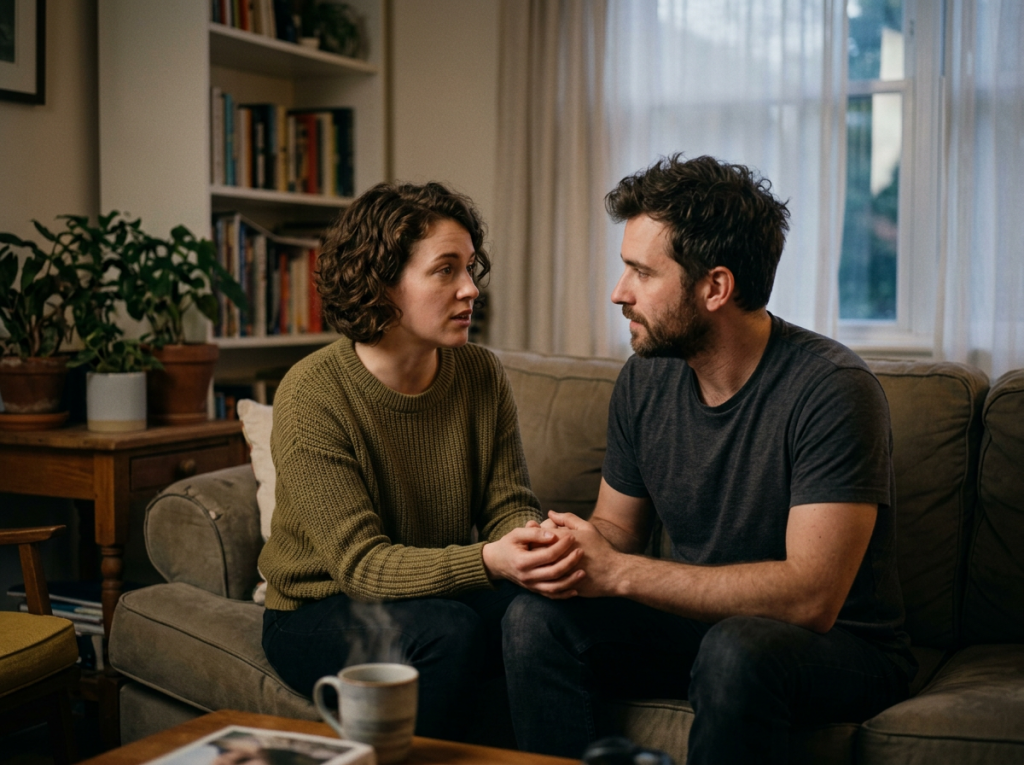
Marriage counseling provides a structured environment for couples to explore challenges and work toward solutions. A licensed professional counselor offers guidance, tools, and perspective that couples may struggle to access alone.
Improving Communication
Many relationship problems stem from poor communication. Couples may avoid difficult conversations, interrupt each other, or misinterpret intentions. Counseling teaches strategies to communicate openly and respectfully. Couples learn how to express feelings, set boundaries, and actively listen.
Addressing Conflict
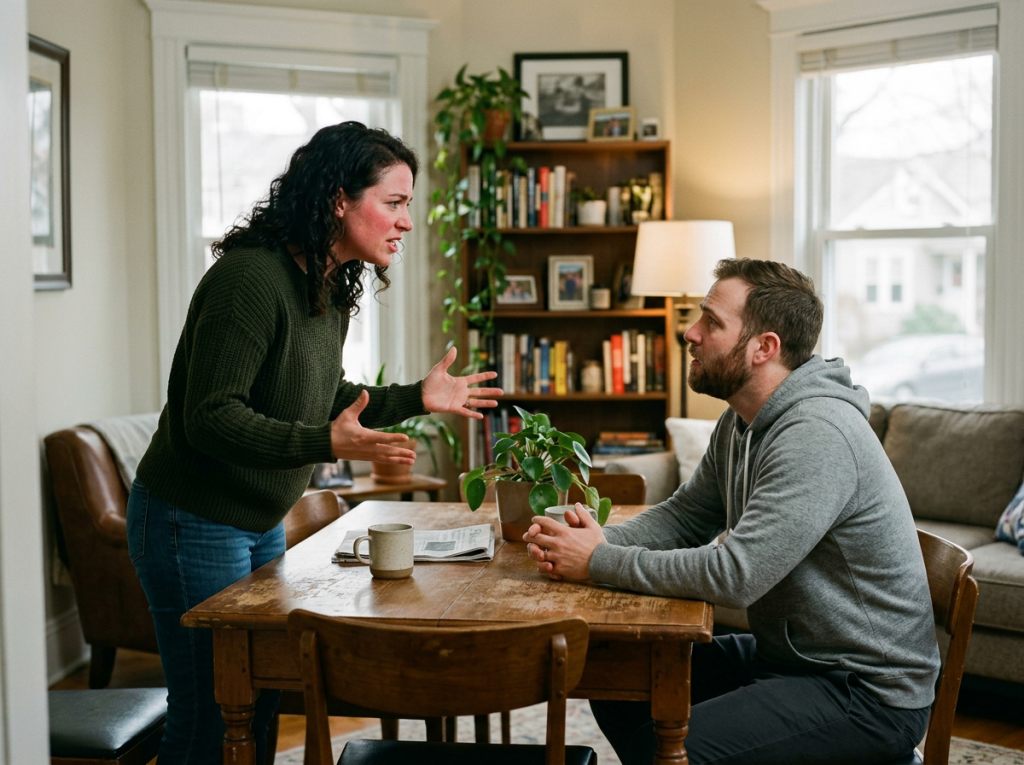
Conflict is inevitable in any relationship. Therapy helps couples manage disagreements constructively instead of allowing disputes to escalate. Counselors teach problem-solving techniques that reduce tension and promote collaboration.
Strengthening Emotional Connection
Counseling often helps partners reconnect emotionally. By exploring underlying feelings and unmet needs, couples can rebuild trust and intimacy. For many, this reconnection is the most valuable aspect of therapy.
Common Reasons Couples Seek Marriage Counseling
Couples pursue counseling for a variety of reasons. Recognizing these motivations helps understand why therapy can be effective.
Communication Breakdowns
Frequent misunderstandings, repeated arguments, or a lack of meaningful dialogue can prompt couples to seek professional help. Many partners struggle to express their feelings or listen effectively, which can escalate small issues into major conflicts. Counseling equips couples with communication skills to express themselves clearly and without judgment. Partners learn techniques such as active listening, reflective responses, and respectful assertion, helping them navigate conversations more productively.
Infidelity or Trust Issues
Betrayal, whether emotional or physical, can severely damage a relationship. Couples may feel hurt, angry, or uncertain about the future. Counseling offers a safe and structured space to explore these feelings. A therapist helps partners work through guilt, rebuild trust, and set clear expectations for transparency and accountability moving forward. Couples often discover ways to strengthen their emotional bond even after significant breaches of trust.
Financial Stress
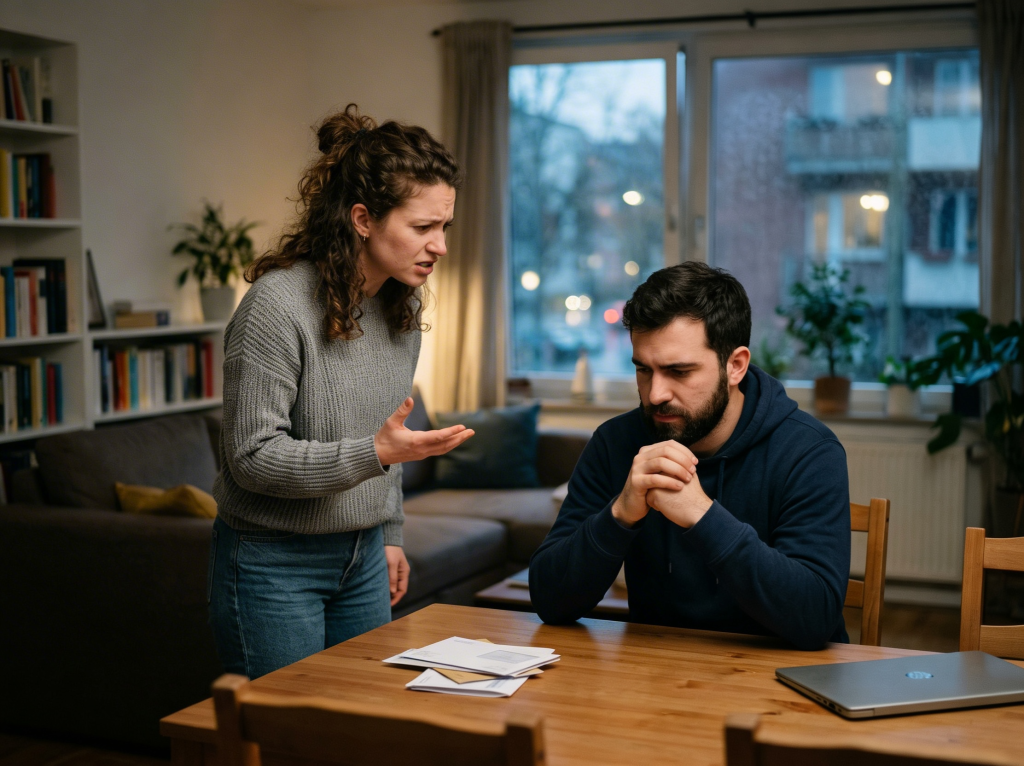
Money is one of the most common sources of tension in marriages. Disagreements about spending habits, debt management, or long-term financial goals can strain emotional intimacy. Therapy provides couples with tools to discuss finances calmly and constructively. Couples learn to negotiate, prioritize shared goals, and develop compromises that maintain both financial stability and emotional connection.
Parenting Conflicts
Disagreements about child-rearing or family priorities can strain relationships. Counselors guide couples to find common ground while respecting individual parenting styles.
Life Transitions
Major life events, such as relocation, career changes, or health concerns, can stress a marriage. Counseling helps couples adapt and maintain connection during challenging transitions.
Evidence on the Effectiveness of Marriage Counseling
Research indicates that marriage counseling can be highly effective when couples are committed to the process. Studies show that couples who participate in therapy often report improvements in communication, satisfaction, and emotional intimacy.
For example, research from the American Association for Marriage and Family Therapy found that about 75% of couples who attend counseling report at least some benefit. Counseling is particularly effective when both partners are motivated to engage, apply strategies, and follow through between sessions.
However, results are not guaranteed. Success depends on factors such as the counselor’s skill, the couple’s willingness to address issues, and the severity of existing problems. Therapy may not resolve deeply entrenched incompatibilities, but it can help couples navigate challenges with greater understanding.
What to Expect in Marriage Counseling
Understanding the structure of counseling can help couples feel more comfortable and prepared.
Initial Assessment
Counseling typically begins with an in-depth assessment of the relationship. During this phase, a licensed professional counselor evaluates the relationship’s strengths, weaknesses, and areas of concern. Partners are encouraged to discuss both individual perspectives and shared experiences, helping to identify patterns that contribute to recurring conflicts. The assessment may also include questions about communication styles, emotional needs, family backgrounds, and previous experiences with therapy, providing a holistic understanding of the relationship.
Setting Goals
Together with the counselor, couples set realistic and achievable goals. These may include improving communication, resolving recurring conflicts, or rebuilding trust after a betrayal.
Skills and Tools
Therapy provides couples with practical skills and tools they can use in their daily lives. Couples learn conflict resolution techniques, ways to manage disagreements constructively, and strategies for active listening. Counselors also teach methods to express appreciation, show empathy, and reinforce positive behaviors. These skills help partners navigate difficult conversations, reduce misunderstandings, and strengthen emotional connection. Many couples find that these tools not only resolve current issues but also prevent future conflicts from escalating.
Homework and Practice
Many counselors assign exercises or “homework” between sessions. Practicing these skills reinforces learning and helps couples implement changes in their daily interactions.
Ongoing Evaluation
Marriage counseling is an evolving process. Progress is continuously evaluated, and strategies are adjusted as the relationship develops. Couples regularly review what is working and what needs further attention. This ongoing evaluation allows therapy to remain flexible and responsive to the couple’s evolving needs, ensuring that sessions address both immediate conflicts and long-term relationship goals. It also provides an opportunity to celebrate successes and recognize improvements, reinforcing motivation and commitment to the process.
Challenges Couples Face in Counseling
While marriage counseling can be effective, it also has challenges. Being aware of potential obstacles helps couples approach therapy realistically.
Reluctant Participation
Counseling requires commitment from both partners. If one partner is resistant, progress can be limited. Success often hinges on mutual engagement and openness.
Unrealistic Expectations
Some couples expect immediate results. While counseling can provide relief, meaningful change takes time, practice, and effort. Patience is essential.
Emotional Vulnerability
Therapy requires discussing difficult emotions and past hurts. This can be uncomfortable but is necessary for progress. Couples must be willing to face discomfort for counseling to succeed.
Choosing the Right Counselor
Finding a licensed professional counselor with experience in marriage therapy is critical. Not all therapists specialize in relationship issues, so research and referrals can help couples find the right fit.
Signs That Counseling May Be Especially Helpful
Certain situations suggest that marriage counseling can offer particular benefits:
- Frequent arguments with no resolution
- Persistent emotional distance or lack of intimacy
- Recurrent issues related to trust or betrayal
- Difficulty navigating major life transitions
- Desire to strengthen communication and problem-solving skills
Couples experiencing these challenges often find that counseling not only addresses immediate problems but also strengthens their relationship for the future.
Tips to Maximize the Effectiveness of Marriage Counseling
To get the most out of therapy, couples should actively participate and apply learned skills:
- Soyez ouvert et honnête : Share feelings without fear of judgment. Transparency helps the counselor provide guidance that reflects both partners’ perspectives.
- Practice Skills Outside Sessions: Use communication techniques and conflict-resolution strategies daily.
- Set Realistic Goals: Focus on achievable improvements rather than expecting perfection.
- Soyez patient : Behavioral and emotional changes take time. Progress may be gradual but cumulative.
- Maintain Commitment: Consistent attendance and engagement are critical for success.
Alternatives and Complementary Approaches
While marriage counseling is highly effective, couples can also try complementary approaches:
- Workshops and Retreats: Couples can learn communication and conflict management skills in intensive, focused settings.
- Books and Online Resources: Self-help books and online programs offer strategies for couples unable to attend therapy regularly.
- Individual Therapy: Sometimes, personal mental health issues contribute to relationship challenges. Individual therapy can support the couple indirectly.
- Support Groups: Couples can benefit from hearing experiences and strategies from other individuals in committed relationships.
These alternatives do not replace counseling but can enhance outcomes when used alongside professional therapy.
Common Misconceptions About Marriage Counseling
There are several myths that can prevent couples from seeking help:
- Counseling Means the Marriage is Failing: Many couples attend therapy proactively, even in healthy relationships, to strengthen their bond.
- Only for Severe Problems: Counseling can address everyday challenges, from communication gaps to minor conflicts.
- Therapy Blames One Partner: Good counseling focuses on mutual understanding and collaboration rather than assigning blame.
- Counseling is a Quick Fix: Effective therapy requires effort, practice, and ongoing engagement.
Understanding these misconceptions can encourage couples to approach counseling with a realistic, productive mindset.
Conclusion: Does Marriage Counseling Really Work?
Marriage counseling really works when couples commit to the process, engage openly, and apply the skills learned. While therapy is not a guaranteed solution for every relationship problem, it provides tools for communication, conflict resolution, and emotional connection.
For couples struggling with persistent conflicts, trust issues, or life transitions, counseling offers a structured approach to navigate challenges and strengthen their bond. Even for couples without major problems, counseling can improve understanding, intimacy, and long-term relationship satisfaction.
Ultimately, marriage counseling is most effective when approached with openness, patience, and a shared commitment to growth. Couples who actively participate, communicate honestly, and apply learned strategies often find therapy transforms not only how they manage problems but also how they connect with their partner.
Investing in professional guidance can help couples address issues proactively, build stronger foundations, and maintain healthy, fulfilling relationships.