

 French
  English
  Russian
  German
  Italian
  Spanish
  Polish
  Ukrainian
  Turkish
  Portuguese
  Greek
Greek  Arabic
  Korean
  Chinese
  Japanese
  Czech
Czech  6 Conseils pratiques pour gérer l’anxiété dans les lieux publics">

Immediate protocol: Begin when pulse spikes: inhale 4 s, hold 2 s, exhale 6 s; name aloud three visible items, two textures you feel, one ambient sound, then take a small sip of water. Controlled breathing and sensory naming reduce heart rate and dizziness within 60–120 seconds and help handle escalations of mild-to-moderate symptoms.
Before scheduled interactions, write a 30‑word script you can use when speaking to strangers – greeting plus a brief exit line. Practice that script twice daily, maybe during commutes or nights before events. Read short CBT-based books that teach reframing; underline a single sentence to save as a message on your phone so you can retrieve it between engagements.
Use evidence-based self-talk: say one factual sentence about past successes (“I spoke up in a meeting last month”) before entering a social scenario. Keep statements little and specific; jot two notebook entries each night: one manageable achievement, one planned activity for the next day. Regular journaling shifts focus from catastrophic thoughts toward actionable behavior and supports healthier sleep and routines.
Limit weekly social engagements to 2–3 initially; choose supportive people who respond calmly when you disclose a short message about your needs. Add a daily 5‑minute focusing practice (box breathing or body scan) and a brief walk after long events. These habits work like muscle training: repeated mild exposures plus recovery build tolerance, so you can handle longer interactions over time.
What is Social Anxiety
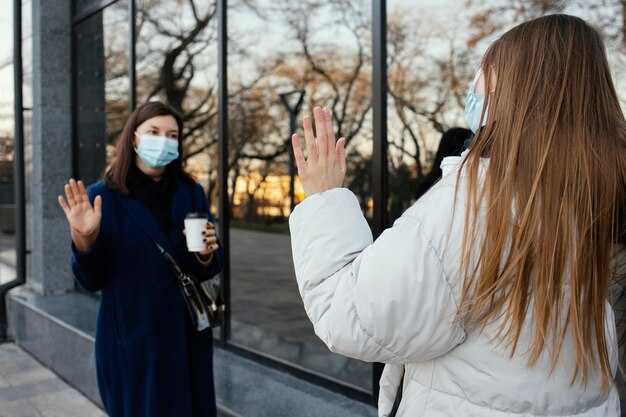
Identify specific triggers and practice graded exposure: list one avoided situation, confront it with a 5–10 minute interaction, then increase duration stepwise.
- Definition: social anxiety is a persistent fear of negative evaluation that itself can disrupt daily functioning, relationships and work.
- Prevalence and timing: affects several percent of the population with lifetime estimates commonly between 7% and 12%; onset typically during adolescence.
- Common signs: intense worry about speaking, blushing, heart racing, blanking during conversations or presentations, difficulty sleeping nights after stressful events.
- Impact: people often miss jobs, decline social invitations, avoid communities and stop giving presentations even when tasks match their skills.
- Identifying: keep a one-week log rating distress 0–10, note past incidents that magnify fear, note which emotions peak and when.
- Confront: use short, repeated exposures (conversation, short presentation) so performance improves without aiming to be perfect perfectly on the first attempt.
- Skills: practice paced breathing and grounding to bring emotions down; schedule short daily exercises to relax before social demands.
- Treatment information: evidence-based options include cognitive behavioral techniques, group practice, selective serotonin reuptake agents; consult a clinician if symptoms interfere with basic needs.
- Support: join peer communities or structured groups that provide rehearsal and feedback; shared rehearsal reduces isolation and helps change avoidance patterns.
This text outlines measurable steps and crucial markers to track progress: frequency of avoidance, intensity ratings, nights of poor sleep, ability to give presentations without freezing, and whether individuals can help themselves instead of assuming they will do badly. Collect objective information, set small weekly goals, adjust plans when progress slows, and repeat identifying plus confronting cycles until routines change.
Identify your concrete triggers in public spaces
Identify three exact scenarios that cause a major physiological spike: crowded elevator during commute, unexpected question from colleagues in meetings, long noisy queue at a café.
Write the fact and measurable sign next to each scenario: heart rate (bpm), breathing rate, sweat level; note whether the same people or a similar group are present.
Before exposure, rate predicted intensity on a 0–10 scale; this simple snapshot makes predicting reactions possible and easy to compare across sessions.
When looking at data across weeks, chart weekday, time, and trigger type to spot patterns; common peaks often align with rush hours and large meetings.
Use short, controlled tests – stand near an elevator door: 60 seconds; ask a colleague a brief question: 30–60 seconds; wait in line: 90 seconds – then log how badly you feel and how you actually respond.
You probably have a recurring thought; write the real sentence that runs in your head when arousal starts – this means you can tackle that belief rather than guessing.
Confront triggers progressively: easy exposures first, then harder ones when baseline responses are lower; when a group challenge occurs, use the script; likely you’ll respond less intensely after three planned repetitions.
Hard exposures are best with a trusted support person; not everybody needs the same pace, so adapt group or solo work accordingly and avoid feeling embarrassed about gradual steps.
Keep a short log here: trigger, measured sign, script used, immediate outcome; review weekly and adjust steps to tackle the most significant items.
| Déclencheur | Measurable sign | Immediate script/action |
|---|---|---|
| Crowded elevator | HR +20 bpm, shallow breaths | Step back, steady breathing, 10-second count |
| Question from colleagues | Voice shake, dry mouth | Pause, sip water, reply one sentence |
| Noisy queue | Increased sweat, restlessness | Anchor to floor, slow exhale ×4 |
Box breathing (4-4-4-4) to calm quickly
Inhale through the nose for 4 seconds, hold 4, exhale through the mouth for 4, hold 4 – repeat 4–8 cycles.
- Physiology: one cycle = 16 seconds (~3.75 cycles per minute). This pace slows respiration, increases parasympathetic tone and reduces sympathetic drive; specifically target diaphragmatic expansion so the body senses lower threat.
- Positioning: first practice seated, spine neutral, shoulders relaxed; if alone, try seated near a wall for back support.
- Step-by-step:
- Place one hand on belly, one on chest.
- Inhale 4 seconds, feel belly rise.
- Hold 4 seconds, keep throat relaxed.
- Exhale 4 seconds, push gently from diaphragm.
- Hold 4 seconds, resume next cycle.
- Dosage: begin 1 minute per session and gradually increase to 5 minutes; perform twice daily and on approach to a stressful situation.
- During a panic attack: focus on elongating the exhale; somebody experiencing hyperventilation should prioritize slow exhales and place attention on the belly to re-establish steady CO2 levels.
- Modifications: if 4-second holds cause lightheadedness, reduce to 3-3-3-3 for several sessions, then return to 4-4-4-4 as tolerance builds.
- Mental strategy: label intrusive thoughts as passing; if self-talk calls you an idiot, notice the thought, name it, then return to breath – do not engage them.
- Muscle work: after sets, do progressive relaxation for neck, jaw, shoulders and pelvic floor to release residual tension in key muscle groups.
- Behavioural use: integrate before public speaking, crowded transit or difficult conversations to handle acute stress and shift behaviour toward calmer responses.
- Measurement: track resting heart rate and subjective calm rating before and after practice; small reductions after 5 minutes suggest benefit and have been reported in short-term studies.
- Teaching and spread: show this to another person, friends or communities; everybody can learn quick cues to calm themselves or support somebody in distress.
- Contraindications: however, if respiratory disease or recent cardiovascular event exists, consult a clinician before breath-hold practice.
Importance: regular box breathing trains a healthier breathing pattern, reduces intrusive mental chatter and strengthens ability to remain calm when triggered, helping people handle stressors more effectively.
Ground yourself with the 5-4-3-2-1 technique
Name five things you can see, then name four things you can touch, three sounds you can hear, two smells, one taste; spend 5–10 seconds per item so the full sequence takes ~30–60 seconds. Between each count breathe on a 4‑2‑6 rhythm: inhale 4s, hold 2s, exhale 6s.
Use descriptive labels out loud or silently – e.g., “blue poster, rough fabric” – to supply concrete sensory information and to replace catastrophic thought. Cette cognitive technique shifts attention away from bodily signals like rapid beating or lightheadedness; it gives the brain both facts and a chance to downregulate arousal quickly.
Practice both at home (during reading livres, learning sessions, while working) and in actual public sociale contexts. Keep a small textured item in a pocket to touch discreetly when smells or tastes are unavailable. sometimes people find taste hard in crowded areas; carry a mint or small candy as something to use.
If someone struggles with the sequence above, shorten stages – five‑three‑one or focus on two senses – repeated practice raises the chance they’ll succeed under pressure. If breathing causes difficulty, reduce exhale to 4s rather than 6s. Rather than confront the scene head‑on, use this tool to regain control of their attention when anxieux and then decide next steps.
Plan a pocket coping kit: water, fidget item, quick steps card
Carry a sealed 500–600 ml (16–20 oz) bottle; sip 30–60 ml every 5–10 minutes when pulse rises and breathing feels shallow. Keep a second small bottle saved in an inner pocket; total added weight ~80–120 g. If someone asks a question about your bottle, answer ‘water’ and keep focus on hydration. Save one emergency contact labeled partner in your phone with two numbers and a short note about preferred talking style.
Choose a discrete fidget: 25–40 mm silicone ring, soft fabric tag, or 3×3×3 cm textured cube. Use as a grounding activity: six press-squeeze-release cycles practiced slowly during calm moments, then repeated quickly only when needed. If palms were sweaty, pick fabric or silicone rather than metal; silicone is grippier than metal and less likely to slip. Regular practicing keeps motor focus active and reduces emotional surges that make you feel wrong or more scared.
Create a laminated, credit-card-size quick-steps card with a numbered list on one side: 1) breathe 6 in / 6 out, 2) name 5 things youre seeing, 3) touch 4 items, 4) text or call partner, 5) stop, drink water, reassess. On the back add a three-line checklist: therapy contact, medication notes, top triggers and a short note about how to change your usual route or activity when a location becomes frightening. Include a tiny prompt to name current feelings (sad, numb, angry, scared) and pick one small action; practicing reading each line aloud during low-stress moments makes them easier to use when alone. If you must confront someone, read the card first to lower arousal before talking; theyre small items that keep steps accessible and support overall well-being and emotional regulation.
Gradually increase exposure with tiny public steps

Step outside two minutes three nights a week; add one minute each session until ten minutes is perfectly manageable.
Use tasks called micro-exposures: stand near a shop window, sit on a bench, walk to the mailbox, buy one item and wait in a short line; a passing person counts as a low-intensity interaction. Note what you’re doing each time.
Print a one-page guide that records date, minutes, peak anxiety on a 0–10 scale, body signs (heart rate, breathing), thoughts and how you respond during exposure; mark progress after each session. Record which of those tasks felt manageable. Highlight a single helpful coping step used.
Share the plan; friends can accompany a session. Being accompanied reduces avoidance. Sharing successes helps; maybe practicing alone later is harder but builds confidence. It might feel hard at first.
If avoidance keeps expanding or panic can lead to major impairment, consult a doctor; anxiety itself can create rigid patterns that keeps avoidance intact. Giving yourself permission to move slowly means steady gains actually occur.
Reframe thoughts from danger to facts in the moment
Name three neutral facts you can verify by sight, sound, touch within 20 seconds; say them aloud to ground your attention, engage your senses and use mindfulness to lower a high pulse.
Quick routine: 1) Spot: label a visible item out loud (e.g., “blue bag”). 2) Sense: notice skin temperature or shoe pressure. 3) Listen: name a neutral sound. Use these concrete examples as short conversation cues you can repeat silently.
Keep a simple card here that lists three prompts: this thing is helpful during spikes.
When thoughts claim danger, reframe into factual sentences: “My heart is beating fast”; “No one is rushing toward me”; “Voices are calm.” Remind yourself theyre just worries packaged in boxes inside their mind; they do not equal facts and they often reflect past triggers rather than present danger. Note physical signs in your bodies so facts and sensations line up.
Control breathing: inhale 4 seconds, exhale 6 seconds, repeat six cycles; this cadence commonly increases heart-rate variability and can reduce perceived threat in 1–3 minutes. If youve been triggered, this pattern helps anchor attention to measurable sensations rather than catastrophic predictions.
Practice daily to build the habit: brief drills across three days produce measurable skill gains; many people report less difficulty after two weeks. Developing this habit seems tough at first, but small repeated exposures make regulation stronger and make it possible to enter crowded settings and hold calm conversation. Reading short chapters in breathing books and using short role-play examples can help when they feel triggered; be kind to your progress and avoid perfectionism – no one needs to be perfectly calm to cope.
 8 choses à faire si vous vous sentez irritable – Conseils rapides pour vous calmer">
 Comment cultiver l'espoir quand on se sent désespéré – Étapes pratiques pour reconstruire l'optimisme">
 35 Affirmations Quotidiennes pour Ce Que Vous Traversez — Élevez Votre Esprit, Guérissez et Avancez">
 41 Questions Qui Feront Passer Vos Rendez-Vous au Niveau Supérieur – Le Guide Ultime">
 Trois mois pour changer de personnalité – Une expérience personnelle">
 La Montagne russe émotionnelle de la perte de poids – Stratégies d'adaptation pour un parcours durable">
 99 Compliments Significatifs et Mémorables – Renforcer la Confiance">
 Alimentation et votre cerveau – Nutrition pour une meilleure cognition et santé cérébrale">
 33 Top Mental Health Tips Reddit Users Swear By – Practical Advice for Everyday Well-Being">
 Écoute empathique – Votre super-pouvoir secret pour de meilleures relations">


