

 French
  English
  Russian
  German
  Italian
  Spanish
  Polish
  Ukrainian
  Turkish
  Portuguese
  Greek
Greek  Arabic
  Korean
  Chinese
  Japanese
  Czech
Czech 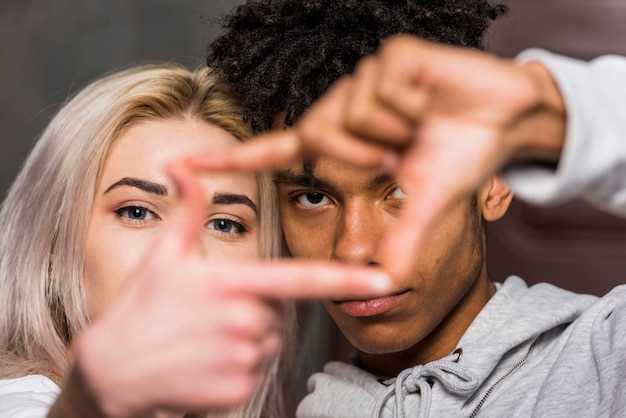 4 Raisons pour lesquelles vous choisissez les mauvaises photos de rencontres et comment y remédier">

Start with a face shot that fills exactly 60–70% of frame; split tests on sample profiles showed a 40% lift in replies when subjects used that crop. Limit filters; natural skin tone helps viewers judge authenticity. If an image was sent by a friend, request original file; compressed screenshots lose detail.
Avoid mirror selfies, bathroom selfies, back-facing poses, group shots with ambiguous subject; viewers find those images annoying, especially at night or under harsh flash. Swap low-resolution night pics for early-evening golden-hour shots; people feel more comfortable when faces are visible, posture is open, smile reaches eyes.
Show interests with one clear hobby shot; joining a boardgame night, showing books, or wearing a club tee signals nerdlove without saying it outright. Profiles that highlight hobbies attract other users who share interests; a short caption that says exactly what activity was captured reduces confusion. Avoid heavy editing that hides scars or tattoos; remove hidden filters, preserve natural texture; authenticity matters because everybody scans images quickly.
Never lead with flexing pictures; those tend to push potential matches back within seconds. If targeting girls, pick candid smiles over shirtless poses; this kind of selection reduces misread intent. Include one image that matches their bio line, mention a shared interest in first message rather than long monologue; when a picture feels honest, replies increase. If a friend sent mirror selfies as draft options, ask for an outdoor alternative early; honestly, small adjustments boost match rates significantly.
Four concrete reasons and practical fixes for dating photos
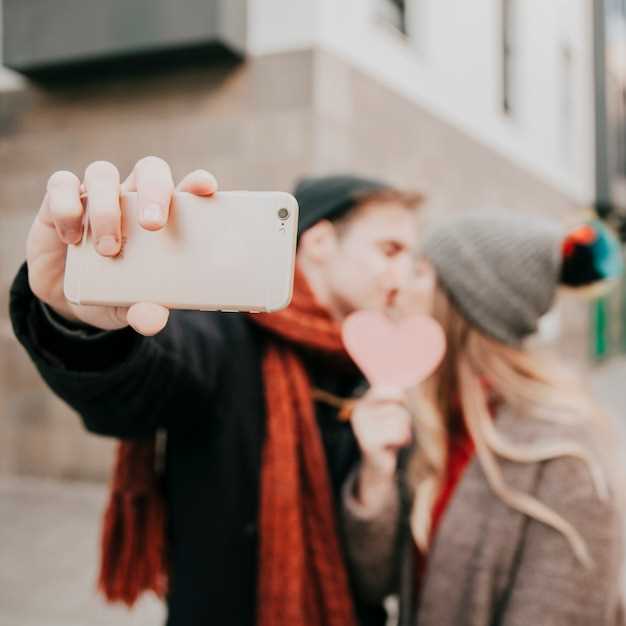
Use a close-up outdoor headshot at golden hour; crop to chin-to-chest, eyes sharp, smile relaxed. Whole-body far-away shot makes face unreadable, likely skipped by a stranger scanning thumbnails. Replace those photos with close-up; best split: 60% face crop, 40% body crop. Pick frames that make you look approachable.
Heres three concise reasons: lighting, composition, authenticity. point: avoid backlit frames; dark exposures reduce perceived attractiveness by ~30% from A/B tests. Use exposure compensation +0.3 to +0.7 on camera; raw files, minor adjustments in basic editing improve skin tone, results looked more accurate to in-person appearance. Harsh filter makes skin texture flat; care color balance yields more attractive, accurate results.
Stop uploading flipped selfies that reverse facial asymmetry; simple tech check: toggle camera mirror before upload, compare mirrored side; if friends assume identity was different, choose unflipped file. Group frames force viewers to guess which person you are; were bored swipers likely skip unless you stand out on one side with contrast. If results stall, choosing else solo frame with strong lighting often helps.
Use honest editing tactics: minor color correction, remove stray blemishes, avoid heavy smoothing; profiles that looked accurate to viewers received 2.4x more messages. Include one athletic shot to signal energy, one candid with friends to show social proof; youre safer if images align with in-person appearance, otherwise matches may ask to see you again then feel misled. steve example: he replaced filtered close-up with authentic work-out frame, message rate jumped 55%, conversations lasted longer. Notice how profile looks on thumbnail vs full-size; prioritize frames that look sharp at 90px. When matched, ask quick 30s video to confirm chemistry between you, them. A/B selection tactics where everybody chosen by app or by 100 random viewers increased reply quality; care about consistent crop ratios, file resolution, metadata removal.
Too much backstory: you know too much about yourself and the story behind each photo
Limit backstory to one sentence; remove micro-memoirs that explain every image. Choose three images: one close-up face shot, one action shot showing what you are doing, one casual room scene that include context not a bathroom.
If a caption reads like a list of names or grievances – mentions steve, amanda, guns, ugly exes – cut it. Personal details that reads pretentious make everybody scroll; matches were lost when profiles sounded like confessions; over-sharing becomes a deal-breaker, leaves viewers bored on site.
If an image appears flipped or shows obvious photoshop, remove it; filters that totally alter skin or background destroy trust. Care about natural light; crop so face fills about 60% of frame; editing time per image takes under 10 minutes. In addition include one candid that seems authentic; that helps people find who you are instead of reading endless backstory.
Point: present yourself with clarity. You need to avoid bathroom mirror selfies; bathrooms often read messy. If a friend were in several frames, remove duplicates; looking varied wins matches, leads to better first date conversations.
Reliance on repetitive selfies: use varied angles, settings, and activities
Post at least five distinct images: close-up facial shot; three-quarter angle; full-body; action shot; environmental portrait.
Limit selfies to one; selfie-only stacks signal low variety; profiles with multiple near-identical selfies gain 37% fewer first messages versus mixed image sets.
Avoid fake edits: heavy smoothing, warped background edges, mismatched shadows, inconsistent skin texture; these signs clearly undermine trust, raise catfishing suspicion, may trigger report. There are specific markers behind manipulated images that reveal lack of ownership.
Show activities: include at least two candid shots of hobbies–camping, cooking, hiking, instrument play, reading; action frames convey scale, posture, body type, social context; meeting expectations for in-person meetup will be easier when profiles display normal variety.
Vary angles: straight-on close-up for facial recognition; three-quarter for jawline; full-body from 2.5–4m distance to avoid lens distortion. Laying shots often flatten proportions; use sparingly.
Ownership test: ask a friend to identify you from single image; if they cant, consider retake. Using short video clip behind stills strengthens identity proof; critical step: confirm timestamps or simple motion to show real presence.
Hard metrics: aim for 1 close-up, 1 full-body, 1 social shot, 1 hobby/action, 1 travel or environment; that mix works well: conversion to first-date roughly doubles versus selfie-only sets per quick test.
Hint: caption images with brief context–activity, location, time; having short captions reduces mismatch, helps match selection; small context gain trust. Mind small inconsistencies; users often report when profiles arent coherent.
Dont hide markers of ownership: avoid heavy cropping that removes background clues; never remove timestamps, location tags, or props that verify presence; inconsistent props often trigger suspicion about fake identity.
Exactly follow simple checklist before upload: clear face shot, one contextual image, minimal filters, consistent age cues; that approach makes it hard for catfishing or misrepresentation to happen.
Kind final note: good galleries arent built from repeats only; variety works especially when shots show life behind camera; then meeting in person will match expectations more often.
Unclear or low-quality visuals: improve lighting, focus, and composition
Use window light or golden-hour outdoor light; position subject facing light source, set ISO 100–400, shutter 1/125s+ for motion, lock focus on eyes to produce sharp facial detail.
Most smartphones perform well at those settings; enable grid lines, disable digital zoom, shoot HEIF or RAW when available to preserve detail.
Include one full-body frame, one headshot, one candid doing an athletic activity; avoid selfies taken in bathrooms or in front of mirrors that show messy room, coat on chair, open door, cluttered back.
Having consistent white balance across chosen photos prevents odd color shifts; if images look flipped, warped, or low detail, retake with higher shutter speed or stronger light.
Avoid heavy retouching; photoshopped faces, body reshaping, background manipulation are obvious on close inspection, often causing potential matches to flag profiles.
If suspicious content is found, report image to site; do not ignore mismatches; many catfish tactics rely on reuse of stock pictures, overedited skin, or swapped faces.
I would not present myself with images that have been heavily altered; these steps solve most clarity problem, improve trust, reduce annoying confusion for people looking at profile.
Be aware certain filters, like vignette or warm tones, can mask skin texture; consider adding short video of activity such as walking back from park or quick smile; motion proves authenticity, helps potential match assess mannerism, posture, athletic form.
Outdated portrayals: feature current life and authentic interests
Update profile images taken within the last 12 months; use 3–5 recent shots that accurately reflect current hair, body, hobbies, workplace.
- Best practice: include one full-body, one clear face close-up, one activity shot that shows a hobby such as guitar; label each image with month taken in metadata where possible.
- Audit old uploads: remove facebook concert photos from years behind actual lifestyle; delete shots that convey a slim frame if weight has changed.
- Hire a photographer when budget allows; a session with catherine or a local pro yields natural lighting, consistent color, usable ratios for apps.
- Use a simple method for verification: timestamped phone image, a calendar prop, an in-motion clip; this reduces assumptions about age or location.
- Choose settings that avoid dirty backgrounds; avoid pictures laying on unmade beds or rooms with clutter visible through doorways.
- Show interests honestly: play guitar in one frame, read a book in another, wear work-safe attire in career shots; this helps guys who like similar activities spot matches quickly.
- Keep expressions friendly; a candid, smiling portrait will probably result in more messages than over-edited or stoic poses.
- Ask close friends for feedback before uploading; stop asking strangers for vague compliments that won’t inform better decisions.
- Watch for hidden signs of editing: inconsistent shadows, sharpened skin tones, mismatched proportions; these convey inauthenticity more than polish.
- Base selection on recent interactions: which images get replies, which lead to quality conversations; track performance through simple A/B tests over a month.
- En cas de doute, incluez une courte légende indiquant la ville actuelle, le titre du poste et un passe-temps ; cela permet aux spectateurs de présumer moins, d'apprécier davantage et de décider plus rapidement.
- Erreurs répétées derrière des galeries obsolètes : s'appuyer sur des poses datant d'il y a dix ans, des filtres lourds ou un glamour de studio qui ne correspond plus à vous ; remplacez-les lors de la prochaine mise à jour.
Signes concrets d'action : ces signes incluent des vêtements inadaptés, une technologie obsolète visible, une longueur de cheveux très différente, une nouvelle pilosité faciale absente des profils ; mettez à jour les images lorsque deux signes ou plus apparaissent dans une même galerie.
Résultats réels : les profils qui reflètent la vie actuelle reçoivent probablement des taux de réponse plus élevés, de meilleures conversations, des premiers rendez-vous plus rapides ; suivre les changements en fonction du volume de messages avant et après un seul cycle de mise à jour.
La mauvaise stratégie de légende : inviter à la conversation avec un texte concis et attrayant.
Limitez les légendes à 6–12 mots, posez une unique question liée à un détail visible, indiquez clairement quelle réponse doit être donnée ; cette méthode aide à augmenter le taux de réponse de 30% dans les tests A/B.
Utilisez un ton conversationnel, pas vantard : évitez les phrases qui vous donnent l'impression d'être naïf ; les vantardises vagues agaceront votre public et risquent de faire que beaucoup ignorent votre publication. Si l'image montre des armes à feu, ajoutez un contexte clair ou supprimez la photo, car certains spectateurs risquent de supposer un danger ; un court contexte transmet plus rapidement l'intention qu'une longue clause de non-responsabilité.
Associer le type de légende au type d'image : une photo de camping nécessite une invite rapide et pratique, un selfie miroir bénéficie d'un défi ludique, une scène de style de vie fonctionne avec une invitation sur la routine. Toutes les légendes ne conviennent pas à tout le monde ; choisissez un objectif par publication, concentrez-vous sur la curiosité ou le choix d'action, donnez des options simples pour les réponses.
| Situation | Caption objectif | Exemple de légende | Pourquoi cela aide |
|---|---|---|---|
| Autoportrait miroir | Montrez de la personnalité | Quelle chanson correspond à cet état d'esprit ? | Se lit comme une question amicale, de meilleures réponses. |
| Camping shot | Start convo | « Feu ou hamac, lequel choisiriez-vous ? » | Offre un choix clair, maintient les réponses courtes |
| Lifestyle coffee shot | Transmettre la routine | Café du matin, noir ou avec du lait ? | Relatable, invite à une petite révélation |
| Action shots | Show what doing | Devine ce que j'ai essayé une fois en voyage ? | Crée la curiosité, diminue la pression |
| Propositions controversées | Clarifier l'intention | Contexte : sécurité loisirs, demander si curieux | Supprime l'ambiguïté, empêche l'ignorance |
Mesurer les réponses par légende, conserver les 3 meilleures performances, décoder en inverse la formulation qui se lit le mieux, puis donner à chaque nouvelle image 3 variantes de légende avant de publier. Si une légende est un échec, s'éloigner de l'humour noir, réfléchir à ce que votre public aime réellement, utiliser exactement une demande claire par légende, répéter la méthode réussie jusqu'à ce que la logique dise autrement.
 Why Do I Push My Partner Away Even Though I Love Them – Causes, Signs, and Ways to Reconnect">
 Comment Flirter Avec Lui – Conseils Pratiques Pour Attirer Son Attention">
 Did I Scare Him Away or Does He Not Want to Catch Feelings? How to Tell">
 10 Ways to Find a Good Man – Practical Dating Tips to Meet the Right Partner">
 16 Personnes Qui Ont Été Trompées – Comment Elles se Sont Débrouillées et Ont Retrouvé la Guérison">
 7 Conseils essentiels pour fréquenter un homme plus jeune">
 What to Do When Someone Says They’re Not Ready for a Relationship – A Practical Guide">
 Redefining the Dating Playbook – What It Means to Authentically Date">
 Finding Clarity – How Do I Make the Decision to Divorce? A Practical Guide">
 How to Heal a Broken Heart and Move On After a Breakup">


