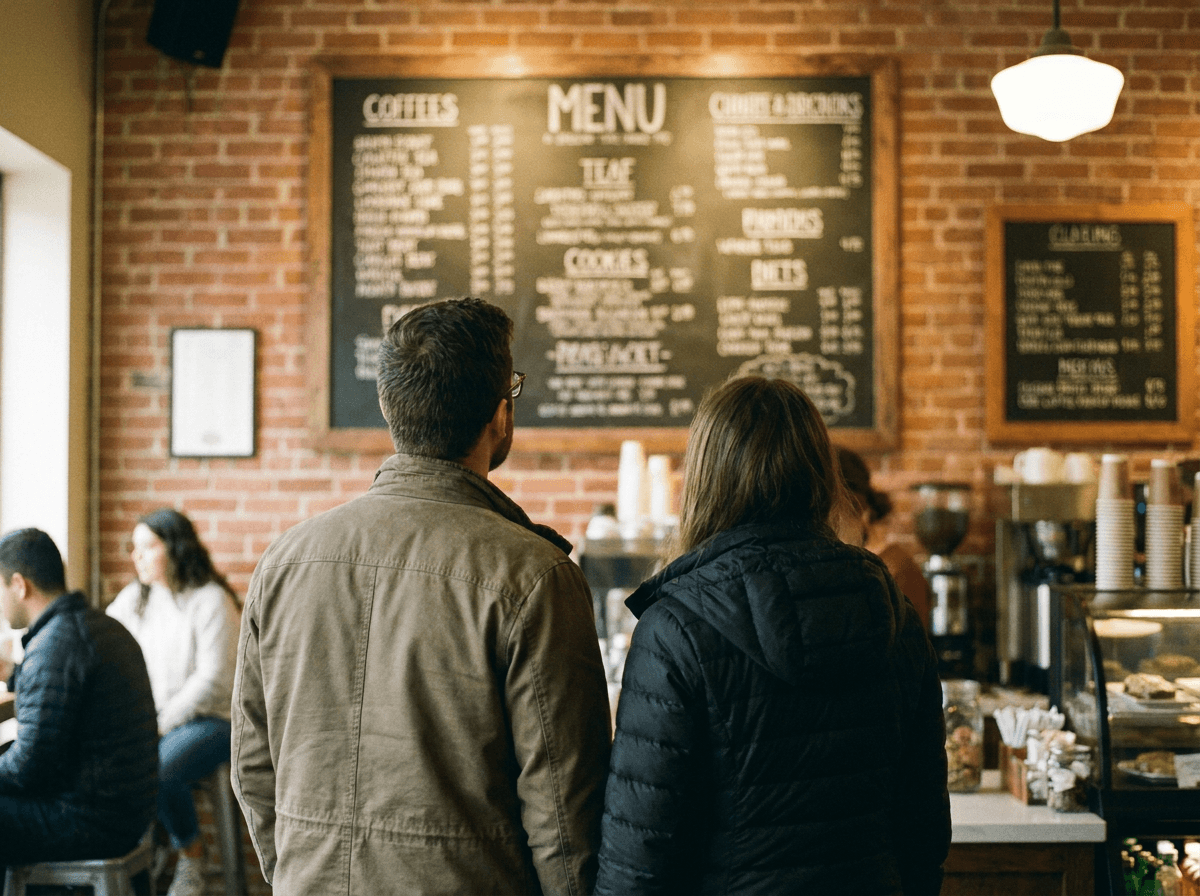
Something quiet has disappeared from daily life. The local pub where you saw the same faces every Friday. The community center where strangers became regulars. The independent bookshop where conversations started between the shelves. These are third places — social environments that sit between home and work — and their decline has reshaped far more than leisure time. It has fundamentally altered how people meet romantically. The death of third places is not just a story about urban planning or social fragmentation. It is a story about how organic connection became increasingly difficult to find.
What Third Places Actually Provided
Sociologist Ray Oldenburg defined third places in 1989 as the informal gathering spots that anchor community life. They are neither home nor workplace. They are shared social territory — accessible, neutral, and reliably populated by a mix of people with no declared agenda beyond being there.
What made third places so valuable for romantic encounters was precisely their lack of romantic intention. Nobody went to a local café to find a partner. They went for coffee, for company, for the rhythm of a familiar place. That absence of declared purpose created the conditions for genuine organic connection. Proximity, repetition, and shared context did the rest.
These places also provided something apps cannot replicate: time. Regulars at a local bar or community space encountered each other across weeks and months. Familiarity built slowly. Attraction developed in the context of real behavior rather than curated profiles. The person you fell for was someone you had actually watched navigate the world — not someone you had swiped on a screen.
How Third Places Disappeared and What Replaced Them
Third places have not vanished overnight. Their decline has been gradual, driven by overlapping forces that reinforced each other across decades.
Rising commercial rents pushed out independent venues — the cafés, local bars, and community spaces that once anchored neighborhood social life. Chains replaced them. Chains are not third places. They are transactions. The social infrastructure that made organic encounters possible disappeared along with the venues that housed it.
Digital life accelerated the shift. Time that previous generations spent in shared physical spaces moved online. Social connection became something that happened on screens. The incidental, unplanned quality of third place encounters — the foundation of most organic romantic stories — had no equivalent in the digital environment.
The pandemic compressed decades of this trend into months. Many of the remaining independent venues that functioned as third places closed permanently. The social habits built around them were lost. Many people have not fully rebuilt them since.
What the Absence of Third Places Does to Romantic Life
The loss of third places has not stopped people from meeting romantically. Dating apps filled the discovery gap efficiently. But they changed the nature of the encounter in ways that matter.
App-based meetings are declared. Both people know exactly why they are talking. That transparency removes the ambiguity and gradual emergence that defined third place romance. There is no slow build across repeated shared encounters. Everything is accelerated and front-loaded — a pressure that many people find exhausting.
Organic encounters still happen in the places that remain. Gyms, coffee shops, workplaces, hobby communities — these function as partial third places for some people. But their social norms are less permissive than traditional third places were. Approaching a stranger in a gym carries different social weight than striking up a conversation at a neighborhood local. The permission structure has changed.
The people most affected by the death of third places are those who do not thrive in the app environment. Introverts, older adults, people with social anxiety, and those who simply find declared romantic contexts uncomfortable have lost their most natural pathway to organic connection. For them, the decline of shared social spaces is not an inconvenience — it is a genuine narrowing of romantic possibility.
What Comes Next: Rebuilding Social Infrastructure
The response to the death of third places is already taking shape in some cities. Community-oriented venues, social clubs, shared hobby spaces, and intentional community building are all growing in cultural visibility. People recognize what has been lost and are actively trying to recreate it.
These efforts matter. Third places do not only serve romantic life — they serve the broader social fabric from which romantic connection naturally emerges. Rebuilding them is not nostalgia. It is a practical investment in the conditions that make organic encounters possible again.
Conclusion
The death of third places removed the social infrastructure that made organic romantic encounters routine rather than rare. The venues disappeared. The shared time and repeated proximity they enabled disappeared with them.
Dating apps filled part of the gap. But they changed the nature of connection in ways that do not suit everyone. Rebuilding third places — or their functional equivalents — is one of the more meaningful things communities can do for romantic life. The conditions for love are not incidental. They require places worth returning to.