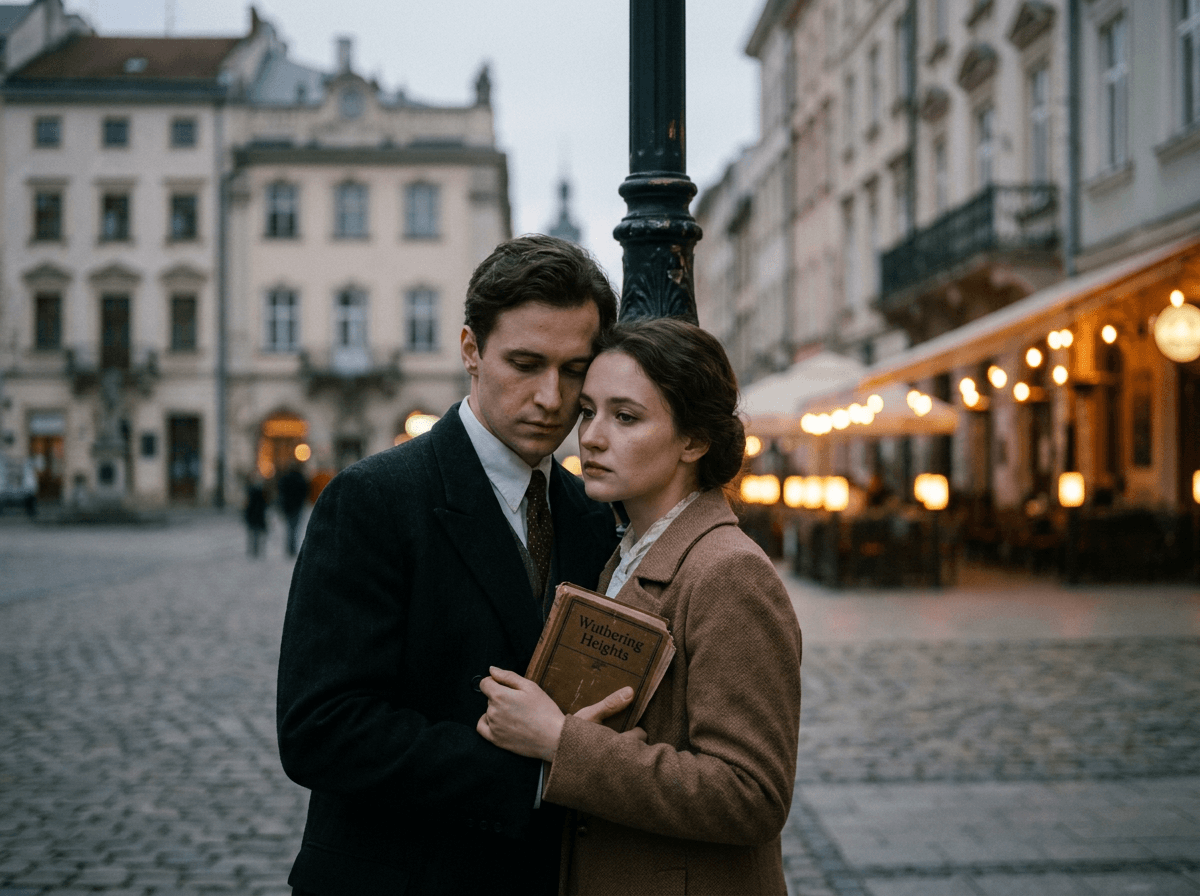
There is a persistent and largely unexamined tendency in how culture handles love and suffering. The most celebrated love stories are rarely the happy ones. They are the doomed ones. The love that ends in loss, the relationship destroyed by circumstance or cruelty or incompatibility so complete it becomes mythic — these are the stories that get the operas, the films, the canonical novels. The romanticization of suffering in love is not a modern phenomenon. It is ancient and pervasive. But understanding why we do it — why painful love feels more meaningful than contented love, why suffering in a relationship can come to seem like evidence of depth — is worth more serious attention than the romanticization itself tends to receive.
What Romanticization of Suffering Actually Means
The romanticization of suffering in love refers to the cultural and psychological tendency to treat pain in romantic relationships not simply as a regrettable feature but as a meaningful, even desirable one. To treat the suffering that love can produce as a sign of love's authenticity, its seriousness, its significance.
This romanticization is not simply a matter of art and culture, though it is deeply embedded there. It is a psychological orientation that shapes how many people experience and evaluate their own relationships. Couples who never fight may worry that they do not love each other enough. People who find a relationship easy and contented may distrust its depth. The suffering — the longing, the jealousy, the fear of losing someone — can come to feel like the proof that the love is real.
The romanticization of suffering is not entirely irrational. Suffering in love does tend to indicate investment. You do not suffer over people who do not matter to you. The problem arises when suffering becomes not simply a byproduct of genuine love but a requirement for it. When the absence of pain reads as the absence of feeling rather than as the presence of security.
Why Culture Glamorizes Painful Love Stories
The cultural glamorization of painful love stories has deep roots in both narrative structure and human psychology.
Narratively, suffering drives story. A relationship characterized by contentment and mutual respect tends not to produce the dramatic arc that stories require. Conflict, longing, loss — these generate tension. Tension generates engagement. The stories that have lasted tend to be the ones with the most compelling suffering: Romeo and Juliet, Wuthering Heights, Anna Karenina. These are not primarily love stories. They are suffering stories that use love as the vehicle.
Psychologically, suffering tends to be more memorable and more emotionally potent than contentment. The negativity bias — the tendency for negative experiences to be processed more intensely than positive ones of comparable magnitude — means that painful love experiences tend to feel more vivid and more significant than happy ones. A relationship characterized by jealousy, uncertainty, and longing may feel, while it is happening, more alive than one characterized by peace and reliability. The emotional intensity of suffering can be mistaken for the intensity of the love itself.
There is also the role of narrative in identity. Stories of suffering tend to position the person experiencing the suffering as the protagonist of a significant drama. As someone whose love was grand enough to produce grand pain. This is a more compelling identity than that of someone who found a good match and built a comfortable life together. The suffering is often glamorized partly because it makes a better story about the person doing the suffering.
What the Romanticization of Suffering Costs
The romanticization of suffering in love carries specific and underappreciated costs — for how people evaluate their relationships, for what they seek in love, and for how they interpret the absence of pain.
One cost is the misidentification of suffering as depth. When suffering becomes a marker of genuine love, people in painful or damaging relationships can find their suffering functioning as evidence that the relationship is worth staying in. The more it hurts, the more it must mean. This logic — which the romanticization of suffering systematically reinforces — tends to keep people in relationships that are harming them rather than love relationships that are simply ordinary.
A second cost is the devaluation of contented love. The relationship that is working well — where both couples treat each other with care and consistency, where conflict is minimal and genuine closeness is high — tends not to produce the suffering that the romanticization framework treats as meaningful. This can make genuinely healthy love feel insufficient or unexciting. The absence of dramatic painful love can read as the absence of passionate love. That reading is not the same thing. And it tends not to be true.
A third cost is the normalization of suffering as a feature of love rather than as a signal that something is wrong. In relationships where one person is treating the other badly, the suffering that results can get absorbed into the romanticization framework — understood as the necessary pain of great love rather than as information that the relationship is damaging.
Why We Are Drawn to This Narrative
The pull of the romanticization of suffering is not simply cultural conditioning. It reflects something real about how love and suffering interact.
Love does involve vulnerability. And vulnerability does involve the specific anxiety of knowing that what you love can be lost. There is suffering in the uncertainty of whether someone loves you back, in the awareness that the person you love is capable of leaving. There is suffering in conflict, in distance, in the specific pain of loving someone whose love is not always available.
These are real features of real love. The romanticization of suffering takes those real features and elevates them from the incidental to the essential. It mistakes the occasional cost of love for its defining characteristic. It converts the byproduct into the point.
What genuine love actually tends to produce — security, ease, the specific calm of knowing someone is reliably there — is far less dramatic. It is also far more sustaining. The suffering stories are compelling precisely because they do not end in the sustained experience of contentment that actual love in actual relationships is mostly made of.
Conclusion
The romanticization of suffering is a compelling cultural narrative and a psychologically understandable one. Pain is vivid. Dramatic love stories are more memorable than content ones. The intensity that suffering produces can feel like the proof of feeling.
But suffering is not the proof of love. It is often the proof of circumstances, of incompatibility, of poor treatment, of the specific anxiety that insecure attachment produces. Genuinely loving relationships contain suffering, periodically, because vulnerability is real and loss is possible. But they are not characterized by suffering as their primary texture.
Recognizing the romanticization of suffering for what it is — a cultural habit rather than a truth about love — is one of the more useful things available for couples trying to evaluate their relationships honestly. Contented love is not shallow love. Peaceful love is not absent love. The absence of drama does not indicate the absence of depth. It can, sometimes, indicate its presence.