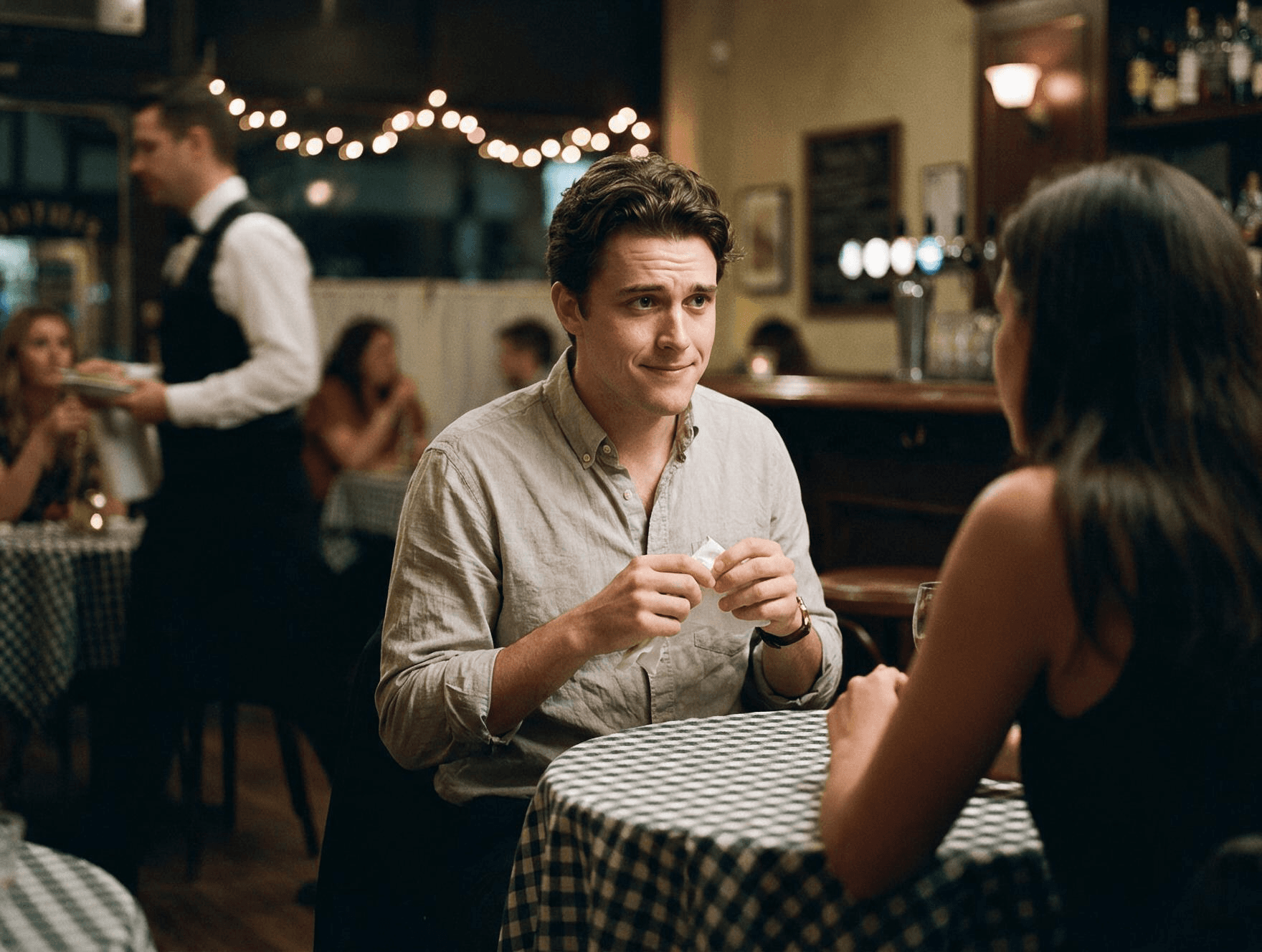
Nobody talks about how much it costs to be available for romance. Dating advice focuses relentlessly on profile optimization, conversation technique, and emotional readiness. And almost never on the significant financial investment that looking dateable in modern dating culture actually requires. The costs of grooming, clothing, fitness, and presentation add up. Easy to overlook precisely because each individual expense seems reasonable. Together, they constitute a substantial and largely unacknowledged entry cost to the dating market.
The Grooming Cost Nobody Factors In
Personal grooming is the most normalized and least examined of the financial costs associated with looking dateable. Most people treat it as a basic necessity rather than a dating expense. But the grooming standard that modern dating culture expects is considerably higher than the baseline required for ordinary professional life.
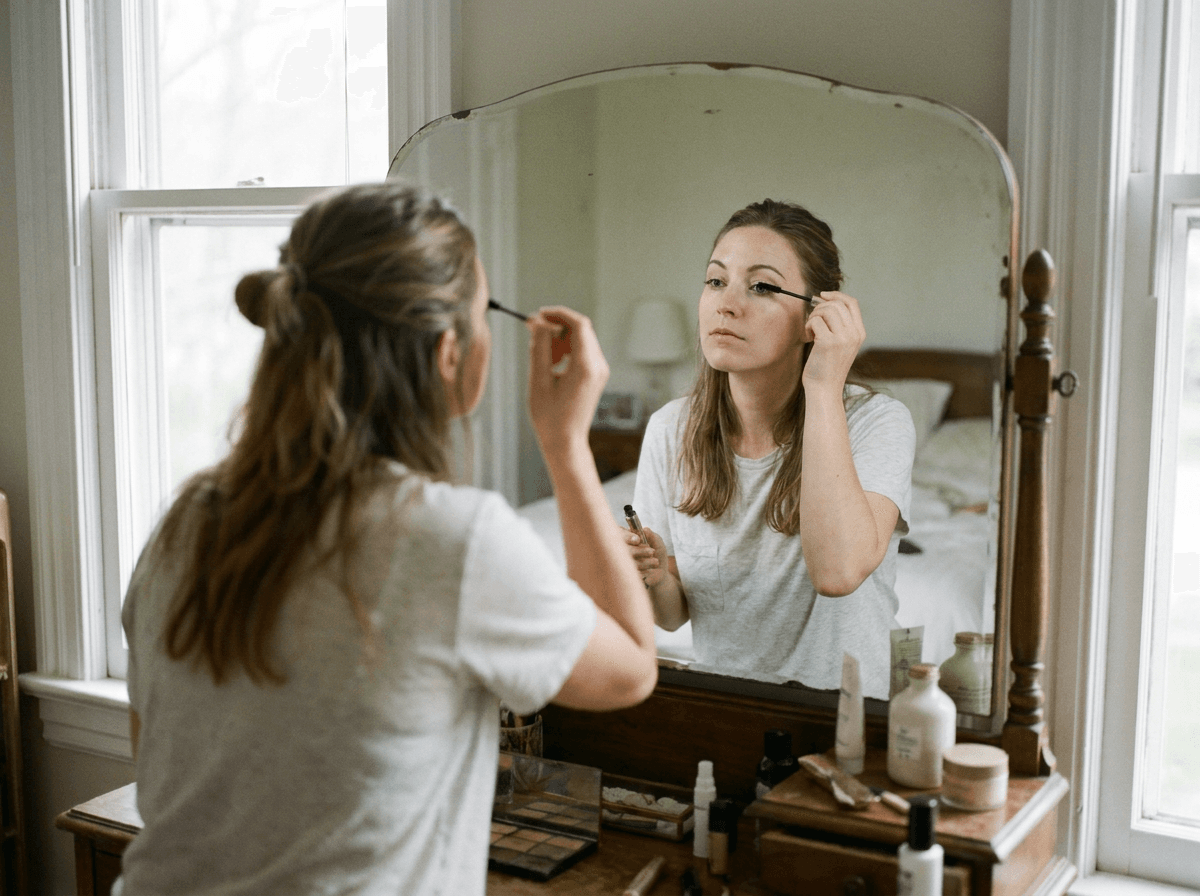
Haircuts, hair coloring, skincare routines, cosmetics, dental care, body hair removal, fragrances — all expenses partly or substantially motivated by how one presents to potential partners. Research on attractiveness consistently finds that grooming is one of the most significant variables in how dateable someone appears. The market has responded accordingly. An increasingly elaborate and increasingly costly set of products and services designed to help people meet that standard.
The cumulative monthly cost of a comprehensive grooming routine varies enormously. Even a modest investment — a haircut, a basic skincare routine, occasional cosmetics — represents a recurring expense that compounds significantly over time. For people in the active dating phase of their lives, these costs are effectively a subscription fee. Money paid for participation in the romantic marketplace. Money spent on grooming is money that does not get spent on other things.
What Clothing for Dating Actually Costs
Clothing for dating is a distinct category from clothing for work or for ordinary life. The dating wardrobe requires a specific combination. Looking good, projecting personality, and signaling social status — typically requiring more deliberate and more expensive investment than ordinary dressing.
The pressure to have the right outfit for a first date, the right casual wear for something that might become something — this is a real and largely unacknowledged aspect of what looking dateable requires. In modern dating culture, clothing is a form of audition. It produces a specific kind of consumption: the pre-date shopping trip, the outfit acquisition driven by an anticipated encounter rather than genuine need, the gradual accumulation of clothes bought for dating contexts that may see relatively limited use.
The gendered dimension of this cost is significant. Research on dating expenditure consistently finds that women spend more on appearance-related preparation — clothing, cosmetics, grooming services — than men. This asymmetry is both financially significant and rarely named as such. The expectation that women will present themselves in a specifically curated and maintained way to be considered dateable is a costly one. The cost tends to be treated as an individual lifestyle choice rather than a structural feature of how modern dating operates.
The Fitness Investment
Fitness has become increasingly central to what looking dateable means in contemporary culture. Dating app culture in particular has amplified this. Profiles emphasize physical appearance in ways that weight professional photographs alongside workout documentation as signals of desirability.
The cost of being fit enough to feel dateable goes beyond gym memberships. It includes the time cost of regular exercise. Substantial, in a world where time is a genuinely scarce resource. It includes the food cost of eating in ways that support appearance goals. And it includes the secondary spending that fitness culture generates: workout clothing, equipment, supplements, classes, and the social infrastructure of fitness communities that have become, in themselves, venues for dating.
There is nothing intrinsically problematic about caring about physical fitness. The issue is the extent to which fitness has become a prerequisite for entry into the dating market rather than a personal choice. And the extent to which the financial and time costs of meeting that prerequisite are invisible in the cultural conversation about what dating involves.
The Hidden Emotional Cost of Maintaining the Standard
The costs of looking dateable are not only financial. They include the ongoing emotional labor of maintaining an appearance standard that modern dating culture has set.
The anxiety of not being groomed enough for an unexpected encounter. The time spent on skin routines, outfit selection, and appearance management that could be spent elsewhere. These are real costs without a line in any budget. The particular exhaustion of performing dateable consistently. Of keeping up the effort required to look like someone who is worth pursuing, when that effort is substantial and the returns are uncertain.
This emotional cost is particularly significant because it is gendered, class-coded, and age-dependent in ways that affect different people very differently. Maintaining the standard of dateable appearance is considerably more demanding for some people than for others. The additional demand tends to be distributed in directions that are already disadvantaged.
The Dating Economy Nobody Discusses
Modern dating has created an economy — a set of financial and time investments required for participation — that operates largely beneath the level of explicit acknowledgment. The dating apps themselves are partly responsible. Subscription fees, premium features, boost purchases represent a direct financial cost that has normalized the idea of paying to date. But the indirect costs — grooming, clothing, fitness, the physical preparation required to look dateable — dwarf the platform fees. By a considerable margin.
The reluctance to acknowledge these costs is understandable. It is more comfortable to frame appearance investment as self-care, as personal expression, as something done for oneself rather than for the romantic market. For some people, some of the time, that is accurate. But when the investment is structured around the prospect of being evaluated by potential partners, the self-care framing becomes a polite fiction. It obscures both the cost and the coercive standard behind it.
Naming the costly reality of looking dateable is not an argument against grooming or fitness or well-chosen clothing. It is an argument for being honest about what modern dating actually requires — financially and emotionally. And for recognizing that those requirements are not neutral. They reflect cultural standards that are worth examining rather than simply internalizing.
Conclusion
The hidden cost of looking dateable is substantial, gendered, and largely invisible in how contemporary dating culture is discussed. Grooming, clothing, and fitness together constitute a significant ongoing investment — in money, in time, and in emotional labor. Required for participation in modern dating and almost never named as such.
Recognizing these costs does not make them disappear. But it does make it possible to approach them consciously rather than simply absorbing them as the natural background of romantic life. The price of romantic readiness is real. The conversation about that price is considerably overdue.