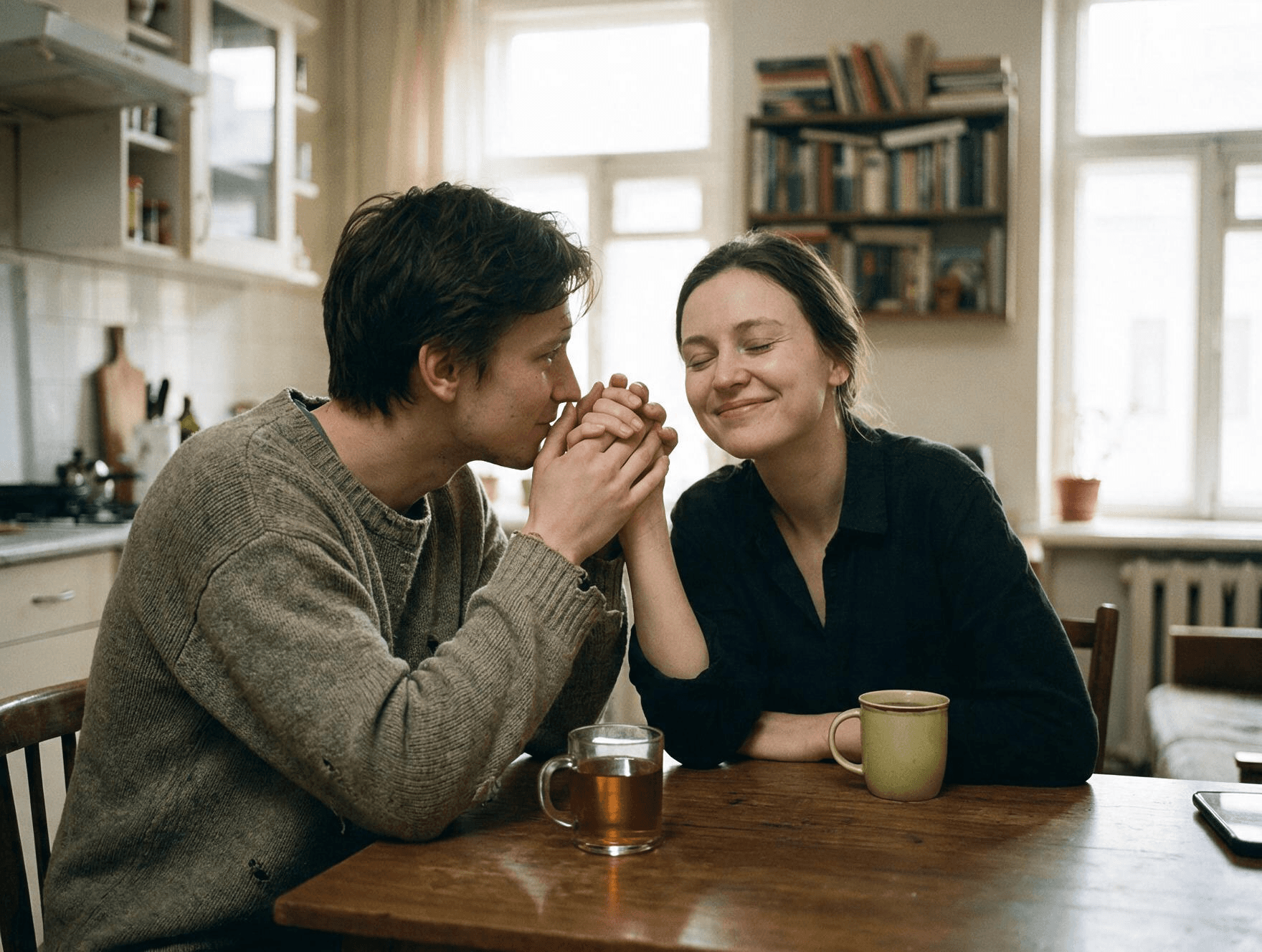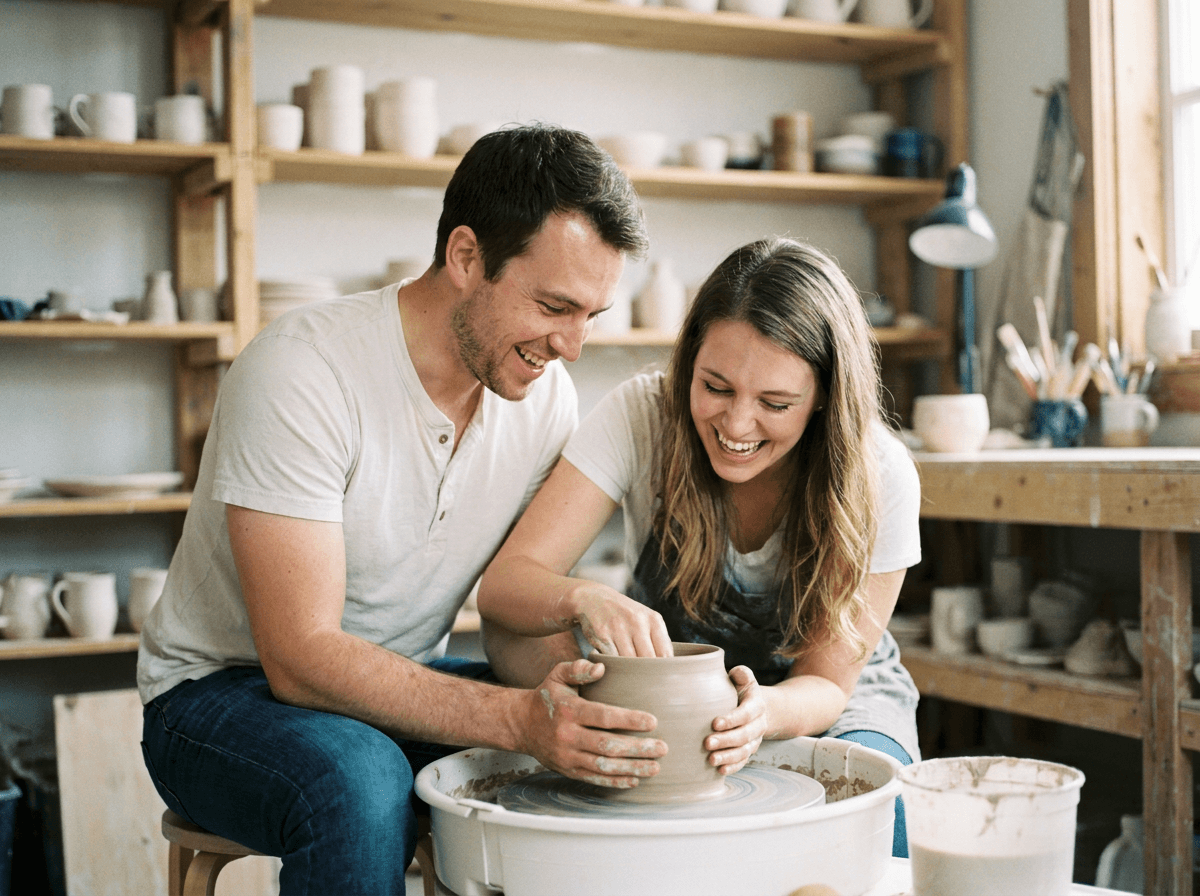
Learning a skill together is one of the more underrated things a couple can do. Not because it produces a shared hobby, though it often does. Because the process of learning itself creates a particular quality of shared experience that is hard to replicate any other way. The early incompetence, the gradual improvement, the small frustrations and occasional breakthroughs. Couples who take on a new skill together tend to come out of the process knowing each other differently. What they learned is almost secondary.
What Makes Skill Learning Different From Other Shared Activities
Doing things together as a couple is valuable in many forms. Watching the same series, taking the same walks, cooking the same recipes. These activities create shared time and shared comfort, which matter.
Learning new skills together creates something different. It puts both people in a state of genuine not-knowing. Neither person has the advantage of existing competence. Both are beginners. Both are awkward. Both are likely to fail in small, visible ways before they improve. This shared vulnerability is qualitatively different from shared comfort, and it tends to produce a different kind of closeness.
There is also the element of mutual witness. When you learn something together, your partner sees you as a genuine beginner. They see you struggle with a language pronunciation that won't land, miss a note you've practiced ten times, fall off balance in a new sport. And you see them the same way. This mutual exposure to incompetence, handled with patience and humor, tends to build trust in ways that more polished shared activities do not.
The novelty of learning new skills also keeps both people genuinely engaged. The early stages of acquiring any skill require full attention. There is no room to be on autopilot. This forced presence is one of the less discussed benefits of learning together as a couple. It creates quality time that is difficult to half-attend.
What Kinds of Skills Work Best
Not every skill is equally well-suited to learning together, and it is worth thinking about this before committing to one.
Skills that involve genuine collaboration tend to work particularly well. Learning a language together means you can practice with each other, test each other, laugh together at mistakes in ways that a solo learner cannot. Learning a paired sport or a dance style together means both people are practicing the same movements and can work on them in real time together.
Skills that have built-in performance milestones also tend to sustain momentum better than open-ended ones. Learning an instrument is intrinsically rewarding, but without some external structure, progress can plateau and motivation can fade. Signing up for a language exam, registering for a beginner tennis league, or committing to perform a song at a specific time creates shared accountability. Individual learning lacks this.
The skills that tend to work less well are ones that advantage one partner significantly over the other from the start. If one person already plays piano and the other is a complete beginner, the dynamic shifts. The more competent person becomes a teacher rather than a co-learner. This is not necessarily bad, but it changes the quality of the shared experience. The symmetry of both people being new together is part of what makes skill learning particularly good for couples.
What the Learning Process Reveals
Learning new skills together tends to surface things about each other that ordinary life does not.
How each person responds to frustration is one. Learning anything new involves repeated failure before competence. The person who becomes visibly frustrated with themselves, the one who laughs off mistakes, the one who pushes through with quiet determination. All of these responses are visible in a learning context. In ways that everyday life tends to obscure.
How each person responds to the other's frustration is equally revealing. If your partner is struggling with something and you respond with patience and encouragement, that is meaningful. If the response is impatience or barely concealed superiority, that is also meaningful. Skills learning creates small but genuine tests of how each person handles difficulty and how they support the other through it.
There is also the question of learning styles. Some people learn by being shown. Others prefer to read the instructions first. Some want to practice in small, safe increments. Others want to be thrown in and figure it out. When these styles differ between partners, which they often do, the skill learning context surfaces the difference in a relatively low-stakes environment. How the couple navigates those differences while learning together tends to reflect how they navigate differences in general.
The Relationship Payoff
The relationships that sustain themselves over decades tend to have a quality of ongoing discovery about each other. Learning new skills together is one of the more reliable ways to generate that discovery, because it creates genuinely new contexts for both people.
After years together, most couples have a fairly stable model of each other. They know how the other person reacts to most situations. They have seen most versions of each other's behavior. Learning something new together disrupts that stability in productive ways. It creates new versions of each other to observe and respond to. This is one of the reasons skill learning tends to feel revitalizing even in long-established relationships.
There is also the specific pleasure of shared competence once the early learning phase passes. Two people who have learned a language together have something that belongs to them. Two people who can now play a song together, or hold a rally on a tennis court, or navigate a city in a language that was entirely new to them a year ago. These shared skills become part of the relationship's texture in a way that most shared activities do not.
Practical Suggestions for Getting Started
A few things consistently help couples who decide to learn a new skill together.
Choose the skill together rather than one person suggesting it and the other agreeing to be accommodating. When both people genuinely want to learn the thing, the motivation is sturdier. When one person is doing it as a favour, the asymmetry tends to surface when the learning gets difficult.
Build in time specifically for the learning rather than fitting it around everything else. Skills require regular practice to develop. Treating that practice time as a shared commitment rather than an optional extra is what separates couples who actually learn the skill. From those who have a pleasant few weeks of trying.
Agree in advance on how you want to handle frustration. Not in a formal way, but enough to have established that patience with each other is part of the project. The moments when learning is most difficult are the moments most likely to produce tension. Having named that possibility in advance makes navigating it easier when it arrives.
Conclusion
Learning a skill together is not a relationship intervention or a cure for difficulty. It is simply one of the more consistently valuable things couples can choose to do with their time. The skill itself may or may not stick. What tends to stay is the quality of the experience of acquiring it together, and the version of each other that process revealed.
Most couples accumulate shared history through the things that happen to them. Learning a new skill together is one of the few ways to actively choose what that history contains. That choice, and what both people do with it, tends to matter more than which skill they picked.