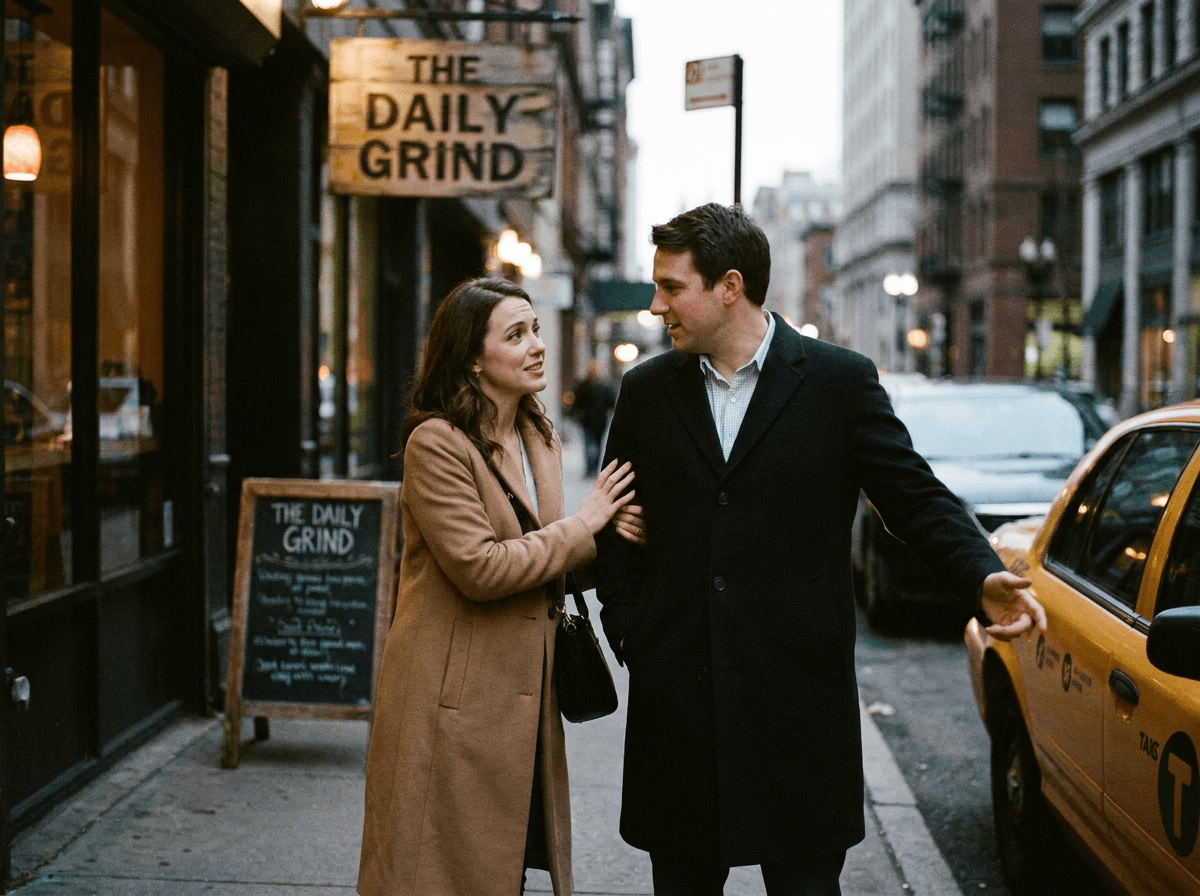
The second date is, in some ways, more revealing than the first. The first date operates under the particular pressure of complete newness. Two people meeting for the first time, establishing basic chemistry, figuring out whether there is enough to warrant another meeting. The second date already has that question answered. The pressure shifts from "do we like each other" to "what kind of connection are we actually building?" How you plan the second date reflects something about what you think is worth finding out.
Why the Second Date Matters More Than People Think
A second date is an opportunity that most people underuse.
The default approach, suggesting drinks again or a variation on the first date format, is understandable. It worked once. It is low-risk. And there is real value in creating the conditions for more conversation rather than trying to fill an elaborate plan with two people who still barely know each other.
But drinks again also misses something. The second date is the first chance to see each other in a slightly different context. To find out how the other person moves through the world rather than just how they talk about it. To create a shared experience rather than just a shared conversation. A second date that adds some dimension to what the first date established tends to be more memorable and more informative than one that simply repeats the formula.
The best second date ideas share a few characteristics. They are active enough to create shared experience but relaxed enough to allow for genuine conversation. They are specific enough to signal that some thought went into the plan. Without being so elaborate that they create pressure or make the other person feel over-committed before they know they are ready. And they give both people something to do other than simply talking at each other across a table.
What Makes a Second Date Actually Work
Before getting into specific ideas, it is worth understanding what makes a second date work structurally.
The first is variety. Not variety for its own sake, but variety that adds information. A second date that involves some kind of activity gives you data that a second drinks date does not. How does this person respond when something does not go as planned? Are they game for things that are slightly unfamiliar? Do they enjoy the same things they said they enjoyed when you talked about it over drinks?
The second is conversation opportunity. A second date plan that is so activity-dense that there is no room to actually talk is not a better version of drinks. It is a different failure mode. The activity should create natural pauses and transitions that make conversation easier and more organic rather than replacing it entirely.
The third is proportionality. A second date plan that involves elaborate logistics, significant expense, or a long time commitment signals an intensity of investment that may not match where both people actually are. The second date is still early. The plan should reflect that without being boring.
Second Date Ideas That Actually Deliver
Here are some second date formats that consistently work better than another round of drinks.
A food market or street food area is one of the better second date environments. Both people are moving, which takes the static pressure off the interaction. There are constant small decisions to make together. Low-stakes but revealing. And the food gives both people something to react to and talk about without having to generate all the conversation themselves.
A daytime date in a neighborhood neither person knows well can work very similarly. Walking through somewhere new, finding a coffee, stopping into whatever looks interesting. The unstructured nature of it creates a different kind of ease than a planned itinerary. And it is low-commitment enough that it can extend naturally if things are going well or wrap up gracefully if they are not.
A museum or gallery works well for couples with shared intellectual interests. Provided neither person treats it like a guided tour. The idea is to move through it together and react, not to demonstrate knowledge. The art or exhibitions give both people something to respond to in a low-stakes way.
A cooking class is slightly higher commitment in terms of logistics. But it produces a genuinely shared experience and, usually, a meal at the end of it. It is worth considering if the first date suggested both people are food-interested.
What to Avoid on a Second Date
A few second date formats consistently underperform despite their intuitive appeal.
Loud bars and clubs are a common second-date suggestion that rarely work as well as expected. Conversation is the primary way two people get to know each other in early dating. A venue that makes conversation nearly impossible tends to produce a fun evening that doesn't actually advance the connection.
Cinema is similarly problematic for a second date specifically. A film is fine later in dating when you already know each other and shared experience is the point. As a second date, it produces ninety minutes of parallel experience with no actual interaction. The conversation before and after rarely compensates for the extended silence in the middle.
Elaborate or expensive dinner on a second date signals a level of seriousness that may not match where both people are. It can create an obligation dynamic that makes the evening feel heavier than it needs to. The second date is better served by something that says "I thought about this and wanted it to be good." Rather than "I am already planning for this to go somewhere significant."
How to Suggest It Without Overthinking
The way you plan and suggest the second date matters almost as much as the date itself.
A vague invitation, like "We should do something sometime" or "Let me know when you're free," puts the planning burden on the other person and signals a lack of initiative. A specific invitation signals thought and interest without requiring an elaborate setup.
Something like: "I was thinking we could check out the food market on Saturday afternoon. There's supposed to be a good dumpling place there." is specific, low-pressure, and easy to respond to. It gives the other person enough information to say yes or to suggest an alternative. Without turning the second date into a negotiation.
The suggestion itself is also part of the date. A good second date idea, communicated with confidence, already tells the other person something interesting about you.
Conclusion
How you plan a second date is not just logistical. It reflects how you think about early dating and what you believe makes connection worthwhile. A second date that adds some dimension to what the first established, that creates shared experience and gives the connection room to develop, tends to be considerably more useful than another round of drinks. Not because drinks are bad, but because the second date is already past the point where drinks are enough.