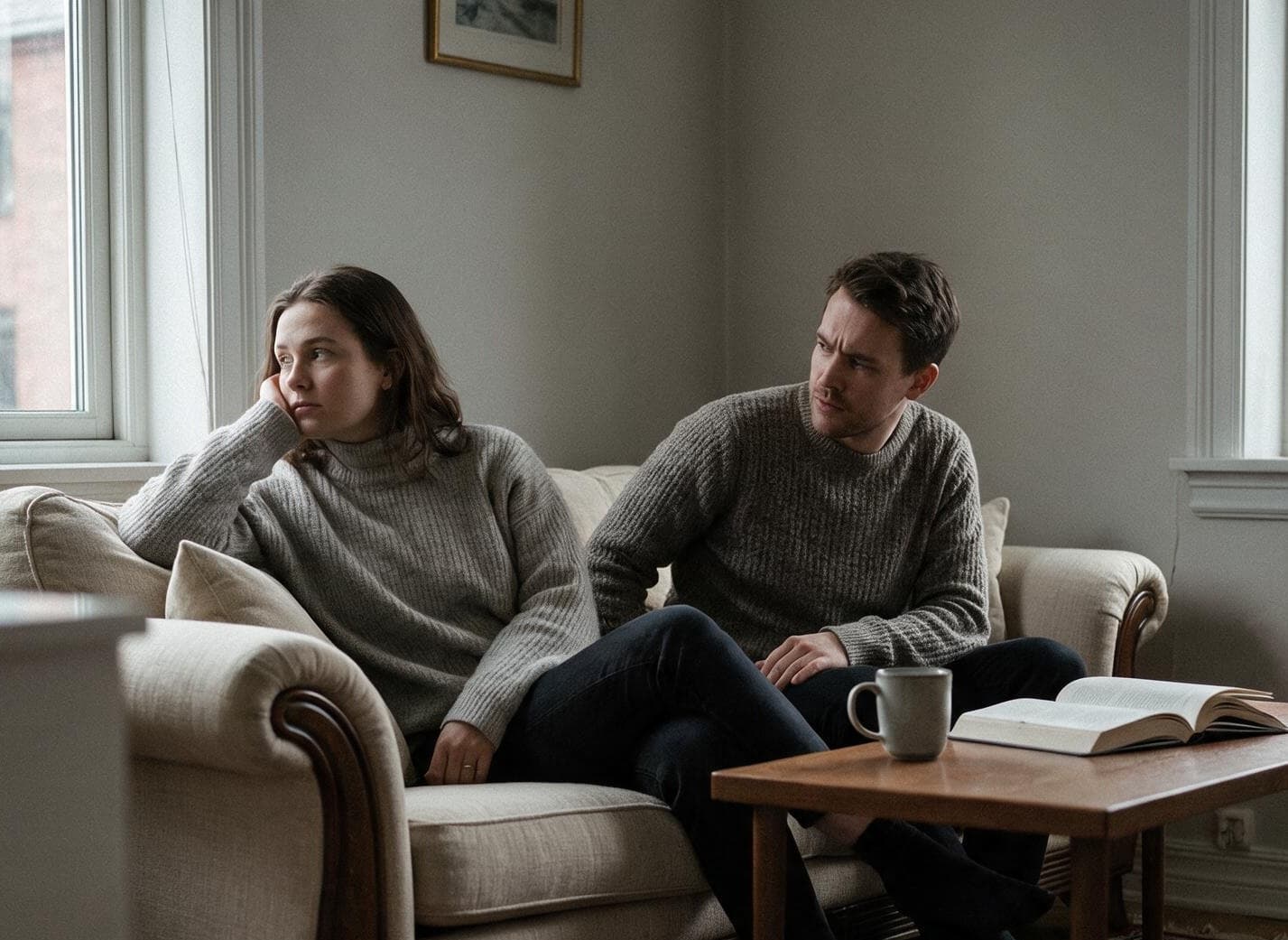
Hookup culture — the informal social norm that casual sexual encounters carry no relational obligations and should not be expected to lead anywhere — has dominated Western dating culture for roughly two decades. It shaped a generation's expectations around sex, connection, and vulnerability. It was cemented by the rise of dating apps, normalized on college campuses, and amplified by social attitudes that framed casual encounter as straightforwardly liberating. But something has been shifting. A growing share of younger daters, particularly women, are pushing back against hookup culture. Not from conservatism. But from a more specific disillusionment with what the culture actually delivers.
What Hookup Culture Promised and What It Delivered
Hookup culture sold itself on freedom. The promise was that casual sexual encounters could be pursued without the awkward weight of relational expectations. That both parties could simply enjoy the experience and move on, unburdened by feelings or obligations.
For some people, this works. Casual hookup experiences can be genuinely uncomplicated and satisfying. But the research consistently suggests that this is a minority experience. The majority of people, particularly women, tend to feel worse after casual encounters rather than better.
Studies from college environments show that women, more than men, tend to experience post-hookup regret at significantly higher rates. They also report lower self-worth and worse mental health outcomes associated with regular participation in hookup culture. Not as a result of having casual sex per se. But as a result of operating in a culture where the pretend indifference the hookup demands is at odds with the genuine desire for connection that many carry.
The emotional connection people suppress in hookup culture does not disappear. It simply goes unacknowledged. Which tends to make it harder to process, not easier.
Why Younger Daters Are Rejecting It
The backlash against hookup culture among younger people is not primarily moral. It is experiential.
A significant proportion of the generation that grew up with dating apps as their primary meeting infrastructure is now reporting exhaustion with the casual encounter model. The conversation that hookup culture promised to make unnecessary — the awkward discussion of what we actually want from this — turns out to be difficult to avoid without cost. Avoiding it carries its own price.
What younger daters report, across social media and in survey data, is a growing desire for serious relationships. And a growing frustration with a dating culture that makes expressing that desire feel embarrassing or needy. The expectations that hookup culture set — appear unbothered, avoid catching feelings, treat ghosting as a normal outcome — are increasingly experienced not as freedom. But as constraint.
Among women especially, there is a clearer conversation now about the specific costs that hookup culture imposes. The asymmetry in sexual satisfaction data, the higher rates of emotional cost reported by women. The way hookup culture normalizes sexual availability while offering little emotional acknowledgment in return. These are harder to dismiss now. All of these have become more visible, and more openly discussed, than they were a decade ago.
The Mental Health Dimension
The mental health case against hookup culture is building.
Research from multiple institutions has connected regular hookup participation with higher rates of depression, anxiety, and lower self-worth. Particularly among younger women and those who report feeling pressured into hookup scenarios rather than genuinely choosing them. The distinction between chosen casual sex and culturally pressured casual sex is important. The former can be a positive experience. The latter tends not to be.
The social media landscape that hookup culture shares with has also contributed to the mental health burden. The performance of unconcern — the requirement to appear unbothered by ghosting, to pretend that a sexual encounter carried no emotional weight when it did — is psychologically costly. Feelings suppressed for a culture's sake don't stop mattering. Feeling required to suppress genuine feelings in order to fit a cultural script is a form of self-abandonment that adds up over time.
What younger daters are increasingly naming is that hookup culture does not only affect discrete sexual encounters. It shapes the entire emotional context of dating. The expectations people bring to every interaction, the way vulnerability is treated as a weakness rather than as a genuine need. The difficulty of moving from casual to serious without one party having to violate the cultural norm by admitting that they want more.
What Is Replacing It
The backlash against hookup culture is not producing a return to traditional relationship norms. It is producing something more nuanced.
What a growing portion of younger daters seem to want is not necessarily rapid committed relationships — but honesty. The ability to have a conversation about what we actually want from this, without that conversation being read as a violation of the hookup culture script. The ability to acknowledge emotional connection when it exists. The ability to want love without performing indifference to it.
This shift is showing up in several ways. There is growing interest in what some researchers are calling intentional dating — approaches to meeting people that front-load the conversation about mutual expectations rather than deferring it indefinitely. Younger users of dating apps are reporting more interest in platform features that allow for clearer communication about relationship goals. Rather than leaving everything ambiguous.
There is also a broader cultural conversation, particularly among women, about whether hookup culture was ever as liberating as it was framed to be. Or whether it primarily served a set of interests that were not evenly distributed between genders.
What the Shift Tells Us
The backlash against hookup culture reveals something useful about what people actually want from dating.
Most people — particularly younger daters navigating serious relationship questions for the first time — want to be able to express genuine interest without fear of social penalty. They want emotional connection to be acknowledged rather than suppressed. They want the dating culture they move through to leave room for love, for vulnerability. And for the honest conversation about expectations that hookup culture has spent two decades making difficult.
This is not a conservative project. It is a human one. The generation pushing back against hookup culture is not asking for more restrictions. They are asking for more honesty. About what people want, what encounters mean, and what kind of connection is actually worth pursuing.
Conclusion
Hookup culture is not disappearing. But it is being renegotiated. The younger daters leading that renegotiation are not rejecting casual sex — they are rejecting the emotional inauthenticity that hookup culture too often demands. They want the freedom to want what they want, including committed relationships, without having to pretend otherwise. That is not backlash. That is clarity.