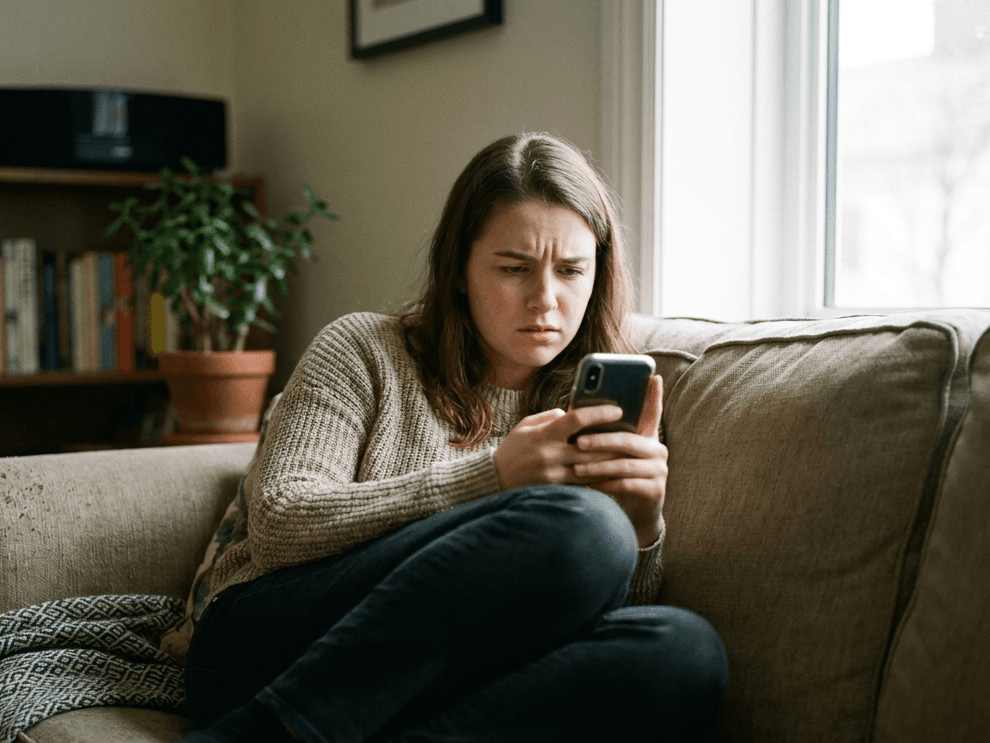
Ending a first date early is one of those social situations that most people handle badly. Either by staying longer than they should out of politeness, or by leaving abruptly in a way that is unkind. The specific discomfort of the situation is understandable. A first date carries implicit social expectations. A duration, a structure, an obligation to give the other person a fair hearing. When it becomes clear early that there is no spark, the person who wants to leave faces a small but genuinely awkward ethical question. How do you end the date with honesty and care, without stringing someone along or being unnecessarily harsh?
Why People Stay Longer Than They Should
The most common response to a first date with no spark is not leaving early. It is staying the full duration. Through an awkward dinner, through the pauses in conversation that neither person can quite fill. Through the dessert neither person particularly wanted. Out of a sense of obligation and good manners.
This impulse is understandable. Leaving early feels rude. The other person came, they made an effort, they are clearly interested or at least curious. Cutting the evening short feels like a verdict delivered before adequate evidence has been gathered. And so the date continues. Both people aware at some level that this is not going anywhere. Neither person willing to be the one to name it.
The problem with this approach is that it conflates politeness with genuine consideration. Staying significantly longer than you want to, while projecting an engagement you do not feel, is not kindness. It is a performance that the other person may read as positive interest. When none exists. This can produce a follow-up text conversation in which one person is clearly interested in another date. And the other is trying to decide how to let them down gently. An outcome that could have been avoided by a more honest ending to the first date.
The Case for Ending a First Date Early
Ending a first date early — when it is done with care and honesty — is, in most cases, the kinder option for both people.
For the person who wants to leave, it is obviously preferable to spending an evening in a restaurant going through social motions that feel hollow. But for the person being left, it is also more respectful than the alternative. A clear, early signal that the date is not going anywhere is information they can use. It allows both people to go home, process, and move on. Without the additional confusion of a prolonged date that sent ambiguous signals.
The key distinction is between ending the date early after a reasonable amount of time because there is genuinely no spark. And cutting it short after fifteen minutes because the person does not match their profile photo. The former is a legitimate dating decision. The latter is not giving the situation a fair chance. Most people's own experience of dating will tell them that first impressions — especially in the nervous context of a first date — are not always reliable.
The reasonable test is this: have you had enough conversation to know whether you are interested in more? If the answer is yes, and the answer to whether you are interested is no, then ending the date early is entirely appropriate.
How to End a First Date Early — Without Causing Unnecessary Hurt
The mechanics of ending a first date early are simpler than they tend to feel in the moment. The instinct is to construct an elaborate excuse — an early morning, a friend in need, a work emergency — because a direct statement feels harsh. But indirect exits tend to go wrong. They require maintaining a fiction.
The more effective approach is clear, brief, and kind. Something like: "I've really enjoyed talking with you, but I don't think I'm feeling a romantic connection. I didn't want to string the night out when I could be honest about it." That is all love for the situation requires.
This is not cruel. It is direct in a way that respects the other person's time and capacity to handle honest information like an adult. Most people appreciate it. Most people, on reflection, prefer a clear signal to an ambiguous evening that they then have to interpret.
What helps is the framing. "I'm not feeling it" — delivered flatly — is different from an acknowledgment that the person in front of you came here in good faith. That you appreciate the effort. And that the honest thing is to say, without excessive drama, that this is not going further. The tone matters. The brevity matters. The absence of a lengthy explanation matters. The other person does not need a detailed account of what was missing. They need a clear signal and a respectful close.
What to Say and What Not to Say
There are a few things that make the ending of a first date graceful rather than awkward, and a few that make it worse.
What tends to work: brevity, warmth, and clarity. "I've really liked meeting you, but I don't think we're a romantic match" — said simply, without excessive apology — gives the other person everything they need. And nothing they do not.
What tends not to work: false hope. Saying "let's talk later in the week" when you have no intention of doing so is not kind. It delays the other person's processing of the outcome and prolongs the ambiguity. If you decide at the end of the date that you are not interested, say so. Rather than letting the follow-up text conversation be the place you communicate it indirectly through non-response.
Similarly, lengthy explanations of what did not work tend to land badly. The other person did not come on a first date to receive a critique. A brief, clear statement of non-interest is more respectful than a detailed account of what was missing. And it is more honest than a vague "I'll think about it" that neither person believes.
It also helps to decide before you go how you plan to handle the bill. Offering to split is almost always the right call when ending a date early. Allowing the other person to pay for a dinner that you spent deciding you were not interested is not a good outcome for anyone.
After the Date: The Follow-Up
The end of the first date is not always the end of the conversation. If you did not clearly communicate during the date that you are not interested — if the evening ended ambiguously — the follow-up is where clarity needs to arrive. Do not go silent.
A follow-up message that says "I had a nice time but I don't think we're a romantic match" is genuinely kind. It is direct, it is clear, and it gives the other person the information they need to move on. It is also considerably less unkind than going silent and leaving the other person to infer that the date did not go well.
The instinct to avoid this conversation — to go quiet rather than send a message that feels awkward — is common and understandable. But from the other person's perspective, a clear message is almost always preferable to the ambiguity of silence.
Conclusion
Ending a first date early is not rude when it is done with care and honesty. What is rude is staying longer than you want to, performing an interest you do not feel. And creating ambiguity that the other person then has to decode. Dating works better for everyone when people are willing to be direct. With warmth, without cruelty. And without the misplaced politeness that keeps both people at the table long after the conversation has run its course.