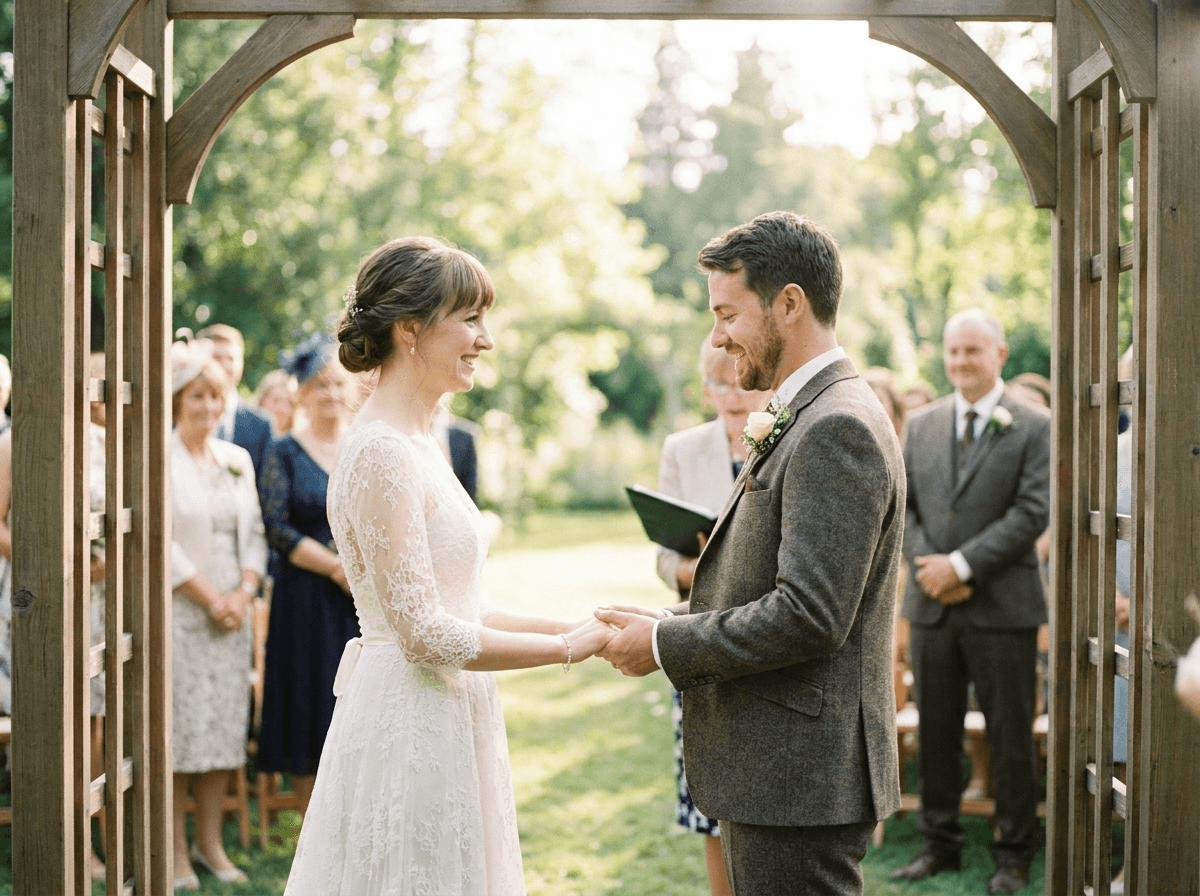
Second marriages carry a paradox. The divorce rate for second marriages is higher than for first marriages. A fact that gets cited often and understood less often. What it reflects is not that people who remarry are worse at relationships. It is that they enter second marriages with more complexity. Children, financial history, established identities, and the specific lessons of a marriage that did not work. What makes second marriages succeed is not simply experience. It is what people choose to do differently with that experience. The couples who build good second marriages tend to do so not by trying harder. But by approaching the undertaking more honestly and with considerably more self-knowledge than they brought to the first time.
What People Know the Second Time That They Did Not Know the First
The most significant difference between a first marriage and second marriages is not age or maturity in the abstract. It is the specific, hard-won knowledge that a failed marriage tends to produce.
People who have been through a divorce typically know, in concrete terms, what went wrong. Even if their understanding has evolved over time from blaming the other person to recognizing their own contribution. They know what a marriage that is in trouble feels like from the inside. They know the specific patterns — avoidance, criticism, disconnection, unresolved conflict — that they are capable of. And that they need to actively manage.
This self-knowledge is the most valuable asset people bring to second marriages. It is also the most underutilized. The person who understands their role in a first marriage's difficulties but does not actively work to address those patterns tends to replicate them. Before entering a second marriage. Self-knowledge without behavioral change is not enough.
The second marriage that benefits from the experience of the first tends to be one where both people have done genuine work. Not simply accumulated time. Between the first and second marriage.
What People Tend to Do Differently in Second Marriages
Several patterns consistently distinguish second marriages that work from those that replicate the difficulties of the first.
The first is more explicit communication about expectations. People entering second marriages tend to have clearer views about what they want and what they will not accept. And they tend to be more willing to express those views early rather than assuming compatibility and discovering incompatibility later. The difficult conversations about finances, parenting, division of household responsibility, and long-term life goals tend to happen earlier and more explicitly in second marriages. Than in first ones.
The second is greater realism about the nature of marriage itself. First marriages frequently carry idealized expectations. That the relationship will feel the way early love feels indefinitely, that compatibility means the absence of conflict, that a good marriage is one in which both people are naturally well-suited without deliberate effort. People who have been through divorce tend to carry fewer of these illusions. They know that marriage requires sustained work and that the quality of a relationship reflects the quality of both people's ongoing investment in it.
The third is a different approach to conflict. Couples in second marriages who have reflected genuinely on what went wrong in the first tend to approach conflict with more skill and less avoidance. They are less likely to let disagreements accumulate unaddressed — because they know, from experience, what accumulated unaddressed conflict produces.
The fourth is a more deliberate choice of partner. People who have been through a failed marriage tend to know more specifically what they are looking for and what has not worked for them. This does not guarantee better choices. But it tends to produce a more eyes-open approach to partner selection.
The Specific Challenges Second Marriages Face
Second marriages also come with specific challenges that first marriages typically do not — and acknowledging these honestly is part of what allows couples in second marriages to manage them.
The most significant is the presence of children from previous relationships. Blending families is one of the most consistently difficult challenges in remarriage. It involves not only the adjustment of children to a new family structure but the ongoing involvement of former spouses as co-parents. The complex loyalties that children experience. And the specific challenge of step-parenting — which requires enormous patience and a long timeline. Research on stepfamily dynamics consistently shows that meaningful integration takes years, not months.
Financial complexity is another. Second marriages often involve two people with separate financial histories, existing financial obligations, different financial habits. And different relationships to money that were partly shaped by the first marriage. Explicit, early, detailed conversations about financial arrangements — and often formal legal agreements about them — are far more common in second marriages. Than first ones. This is not unromantic. It is realistic.
The shadow of the first marriage can also create specific difficulties. Comparisons — conscious and unconscious — between the current partner and a former spouse can introduce unfair expectations or unfair resentments. The person who has been hurt in a previous marriage may bring defensive patterns that protect against a repetition of old pain. While preventing the genuine vulnerability that a new marriage requires.
What Remarriage Research Actually Shows
The research on second marriages is more nuanced than the headline divorce rate suggests.
While second marriages do end in divorce at a higher rate than first marriages overall, this average conceals significant variation. Second marriages that begin later in life, in which both partners have children, tend to have different dynamics. From second marriages between younger people without children. And the research consistently shows that the quality of a second marriage — the reported satisfaction, emotional closeness, and sense of partnership — is often higher than in first marriages. Even among couples who ultimately divorce.
Part of this reflects selection. People who remarry have chosen to do so after a significant negative experience. They tend to be choosing marriage more deliberately, with more self-knowledge, and with clearer expectations. When second marriages work, they often work better than first marriages precisely because the people in them have a more honest and less idealized relationship with what marriage is and requires.
What the research also shows is that second marriages that succeed tend to invest heavily in the things that first marriages often take for granted. Explicit communication, regular check-ins about the state of the relationship, willingness to seek help early when difficulties arise. And sustained attention to the quality of the couple relationship even amid the complexity that blended families and previous commitments introduce.
Conclusion
Second marriages are not automatically better than first marriages. They are not automatically worse. They are different — more complex, more informed, and more deliberately undertaken when they work well.
What people do differently the second time around, when they do it well, is not simply avoid the mistakes of the first marriage. They develop genuine self-knowledge about their own patterns and work to change them. They choose partners with more specific clarity about what they are looking for. They communicate more explicitly and earlier about the things that matter. And they enter the marriage with a more realistic and more honest understanding of what marriage requires. Which is, ultimately, a more solid foundation than the idealized expectations that most first marriages begin with.