
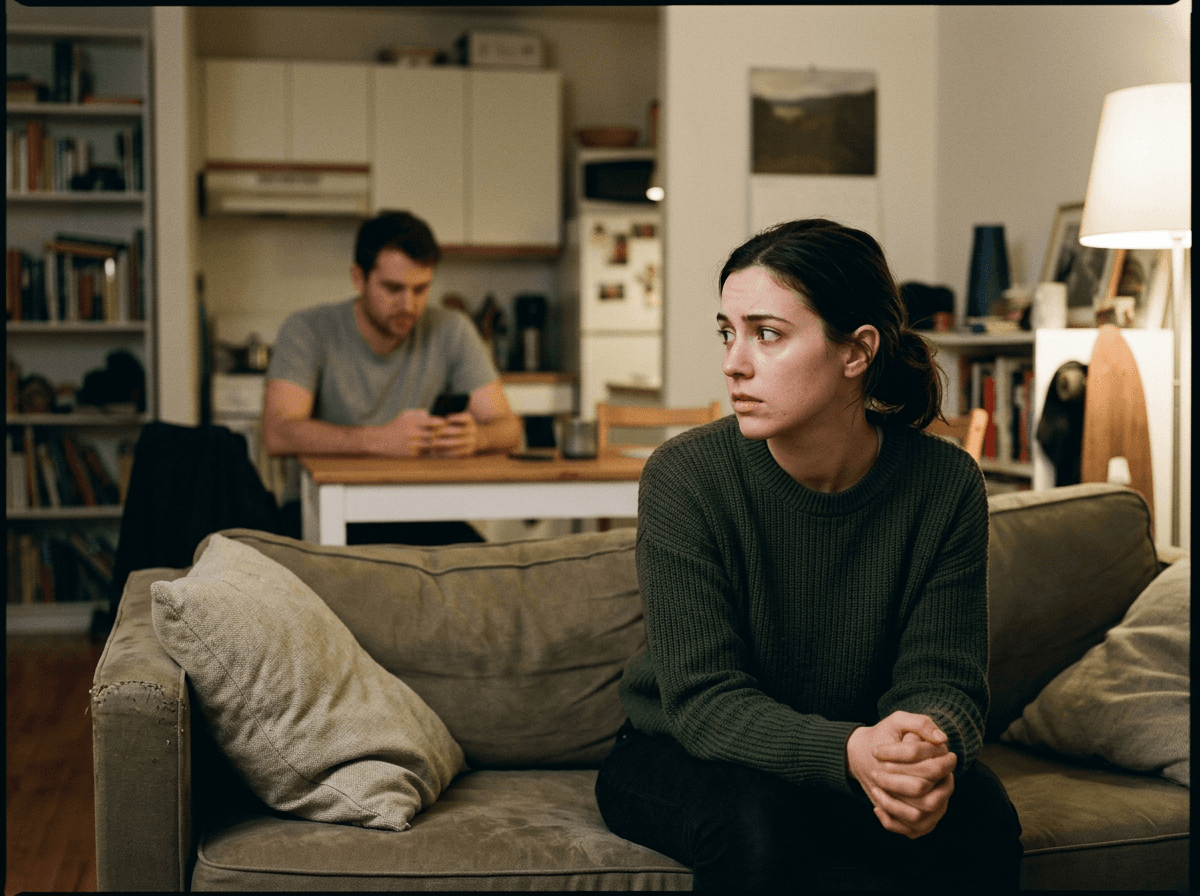
Hypervigilance in love is often invisible at first, but it shapes how a person experiences closeness, trust, and emotional safety in relationships. It can look like overthinking, constant doubt, or emotional scanning for signs of rejection. On the surface, it may seem like care or awareness. In reality, it is often rooted in past trauma and unresolved anxiety.
When someone develops hypervigilance in love, their nervous system stays on alert even in safe relationships. Instead of feeling secure, they remain on guard. This state affects communication, intimacy, and emotional connection.
Understanding hypervigilance in love is essential for building healthier relationships. It helps explain why trust becomes difficult and why emotional safety feels fragile. Most importantly, it shows that healing is possible.
Hypervigilance in Love and Why It Begins in Relationships
Hypervigilance in love often develops after painful experiences in the past. These experiences may include betrayal, abandonment, emotional neglect, or inconsistent care. Over time, the mind learns to expect threat even when none exists.
In relationships, hypervigilance in love shows up as constant scanning for danger. A delayed reply, a change in tone, or small shifts in behavior can feel like a threat. The mind interprets uncertainty as risk. This state is not intentional. It is a survival response shaped by trauma. The nervous system becomes trained to stay alert to emotional danger.
As a result, relationships become emotionally intense. Even calm moments may feel unstable. The person may feel like they are always waiting for something to go wrong. Hypervigilance in love creates a cycle of anxiety. The more a person scans for threat, the more threats they believe they see.
How Hypervigilance Affects Trust and Emotional Safety
Hypervigilance in relationships directly impacts trust. When someone is constantly expecting a threat, it becomes difficult to believe in stability. Even consistent reassurance may not fully calm anxiety.
In hypervigilance in relationships, trust becomes fragile. A partner’s neutral behavior may be misinterpreted as rejection. This leads to emotional confusion and tension.
Read also: Why Trauma Bonding Feels So Much Like Love
The brain begins to prioritize protection over connection. Instead of experiencing closeness, the person focuses on possible danger. This reduces emotional safety within relationships.
Hypervigilance in relationships also affects communication. Conversations may feel loaded with hidden meaning. Small misunderstandings can escalate quickly due to heightened sensitivity.
Over time, this creates distance between partners. One person seeks reassurance while the other may feel misunderstood or overwhelmed. Emotional exhaustion becomes common.
Trust issues often grow silently in this environment. The person experiencing hypervigilance in relationships may feel constantly unsure, even when their partner is supportive.
The Role of Past Trauma
Past trauma is one of the main causes of hypervigilance in relationships. When someone has experienced emotional pain, their brain learns to anticipate similar outcomes in the future.
This does not require repeated trauma. Even a single painful experience can shape long-term patterns. The nervous system remembers emotional threat as a survival signal.
Hypervigilance in relationships is the result of this learned response. The mind stays alert to avoid repeating past pain.
Read also: Relationship Trauma and How to Rebuild Trust
Triggers play a key role in this process. A trigger can be anything that resembles a past emotional threat. It might be silence, distance, or changes in affection.
When triggers appear, anxiety increases quickly. The body reacts as if a real threat is present. This reaction feels automatic and difficult to control.
Trauma keeps the nervous system in a heightened state. This makes relaxation in relationships more difficult. Even safe situations can feel uncertain.
Hypervigilance in Relationships and the Cycle of Anxiety
Hypervigilance in relationships creates a repeating cycle of anxiety. It often begins with uncertainty, which leads to scanning for signs of threat.
This scanning increases awareness of small details. The person may overanalyze tone, messages, or behavior. This reinforces anxiety.
As anxiety grows, emotional reactions become stronger. The person may seek reassurance or withdraw emotionally. Both responses affect relationships.
The partner may feel confused or pressured. This can create distance, which reinforces fears of abandonment or rejection.
Read also: Is Compatibility Discovered or Created in a Relationship?
Hypervigilance in relationships then increases again. The cycle repeats, becoming more intense over time.
This pattern can damage emotional connection. Instead of experiencing love, the person experiences ongoing uncertainty.
Living in this cycle is exhausting. Emotional exhaustion becomes a constant background state.
Why Hypervigilance Feels Like Protection but Harms Trust
At first, hypervigilance in relationships may feel like protection. It seems like staying alert prevents emotional harm. However, this protection comes at a cost. Constant scanning for threat keeps the mind in a state of anxiety. It prevents full relaxation in relationships. Emotional safety becomes difficult to experience.
Trust requires openness. Hypervigilance in relationships limits this openness by keeping emotional defenses active. Over time, this creates distance between partners. Even in love, the person may struggle to feel secure. The body remains in a state of readiness. It reacts as if something bad might happen at any moment. This prevents deep emotional intimacy. Instead of closeness, there is hesitation and doubt.
How Hypervigilance Affects Communication and Connection
Communication becomes complicated in hypervigilance in relationships. Words may be interpreted through the lens of fear. This leads to misunderstandings. A neutral comment can feel like criticism. A short message can feel like rejection. This distortion increases anxiety.
As communication breaks down, relationships become harder to navigate. Partners may struggle to understand each other’s emotional needs. The person experiencing hypervigilance may feel like they are always trying to decode hidden meaning. This constant effort increases stress.
Read also: Prenups as a Conversation About Values, Not Distrust
Mindfulness can help reduce this pattern. It encourages awareness of thoughts without immediate reaction. This creates space between trigger and response. However, without awareness, hypervigilance in relationships continues to shape communication in negative ways.
Coping With Hypervigilance in Relationships and Rebuilding Trust
Coping with hypervigilance in relationships requires patience and self-awareness. The first step is recognizing the pattern. Awareness reduces its automatic power. It is important to understand that hypervigilance is not a personal flaw. It is a response shaped by past trauma. This understanding reduces self-blame.
Grounding techniques can help regulate anxiety. Focusing on the present moment allows the nervous system to calm down. This reduces emotional intensity in relationships. Building trust takes time. Small consistent experiences of safety help rewire emotional responses. Over time, the brain learns that not every situation is a threat.
Open communication with a partner is also important. Expressing emotional needs clearly can reduce misunderstandings. Therapeutic support may be helpful in deeper cases. Healing trauma patterns requires time and structured guidance. The goal is not to eliminate sensitivity but to reduce constant scanning for threat. This allows relationships to feel safer and more stable.
Rebuilding Emotional Safety in Relationships
Emotional safety is essential for healthy relationships. Without it, trust becomes difficult to maintain. Hypervigilance in relationships disrupts emotional safety by keeping the nervous system alert. Rebuilding safety requires consistent positive experiences.
Over time, the brain can learn new patterns. Safe relationships help replace fear-based responses with trust. This process involves patience from both partners. One partner must work on reducing hypervigilance. The other must provide consistent reassurance.
Relationships improve when both individuals understand the cycle. Awareness reduces blame and increases cooperation. As trust grows, anxiety decreases. Emotional connection becomes easier to maintain.
Conclusion
Hypervigilance in love is a powerful emotional response rooted in past trauma. It shapes how individuals experience trust, safety, and closeness in relationships. While it may feel protective, hypervigilance in love often creates anxiety and emotional distance. It disrupts communication and weakens trust over time.
Understanding hypervigilance in love is the first step toward change. With awareness, support, and healing, it is possible to break the cycle. Healthy relationships are built on emotional safety, not constant scanning for threat. When the nervous system learns that love can be stable, trust becomes possible again.
These articles are for information only. They are not a substitute for consulting a psychologist, psychotherapist or other qualified specialist.