

Have you ever stepped away from a conversation with someone you love? Not following a shouting match. Not because of name-calling or cutting remarks, but due to something far quieter — a silence so cold.
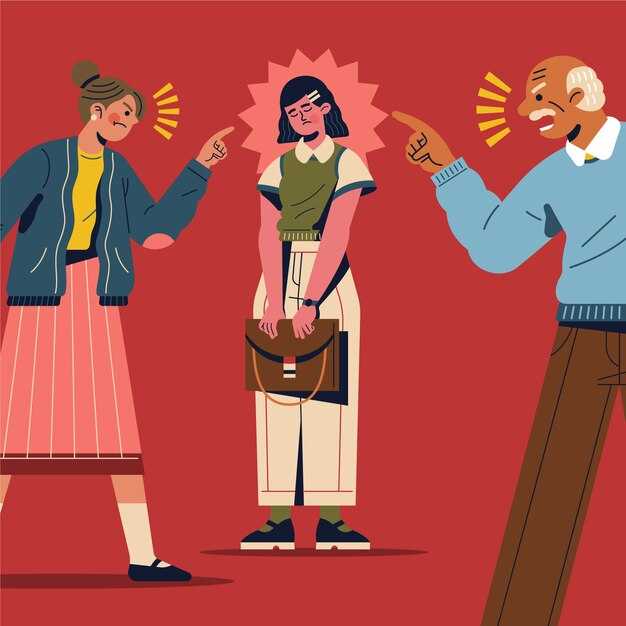
It’s so quiet that sometimes it almost goes unnoticed. Yet the weight it leaves on your chest lingers for hours, maybe days. It’s that empty look, the distant stare when you’re trying to share something important. It’s the way they shrug off your feelings or treat your words as if they meant nothing. No shouting, no slammed doors — just silence, withdrawal, emotional distance that cuts more deeply than any loud fight. That is the hidden sting of disrespect coming from a dismissive‑avoidant partner. And the painful truth is they will rarely acknowledge it. For them, pulling away feels natural and safe. For you, left in the hush, it feels like rejection — abandonment unfolding slowly. What makes it so bewildering is that there’s no explosion, no obvious act of cruelty. You begin to doubt yourself. Am I too sensitive? Did I do something wrong? Should I toughen up? That spiraling doubt is exactly how this kind of disrespect works: it’s invisible to everyone but you. But know this — what you’re feeling is real. It’s not imagined, and it doesn’t mean you’re too much. It’s the quiet, corrosive way a dismissive‑avoidant person communicates: your emotions become a burden, your needs get sidelined, and over time that message doesn’t just sting, it chips away at your self‑worth. This message pulls back the curtain on the subtle forms of disrespect you may be living with without even recognizing them. So what’s actually happening? Why does someone who claims to care pull away the instant you reach for closeness? Welcome to the dynamics of the dismissive‑avoidant attachment style. They aren’t cartoon villains scheming to hurt; many don’t even perceive the harm they do. What they’re doing is protecting themselves — avoiding intimacy, vulnerability and feelings that feel overwhelming or threatening. Often, the roots lie in childhood: showing emotion may have been punished, ignored or mocked. When they cried, nobody came; when they needed comfort, they were met with indifference. In response, they constructed a fortress of self‑reliance: If I don’t need anyone, I can’t be hurt. If I don’t get close, I can’t be abandoned. That fortress can persist into adulthood. Silence feels secure. Withdrawal feels normal. Emotional detachment feels like protection. But here’s the painful reality: what feels safe to them feels like disrespect to you. Imagine offering your heart like a fragile present and having it dropped — not with fury, but with indifference. They may think they’re keeping peace, avoiding drama. You feel erased. That pattern is classic dismissive‑avoidant behavior. They often present as composed, fiercely independent, calm and rational — the “cool” partner. But that exterior often conceals a strategy: avoid closeness at all costs. And what hurts most is that they seldom frame it as disrespect; they call it “space,” “boundaries,” or not being “dramatic.” The lived experience for you is very different. When someone in love refuses to meet you emotionally and minimizes your need for connection, it’s not just distance — it’s dismissal, neglect, a quiet message that says, “Your feelings don’t matter here.” Understanding this pattern explains behavior, but it does not excuse it. Childhood wounds may clarify why someone acts this way, but explanation is not permission. If the silence cuts deeper than any argument, if the nonresponse weighs more heavily than any fight, it’s because you are loving someone who learned to survive by withholding love. That explanation can offer clarity, but it never justifies the disrespect you feel in your bones. Now, let’s be specific about how this plays out in daily life. Their disrespect rarely arrives with a dramatic flourish; it slips in almost imperceptibly until one day you wake up and realize it has been your everyday reality for years. First: emotional neglect. This goes beyond a lack of affection — it’s a refusal to acknowledge you. You pour out your pain or celebrate something joyful and receive a flat “hm” or no response at all. Your words feel like they dissolve into a void. That teaches a dangerous lesson: my feelings don’t matter. Slowly, you begin to shut down. You stop sharing. You stop reaching. That is neglect, not love. Second: the disappearing act. When emotions heat up — during conflict, a vulnerable conversation, or even a simple talk about the relationship — they vanish. Sometimes emotionally, sometimes physically; they become distant, suddenly “too busy,” or otherwise unavailable. The implicit message is clear: you’re not worth my time when things get uncomfortable. That kind of retreat stings far more than a fight, because rather than working to preserve the relationship, they leave you to carry the emotional burden alone. Third: passive aggression. They may not yell, but the disrespect leaks through in subtle digs — an eye roll, a sarcastic remark, a patronizing tone that makes you feel small. They might joke about your emotions, disguising cruelty as humor. Humor that invalidates is not humor; it’s another form of dismissal that trains you to doubt yourself: am I overreacting? Am I too sensitive? That doubt is precisely what keeps you stuck. Fourth: minimizing your pain. This one cuts the deepest. You say you feel lonely or hurt by their withdrawal, and the response is, “You’re overthinking it” or “It’s not a big deal.” In that moment, your reality is denied. They aren’t merely ignoring your feelings — they’re dismissing your truth. Repeated often enough, this erodes confidence and teaches you to mistrust your emotions. That’s not just disrespect — it’s emotional harm. None of these behaviors are random — they’re survival strategies learned long ago. Still, defense mechanisms don’t make the harm acceptable. Love without respect is not love; it’s a slow wearing down of your sense of self. Naming these patterns is the first move toward reclaiming power. Why do they pull away when things get close? Fear of intimacy is usually at the center. Dismissive‑avoidant people didn’t choose coldness overnight; they were shaped by experiences that taught them vulnerability is unsafe. A child whose tears were ignored, whose excitement or sadness was shamed or dismissed, learns early that feelings are dangerous and support is unreliable. The message becomes: I can only rely on myself. They adapt by building walls, prioritizing safety and independence. As adults, their nervous system still reads closeness as threat: if I let you in, you will hurt me. So withdrawal, minimization and mocking become automatic defenses — not because they hate you, but because intimacy feels unbearable. From an outsider’s perspective, their behavior can sound reasonable: “I just need space,” “You’re too emotional.” But for the person who cares, those phrases land as rejection. Empathy for their history is useful, but it should never become an excuse for mistreatment. Explaining the origin of behavior clarifies it, but doesn’t give permission to tolerate it. Patience must never equal self‑abandonment. Compassion for their pain does not obligate you to sacrifice your own well‑being. Now, a turn toward how this affects you. The consequences of this quiet disrespect can be devastating because it acts slowly and subtly, reshaping how you see yourself. At first it’s easy to rationalize: maybe they needed space, maybe you’re being dramatic. Over time, those small wounds accumulate until you’re bleeding emotionally without fully understanding why. One of the earliest consequences is self‑doubt: you begin to question your perceptions and feelings, wondering if your needs are “too much.” That isn’t inherent insecurity; it’s the result of absorbing constant minimization. Then comes self‑silencing: after repeated dismissal, you stop sharing and stop expressing needs because you learn it makes no difference. The relationship becomes quieter not from peace, but because your voice has been muted. Another painful outcome is loneliness within the relationship — a particular ache that is different from being alone. Feeling lonely while lying next to someone you love is corrosive because it proves, day after day, that your emotional needs are invisible to the person who should notice them most. The most damaging consequence can be erosion of self‑worth: the steady message My feelings don’t matter morphs into My needs are too much, I am too much. Believing that leads to accepting crumbs, tolerating neglect and shrinking to keep the peace. Hear this clearly: you are not too sensitive, too needy, or asking for too much. Wanting love, acknowledgement and emotional presence are the minimum requirements of a healthy relationship. The tragedy is that a dismissive‑avoidant partner can make you feel like your humanity is a burden. That is false. Their fear, not your worth, is the problem. Their behavior leaves real scars, but it does not make you unworthy of love. It only shows that their fear of closeness currently outweighs their capacity to love you properly. So what can you do? How do you protect yourself without getting trapped in the same painful pattern? While behavior can’t be controlled from the outside, response can. Your choices matter, and they change everything. First: stop chasing validation. The instinct when you feel dismissed is to explain, to plead, to push for acknowledgment. That chase often suffocates a dismissive‑avoidant person and prompts further withdrawal. The harder you reach, the farther they retreat. The healthier move is to step back — not as punishment, but to preserve your dignity. When you stop begging for the bare minimum, you reclaim self‑respect. Second: name the behavior. There’s no need for accusation or drama, but be clear and specific. A calm statement such as, “When you ignore me while I’m upset, I feel dismissed,” draws a boundary. This isn’t about instantly changing them; it’s about making the impact visible and disrupting avoidance, which thrives on silence. Third: redirect your energy toward yourself. In these cycles it’s easy to make your emotional life revolve around their approval. Healing begins when attention returns to personal well‑being: friendships, passions, goals, self‑care. Build a life so rich that their silence no longer defines you. This strengthens confidence and breaks the dynamic where they hold disproportionate power. Fourth: spot red flags early. If a new partner consistently withdraws, minimizes feelings or avoids emotional conversations, don’t ignore it. Chemistry can’t compensate for ongoing neglect. Recognizing the pattern early can prevent years of pain. Finally, hold fast to this principle: respect is non‑negotiable. It shouldn’t be something to earn, beg for or prove. Respect is the foundation of love. So when asking what to do, the answer is straightforward and powerful: stop chasing, start naming, invest in yourself and don’t overlook red flags. That is how to begin breaking the cycle and reclaiming strength. This is the turning point where the story changes. Up until now, power may have felt lost beneath their silence and withdrawal. But there is more power than it seems. Remember: their behavior reflects fear, not your value. For a dismissive‑avoidant person, closeness feels dangerous and vulnerability appears threatening. You didn’t become unlovable — you are being offered less than you deserve. Change the question from What’s wrong with me? to Why am I accepting less than I deserve? One question keeps you small; the other restores power. Respect is love in action. If someone cannot meet you with respect, what they offer isn’t love — it’s fear masked as distance. Stand steady. There’s no need to argue endlessly, prove worth, or constantly explain yourself. Calmly, firmly refuse disrespect. Protect your peace. In doing so, the dynamic shifts not through controlling them, but through reclaiming yourself. Dismissive‑avoidant partners may be accustomed to partners who bend, apologize, and overcompensate to keep connection alive. When that pattern ends — when chasing stops and self‑choice begins — everything changes. And here’s the liberating truth: whether they change or not is beside the point. Either way, you win. If they choose to meet you with respect, the relationship can heal. If they don’t, you have protected your heart from further erosion. That is strength. That is dignity. That is love directed inward. Let this settle: their silence might feel safe to them, but your heart deserves a love that feels safe to you. Cling to that truth and stop shrinking — begin to rise. You are not invisible. Your feelings are not a burden. Your needs are not excessive. Wanting closeness and love is not weakness; it is human. The dismissive‑avoidant in your life may never voice these truths to you, but know this: you deserve to be seen, heard and cherished. Whether or not they change does not end your story. Your power is not in fixing them; it is in honoring yourself and refusing to accept anything less than respect. Respect undergirds safety, connection and a future. If this message resonates, let it be a reminder: you do not have to beg for what should be freely given. You do not have to minimize yourself to be loved. You are worthy, as you are, of a love that feels mutual, warm and safe — and the right person will never make you question that.