Before a single word of your profile has been read, your photos have already done most of the work. On dating apps, visual information arrives first — and it arrives fast. Research on online dating consistently shows that profile photos account for the majority of the initial swipe decision. Often made in under a second. Understanding what photos signal to potential matches — beyond simple attractiveness — is one of the most practical investments anyone can make in their online dating profile.
First Impressions Happen in Milliseconds
The speed of visual processing is not a quirk of dating apps. It is a feature of human cognition. The brain processes faces and bodies through dedicated neural systems that operate faster than conscious thought. By the time a potential match has consciously registered your first photo, they have already formed an initial impression. One that is disproportionately difficult to revise.
This means that the ordering of photos in a dating profile matters enormously. The first image does not need to be the most attractive. It needs to be the most legible — a clear, direct representation of what you look like in person. Potential matches who feel misled by a profile photo tend to lose trust quickly and swipe away. Accuracy creates a foundation. Flattery without accuracy undermines it.
Eye contact is one of the most powerful visual signals available in profile photos. Pictures in which the subject looks directly at the camera produce significantly higher engagement. Than those in which they look away. Direct eye contact activates the brain's social attention system. It produces a felt sense of contact — of being looked at rather than observed. Don't underestimate this. It is one of the clearest differentiators between photos that engage and photos that don't.
What Facial Expression Signals
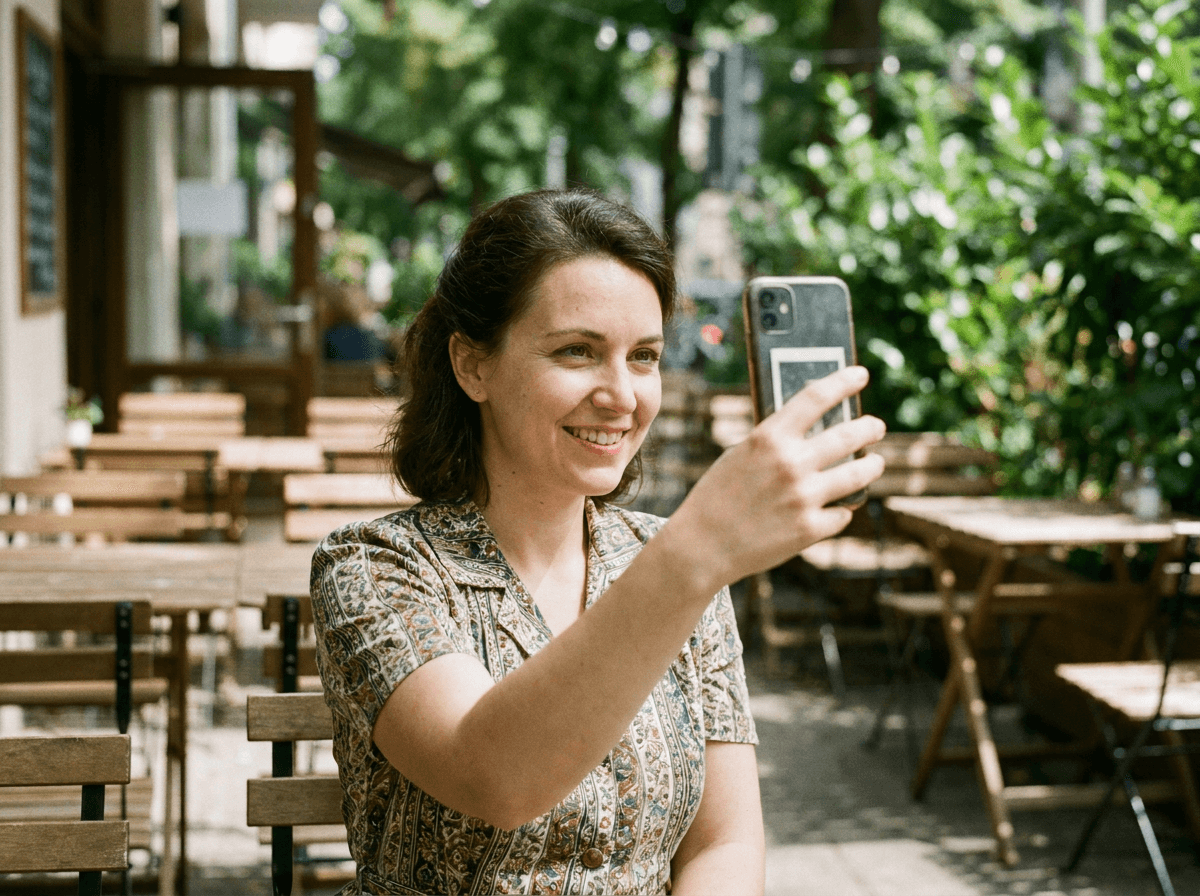
Smiling in profile photos increases match rates — but not all smiles do so equally. Research on facial expression and attractiveness consistently finds that genuine smiles produce significantly more positive responses than performed ones. Duchenne smiles, which involve the eyes as well as the mouth, outperform smiles that involve only the lower face.
The distinction matters because people are surprisingly good at detecting genuineness in facial expression. Even in still photographs. A posed smile that does not reach the eyes registers as performance rather than warmth. Photos taken in genuine moments of enjoyment tend to communicate good energy. Rather than photos posed for the camera.
Neutral or serious expressions in profile photos are not inherently problematic. In certain contexts — a high-quality environmental photo, a picture that emphasizes the setting or activity — a more serious expression can work well. The issue arises when all profile photos show the same flat, slightly anxious expression. The default most people produce when asked to smile. Variety in expression, across a set of pictures, signals a person rather than a presentation.
Context Photos: What the Background Communicates
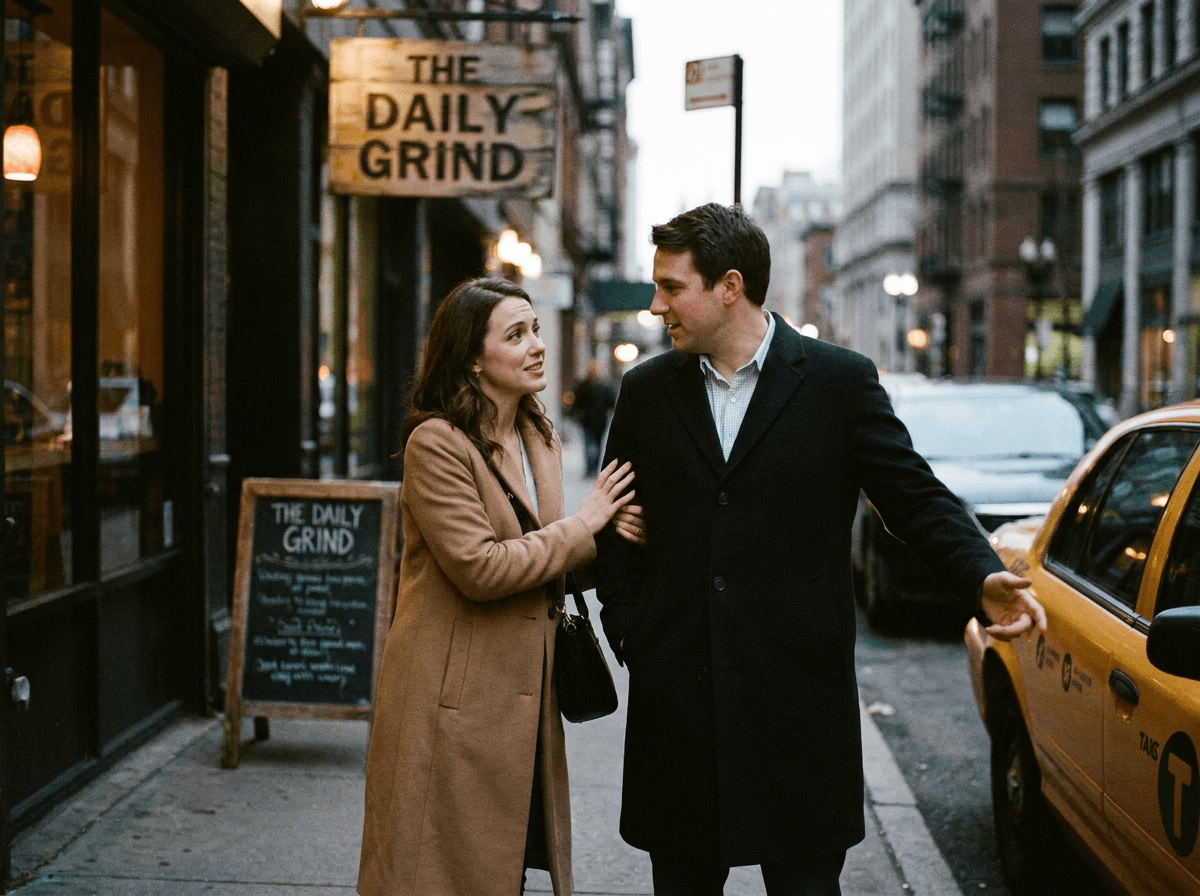
Beyond faces, the backgrounds and contexts of dating app photos communicate significant social information. Potential matches read this information even when they don't consciously realise it. This communication is often unintentional. But it happens regardless of intent.
Photos taken in interesting environments signal a person who lives an interesting life. Photos taken exclusively in the same domestic setting — same wall, same lighting, same angle — signal someone who has not thought carefully about what their profile communicates.
Activity photos serve several functions simultaneously. They show what a person looks like in motion — different from posed pictures. They signal interests and lifestyle. And they provide natural conversation starting points for potential matches. Something specific to engage with. A photo at a climbing wall, on a hiking trail, or at a music event is not just a photo — it is an invitation.
Do include at least one photo that shows your full body. Profiles that consist entirely of close-up face shots create doubt in the minds of potential matches. They naturally wonder what is being omitted. The doubt reduces swipe rates even when the face photos are excellent.
Group Photos: The Identification Problem
Group photos are common in dating profiles and consistently problematic. If a potential match cannot immediately tell which person is you, the photo works against you.
The second issue is comparative evaluation. Potential matches inevitably compare you to the others in the image. This comparison is not always disadvantageous — but it is rarely controllable. The social context a group photo provides has value. But that value diminishes when the identification challenge requires effort.
If you include group photos in your profile, the practical rules are simple. Make sure you are immediately and unambiguously identifiable. Avoid being the least visually prominent person in the group. And don't rely on group photos to show what you look like — include clear solo shots that do that work directly.
What Professional Photos Actually Signal
A growing number of people on dating apps use professionally taken photos, and the question of whether this is beneficial has a complicated answer.
Professional photos signal effort and investment in the dating process. They tend to be better lit, better composed, and more flattering than phone photos. These are genuine advantages. These are genuine advantages.
The potential disadvantage is authenticity. Photos that look too polished can signal inauthenticity to potential matches. People are attuned to the difference between a curated presentation and a real person. The best profile sets tend to mix professional or high-quality photos with genuine candid shots. The combination communicates both seriousness and a life outside the dating process.
Conclusion
Dating app photos are not simply images of how you look. They are a dense package of social signals — about your lifestyle, your energy, your social context, your authenticity, and your investment in the process of meeting someone. Potential matches read all of these signals, most of them unconsciously, in the fraction of a second before they swipe.
Approaching profile photos as communication rather than decoration — asking what each image signals and whether that signal is accurate and appealing — produces meaningfully better results than simply choosing the photos in which you look most attractive. Good photos, in this context, are the ones that most accurately and compellingly represent who you actually are.