Every relationship feels unique to the people inside it. The specific chemistry, the particular history, the private language that develops between two people — these feel singular, unrepeatable. And in many ways they are. But underneath that individuality, research in relationship psychology consistently identifies a shared architecture. Most lasting relationships move through three stages, in roughly the same order, regardless of who the people are or how they met. Understanding those stages does not make love less personal. It makes it more navigable.
It's imortant to note that they are not a neat linear progression. They overlap, cycle, and sometimes collapse back into each other. But recognizing them — knowing which one you are in and what it asks of you — changes how you experience the relationship, and how you respond to what it demands.
Stage One: The Honeymoon
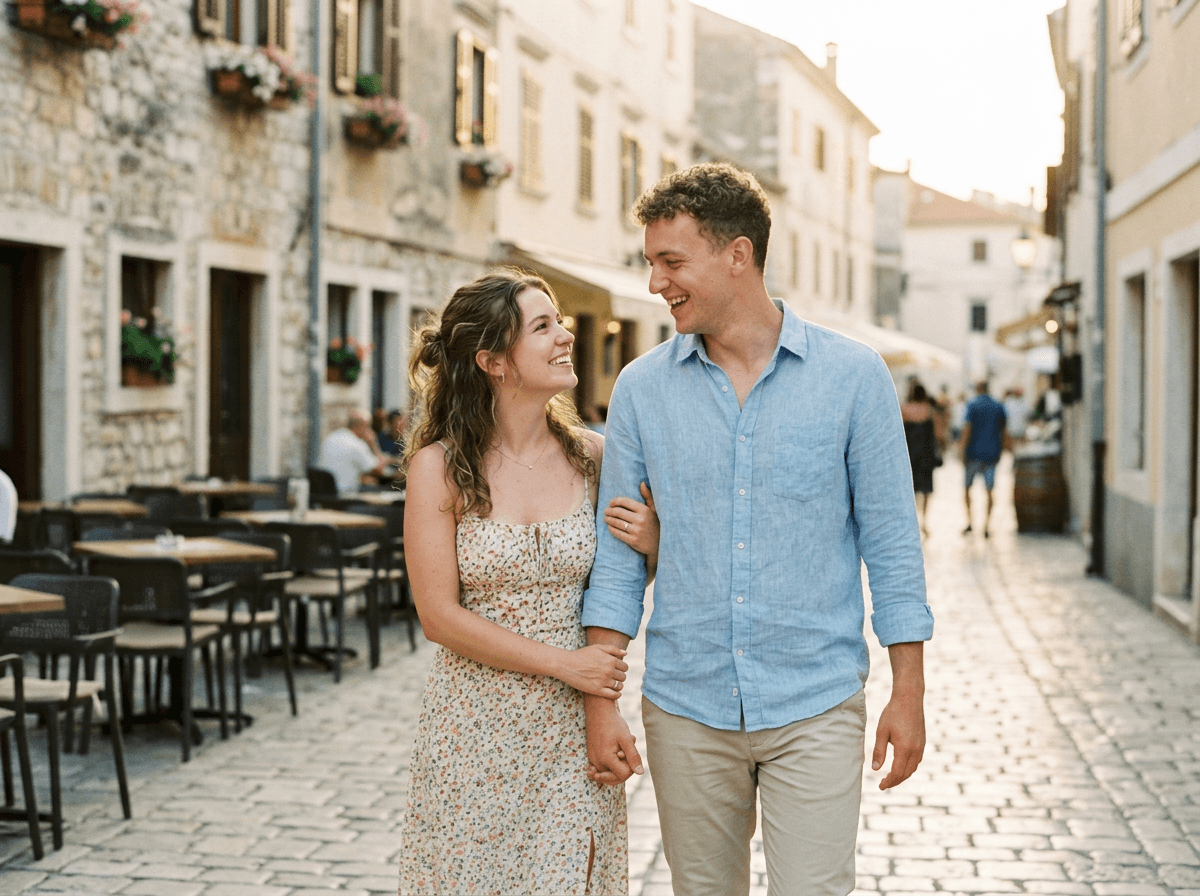
The first stage is the one everyone knows — the honeymoon phase. During this stage everything about the other person feels compelling. Their presence produces a measurable neurochemical response: elevated dopamine, norepinephrine, and serotonin. The brain, quite literally, behaves differently in early romantic love than it does at any other time.
This stage is characterized by intensity. Couples in this phase tend to idealize each other. Differences feel minor or charming. Conflicts feel easily resolved or barely worth having. The future looks uncomplicated. There is a quality of certainty in early love that later stages rarely replicate — a feeling that this person is simply right, and that the feeling will persist indefinitely.
It will not. And that is not a failure. The honeymoon phase serves a purpose: it bonds two people together strongly enough to begin building something real. The neurochemical intensity is, in evolutionary terms, a mechanism for pair bonding. It creates the initial investment that sustains a relationship through the harder work that follows.
Most relationships that end in the first year do so when one or both people interpret the fading of this stage as evidence that something is wrong — that the love has gone, that the wrong person was chosen, that what they felt was not real. In most cases, none of those things are true. What has happened is simply that the relationship has moved into its second stage.
Stage Two: The Power Struggle Stage and What It Reveals
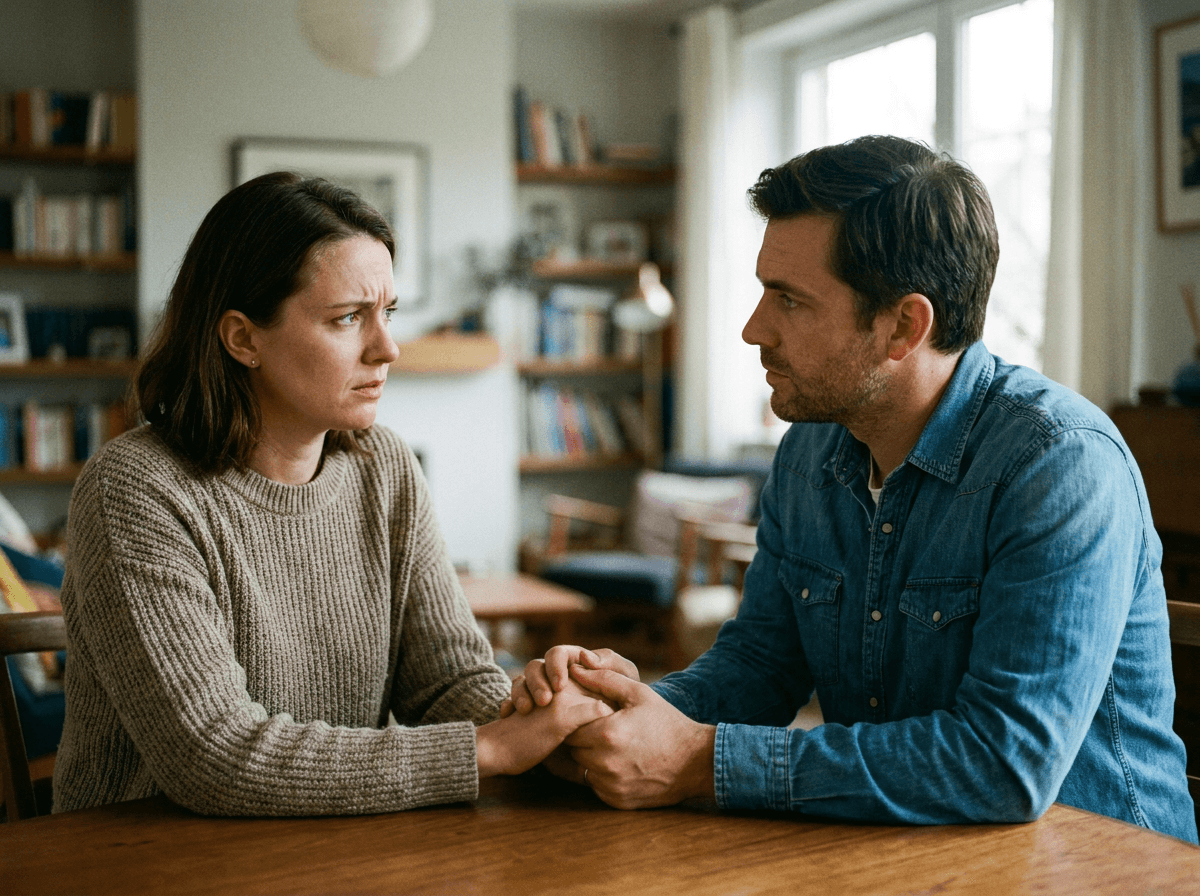
The second stage is the one that surprises people most. It arrives not with drama but with friction — a gradual accumulation of differences, disappointments, and unmet expectations that the first stage kept invisible.
This is the stage where the idealized version of a partner begins to give way to the real one. Habits that seemed endearing become irritating. Needs that went unstated begin to surface. Differences in communication style, in how conflict is handled, in what each person requires emotionally — all of these come into focus with a clarity that early love did not allow.
Relationship researchers, most notably Harville Hendrix, identify this stage as the crucible of long-term partnership. It is where couples discover whether they can navigate difference, disagreement, and disillusionment without losing the underlying connection. Many cannot, or do not. The dropout rate at this stage is high — not because the relationships were wrong, but because the stage feels like evidence that they were.
The power struggle stage is genuinely difficult. It asks something that the first stage never required: the willingness to stay engaged with a real person rather than an idealized one. It demands communication skills, emotional regulation, and a tolerance for discomfort that most people develop slowly and imperfectly.
What it reveals, however, is invaluable. A partner's behavior in this stage — how they handle conflict, whether they take accountability, how they respond to vulnerability — tells you more about the long-term viability of a relationship than anything that happened in the first stage. The honeymoon phase shows you the best version of someone. The power struggle stage shows you a truer one.
Navigating the Transition: Why Most Relationships Stall Here
The transition between the second and third stage is where most long-term relationships either deepen or stall. It is the least discussed and arguably the most important movement in a relationship's arc.
Stalling at the power struggle stage looks recognizable: couples who have been together for years but continue to have the same arguments, who feel chronically misunderstood, who maintain a functional life together while privately feeling disconnected. They have survived the honeymoon phase and learned to manage the friction of the second stage. But they have not moved through it.
What moves a relationship forward is not the resolution of all differences — that is not possible. It is the development of a shared framework for navigating those differences. Couples who make this transition successfully tend to have found ways to fight more effectively, to repair more quickly, and to hold their differences with something closer to curiosity than resentment.
Therapy, whether couples counseling or individual work, often accelerates this transition. So does the simple practice of deliberate communication — choosing to name what is actually happening rather than managing it in silence. The third stage does not arrive by accident. It arrives because both people have done enough of the second stage's work to earn it.
Stage Three: The Partnership Stage and What It Offers
The third stage is the least romanticized and, for those who reach it, the most sustaining. It does not look like the movies. There is no particular intensity, no overwhelming feeling of certainty, no dramatic gesture. What it looks like, from the inside, is something quieter and considerably more valuable: a deep, stable sense of being known.
In this stage, couples have moved through enough of the power struggle to have developed genuine acceptance — not resignation, but the active choice to be with a real person rather than a wished-for one. They understand each other's patterns, triggers, and needs with a specificity that only time and sustained attention can produce. They have a shared history that gives the relationship its own particular texture and meaning.
This stage is characterized by partnership in the truest sense. Decisions are genuinely collaborative. Support is consistent and specific — each person knows what the other actually needs, rather than guessing. Conflict still happens, but it resolves more cleanly. There is less performance, less posturing, and less of the anxious self-monitoring that earlier stages often require.
This does not mean the relationship becomes static. The third stage is not an endpoint — it is a foundation. From it, couples continue to grow, individually and together. New challenges arrive — career changes, loss, health, shifting priorities — and the relationship meets them from a position of established trust rather than unresolved tension. The stability of this stage is not boring. It is the condition that makes deeper things possible.
What the These Stages Ask of You
Knowing which stage you are in changes how you interpret what you are experiencing.
If you are in the first stage and feel overwhelmed by feeling, that is appropriate — not a sign that something is wrong or unsustainably intense. If you are in the second stage and feel friction, disappointment, or distance, that is also appropriate — not evidence that the relationship has failed, but evidence that it is doing exactly what this stage requires. And if you feel stuck in that friction without movement, that is useful information too — a signal that something in the relationship's communication or dynamic needs direct attention.
The three stages are not a guarantee. Not every relationship that enters the second stage makes it to the third. Not every partnership that reaches the third stage stays there without continued investment. What the stages offer is a framework for understanding that love is not a static state — it is a process. And like any process, it unfolds differently depending on what both people bring to each phase.
Conclusion
The three stages every relationship moves through are not obstacles to love. They are love — in its different expressions across time. The intensity of the first, the honesty of the second, the depth of the third.
Couples who understand this navigate the journey differently. They interpret the end of the honeymoon phase as a transition rather than a loss. They approach the power struggle stage as information rather than failure. And they recognize the partnership stage not as the absence of passion but as its matured form.
The relationship, at every stage, is asking something of the people inside it. The question is always whether both people are willing to meet that ask — not perfectly, but honestly, and together.