There is a particular kind of person who wants love deeply and approaches it anyway with a kind of paralysis. Not from indifference, but from the opposite. They care so much about getting it right — about being a good partner, about not causing hurt, about not making the mistakes they have watched themselves or others make — that the fear of doing love wrong becomes its own obstacle. The relationship never quite starts, or starts and then stalls, or moves forward under such careful management that genuine intimacy never takes root. Understanding this fear, where it comes from, and what it actually costs is where change begins.
What the Fear of Doing Love Wrong Actually Looks Like
This fear does not always announce itself clearly. It rarely shows up as a simple statement of dread. Instead, it tends to appear in the patterns around love — the ways people approach or avoid commitment, the moments when anxiety spikes for reasons that seem disproportionate, the habits of holding back just enough to maintain a sense of control.
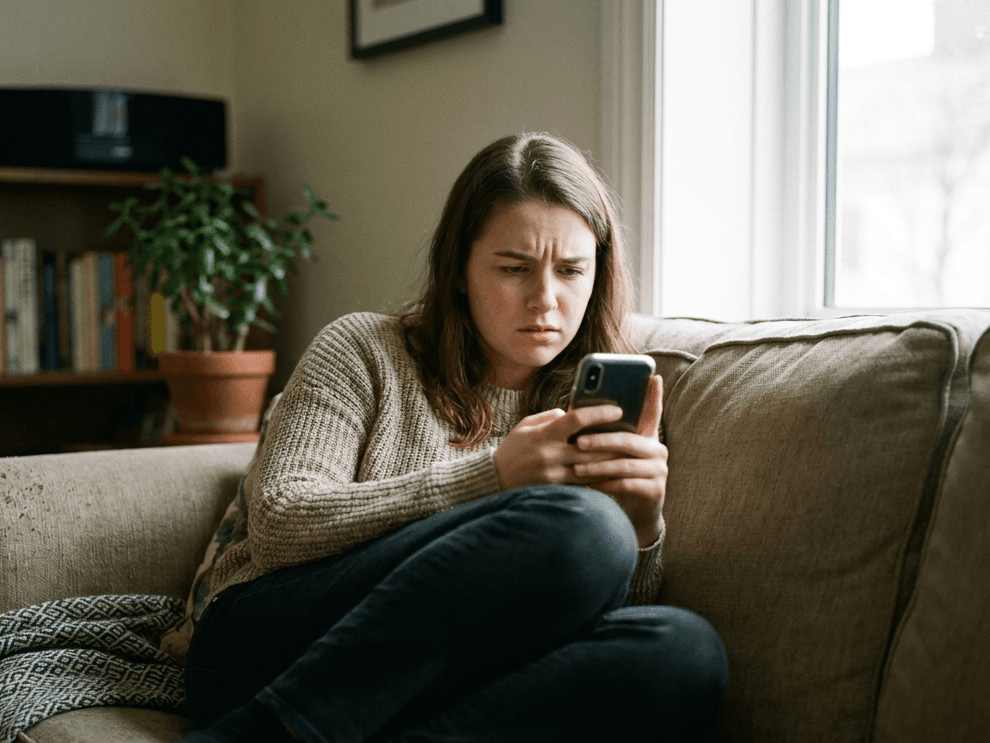
Some people feel the fear as chronic overanalysis. Every interaction gets examined for signs of failure. Every disagreement becomes evidence that something is fundamentally wrong. The relationship becomes a performance under constant self-review, and the anxiety generated by that review is exhausting for everyone involved.
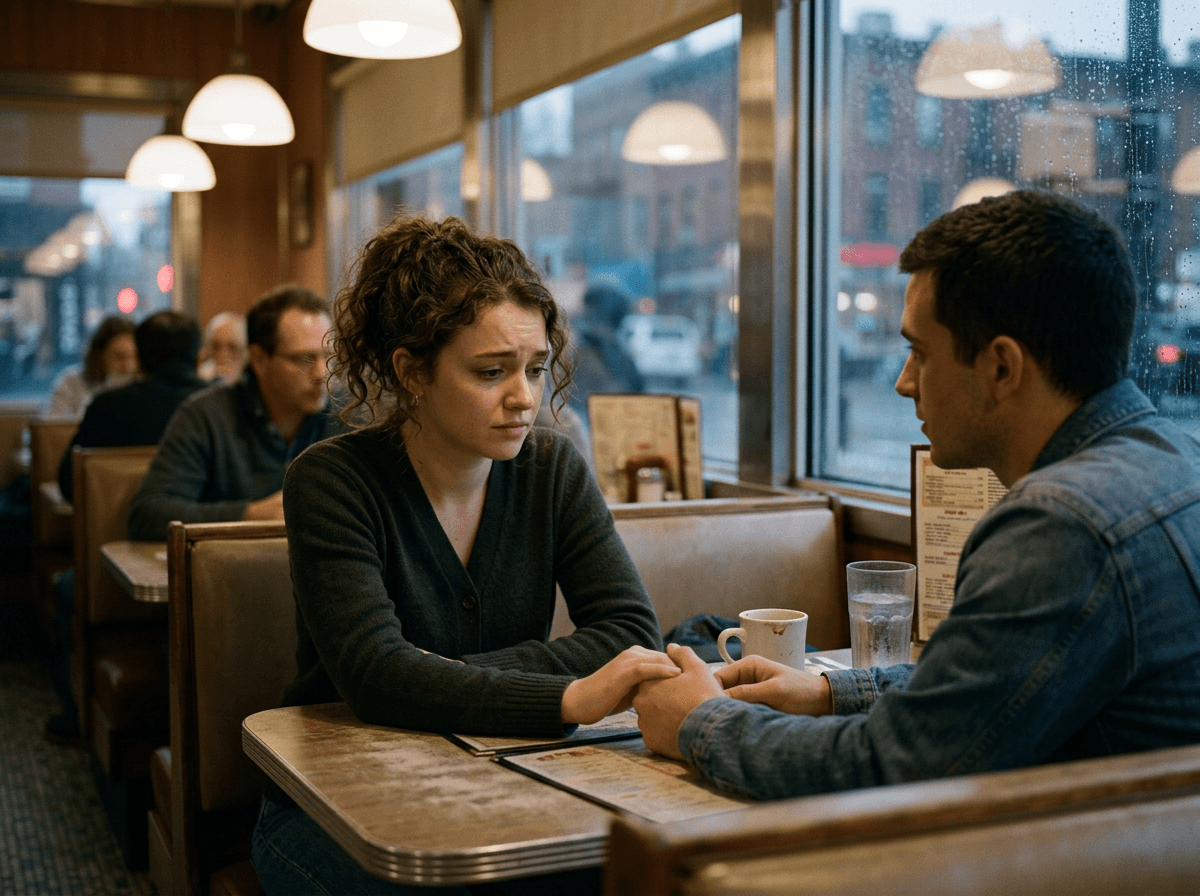
Others experience the fear as avoidance. They pull back just as things deepen. They find reasons to doubt a good partner, to end things that are working, to stay in a state of interested-but-uncommitted that feels safer than full presence. The avoidance is not about not wanting love. It is about not trusting themselves to do it without causing damage.
For others still, the fear manifests as a tendency to lose themselves in a relationship — to be so afraid of getting love wrong through selfishness or inattention that they abandon their own emotional needs entirely. That strategy generates resentment and eventually the collapse it was trying to prevent.
Where This Fear Comes From
The fear of doing love wrong rarely originates in the present. It tends to carry a longer history — one rooted in past relationships, in attachment wounds laid down in early life, or in formative experiences that taught a person something damaging about what love costs.
For many people, the fear traces back to a childhood environment where love was unreliable, conditional, or accompanied by pain. A parent who was loving but unpredictable. A family in which affection and hurt arrived through the same channels. Attachment wounds formed in those environments do not simply heal with time — they travel into adult relationships as a set of expectations about what love will eventually do.
For others, the source lies in past experiences of betrayal or loss. A relationship that ended through dishonesty. A commitment that collapsed without warning. A partner who hurt them in ways they did not see coming. Those experiences recalibrate the nervous system's assessment of risk. Love, which once felt like a safe destination, now registers as a probable site of future hurt.
Low self-worth also feeds this fear. When a person does not fundamentally believe they are capable of being a good partner — that they carry too much damage, too many difficult qualities, too great a capacity to hurt someone they love — they approach relationship with a kind of preemptive guilt. They are not just afraid of being hurt. They are afraid of the hurt they might cause.
How Fear Masquerades as Something More Reasonable
One of the ways this fear survives is by presenting itself as something more defensible than fear. It calls itself standards and self-awareness. It calls itself taking things slowly, or not being ready, or having learned from past mistakes.
Some of these reframings contain genuine truth. Standards are real and useful. Self-awareness is valuable. Pace matters in a relationship. The problem arises when these rational-sounding explanations serve primarily to maintain distance rather than to build something. When "I have high standards" consistently produces loneliness, the standard itself may be worth examining.
The fear also presents itself as protecting the other person. "I don't want to hurt them" is a common explanation for why a relationship never fully develops. Sometimes that concern is legitimate. More often, it is the fear speaking — not genuine consideration for the other person's wellbeing, but anxiety dressed in altruistic language. The distinction matters, because the first is a reason and the second is a rationalisation.
What the Fear of Love Wrong Actually Costs
The cost of living inside this fear is not abstract. It accumulates over time in the form of relationships that never developed into what they could have been. Connections broken before they deepened. Intimacy approached and then retreated from at the critical moment. A recurring sense of being close to something good and consistently finding reasons to step back.
That pattern also generates its own secondary fear — the fear that the problem is permanent. That something in the way they love is fundamentally broken. That the struggle will continue regardless of who they meet or how hard they try. That losing love, or never fully having it, is simply the story they are in.
That secondary fear, once established, intensifies the original one. Now there is not only the risk of doing love wrong but the risk of confirming a verdict about themselves. The anxiety around relationship becomes anxiety about identity. And the person, caught between wanting love and fearing what it reveals about them, moves further from both.
What It Takes to Stop Letting Fear Run the Relationship
Moving through this fear does not mean eliminating it. Fear in the context of love is not pathological — it is human. Vulnerability is genuinely risky. Commitment to another person does carry the real possibility of hurt. Acknowledging those facts does not mean surrendering to them.
What changes is the relationship with the fear itself. Rather than treating it as a reliable signal about the future — this relationship will go wrong, this person will hurt me, I will cause damage here — the fear can be recognised as information about the past. It is the nervous system reporting what happened before, not what will happen now.
That distinction requires trust — in the specific person, and in one's own capacity to navigate difficulty without it destroying the relationship. Trust of this kind does not arrive fully formed. It builds through the experience of showing up vulnerable and finding the relationship intact. Each of those experiences — small, ordinary, often unremarkable — chips away at the expectation of inevitable hurt.
Therapy has a significant role to play here, particularly approaches oriented toward attachment and early experience. Understanding where the fear originates — tracing it back through past relationships and further into early attachment wounds — tends to loosen its grip. The fear does not disappear, but it becomes less authoritative. Less the voice of truth and more the voice of an old story that no longer has to be the current one.
Conclusion
Perhaps the most important shift available to someone caught in this fear is a reorientation toward imperfection. The fear of doing love wrong tends to carry an implicit assumption — that there is a correct way to love, and that failing to find it is a meaningful failure. That assumption is worth dismantling.
Love is not a performance with a correct execution. It is a process between two imperfect people, and its health is not measured by the absence of mistakes but by what both people do after them. The relationship that survives misunderstanding, difficulty, and the ordinary failures of attention and care is not the relationship that did love correctly. It is the relationship that kept going anyway.
Connection, in the end, does not require perfection. It requires presence. And presence — the willingness to show up in a relationship as you actually are, with your fear and your history and your genuine intention to do well by someone — is something every person is already capable of. The fear of doing love wrong was never the obstacle it appeared to be. It was the door, all along, that love was waiting just behind.