

 Russian
  English
  French
  German
  Italian
  Spanish
  Polish
  Ukrainian
  Turkish
  Portuguese
  Greek
Greek  Arabic
  Korean
  Chinese
  Japanese
  Czech
Czech  What Men Want in a Relationship – 21 Simple & Surprising Things">

Действие: Запланируйте пять 5-минутных сфокусированных ежедневных проверок во время будних дней и один непрерывный 60-минутный разговор каждую неделю; эта привычка приводит к измеримому увеличению чувства поддержки и сохраняет эмоциональное равновесие. Делайте проверки без отвлечений, отмечайте одну тему за раз и придерживайтесь последовательности не менее восьми недель, чтобы увидеть изменения, которые значат больше, чем редкие масштабные жесты.
Включайте два общих занятия в месяц – примеры включают кулинарный мастер-класс, велопрогулку или сессию в гончарной мастерской – чередуйте варианты, чтобы каждый человек чувствовал, что его мнение учтено. В основном выбирайте варианты, основываясь на прямом предпочтении: спрашивайте девушку, что ей нравится, а затем составляйте короткий список и действуйте согласно ему. Признание небольших побед (выполненной задачи, составленного плана) создает значительное ежедневное улучшение и снижает ненужные трения.
Задавайте три еженедельных вопроса и записывайте ответы в общем примечании: «что вас поддерживает?», «что вас истощает?», «какое одно изменение помогло бы?». Выбирайте один пункт для решения каждую неделю; последовательное следование сигнализирует о зрелости и быстрее повышает доверие, чем обещания сами по себе. Многие люди считают, что небольшие, надежные действия значат больше, чем редкие выдающиеся проявления, и партнеры, у которых есть четкие распорядки, сообщают о более высоком уровне удовлетворенности, когда присутствует последовательность.
Шесть Практических Желаний, о Которых Мужчины Часто Говорят
Начните еженедельные 15-минутные встречи, чтобы согласовать цели и распределить обязанности дома; установите время в календаре, чтобы оба партнера отвечали за свои действия и отслеживали прогресс.
Попросите точные сведения о деньгах и карьере: попросите каждого человека привести три числа (доход, долги, сбережения); в этой статье рекомендуется записывать их для планирования дальнейших финансовых шагов.
Выделите личные пространства для работы и отдыха — стол, уголок для чтения, закрытый ящик для инструментов — чтобы мужчина, нуждающийся в уединении, мог восстановить силы; жена также должна сигнализировать о такой же потребности и уважать границы.
Уточните распределение задач: отмечайте обязанности, которые становятся постоянными (стирка, двор, счета), и записывайте, какая помощь извне потребуется; простая таблица показывает, кто что делает, и снижает споры.
Используйте небольшие, последовательные жесты, соответствующие темпераменту: юмористический пятисловный вопрос о самочувствии или принесение кофе перед стрессовыми ситуациями демонстрирует внимание и верит в компетентность, а не критикует.
Практикуйте практические навыки вместе два раза в месяц — сантехника, базовое обслуживание автомобиля и спокойное разрешение конфликтов — и регистрируйте результаты; если вы когда-либо колебались, затрагивая какую-либо тему, короткие ролевые игры делают сложные разговоры доступными и часто повышают взаимное доверие.
Как обеспечить стабильную эмоциональную доступность, не подавляя его
Запланируйте краткую, предсказуемую проверку: запланируйте 10 минут в определенное время каждый день, чтобы он знал, что вы доступны, без неожиданной интенсивности; короткий видео Дважды еженедельные звонки могут заменить более длинные тексты и поддерживать четкость сигналов.
Задайте один вопрос о согласии перед более глубоким разговором — например, «Вы хотите получить обратную связь или просто, чтобы вас выслушали?» — затем уважайте его ответ; давать советы без запроса часто создает давление и неудобный тишина вместо облегчения.
Используйте простые сигналы на front of conversations: a green emoji, a short phrase, or an image from unsplash чтобы указать доступность. Эти сигналы позволили ему казаться успокоен без постоянных проверок и соответствовал его темпу и личность.
Сбалансируйте присутствие с независимостьстарайтесь оставлять хотя бы один вечер в неделю для собственных планов, чтобы эмоциональная поддержка не казалась удушающей; это goes выходит за рамки вежливости и сохраняет взаимное притяжение и пространство.
Когда он делится проблемы, отразить содержание в течение 15–30 секунд («Я слышу X, это звучит сложно»), а затем задать уточняющий вопрос; это simply проверяет чувства, снижает чрезмерную помощь и облегчает поиск решений, если он захочет их позже.
Преднамеренно введите легкость: а silly запись голосового сообщения или быстрая "милая" похвала чему-то обыденному снимает напряжение и поддерживает связь между вами. удобный быть уязвимым без всплесков интенсивности.
Границы модели в действии: скажите «Я могу слушать 20 минут сейчас, а затем мне понадобится час на перезарядку», чтобы ожидания были явными; последовательность укрепляет спокойный, строит predictability and доверие.
Ведите личный ментальный журнал триггеров и прогресса — записывайте три результата после каждого серьёзного разговора (что изменилось, что было хорошо, что вызвало трение). Спустя недели эта запись станет… secret map to safer conversations and supports his emotional благополучие.
Обратите внимание на то, что работает: если привычка возникла из примера, назовите его (Элеонор поделилась методом короткого чек-ина, который показался appreciated); приводя источник, например, как preez or noting an источник study you read makes changes feel intentional, not arbitrary.
If a moment казатьсяs off, move forward to an activity together rather than forcing words; that level of attunement укрепляет safety and lets closeness rise beyond scripted talk – I call this tactic “front-loading calm” because it keeps both of us grounded and myself available without overwhelm.
Small gestures that communicate genuine appreciation daily
Start each morning with a one-line acknowledgement that names exactly what they did yesterday that you felt made life easier or nicer; keep it 8–15 words so it reads as sincere rather than formal.
- Send a 15–30 second voice note within an hour of waking on 5 days/week – specific praise increases closeness and is likely to make them feel seen.
- Make one practical gesture per week (their coffee, walk the dog, fix a small thing) to show reliability and build security; mark it on a shared calendar to stay committed.
- When they mention stress, pause 3 seconds, mirror their phrasing, then ask openly whether they want advice or company – this sensitive response reduces escalation and strengthens trust.
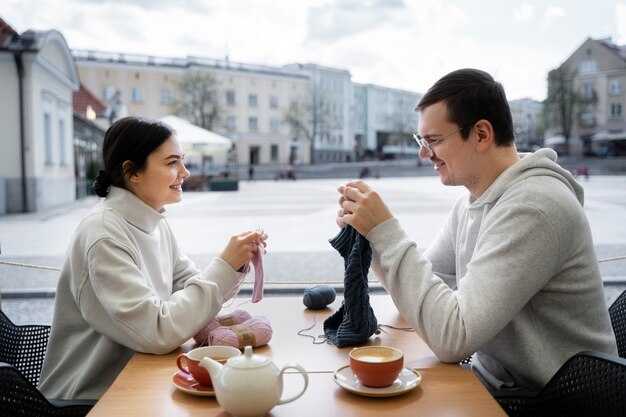
- Create a monthly “explore” night: try a new hobby, recipe, or board game for 60–90 minutes; rotating choices signals you’re invested in shared growth and togetherness.
- Give specific public acknowledgement once a month (a social post or group comment) that lists one concrete effort they made; public praise reinforces that you’re proud of them.
- Leave one short sticky note per week that starts with “heres why I appreciate you:” followed by a concrete example or a favorite trait; using a playful nickname like preez can increase warmth if they like pet names.
- Use a shared folder with 6–10 images (personal photos or tasteful pexels picks) labeled by mood; add one image each week to keep emotional connection visual and easy to revisit.
- Ask two direct questions weekly about what makes them feel secure – whether words of affirmation, actions, or uninterrupted time – then act on the preferred option at least once within 48 hours.
- Notice effort, not outcome: say “I saw you handle X – that effort mattered,” which shifts attention from success to process and makes them more likely to repeat helpful behaviors.
- Keep promises under 24 hours when possible; small consistent follow-throughs are a stronger indicator of commitment than grand but rare gestures.
- Design a 10-minute end-of-day ritual three times a week: two minutes to share a highlight, two to name one thing you appreciated about the person, and six to plan a small courtesy for tomorrow – consistency here keeps both partners happy.
- Offer small, tangible surprises monthly (favorite snack, ticket, handwritten coupon) with a note that explains what prompted the gift; specificity converts a surprise into meaningful recognition.
- When complimenting, look for specificity (skill, patience, humor) instead of vague words; specific praise is more believable and more likely to be felt deeply.
- Track minor wins in a shared list and add one item per week that shows how you both grow together; review the list quarterly to strengthen motivation and sense of progress.
Consistently keeping these micro-habits makes them feel invested in, secure and happy; small, measurable acts beat rare grand gestures every time because they communicate what matters through repeated, reliable behavior.
Ways to respect his independence while staying connected
Agree on a measurable solo-time routine: one 24-hour solo block per week plus a 2-hour solo activity; follow each block with a 15-minute check-in to maintain closeness and compatibility.
- Set clear boundaries for control: list 3 decisions each partner keeps (finances, career moves, hobbies) and mark shared decisions; this reduces conflict where one side feels micromanaged.
- Use an “early signal” for needing space: a one-word text (example: “pause”) means no deep interactions for 8–48 hours; that’s concrete and prevents misreading.
- Replace vague expectations with a schedule: 30-minute morning messages 5 days/week and one Sunday planning session together; track adherence for two months and assess the confidence level in partner responses.
- Encourage solo activities: support him attending one monthly group event or class alone; having separate social circles strengthens attraction and reduces co-dependence.
- Plan shared rituals that are low-demand: two 45-minute date evenings per month and one joint hobby session every other week to maintain emotional proximity without invading independence.
- Communicate needs with specific phrases: say “I believe you need time now; text me when you’re free” instead of labels or accusations – that language preserves trust and respect.
- Handle cancellations without pressure: if he cant join plans, offer an alternative time within 72 hours and avoid implying fault; women who respond this way increase perceived stability and mutual respect.
- Document progress: keep a simple shared note (use unsplash images for a visual board if helpful) listing 5 things that improved after setting boundaries; review quarterly to further strengthen compatibility.
- Balance independence and support during stress: allow 48–72 hours of solo processing after a major event, then schedule a focused 40-minute conversation to maintain closeness and rebuild trust.
- Measure emotional availability by interaction quality, not quantity: rate weekly interactions 1–5 on depth; discuss differences openly to improve mutual efforts rather than assign blame.
Scripts to use in difficult moments: “I feel distant when plans change; can we agree on a quick heads-up?” and “Thats fine if you need space – tell me when you’re ready.” Small, specific phrases reduce misunderstandings and preserve attraction.
When assessing compatibility, track how both partners respond to independent time over three months: note frequency of solo activities, quality of debrief interactions, and any drop in mutual efforts. If patterns show avoidance or constant need for control, address it with targeted conversations or coaching.
Practical checklist to maintain balance: one solo night/week, one shared activity/fortnight, daily 10–30 minute check-ins, and a monthly “state of us” review. These concrete steps help male partners feel respected without sacrificing emotional closeness.
How to add non-sexual physical touch that builds closeness
Begin with a two-second palm-on-lower-back guide when moving through crowds; keep pressure light, then release immediately if your partner shifts away to signal safety.
During early dating limit touches to handholds, side hugs and brief shoulder contacts: 5–30 seconds for handholding, 2–5 seconds for a side hug, and avoid lingering so the interaction stays stable and non-threatening.
Ask directly for opinions about touch once you’re off a date or during a calm moment: “Which of these makes you comfortable?” – addressing preferences creates consent without awkward guessing and helps you be sure both feel respected.
Develop observation skills: note micro-signals (breath, muscle tension, eye contact) and quickly stop if someone tenses; if youve misread a cue, apologize and ask what would feel better rather than treating silence as acceptance.
Integrate touch naturally into shared activities: brief hand on the small of the back while walking, a palm to the shoulder during congratulations, a friendly high-five after a minor win – these send steady closeness without increasing sexual drive.
When problems arise, avoid using touch to deflect; address issues first and use a neutral touch later to signal support – treating conflict resolution and touch as separate skills reduces mixed messages.
Respect personal history: some partners need more time or professional guidance before they accept physical contact; consider cultural and trauma factors and keep requests simple and specific rather than silly or vague.
Practice consent cues: ask permission before escalating (“Can I hold your hand?”), use nonverbal checks, and prioritize the other person’s comfort – closeness that comes from mutual choice feels stable and is more likely to be respected by both partners.
Practical steps to solve conflicts without escalating drama
Use a timeout protocol: agree in advance on a 20-minute pause when either partner feels overwhelmed, set a visible timer, separate physically, and practice a 5-3-2 breathing sequence to lower heart rate – shedding immediate reactivity so youll return calmer.
During the break each person writes one short sentence about how the issue affects their lives and which two values matter most to them; this note includes concrete needs (sleep, respect, time) rather than accusations, so later discussion stays focused on facts you have recorded.
Reconvene with a two-minute turn rule: speaker A talks uninterrupted for 120 seconds, speaker B paraphrases for 60 seconds, then swap; apply compassionate listening only – no interruptions, no rebuttals – which builds trust and a thicker, thicker bond over repeated practice.
Create a simple trigger list at home: list three common triggers per person and one pre-agreed calming response for each (walk, 10-minute music, check-in text). Naming triggers helps conversations naturally lead to specific solutions instead of spiraling.
Agree on immediate repair actions: a brief apology template, one small gesture of affection (hand on back, 30-second hug), and a 24-hour check where you both confirm feelings and next steps; these micro-acts make partners feel secure and maintain companionship while preserving individuality.
Limit control moves: each partner names one behavior they will stop doing (raising voice, stonewalling) and one behavior they will start (asking “Can we pause?”). Put those commitments where both can see them so together you reduce power struggles and hold yourselves accountable.
Use responsibility scripts: own one specific sentence of wrongdoing, offer one concrete repair, and suggest one boundary to prevent recurrence; sometimes these formal steps diffuse escalation faster than long explanations because they put focus on solutions rather than blame.
Schedule a weekly 20-minute check-in that includes a short review of conflicts, what worked, what didn’t, and adjustments; this structured habit reinforces trust, lets each keep their sense of self, and keeps conflict from dominating other parts of your shared world.
Simple routines to keep fun, play and shared hobbies alive

Designate one 45-minute slot per week for a rotating hobby session; each partner leads for four weeks, then swap – this cadence balances novelty with predictability and helps maintain momentum.
Consider a clear rule set: no phones during the slot, single-topic focus, and a 1–5 mood check before and after. For households with children, schedule the slot after bedtime or arrange 30 minutes of shared kid-friendly play twice monthly so parents feel accepted and children see play modeled.
Create two monthly rituals: a “light” 20-minute laughter session (board games, improv prompts) and a deeper 90-minute workshop once a month (learning, building, cooking). These address both intellectual and emotional aspects: short bursts boost spontaneity; longer blocks provide growth and compatibility testing.
Maintain autonomy by allocating one solo-hobby hour every other week; providing space reduces resentment and makes collaborative time more likely to feel generous rather than burdensome. Offer gentle feedback only using “I” statements when communicating about activities.
Use concrete metrics for progress: log five sessions, track attendance rate, record average mood delta; if attendance falls below 70%, consider adjustments in timing or format. Capture visual prompts from unsplash boards for inspiration and to avoid repetitive choices.
When conflicts come up, avoid assigning blame; instead propose two alternative activities and let the other choose. Offering options increases perceived control and strengthens emotional safety, making partners feel more accepted and more open to trying new things.
Focus on creating small cues of tenderness during sessions: a hand squeeze, a compliment, or a shared snack. These micro-rituals increase oxytocin-like bonding and keep the truest playful intent visible between partners.
Rotate leaders so each person can showcase strengths – one month intellectually driven projects, the next more physical or creative tasks – which exposes different aspects of compatibility and helps others appreciate varied skill sets.
| День | Activity | Leader | Duration | Цель |
|---|---|---|---|---|
| Wednesday | Rapid-play (games/prompts) | Partner A | 20 мин | Spontaneity, laughter |
| Saturday | Project workshop | Partner B | 90 мин. | Skill-building, connection |
| Monthly | Date swap (new hobby) | Rotate | 2–3 hrs | Assess compatibility, insights |
| Biweekly | Solo hour | Individual | 60 min | Autonomy, recharge |
Keep a short post-session note: two sentences about what worked and one idea for next time. That small habit of communicating outcomes provides rapid feedback, makes planning easier for coming weeks, and helps maintain the playful routine.
 My Partner Doesn’t Want to Have Sex with Me — Causes & What to Do">
 Why Smart Women Struggle in Love – Are Men Intimidated?">
 Why Do I Keep Getting Dumped? 11 Reasons & How to Stop It">
 How to Stop Being Frustrated with Dating & Modern Romance — Practical Steps">
 How to Rescue a Damaged Relationship – 7 Practical Steps to Repair & Rebuild Trust">
 Как пережить отношения, которых никогда не было – Исцеление и движение вперед">
 Вот Реальная Причина, Почему Мужчины Изменяют — Психология, Признаки и Решения">
 Если он перестал звонить или писать — 7 вещей, которые нужно сделать как можно скорее">
 Как мне не везёт – Почему мужчины, с которыми я встречаюсь, никогда не хотят со мной встречаться — Причины и советы по знакомствам">
 Почему люди внезапно прекращают общение после близости или конфликта в отношениях – причины и как справиться">


