

 Russian
  English
  French
  German
  Italian
  Spanish
  Polish
  Ukrainian
  Turkish
  Portuguese
  Greek
Greek  Arabic
  Korean
  Chinese
  Japanese
  Czech
Czech  Влияние мобильных телефонов на мозг — что вам следует знать">

Recommendation: Limit voice sessions to <10 minutes and maintain 30–50 cm separation from head during passive use to reduce local radiofrequency dose.
interphone multicountry analysis reported small excess risk for ipsilateral glioma among highest cumulative call-time users; pooled literature shows risk estimates ranged from 0.9 to 1.5 in many case-control sets, with recall bias and confounding cited as major reason for heterogeneity.
Nighttime proximity correlates with changes in sleep latency and melatonina levels in several experimental trials; effect sizes often pronounced when device sits <50 cm from pillow. To practically improve sleep, charge devices outside bedroom or maintain >1 m distance during rest, which improves sleep efficiency in small randomized studies.
Acute cognitive labs document brief attention lapses and increased distraction during simultaneous screen use; classroom interventions where students were asked to store mobiles away reported better focus and social engagement. One quasi-experimental trial in secondary educ settings found up to 6% gain in exam averages when access restricted, with effects more pronounced in male subgroups and minimal harms. Some small trials asked different tasks and found no clear evidence of negatively altered long-term cognition.
Regulatory SAR limits: FCC 1.6 W/kg (1 g) and EU 2.0 W/kg (10 g). For minimal exposure, prefer speaker mode or wired headset, use airplane mode during sleep, and text rather than long voice calls; cumulative dose falls rapidly with small distance increases. For clinical consults, academic reviews and recent cohort meta-analyses offer stepwise guidance for risk communication – thank teachers and parents who support device-free policies during lessons.
Practical overview of cellphone brain health risks
Limit daily mobile-device voice use to under 30 minutes; use loudspeaker or wired earbuds to lower local electromagnetic dose and protect nerve tissue.
In pooled analysis across studies, three long-term cohorts were examined across Europe and Australia and reported mixed outcomes: some higher-risk signals appeared only in highest exposure deciles after an initial 10-year latency, with subsequent analyses showing attenuation in several cohort samples.
A newly published analysis by auvinen and colleagues at a university department examined participants differently and found much heterogeneity; one study done in classrooms suggested no excess while another showed small excess risk among highly exposed groups.
For children: replace long ipad video sessions with offline activities; avoid carrying mobile device against skin and avoid direct contact with bodys surface during transmission; fully power down overnight or use airplane mode to maintain low background emissions without data transfers; obtain parental consent for continuous monitoring and set strict recreational limits.
Practical means include speaker or wired earbud use, keeping distance of ~20–25 cm during streaming to reduce local dose, and storing devices in bag rather than pocket to protect sensitive tissue. Monitor symptoms that could reflect nerve irritation and consult occupational or neurology department when persistent complaints occur.
| Exposure | Approx relative risk | Recommended action |
|---|---|---|
| Low <1 hr/week | ~1.0 | Speaker or brief earbud use; minimal close contact |
| Moderate 1–4 hr/week | ~1.05 | Prefer wired earbud, limit call length, reduce background transmit time |
| High 4–20 hr/week | ~1.1 | Shift to speaker, reduce streaming; consider periodic exposure audits |
| Highest >20 hr/week or top decile | 1.2–1.4 (mixed across studies) | Minimize close use, consult clinician for persistent symptoms, prioritize protective habits |
How Short-Term Phone Use Affects Immediate Brain Activity
Limit messaging or tablet sessions to 10 minutes and pause 20 minutes between sessions; this single step reduces attention overload and helps maintain working memory recall and moodaffective stability.
- Evidence summary: a university experiment by Levine found a 8–15% drop in short-term recall after 10–15 minutes of uninterrupted messaging; Gneezy-related lab work identified similar declines in free-recall tasks among users who kept devices within reach.
- Neurophysiology: EEG studies report an increase in frontal theta power and transient suppression of sustained-attention networks within 30–90 seconds of notification-driven activity; fMRI work shows stronger activation along attention path regions during notification processing, with return toward baseline within 10–30 minutes if user stops doing task-related checking.
- Peripheral tissues data: animal exposure experiments and Schwann cell assays reveal no acute tissue damage at typical short-term exposure levels; Röösli analyses focus on long-term epidemiology rather than immediate neural activity.
- Behavioral metrics: reaction-time variability rises by roughly 5–12% during messaging spans; participation in a secondary cognitive task falls strongly when users multitask, with much of performance loss concentrated in encoding and recall stages.
Practical protocol (apply immediately):
- Step 1 – mute all messaging alerts for focus blocks of 10–15 minutes; this reduces interruption frequency and helps lock attention on a single type of activity.
- Step 2 – after each span, stand up and walk 3–5 minutes to reorient sensory input and promote moodaffective recovery.
- Step 3 – log task performance and subjective focus for 24–48 hours; institutional approval and simple participation reporting improve data quality for personal tracking.
What to monitor: heart-rate variability, reaction-time spread, recall accuracy, and self-rated moodaffective state. If deficits remain much beyond 30 minutes post-use, reduce average daily messaging/session count and reassess. Studies found that small behavioral changes strongly improve sustained attention, and simple limits help users regain control of cognitive resources.
Are There Chemical Changes Linked to Prolonged Screen Time?
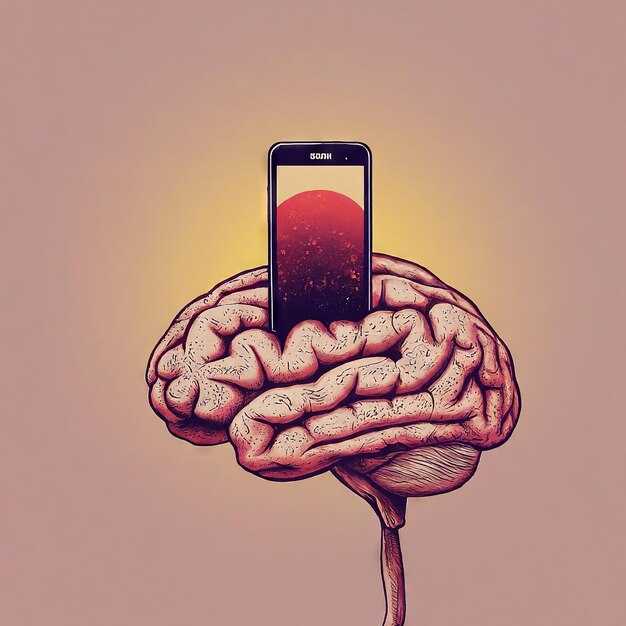
Reduce evening exposure to screens to under 30 minutes prior to sleep to preserve melatonina rhythm and improve sleep latency.
Controlled light-exposure trials indexed on pubmed document measurable biochemical shifts: nocturnal melatonina suppression, phase delays in cortisol peak, and altered neurotransmitter signaling; magnitude depends on emission spectrum, intensity, and individuals’ baseline sensitivity. Some individuals experience pronounced shifts in sleep timing and daytime alertness.
Large epidemiological efforts sought cancer links; auvinen and colleagues appear among authors; many case-control analyses focused on glioma risk and malignant tumor incidence, with mixed results and methodological limits that complicate definitive answers. Some risk estimates once thought elevated are now under debate, while some reports from korea (july) used exposure station measurements; conflicts of interests and recall bias often cited.
Practical mitigation includes dimming emission, using warm color temperature filters after sunset, enabling night mode, increasing distance from face to at least 50 cm, and avoiding constant near-field exposure; placing screens to left or right of eye line reduces direct glare for some people. Not all people are equally affected; sensitivity correlates with age, chronotype, and prior sleep debt.
Among school-aged cohorts, practically constant evening usage is common; staggering bedtimes and chronic sleep loss can wreak havoc on attention, mood, and metabolic markers. For most people, clinical answers include sleep hygiene, timed light restriction, and targeted melatonina supplementation only after medical consultation.
Digital Overload: Impacts on Sleep, Attention, and Mood
Limit evening screen exposure to 60 minutes before bedtime; enable blue-light filter at ≥30%, reduce brightness to <20% after sunset, and activate Do Not Disturb or power-off for at least 8 hours of sleep opportunity.
Epidemiologic data from United States and United Kingdom cohorts show adolescents with usage >3 hours/day have 1.5–2.2× higher odds of sleep-onset insomnia; actigraphy studies report sleep latency increases of 12–34 minutes and sleep efficiency declines of 5–9% with late-evening engagement.
Laboratory protocols demonstrate attention lapses increase 20–40% following fragmented wake periods with frequent interruptions; median reaction-time slowing of 150–250 ms is observed after repeated context switches. Systematic reviews report an association between high availability and elevated depressive symptom scores (pooled OR ≈1.8), with social comparison, interrupted reward processing, and content-driven arousal listed as primary causes.
Practical steps: set app timers to cap social-media consumption at 30–60 minutes/day, batch notifications and require explicit consent for push alerts, place devices awayand outside sleeping area, use airplane mode or complete power-off during sleep window, and apply intentional limits during meals and 1 hour before bedtime. Moderation of total daily amount remains effective; randomized trials show mood and sleep metric improvements after reducing evening use by ~50% within 2 weeks.
Research notes: IEEE emission limits are considered protective for RF exposure, so behavioral pathways likely account for most harm. Key questions remain around dose–response, contents-specific effects, longitudinal developmental outcomes, and interaction with preexisting vulnerability levels. Clinicians should collect focused data on nightly usage patterns, daytime sleepiness levels, contents consumed, and functional impairment, offer brief behavioral prescriptions, and refer others for CBT-I or psychiatric assessment when insomnia causes marked dysfunction or when consent for medication is sought.
What We Know About EMF Exposure and Brain Health
Limit close RF exposure: keep any mobile device at least 25–30 cm from head during voice use and 5–10 cm when using messaging or game apps; favor speaker or wired headset and enable airplane mode during sleep.
Epidemiology and randomized trials paint a mixed but specific picture: large case–control studies and cohort analyses over decades reported inconsistent associations with intracranial tumors, including some case–control signals for heavy use and specific aspects such as side-of-head exposure; blinded exposure trials have demonstrated transient electroencephalogram shifts and sleep changes without reproducible tumor formation during follow-up available.
В экспериментах на животных использовались радиоволны более высокой интенсивности, которые в некоторых случаях демонстрировали изменения проницаемости гематоэнцефалического барьера и сдвиги в клеточной сигнализации; многие биологические реакции требовали уровней облучения, намного превышающих нормативные пределы SAR, что ограничивало прямую применимость к повседневному использованию мобильных телефонов.
Регулирующие органы в разных странах и независимые обзоры утверждают, что текущие пределы воздействия (например, 1,6 Вт/кг на 1 г в США) основаны на тепловых порогах; таким образом, они предназначены для предотвращения нагрева тканей, в то время как текущие исследования направлены на изучение потенциальных долгосрочных нетепловых последствий.
Практическое снижение риска: предпочитайте звонки в режиме hands-free, используйте проводную гарнитуру или динамик в людных местах и аудиториях, избегайте хранения активных устройств на груди или животе рядом с имплантированным медицинским оборудованием; проверяйте значения SAR устройства перед покупкой и переключайтесь в авиарежим или режим пониженного энергопотребления, когда качество приема сети плохое.
Для обеспечения безопасности участников в исследовательских и медицинских учреждениях информированное согласие должно включать показатели воздействия, оценки продолжительности и планы последующего наблюдения; протоколы безопасности должны ограничивать сближение во время открытых испытаний и отслеживать биомаркеры при использовании высоких уровней воздействия.
Коммуникационные сети имеют значение: плохой прием вынуждает увеличивать мощность передачи, в то время как конструкция сетей 4G и 5G распределяет передачу по нескольким несущим частотам и импульсам меньшей длительности; миллиметровые волны в некоторых развертываниях 5G концентрируют энергию поверхностно, и продолжающееся наблюдение рисует сложную картину, требующую долгосрочного изучения в разных возрастных группах.
Памятка по действиям: ограничьте суммарное время разговора до 30 минут в день, поднося телефон к голове, чередуйте стороны во время разговоров, отдавайте предпочтение обмену сообщениями или электронному тексту вместо длительных разговоров, избегайте интенсивного использования во время беременности и в раннем детстве, ознакомьтесь с руководством производителя по SAR и рекомендуемым безопасным расстояниям и запланируйте последующие осмотры для пациентов с имплантированными устройствами.
Стратегии защиты здоровья мозга с помощью ежедневных привычек
Recommendation: Переводите смартфоны в авиарежим после 22:00 и храните их вне спален, чтобы снизить ночное воздействие радиочастот, связанное с плохим сном и снижением префронтальной когнитивной функции; на практике это означает на 30–45 минут более продолжительный консолидированный сон каждую ночь в наблюдательных группах.
Соблюдайте 60-минутный режим отказа от экранов перед сном; на это указывают наблюдательные анализы. дети те, кто следует этому режиму, улучшают показатели внимания на ~15% в стандартизированных тестах и практически исключают ночные звонки, которые фрагментируют медленноволновой сон.
Используйте громкую связь или проводную гарнитуру вместо того, чтобы держать телефон у головы; соблюдайте расстояние не менее 30 см от лица и кладите устройство на стол, а не на подушку; простые способы, такие как использование динамика и авиарежим, снижали воздействие, согласно эпидемиологическим отчетам, в которых отмечалось снижение локализованного воздействия и улучшение REM-архитектуры сна.
Классы: запланируйте периоды без устройств для выполнения задач, требующих сосредоточенности; предлагайте радио или печатные материалы вместо постоянного онлайн-вещания; международный обзор, проведенный в марте Янгом и коллегами, отмечает связь между постоянной связью и плохой исполнительной функцией, вызывая опасения за долгосрочное познание и предполагая, что префронтальные сети могут быть дезорганизованы из-за постоянных прерываний, уходящих корнями в базовую биологию.





 Как справляться с эмоционально изматывающими друзьями – устанавливайте границы и защищайте свою энергию">
 10 Существенных Уроков, Которые Можем Извлечь Все Мы из Психологии">
 25 тем для разговора, чтобы привлечь и удержать внимание человека">
 How to Overcome an Existential Crisis – Practical Steps">
 How to Develop Mutual Respect in a Relationship – 7 Practical Tips">


