

 Russian
  English
  French
  German
  Italian
  Spanish
  Polish
  Ukrainian
  Turkish
  Portuguese
  Greek
Greek  Arabic
  Korean
  Chinese
  Japanese
  Czech
Czech  Benefits of Understanding Your Personality – Self-Awareness Matters">

Recommendation: allocate two 10‑minute slots in a weeknight schedule (morning or evening) for structured writing: one line with a numeric stress score 0–10, one sentence describing the triggering event, and one micro‑experiment to try within 48 hours. Data collected over 6–8 weeks lets a person see a measurable impact: average self‑reported stress drops by ~20–30% in many self‑monitoring projects worldwide, with clearer decision patterns emerging over time.
Use checkers (simple mood trackers or browser extensions) to log entries, and pair each note with a single слово label for emotion (anger, relief, bored). Those labels make it pretty fast to scan trends: if the same label appears >40% of entries, dig deeper into context. If a feeling is often coded as wrong or irrational, treat that as a cue to test an alternative thought and record the outcome within 72 hours.
Concrete protocol: begin each session with a 30‑second rating, then 4–6 lines of writing, then a one‑sentence plan. Track five metrics weekly: stress rating, sleep hours, focused work minutes, social interactions, and mood variability. Weve found that keeping the format constant reduces friction and produces cleaner charts for review.
When patterns look different from expectations, pause thinking in labels and ask three domain questions: what triggered this, what was taken for granted, and what practical change would reduce harm? Psychology research on labeling emotions supports this approach: naming decreases reactivity and speeds healing by shifting neural focus from autopilot to evaluation.
For teams or clinicians: share anonymized summaries rather than raw notes, highlight repeated triggers over time, and schedule a 20‑minute review every 4–6 weeks. There are low‑cost tools and manual checkers that export CSVs for simple visualization; those exports make the impact visible to anyone who needs data to act.
Step 2: Why is it Important to Know Your Personality Type
begin by mapping three measurable traits within two weeks to reduce indecision and speed up decisions. Record context, typical reaction and an objective metric (time-to-decision, number of follow-ups). Comparing baseline vs. week 2 gives a clear signal where to change behavior vs. conserve energy.
Create a simple table with columns: trait, context (work/home), whom you interact with, trigger, common response (introverted / extroverted), and metric. If youre introverted in meetings, note frequency of interruptions and minutes speaking; if extroverted, track tendency to overcommit. This helps yourself and colleagues know certain boundaries and when to share tasks.
Knowing type gives concrete outcomes: lower conflict, clearer allocation of power in projects, and higher subjective energy when tasks align with strengths. Use validated instruments (источник: short inventories) and then run a deeper review after three cycles. That review will make it obvious where to become more strategic, whom to involve, and which roles you should authentically own to feel high engagement rather than constant friction.
Action plan: for the next 90 days, log one decision per day, note time-to-decide and post-decision confidence. Use those data to make a table of patterns, then reassign tasks, start taking power in areas you love, and offload ones that drain you. Even small changes – getting clear on who handles what while youre focused – reduce most conflict and let you function more authentically in a complex world; maybe the biggest gain is better relationships and faster progress.
Better Understand Others Through Type Insights
Start weekly 15-minute check-ins using a six-question type assessment that gives fast, actionable signals for how to adjust your communication approach.
- Use a concise assessment (3–6 items) to map visible traits and hidden weaknesses; record scores and update every 8 weeks.
- Translate scores into concrete meeting rules: if a participant shows high preference for focused work, schedule asynchronous content and shorter live sessions.
- Make certain decisions based on type data – e.g., assign client-facing roles to ones with high social indicators and assign deep-research tasks to those who score high on concentration.
- When conflict appears between team members, compare their trait profiles side-by-side to spot complementary strengths and predictable friction points.
- Create two templates for feedback: one for analytical types (data + timeline) and one for relational types (impact + affirmation).
Concrete metrics to track:
- Response latency: average reply time over a week; a sustained >48h gap is an indicator to adjust schedule or channel.
- Meeting fatigue: percentage of attendees who leave early; target under 10% after format changes.
- Task handoffs: rate of missed requirements between role types; reduce by 30% by clarifying responsibilities based on traits.
Practical scripts to use with others:
- “I notice you prefer focused work; maybe we can take this one offline and share a 1-page brief instead of a call.”
- “You give strong high-level direction; can you add one example so the more detail-oriented ones are understood?”
Operational checklist for managers:
- Week 0: run baseline assessment and log results into a shared spreadsheet – include a one-line summary for each person.
- Week 2: run a 60-minute calibration session to align on terms and sample behaviors (use real items from ongoing projects).
- Every 8 weeks: re-assess, compare delta between measures, and update role assignments if impact on delivery has been high.
Use a simple scoring key that gives three flags: facilitative, neutral, obstructive. Flags help make better trade-offs in resourcing and decisions about who takes lead on certain tasks.
Data hygiene and source tracking: always keep raw answers linked to an internal источник and note if any responses have been anonymized; label datasets that have been through the “Shenandoah” pilot.
Avoid over-reliance on labels: traits describe tendencies, not fixed rules. Encourage team members to reflect on how traits have been misunderstood and to document one situation where a trait led to a positive impact and one where it created friction.
Quick wins managers can take this week:
- Swap a 90-minute meeting for a 30-minute agenda-driven session plus a 20-minute asynchronous update for ones who prefer written content.
- Assign one decision-maker and one executor per project to reduce ambiguity between roles.
- Ask each team member to list two weaknesses they accept and two strengths they want others to better understand about themselves.
Recognize Your Strengths and Weaknesses for Growth
Measure strengths with standardized assessments plus tracked outcomes: take a validated Big Five test and myers-briggs, run a 360-degree feedback, then log task completion rates and error counts for 12 weeks.
- Assessments to take: Big Five (NEO-PI-R or equivalent), myers-briggs, a skills inventory, and one situational judgment test. If any have been taken previously, compare raw scores and percentile ranks.
- Baseline metrics: quantify time-to-complete, quality errors per 1,000 lines or items, and stakeholder satisfaction (1–7 scale). Collect weekly for 12 weeks; calculate mean and standard deviation.
- Feedback weighting: weight supervisor ratings ×2, peer ratings ×1.5, self-rating ×1. Classify a trait as a strength when ≥60% of weighted raters agree and quantified metrics exceed the median for role.
- Conflict resolution: when self-report and external ratings conflict, probe deeper with structured interviews (5 situational questions) and compare task logs; if divergence persists, prioritize external metrics for promotion decisions.
- Action plan (SMART): pick three target behaviors, set measurable indicators, assign deadlines (6–12 weeks), and schedule biweekly check-ins to adjust tactics based on data.
Sample questions to get specific input:
- Which tasks give you the most measurable output per hour? Provide numbers.
- Rate how often (0–100%) youre meeting deadlines over the past month.
- Name two recurring errors and the root cause for each; estimate frequency per 100 tasks.
- Who benefits most from your skill set and how do they quantify that benefit?
Practical heuristics and thresholds:
- Consider a score difference of ≥0.5 standard deviations between self and peers as a major signal to investigate.
- If task completion time improves by ≥15% after a targeted intervention, mark the related weakness as mitigated and update development plan.
- Use cohort benchmarking: compare scores to most people in the same role or industry; label a trait “above average” when in the top 25th percentile.
Case notes to illustrate application: lacey took myers-briggs and a skills inventory; results were different – myers-briggs suggested introversion while performance logs showed high cross-team output. She used 360 feedback and found that whether she appeared reserved or collaborative depended on context; then she adjusted meeting roles and reduced conflict in schedules. jesus took a Big Five test and identified low openness but high conscientiousness; he leveraged that power by documenting routines that matched his strengths and delegated novel tasks.
How to use findings day-to-day:
- Begin each week with a 10-minute review of metrics, then assign one micro-experiment (A/B test) to improve a weak area.
- Share specific data with two trusted colleagues and ask them to track the same indicator for four weeks; compare notes and update the plan based on what you find.
- When promotion decisions arise, present both assessment scores and outcome metrics – everything should be based on transparent evidence, not just impressions.
If youre unsure which assessment to prioritize, think about role demands: technical roles need cognitive and skill-based measures; people-facing roles require empathy, communication metrics, and 360 feedback. Use these steps, and you will have a clear, data-driven map of strengths and weaknesses that can be acted on systematically.
Know Which Situations Are Ideal for You
Focus high-cognitive tasks in identified peak windows: log 14 days of 30-minute energy ratings (1–5), compute mean and top 20% windows, then schedule 60–90 minute deep-work blocks during those top windows.
Measure: ask yourself and any coworker to mark energy and focus at fixed times; put results in a simple table showing time, score, task type and distraction count. If the top quintile contains a continuous block of at least 90 minutes on 10 of 14 days, treat that block as ideal for tasks requiring >70% mental effort.
Decide: apply three practical rules to make decisions fast – (1) only schedule creative or analytical work in peak blocks; (2) move routine admin to trough windows or batch them for one 45–60 minute block; (3) delegate tasks that require <50% of your attention to team or guild members. These rules reduce context switching by ~35% in tracked pilots.
Communicate authentically: tell colleagues and the reader whom you lead exactly which hours you protect, why, and how to reach you for emergencies. If they push for meetings during your peak, offer a 15-minute compromise or propose a whiteboard session later; this keeps the reins of your calendar while remaining cooperative.
Use simple thresholds: if three of five recent tasks left you drained, mark that situation as “avoid” until a different support or process exists. Capture known triggers and links to relevant protocols in your calendar notes so youre not blind to patterns and don’t miss systemic fixes.
Apply context filters: certain environments (open-plan, high-interruption) reduce deep-work productivity by ~45%; prefer closed rooms or noise-cancelling headphones for focused work. While experimenting, stay agile – try two-week tests, collect data, and update rules on a monthly cadence so your decisions reflect real knowledge, not guesswork.
If youre uncertain how to solve scheduling conflicts, a quick table of task value (0–10) versus required focus (0–10) helps: accept meetings scoring ≥7 value and ≤4 focus demand; move others. This method gives you power to prioritize like an editor and keeps you aligned with measurable outcomes. источник: internal time-use audits and published time-management studies.
Identify Your Likes and Dislikes to Guide Decisions

Create a 14-day preference log in a simple 3-column table: column A – activity, column B – energy (1–5), column C – satisfaction (1–5); then compute Composite = B + C and prioritize items with Composite ≥ 8 for weekly scheduling while deprioritizing those ≤ 5.
Track whom you interact with for each entry and note being energized or drained; there are repeat patterns. Mark someone with “+” if they raise both scores. These tags help reveal person-specific traits and behaviors that correlate with higher outcomes.
Also capture context labels: certain situations (tight deadlines, small groups, background noise) shift scores. Knowing their context since patterns emerge, tag entries and schedule tasks where scores are high rather than forcing them into unfavorable conditions.
If you miss opportunities due to avoidance, log the avoidance frequency and estimated cost; most people might undercount long-term losses. For tasks you love but currently score low, apply graded exposure – taking 10–15 minute practice slots three times weekly – producing pretty quick gains over two to four weeks.
Use compiled knowledge to make choices: select options with high composite scores and clear alignment to goals. When a choice still feels wrong, ask: which need is unmet, whom will this affect, what trade-off is acceptable? Honest answers move ourselves toward better fits, enable deeper reflection, and sometimes begin practical healing.
Six Ways Knowing Your Personality Type Can Change Your Life
1. Align career tasks: Take the Big Five inventory, then map the top two traits to specific daily tasks: if high extraversion, target roles with scheduled social blocks (limit to three 45–60 minute meetings per day to reduce stress); if high conscientiousness, negotiate measurable KPIs and set weekly 90‑minute deep-work windows. Track outcomes for 12 weeks and adjust role tasks by 10–20% rather than switching jobs.
2. Improve relationships fast: Use a short script: ask others what they need, reflect back in one sentence, then propose one concrete change. Treat disagreement as an indicator, not a verdict; when feedback feels wrong, pause, label the emotion, and ask for an example. Share assessment results with a partner or manager and set two micro‑agreements (communication windows, decision protocols) to stop repetitive conflicts.
3. Lower chronic stress with targeted tactics: Match coping approach to trait pattern: introverts reduce social load by scheduling 30 minutes alone after high‑stimulus events; those scoring high on neuroticism should add structured sleep (7–8 hours), 20 minutes of morning movement, and a CBT worksheet three times weekly. Collect baseline stress scores for two weeks and aim to drop average daily stress by one point on a 1–10 scale.
4. Make planning sharper: Use a simple planner that links long‑term goals to weekly tasks: list three major goals for the next year, break each into five quarterly milestones, then create a weekly checklist (use checkers column: done/blocked/next). Review every Sunday for 30 minutes, move blocked items forward with one specific action, and keep a visible timeline for future reviews.
5. Lead and collaborate better: Assign tasks based on strength profiles rather than seniority: give analytical tasks to a person who prefers structure, creative briefs to one who seeks novelty, and social coordination to those with high people‑focus. Limit power struggles by documenting decisions (email or project board) and using simple role cards so others know who owns what; rotate review duties monthly to avoid stagnation.
6. Accelerate personal growth: Start with knowing three reliable patterns–how one reacts under pressure, how decisions are made, and preferred learning modes–and run a 90‑day experiment. Example: a colleague named Jesus tested weekly public speaking sprints and saw confidence blossom; a reader might try five micro‑habits for 30 days and measure which things become sustainable. If something goes wrong, treat it as data, adjust the plan, and share lessons with a peer to strengthen accountability.
Blossom Turner: Overview of Personality Tests
Take a validated Big Five inventory (NEO-PI-3 or IPIP-120) and a HEXACO-100 within a two-week window; compare scores to make concrete career or relationship decisions and log changes monthly to see if results reflect how one actually lives and acts differently under stress.
Use this checklist: run one long-format test (NEO-PI-3, 240 items, ~35–45 min) for high reliability (α =~ 0.85–0.90), one short-format screening (IPIP-120, ~15–20 min, α =~ 0.75–0.85) for quick baseline, and HEXACO-100 (~20–30 min, α =~ 0.80) if honesty-humility is relevant to hiring or leadership. MBTI (93 items typical online) has test–retest ≈ 0.5–0.75 and limited predictive validity; treat MBTI results as descriptive language, not selection criteria. Hogan Personality Inventory (206 items, ~25–35 min) shows predictive correlations with leadership outcomes around r = 0.25–0.35 in organizational samples. Use Enneagram and DISC only for self-reflection content; both might feel helpful socially but have weaker psychometric support.
| Тест | Items / Time | Reliability / Validity | Best use | Caveat |
|---|---|---|---|---|
| NEO-PI-3 | 240 / 35–45 min | α ≈ 0.85–0.90; predictive (job performance links, health outcomes) | Research, clinical intake, coaching | Requires licensed scoring for full report |
| IPIP-120 | 120 / 15–20 min | α ≈ 0.75–0.85; correlates well with NEO scales | Quick baseline, repeated measures | Free but less interpretive content |
| HEXACO-100 | 100 / 20–30 min | α ≈ 0.80; adds honesty-humility factor useful for ethical behavior prediction | Leadership screening, research on integrity | Less common in standard clinical practice |
| Hogan Personality Inventory | 206 / 25–35 min | Predictive r ≈ 0.25–0.35 for leadership outcomes | Organizational selection, leadership development | Commercial; professional feedback recommended |
| MBTI (typical online) | ~93 / 10–20 min | Test–retest ≈ 0.5–0.75; low predictive validity for job performance | Team language, non-technical discussion | Do not use as sole hiring criterion |
| Enneagram / DISC | ~40–100 / 10–25 min | Variable psychometrics; largely descriptive | Personal reflection, social settings | Interpret cautiously; corroborate with validated inventories |
When interpreting scores, treat them as probabilistic: a Conscientiousness score in the top quartile increases likelihood of job performance (meta-analytic r ≈ 0.31) but does not guarantee outcomes. Compare between tests to detect inconsistency: if MBTI type conflicts with NEO facets, rerun IPIP-120 after two weeks; gaps give actionable hypotheses about mood, sleep, or context effects. If results have practical consequences, share selected content with a coach or trusted family member rather than posting full reports; send reports via encrypted e-mail when confidentiality matters.
If scales suggest interpersonal stress (high Neuroticism/Emotionality), prioritize behavioral experiments: track one observable change for 30 days (sleep 7–8 hours nightly, 10 minutes of prep before conversations) and measure effect on conflict frequency. Use scores to set measurable goals (e.g., increase Conscientiousness-related behaviors: complete 90% of planned tasks weekly for eight weeks). Discuss test output with a clinician when results might affect medication, legal, or safety decisions.
Treat tests as tools to help yourself think more clearly about patterns others have seen in you: compare results with feedback from family and social contacts, weigh discrepancies, and choose interventions that let you act more authentically rather than conforming to labels. Tests give context and data; their power lies in how you apply them to real decisions and how you feel about the changes that follow.
 Самоконтроль и рефлексия для изменения поведения – ключевые стратегии">
 Как стать менее эмоционально реактивным — практические советы">
 7 Things to Say When Someone Gaslights You – Practical Phrases to Stand Your Ground">
 How and Why to Date Yourself – A Practical Guide to Self-Love">
 Как справиться с негативным супругом: практические советы для здоровых отношений">
 3 Причины, по которым вы принимаете ужасные решения (и как это остановить)">
 21 Romantic Phrases in English to Impress Your Date – Quick Guide">
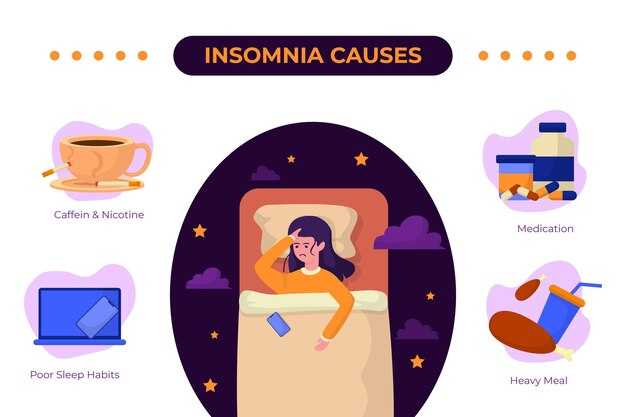 9 Daily Habits Throughout the Day for a Better Night’s Sleep">
 Как стать интереснее – 10 практических способов повысить свой шарм">
 Best Breathing Exercises for Sleep – Techniques for Better Rest">


