

 Russian
  English
  French
  German
  Italian
  Spanish
  Polish
  Ukrainian
  Turkish
  Portuguese
  Greek
Greek  Arabic
  Korean
  Chinese
  Japanese
  Czech
Czech  10 шагов, чтобы преодолеть страх неудачи — практическое руководство">

Initiate a 90-day micro-experiment: pick a single small project, set three objective metrics (completion rate, time-to-first-result, user feedback), schedule four 90-minute focused blocks per week and accept clear exit criteria so decisions follow data instead of impulse.
The contents includes a one-page plan that maps reality to action: goals, deadlines, predicted setbacks, a post-mortem template and a habit tracker. If feelingthe urge to stall, start a 5-minute micro-task; make sure theres short-term evidence of progress (a commit, a demo, a short note) that resets momentum.
Practice identifying the exact thoughts and traits that block work by keeping a two-column log (evidence vs hypothesis) for two weeks, then change one behavior that draws attention away from rumination–use a 3-breath grounding cue at the heart of each session and a 25/5 focus cadence. Boost chances of completion by adding public milestones and inviting two external reviewers to raise accountability.
Accept setbacks as information, not identity: treat an unfinished deliverable as data for revision, not a verdict on themselves. Combine quick wins with long experiments so confidence and learning grow in parallel. Remember: small, consistent actions compound–achievers make marginal gains routine and measure progress weekly.
Outline
Define a 90-day plan: select three micro-activities per week (60–120 minutes each), record baseline self-rating 1–10 and target a 20% improvement, log completion as pass/fail and qualitative notes to measure results and recognize patterns.
Limit daily major decisions to five and use a decision log to capture rationale; invite a trusted reviewer (father, mentor or peer) for weekly feedback – insecurities tend to bias forecasts, so sometimes use a counterfactual column to motivate more realistic expectations.
Create a monthly learning loop: acquire one concrete skill (6–12 hours of focused practice), run A/B comparisons of task methods, track time-on-task, error rate and emotional cost; identify which activity produces greater measurable gains and make external accountability part of your routine (if in montreal, join two local meetups per month).
Write clear definitions of success for each experiment: numeric targets, quality thresholds and deadlines. Use the log to explain why you select an approach, compare projected vs actual results every two weeks, adjust plans to get better data-driven decisions, and keep one monthly “wild” trial to counter paralysis and test what you ever thought was impossible.
Identify the Specific Fear Triggers in Your Daily Tasks

Record every instance across seven workdays when a decision stalls you for more than 90 seconds: note the task name, exact point of hesitation, who’s involved, immediate action taken and perceived consequence; this raw log turns vague worries into measurable decisions data.
Analyze the log quantitatively: compute frequency per task, median stall time, observed error rate (errors per 100 attempts) and minutes lost per day – rank the top three triggers behind the largest impact. Prioritize the trigger with greater frequency multiplied by severity (frequency × minutes lost = impact score).
Design micro-experiments for each top trigger: choose a similar low-stakes scenario and do a forced 5-minute decision trial; repeat 10 times and record outcomes. Track reduction in stall time, change in error occurrences and subjective confidence after each trial. Aim for a 20–30% reduction in overthinking within three weeks; adjust parameters if no measurable change.
Apply behavioral swaps: when avoidance appears, implement a 2-minute action rule (do one small step immediately) and log results. Solicit feedback from a friend or professional coaches; Montreal-based coaches often recommend role-play and graded exposure inside corporate contexts to boost practical skills. Note what you shed emotionally and what strategies helped you overcome past stalls – list exact phrases that shifted your behavior.
Limit risk calibration: categorize tasks by objective risks and possible benefits, then set an approval threshold (e.g., proceed if projected benefit ≥ risk × 1.5). For scary choices, create a rollback plan to reduce perceived stakes; never ignore the rollback – testing with a safety net lowers resistance and increases confidence.
| Task | Trigger | Immediate behavior | Baseline metric | Goal (3 weeks) |
|---|---|---|---|---|
| Client pitch (corporate) | uncertain pricing decision | delay, ask for more data | stall 180s, 4% error | stall ≤90s, error ≤2% |
| Weekly status email | fear of tone | over-editing | 45min prep, 2 revisions | 15min prep, 0–1 revision |
| Prototype demo | anticipation of public mistake | avoid live demo | 0 live attempts/week | 2 live attempts/week |
After three weeks, compare impact scores and behavioral metrics: keep successful micro-experiments, iterate on those that produced minimal change, and allocate time weekly for creatively rehearsing high-impact scenarios. This method reduces error exposure, clarifies risks, and produces measurable boosts in task performance and confidence.
Define What Failure Would Mean in Concrete Terms
Set three numeric loss thresholds for each initiative: performance threshold (e.g., sales < 60% of target after 90 days), time threshold (MVP milestones missed by month 6), resource threshold (burn rate > 25% of forecast). Use exact values, review dates, and owner names so decisions are data-driven rather than subjective.
Identify the front-line situations that will trigger those thresholds: customer churn, unresolved critical bugs, legal hold or supplier cutoff. For each situation write one sentence: “If X reaches Y by date Z, stop current work and execute contingency.” This converts vague worry into a rule your team can accept.
Assign a second check and a mentor for escalation. For example, in cleveland assign a regional lead who reviews the dashboard every Monday; if problems are found they escalate to product within 48 hours. For overcoming inertia the best approach is a single person with veto authority; they must record the rationale when triggering a pivot. Beginners should rehearse the decision sequence three times before live deployment.
Log behavioral signals that signal avoidance: repeated deadline shifts, meetings canceled, or low-detail status updates. Track how often theyre delaying releases and quantify disappointment by customer survey and revenue delta; a >7-point NPS drop or >15% revenue variance is actionable. When a threshold is hit, accept the documented turn and execute the contingency suite (pause, pivot, refund), then stop additional feature work until post-mortem is complete.
Document outcomes in a single playbook so future teams can use developed limits and stop repeating the same errors. Record what was doing at each checkpoint, why a decision was found necessary, and the metrics behind that judgement; this produces healthier processes and probably faster, clearer responses next time.
Assess Realistic Consequences vs. Perceived Threats

List the three most likely outcomes with probabilities and three measurable impacts: days of delay, direct cost in dollars, and reputational hit on a 0–10 scale; record these figures before you commit to the activity.
Compare those figures to patterns from past failures and routine activities using observational knowledge and basic behavioral metrics (frequency, duration, recovery time). Example: sami logged five prior projects–two had 5–7 day delays and cost 1–3% of budget; theyll usually recover within two sprints, making the perceived threat quantifiably smaller when mapped against familiar patterns.
Create a three-part coping plan that reduces binary thinking and fixed assumptions: 1) action buffer (add 15–30% time contingency), 2) mitigation actions (two concrete fixes ranked by cost and speed), 3) review checkpoint at 48–72 hours. Emphasize letting go of perfection and practice small activities that build competence; adopt ways that strengthens resilience and keep the goal measurable to avoid catastrophizing and negative spirals.
Track outcomes for the whole project over the next 30 days: percent of milestones met, number of mitigation activities executed, and subjective stress rating. If a negative effect reduces progress by more than 20% of the goal, trigger escalation and a short lessons-learned session. Admire recovery patterns in colleagues who handled setbacks well and replicate their behavioral templates to shorten future impact.
Планируйте небольшие эксперименты для проверки предположений
Проведите три таймбоксированных микро-эксперимента: по 7 дней каждый, 30–60 минут в день, лимит затрат $50, целевое значение n = 10–20 настоящих взаимодействий с пользователями; сформулируйте одну четкую гипотезу и одну основную метрику (пример: коэффициент подписки на электронную почту ≥10% или 3 записанных положительных утверждения).
Сформулируйте гипотезу в виде «Если я [действие], то [измеримый результат] увеличится на X%». Зарезервируйте контрольную группу (без изменений) и экспериментальную группу. По возможности используйте метод разделения на две группы для участников: половина видит версию А, половина видит версию B; если не удается привлечь людей, используйте будние дни в качестве контрольной группы, а выходные — в качестве экспериментальной. Сначала отслеживайте бинарные результаты (да/нет) и один качественный тег на взаимодействие, чтобы избежать застревания в чрезмерном анализе.
Зарегистрируйте три сигнала высокой интенсивности и три сигнала низкой интенсивности: конверсии, время выполнения задачи и две короткие цитаты за сеанс. Негативные результаты на ранних этапах — это валидные данные — помечайте их как обучение, а не неудачу. Рассчитайте простой прирост: (конверсии с применением изменений − конверсии контрольной группы) / конверсии контрольной группы. Если прирост < 10% и качественные признаки не оправдывают дальнейшей работы, прекратите тест и вернитесь к уточнению гипотезы, вместо того, чтобы позволить сомнениям подорвать прогресс.
Когда вы разговариваете с менторами или коллегами о результатах, показывайте исходные данные, погрешность (±√(p(1−p)/n)) и однострочное решение: итерировать, масштабировать или закрыть. Ожидайте довольно небольшую вероятность того, что все пройдет как надо; такова реальность, она открывает возможности, которые вы не предвидели. Небольшие победы повышают уверенность и уменьшают тревожные размышления; даже улучшение на 15% в микро-тесте часто становится заметным в еженедельной динамике и помогает поддерживать страсть и общую цель – постоянное снижение сомнений, которое увеличивает долгосрочное удовлетворение и ощутимые преимущества, которые возвращаются к вашей работе.
Создайте личную систему безопасности и четкие правила принятия решений.
Создайте трехступенчатую систему страхования перед любым значительным выбором: 3 месяца ликвидных сбережений, минимально жизнеспособный план отката для навыков и обязательств и письменное правило принятия решений, которое заставляет откладывать и консультироваться.
- Финансовая подушка: Держите 3–6 месяцев основных расходов на легкодоступном счете (месячные расходы × 3–6). Преимущества: снижает панику и дает время подумать. Если не удается восстановить в течение 6 месяцев, активируйте план отката.
- План отката для навыков и ролей: document 5 основных навыков, которые вы можете применить в течение 30 дней, плюс один курс или наставник для восстановления способности в течение 90 дней. Начните с навыков, которые приносят немедленный доход (консультирование, репетиторство, фриланс).
- Пороговые значения решений: установить числовые триггеры – если прогнозируемый убыток >5% чистого капитала или задержка >30 дней, требуется 48-часовой перерыв и по крайней мере одно внешнее мнение (партнер, друг или профессионал). Эти правила предотвращают импульсивные действия, когда мозг склоняется к негативным мыслям.
- Протокол консультации: перечислите 2 проверенных партнера и одного нейтрального советника; когда вы заняты или находитесь в состоянии стресса, звоните первому доступному. Если контракт или информация на английском языке, а понимание ограничено, попросите друга, свободно владеющего английским языком, проверить в течение 24 часов.
- Чек-лист «преждевременной смерти» (6 причин сбоя):
- Неверные предположения — напишите три альтернативных сценария и их вероятности.
- Недооцененные затраты – добавьте строку непредвиденных расходов 20% в бюджеты.
- Нехватка навыков – запланируйте один интенсивный 2-недельный краткий курс перед принятием обязательств.
- Зависимость от одного партнера — создайте резервный контакт в течение 14 дней.
- Конфликты по времени – выделяйте блок 2 календаря каждую неделю для срочных корректировок.
- Эмоциональные решения – если приходит паника, остановитесь и сделайте двухминутную дыхательную гимнастику; если все еще возбуждены, отложите принятие решения на 24–72 часа.
- Триггеры самосознания: определяйте признаки, когда выбор становится скомпрометированным — учащенное сердцебиение, неспособность артикулировать плюсы/минусы или повторяющиеся негативные мысли. Когда это появляется, применяйте правило 48-часового периода и сверяйтесь со своим списком.
- Контрольный список реализации (хранить на виду):
- Аварийный фонд: точная сумма и местонахождение.
- Инвентаризация навыков с указанием сроков для перераспределения.
- Правило принятия решения с числовыми пороговыми значениями и указанными контактными лицами.
- Однострочное задание, направленное на принятие позитивных решений под давлением.
Измеряйте результат после каждого решения: записывайте исход, почему это сработало или не сработало, и обновляйте набор правил в течение 7 дней. Иногда небольшие изменения в правилах приводят к существенным преимуществам; если появляются закономерности занятости или невозможности действовать, ужесточайте пороги. Держите этот файл доступным и пересматривайте его ежеквартально с партнерами или другом, чтобы сохранять ясность и уменьшать реактивные действия.
 Самоконтроль и рефлексия для изменения поведения – ключевые стратегии">
 Как стать менее эмоционально реактивным — практические советы">
 7 Things to Say When Someone Gaslights You – Practical Phrases to Stand Your Ground">
 How and Why to Date Yourself – A Practical Guide to Self-Love">
 Как справиться с негативным супругом: практические советы для здоровых отношений">
 3 Причины, по которым вы принимаете ужасные решения (и как это остановить)">
 21 Romantic Phrases in English to Impress Your Date – Quick Guide">
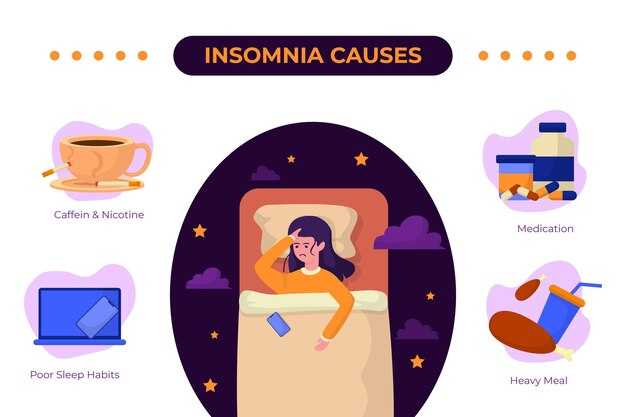 9 Daily Habits Throughout the Day for a Better Night’s Sleep">
 Как стать интереснее – 10 практических способов повысить свой шарм">
 Best Breathing Exercises for Sleep – Techniques for Better Rest">


