

 Polish
  English
  Russian
  French
  German
  Italian
  Spanish
  Ukrainian
  Turkish
  Portuguese
  Greek
Greek  Arabic
  Korean
  Chinese
  Japanese
  Czech
Czech 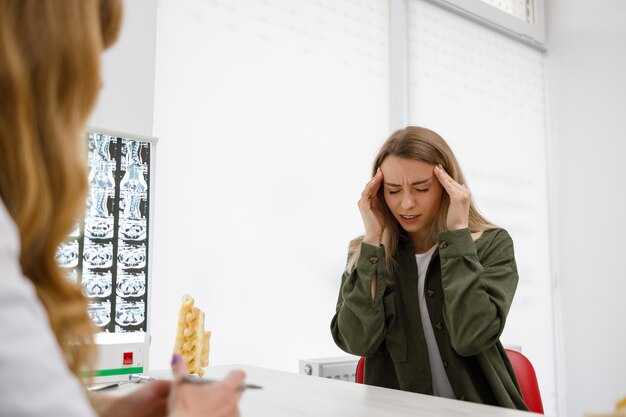 What Is Situational Anxiety? Causes, Symptoms & Treatment">

Begin with controlled breathing: inhale for four counts, exhale for six, repeat for 5–10 minutes before and during a triggering situation. Clinical trials and lab studies show paced breathing lowers heart rate and reduces acute anxiety symptoms by measurable amounts; according to a 2017 review, simple breathing exercises reduce physiological arousal in 60–70% of short-term trials. Use this technique to manage spikes of anxiety at home, at work, or before social or performance tasks.
Situational anxiety describes an acute emotional response tied to specific triggers rather than a chronic mental disorder. Typical causes include public speaking, medical procedures, separation from a caregiver, specific phobias and stressful life conditions such as job loss or legal problems. A formal diagnosis only follows when symptoms meet frequency, duration and impairment criteria; otherwise treat the episode as an identifiable condition with targeted strategies. Watch for patterns of avoidance, catastrophizing thoughts and rapid breathing that signal escalation.
Treatment combines short-term tactics and structured interventions. For immediate relief use breathing, grounding and brief exposure steps at home as part of a self-help plan; for persistent or severe cases, cognitive behavioral therapy (CBT) and graded exposure produce 50–60% symptom reduction in most controlled trials over 8–12 sessions, according to multiple meta-reviews. Beta-blockers can blunt performance-related symptoms for single events, while SSRIs or SNRIs serve for repeated episodes tied to an underlying anxiety condition. Track symptoms in a daily log to identify triggers and response patterns to inform clinical review.
Act early and set clear thresholds for professional help: seek assessment if anxiety impairs work or relationships, causes panic attacks, or creates safety danger such as fainting, suicidal thoughts or severe avoidance. Use measurable goals (three 10-minute exposures per week, progress review every two weeks). Practical self-help steps will include structured breathing, brief situational rehearsal, and replacing catastrophic predictions with specific alternative outcomes; combine these with a formal treatment plan when symptoms persist beyond four weeks or worsen.
Spotting situational anxiety in specific real-life scenarios

Act on clear signs: note a sudden race of the heartbeat, trembling, sweating, lightheadedness or an urge to isolate and step away – those are immediate indicators of situational anxiety that require a quick coping move.
Live presentation example: some people become visibly nervous, their voice shakes and heartbeat races. Plan a brief pre-talk routine (two minutes of paced breathing, one relaxation cue word), arrive early to reduce unpredictability, and arrange a colleague signal so you can step away briefly and come back with composure.
Healthcare visits and pandemic-related appointments often trigger anxiety related to confined spaces, waiting, or medical procedures. Symptoms vary by person: trembling and nausea for some, dissociation for others. Call the clinic ahead to request quieter times, bring a support person, and plan exact transport and arrival times to reduce uncertainty.
Public transport and flying: crowded platforms or turbulence can prompt a rapid heartbeat and racing thoughts. Use grounding: press feet into the floor, name five visible items aloud, then take slow exhalations. Gradual exposures – short trips that increase in length – make avoidance less necessary and reduce the urge to isolate.
When symptoms limit daily life or interfere much with work or relationships, consult a healthcare professional. Keep a simple log of triggers, conditions, intensity and what helped; that understanding lets you plan targeted relaxation practice, adjust behavioral steps, and discuss whether medication alongside therapy fits your needs so you can get back to routine activities.
How to distinguish a situational spike from a panic disorder episode
If an episode is brief, directly follows a clear trigger, and resolves with grounding or removal from the trigger, treat it as a situational spike; if attacks recur unexpectedly, cause persistent worry or behavior change for weeks, and occur in many settings, evaluate for panic disorder and consult an expert.
-
Identifying timing and duration
- Situational spikes: symptoms begin within seconds of a trigger and usually decline within 20–60 minutes.
- Panic disorder episodes: attacks often peak within 10 minutes but recur unpredictably; patients report repeated unexpected attacks and persistent concern for at least one month.
-
Recognizing triggers and scenarios
- Situational: linked to specific stressors – public speaking, a flight, separation from a caregiver, or phobias – and are likely to repeat only in the same scenario.
- Panic disorder: attacks occur across many scenarios, sometimes without an obvious trigger, and avoidance or anticipatory anxiety develops.
-
Symptom pattern and severity
- Situational spikes often cause a quick increase in heart rate, sweating, lightheadedness; symptoms ease when the trigger is removed or breathing normalizes.
- Panic disorder produces intense fear, derealization or depersonalization, chest pain and strong fear of losing control; difficulty functioning between attacks is common.
-
Functional impact and persistence
- Situational anxiety may temporarily disrupt a task but does not cause persistent avoidance or long-term decline in daily functioning.
- Panic disorder leads to persistent changes in routine, avoidance behaviors, and often co-occurs with depression or other types of anxiety; symptoms persist without treatment.
Practical plan for identifying which you have:
- Keep a daily log for 4 weeks: record trigger, time to peak, total duration, heart rate (if available), and a 0–10 severity score.
- Note patterns across many days and scenarios; identify whether avoidance or anticipatory worry develops.
- Share the log with an expert (primary care, psychiatrist, or psychologist) to check for diagnostic criteria and comorbid depression.
Immediate coping and next steps
- For quick situational spikes: practice paced breathing, grounding exercises, and leave the trigger when possible to reduce sympathetic response.
- For recurrent or persistent attacks: seek evaluation for therapy (CBT, exposure for phobias) and medication options; ssris can improve frequency and severity over weeks when prescribed by a clinician.
- If you experience chest pain that differs from usual panic, fainting, suicidal thoughts, or severe functional decline, obtain urgent medical care.
Final indicators that point toward panic disorder rather than situational anxiety: unpredictable attacks, persistent worry about future attacks, marked avoidance across daily life, and difficulty resuming normal activities. Use the tracking plan above and consult an expert to create a treatment plan that helps you overcome symptoms and improve functioning.
Which common situations (job interviews, medical visits, public speaking) most often trigger it
Use a 4-4-8 breathing and stance check to lower immediate symptoms and give youre body a predictable cue that theres control available.
Public speaking most frequently triggers situational anxiety: surveys often report 60–75% of adults feel noticeable fear before speaking to groups. Distinct sensations include a racing heart, light-headedness, voice shake and sudden blanking. Practice exposure in small steps (recording yourself, then speaking to a friend, then a small group), pair that with deep-breathing exercises and short grounding tasks to manage acute waves. Rehearse opening lines until they feel little and familiar rather than novel and threatening.
Job interviews trigger anxiety because performance gets tightly evaluated; many candidates report moderate anxiety in 40–60% of interviews. Perceived high stakes and uncertainty about questions can suddenly amplify symptoms that are otherwise normal. Treat preparation as skill-building: script 3 core stories about your work, practice concise answers aloud, and plan arrival time to reduce rushing. If youre prone to catastrophic thoughts, isolate one belief at a time and test it with objective evidence–this work helps make worries manageable.
Medical visits trigger anxiety through anticipation of pain, loss of control or bad news; needle fear alone affects roughly 10–20% of people, and clinic-related anxiety appears in about 30–40% of patients in some studies. Communicate needs to staff (they can give room to breathe or numbing options), request breaks, and use distraction techniques (counting, tactile objects) to shift deeper sensations. Tell clinicians if you’ve had panic-like responses so they can adapt procedures; treating the environment reduces both perceived threat and physiological arousal.
| Situation | Typical symptoms | Quick, evidence-based actions |
|---|---|---|
| Wystąpienia publiczne | Heart palpitations, dry mouth, tremor, blanking | Short breathing sets, micro-practice, visual focus on friendly faces, rehearsal of first 60 seconds |
| Job interviews | Racing thoughts, sweaty palms, overthinking answers | Prepare 3 concise examples, arrive early, mirror posture of interviewer, use grounding 5-4-3-2-1 |
| Medical visits | Anticipatory dread, nausea, faintness, avoidance | Tell staff needs, ask for stepwise explanations, use topical numbing if relevant, bring support person |
Recognized patterns matter: if symptoms suddenly disrupt one’s work, social life or create avoidance, that indicates impairment and signals the need to learn structured treatments. Brief cognitive-behavioral techniques, targeted exposure and short daily exercises build balance between body and thought patterns. For many, symptoms reduce to manageable levels with practice; for others, treating with a therapist or medication helps reach stability. If symptoms feel overwhelming or isolate you, contact a mental health professional or helpline for immediate guidance.
What short-term physical and cognitive signs to monitor during an episode
Check your pulse and breathing immediately: count pulse for 15 seconds and multiply by 4; if heart rate goes above ~100–120 bpm or breath rate exceeds ~20 breaths per minute, note it and slow breathing using diaphragmatic breaths (about 5 seconds inhale, 5 seconds exhale) until it steadies.
Watch specific physical signs and their thresholds – sweaty palms, cold or clammy skin, visible tremor, lightheadedness or faintness, nausea, chest tightness, shortness of breath, dizziness, pins-and-needles, or a flushed face. Mark any severe chest pain, new weakness, slurred speech, or loss of consciousness as reasons to seek urgent care. Track oxygen saturation if you have a pulse oximeter; readings under ~94% provide objective data clinicians will use.
Track cognitive changes: racing thoughts, narrowed attention (difficulty following a short conversation), slowed decision-making, sudden memory blanks, persistent catastrophic predictions, or a sense of separation from your body or environment (depersonalization/derealization). Use a quick test: try counting backwards by 3s from 100 or naming five objects in 30 seconds – failing these simple checks more than once suggests the episode is affecting cognitive processing.
Log concrete episode data each time: start time, duration, numeric intensity on a 0–10 scale, trigger or context, recent sleep and medication, and any physical measures (pulse, breathing rate, SpO2). Examples: “started 09:12, lasted 12 min, pulse 118, breath 26, intensity 7, triggered by separation from coworker.” These details provide clinicians and you with patterns about causes and effective ways to reduce frequency.
Use immediate, evidence-based coping steps while monitoring signs: practice paced diaphragmatic breathing (aim for ~6 breaths/min), perform the 5-4-3-2-1 sensory grounding (name 5 things you see, 4 you can touch, 3 you hear, 2 you smell, 1 you taste or picture), tense-and-release 20–30 seconds per major muscle group for rapid relaxation, or splash cold water on your face for a vagal response. Use whatever small object you have for tactile grounding if it helps you stay motivated to continue these techniques.
Assess pain and discomfort levels objectively: rate chest discomfort, dizziness, or nausea 0–10 and note whether each sign improves within 10–20 minutes of self-help. If physical symptoms worsen or cognitive signs (confusion, inability to follow simple commands) persist or escalate, contact medical help and provide your logged episode notes so they can gauge the role of medical causes versus situational anxiety.
Track daily patterns and review them weekly: record how often these symptoms occur, their average intensity level, and which coping ways reduce duration. That record helps you and your clinician identify triggers, distinguish anxiety from other medical issues, and plan targeted managing strategies rather than guessing during the next episode.
Practical breathing and grounding techniques to use immediately

Do box breathing: inhale 4 seconds, hold 4 seconds, exhale 4 seconds, hold 4 seconds; repeat 6 cycles while noticing your chest and belly expand and contract. This quick, repeatable routine increases parasympathetic tone, sharpens focus and lowers heart rate within 60–90 seconds.
Use 4-7-8 if you need deeper relaxation: inhale 4 seconds, hold 7 seconds, exhale 8 seconds for 4 cycles. Stop if you feel dizziness; dont push through lightheadedness. If dizziness appears, switch to equal-count breathing (5 in, 5 out) and concentrate on grounding instead of concentrating solely on breath.
Apply the 5-4-3-2-1 sensory grounding: name 5 things you see, 4 things you can touch, 3 sounds you hear, 2 smells you notice, 1 taste or breath sensation. Move beyond internal rumination by cataloguing external sensations; psychology research shows this redirects exaggerated reactions and reduces panic within minutes.
Use physical anchors: press both feet firmly into the floor for 20 seconds, clench and release fists three times, or hold a cold cup of water for 30 seconds. These micro-actions change nervous-system signals and ease increased tension when you feel triggered by a crowd, a party, or flying.
Combine methods during acute episodes: do 3 cycles of box breathing while running the 5-4-3-2-1 count in your head, then sit quietly for 60 seconds and label one emotion (“anxious,” “nervous,” “irritated”). Naming emotions reduces their intensity; the idea is to observe reactions rather than be driven by them.
Practice mini-sessions daily: 2 minutes morning box breathing and a 3-minute grounding scan before bed. Repeated practice lowers baseline arousal and makes techniques easier to access when facing a trigger. If a technique actually increases distress, stop and try a gentler option so relief arrives, not altogether more strain.
Carry a simple toolkit: a 30-second breathing card, a small textured stone, and a short script (“I am safe for now”) to read aloud. Use these in situations where concentrating is hard–public speaking, airports, or social gatherings–and you’ll find faster ease with familiar steps rather than improvising under pressure.
When to contact a clinician and what concrete details to report
Contact a clinician immediately if you have suicidal thoughts with a plan or intent, are not able to keep yourself safe, or experience a rapid change in symptoms such as chest pain, fainting, severe shortness of breath, or panic attacks that last more than 20–30 minutes and do not respond to calming techniques.
Schedule an appointment within 48–72 hours when anxiety or related symptoms become persistent and interfere with daily function: symptoms present most days for two weeks or longer, repeated panic episodes several times per week, inability to attend work or school, or marked changes in eating such as eating nothing for days or rapid, unhealthy weight loss (>5% body weight in one month).
Bring exact, concrete data: dates and time of first symptoms, frequency per day/week, typical episode length in minutes, intensity on a 0–10 scale, specific triggers, and observable behavior (e.g., pacing, avoidance, trembling, clinginess suggesting separation anxiety). Note whether symptoms began suddenly or after a long buildup and whether they coincide with sleep loss, caffeine or alcohol use, or medication changes.
Report medical and psychiatric history: current medications with doses and start dates, past psychiatric diagnoses (depression, anxiety, PTSD), family history of suicide or serious mental illness, recent infections or medical problems, and any contact with emergency services. State both prescription and nonprescription substances, number of alcoholic drinks per day, nicotine use, and any supplements.
Prepare a two-week symptom diary before the visit: daily sleep hours, eating patterns, specific episodes with time stamps, objective signs (heart rate if measured, fainting, vomiting), and situations that make symptoms better or worse. If you feel that nothing helps, write the coping strategies you tried and their immediate effect; that detail is helpful for treating decisions.
Tell the clinician about functional impact and risk: inability to perform caregiving or self-care, withdrawing from relationships, or new risky behaviors. Expect the clinician to explore depression and assess suicide risk, consider brief medical tests for autonomic system causes, and discuss treatments that might include therapy, medication, or safety planning. Arrange follow-up within one week if symptoms persist or resilience appears to decline.
 How to Use I-Statements Accurately and Effectively — Improve Communication & Resolve Conflict">
 Is It Ever OK to Date a Friend’s Ex? Therapists Say It’s Complicated">
 4 Ways to Practice Mindful Communication at Work | Boost Team Collaboration & Clarity">
 How to Fix a Relationship After Cheating – Steps to Rebuild Trust">
 What Is a Platonic Relationship? A Clear Guide to Friendship">
 The Spectrum of Love – Karmic & Spiritual Connections Explained">
 Benefits of Having Friends Outside Your Relationship — Strengthen Your Bond & Emotional Health">
 Low Mood, Sadness & Depression – Symptoms, Causes & Help">
 Mindful Walking Meditation – Step-by-Step Beginner’s Guide">
 Brain Freeze – Why Your Brain Loves the Cold (Explained)">


