

 Polish
  English
  Russian
  French
  German
  Italian
  Spanish
  Ukrainian
  Turkish
  Portuguese
  Greek
Greek  Arabic
  Korean
  Chinese
  Japanese
  Czech
Czech  What Is Deep Sleep? Benefits, Stages & How to Improve It">

Prioritize 7–9 hours of nightly rest and target 1–2 hours of deep (slow-wave) sleep by fixing wake and bed times, avoiding caffeine within six hours of bedtime, and doing a 10–20 minute relaxation routine before lights out.
Deep sleep is the third non-REM stage in a four-stage sleep architecture (N1, N2, N3, REM); it occurs mostly in the first two cycles of the night. Each cycle completes in ~90–110 minutes, and adults typically experience a number of four to six cycles per night. Deep sleep commonly represents about 13–23% of total sleep in young adults, which translates to the 1–2 hour target above for an 8-hour sleep period.
Biological benefits include memory consolidation, hormone release (growth hormone peaks during deep sleep), and lower markers of inflammation compared with fragmented sleep. Small amounts of alcohol in the evening can reduce deep sleep by up to 20–30% and increase next-day sleepiness, so avoid drinking within 3 hours of bedtime. Weight, chronic pain, and untreated sleep apnea also cut deep sleep amounts; addressing those conditions increases deep sleep and reduces daytime fatigue.
Divide strategies into clear categories for improving deep sleep: schedule (consistent times, morning bright light), environment (16–19°C, full darkness, quiet), behavior (no late caffeine, limit naps to 20–30 minutes before 3pm, finish heavy meals 2–3 hours before bed), and recovery (regular aerobic exercise completed earlier in the day). Add small, actionable habits: a 15-minute progressive muscle relaxation, a 5–10 minute breathing set (4–6 breaths per minute), and limiting screen exposure 60 minutes before bed. Try binaural delta tones for 15–30 minutes at low volume if you tolerate sound; evidence is mixed but some users report modest improvements in sleep onset and continuity.
Track progress: log sleep times, deep-sleep estimates from validated wearables, and daytime sleepiness on a simple scale. Use that knowledge to iterate–if deep sleep remains low despite sleep hygiene, consult a clinician and check a reputable website or sleep clinic for home testing and tailored treatment. These steps make improving deep sleep measurable and actionable.
Defining deep sleep (N3): how to recognize it
Verify N3 with an overnight EEG (polysomnography) or a validated headband EEG; aim for 20–40 minutes of N3 per period during the first two sleep cycles as a practical benchmark.
- Objective EEG markers: large-amplitude delta waves at ~0.5–2 Hz indicate N3; this high-amplitude slow activity defines the stage and correlates with reduced cortical responsiveness.
- Autonomic signs: heart rate and respiration slow and regular; muscle tone is low; blood pressure often decreases compared with wake. These physiologic shifts support sleep-related recovery functions.
- Behavioral signs: deep, hard-to-awaken sleep with minimal reaction to low-level noises; waking directly from N3 often produces brief sleepiness and grogginess before the mind clears.
- Endocrine evidence: the pituitary releases growth hormone during N3; that hormone surge reflects repair and metabolic restoration linked to this stage.
Use evidence-based testing methods first:
- Polysomnography (PSG) – clinical gold standard; provides accurate stage scoring and simultaneous heart, breathing and EEG data.
- Validated home EEG headbands – fast and convenient for repeated measures; expect lower spatial fidelity than PSG but useful for tracking trends and testing interventions.
- Actigraphy and pulse-only wearables – provide sleep/wake patterns but dont reliably detect N3; avoid using them as the sole N3 indicator.
Quantitative benchmarks and population notes:
- Healthy young adults commonly spend roughly 13–23% of total sleep in N3; percentages fall with age so older adults often have a small N3 fraction.
- N3 episodes concentrate in the first third of the night and each episode typically lasts 20–40 minutes; later periods are shorter and rarer.
- Cross-nations research and clinical updates show consistent age-related decline; consult normative tables in sleep reports for local reference ranges.
Practical ways to increase N3 (actionable, evidence-based):
- Prioritize consistent sleep timing and sufficient total sleep: longer sleep increases opportunity for N3 in early cycles.
- Avoid alcohol within 4–6 hours of bedtime; alcohol may increase early slow waves but fragments later N3 and reduces overall restorative function.
- Use a balanced diet with regular meals and moderate evening carbohydrate intake; specific dietary patterns can influence slow-wave propensity.
- Incorporate daytime high-intensity interval activity sparingly – one or two sessions per week can raise deep sleep in some people, but dont exercise intensely within 2 hours of bed.
- If medications or supplements change sleep architecture, discuss with a clinician; several drugs alter N3 and pituitary/hormones profiles.
Fast checks at home:
- Run a validated headband EEG for several consecutive nights and compare N3 minutes per night; look for consistent increases or decreases rather than single-night swings.
- Track daytime sleepiness and simple cognitive tests: sustained reduction in sleepiness and improved recall often accompany increased N3.
- Keep a short table in your sleep log: date, total sleep, N3 minutes, subjective sleepiness, notes on diet/meds – this makes trends and updates convenient to review with a clinician.
Use objective measures when possible, combine physiological and behavioral signals, and consult evidence-based reports for accurate interpretation; that approach will make N3 identification practical and clinically useful for daily life and long-term brain health.
EEG and brainwave signs used to identify N3
Recommendation: Use overnight polysomnography with a standard EEG montage and apply aasm scoring: classify a 30‑second epoch as N3 when delta activity (0.5–2 Hz) occupies ≥20% of that epoch.
Look for high-amplitude, synchronized slow waves that dominate frontal and central head leads; these slow oscillations show peak-to-peak amplitudes substantially larger than wake EEG and produce clear delta power peaks on spectral analysis. EMG shows reduced muscle tone and eyes lack the rolling movements seen in lighter stages, while cortical responses to external stimuli are markedly attenuated.
Expect N3 to appear early in the night and reach its longest continuous periods during the first sleep phase: youll usually reach N3 within 30–60 minutes after sleep onset, and N3 duration declines across later cycles. In healthy young adults N3 typically comprises roughly 13–23% of total sleep, but individual findings vary by age, medication and medical conditions.
Assess consistency by recording regularly across multiple nights: night-to-night variability can mask true changes, so average percentages and spectral delta power across at least two to three nights before concluding there is a deficit. When working with technicians, ensure artifact rejection (movement, ECG, electrode pops) so slow waves reflect brain activity rather than noise.
Correlate EEG markers with clinical features. Vivid dreamlike experiences and confusion on awakening may signal parasomnias that arise from N3; sleepwalking, confusional arousals and some seizure disorders show N3 fragmentation or abnormal slow-wave morphology. Pregnancy and certain medications commonly reduce N3 time and alter slow-wave amplitude, so adjust expectations and scoring thresholds accordingly.
For interventions, consider closed-loop stimulation or binaural auditory protocols aimed at enhancing slow oscillations, but interpret effects cautiously: studies report modest increases in delta power and transient boosts in slow-wave amplitude rather than guaranteed increases in N3 percentage. Use objective EEG endpoints (delta % per epoch, slow-wave slope measures, cross‑channel synchrony) to evaluate impact.
Report N3 with both epoch-based percentages and continuous measures (total minutes, longest continuous period, mean delta power). Include aasm rule references, raw channel examples from frontal leads, EMG levels and observed behavioral responses so clinicians can compare findings, formulate a recommendation and decide whether further evaluation for disorders of arousal is needed.
Respiration, heart rate and muscle tone changes in deep sleep
Aim for 90–120 minutes of uninterrupted deep sleep in the first half of the night; this maximizes the slow-wave periods when respiration slows, heart rate drops and muscle tone reduces. Deep sleep largely happens during the first two sleep cycles, with longer episodes earlier and shorter, fragmented ones in the second half.
Respiration becomes very regular and typically slows from an awake rate of about 12–20 breaths per minute to roughly 10–12 breaths per minute in N3; shallow pauses lasting a second or two can occur but prolonged pauses suggest evaluation. Heart rate decreases by roughly 10–30% compared with daytime resting values, reflected in lower nocturnal pulse and blood pressure. EEG registered high-amplitude delta waves (0.5–4 Hz) accompany these changes and mirror the shift to deeper restorative states.
Muscle tone falls without the complete atonia of REM: limb EMG shows reduced activity allowing comfortable rolling and positional adjustments, while eyelids remain closed and slow movements are rare. These lower tone levels support physical recovery and permit the glymphatic clearing process in the brain, a key factor linked in studies to lower clearance of metabolites when deep sleep is disrupted and to higher alzheimers-related pathology over years.
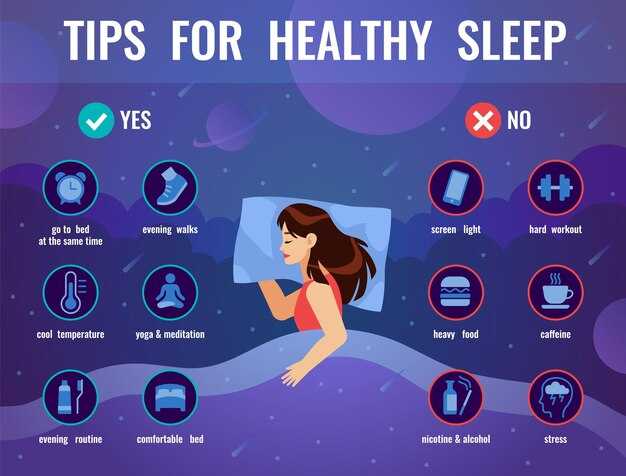
Practical steps that improve these physiological changes: keep bedroom temperature 15–19°C, avoid caffeine after late afternoon and alcohol within three hours of bedtime, and stop screen media at least 60 minutes before lights-out. If youre tracking sleep, focus on N3 minutes rather than total time in bed; consolidate sleep earlier in the night to gain deeper cycles. Short naps under 30 minutes do not replace first-night deep sleep and can disrupt nighttime architecture.
If you listen to audio, choose low-frequency binaural tracks (target 0.5–4 Hz) at low volume as an adjunct for enhancing slow-wave activity, but test tolerance–some people find audio disruptive. For children, aim for earlier bedtimes because they naturally spend more time in deep sleep; consistent schedules produce longer, more restorative N3 episodes. Small, measurable adjustments–timing meals, reducing late media exposure and making the sleep environment dark and cool–improve the process and move you closer to perfect deep sleep patterns.
Typical deep sleep duration across childhood, adulthood and older age
Aim for these target ranges of slow-wave (deep) sleep: toddlers/preschoolers 90–180 minutes/night, school-age children 60–120 minutes, teenagers 45–90 minutes, most adults 45–90 minutes, and older adults 10–40 minutes. These figures reflect nightly totals, not individual cycles, and give you a practical benchmark for tracking progress.
Deep sleep involves high-amplitude slow waves and appears mainly in the first half of the night across successive cycles. In young children slow-wave sleep can make up 25–40% of total sleep, partly because their brain builds synaptic strength and clears metabolic waste quickly. Teenagers show a sharp drop around puberty; adults typically retain ~10–20% as deep sleep, and by age 65 many people fall below 10% or under 30–40 minutes nightly, according to multiple studies.
Measure deep sleep in minutes rather than percentage when you want concrete goals: for example, if you sleep 8 hours aim for roughly 60–90 minutes of N3; if you sleep 6 hours, expect proportionally less. Deep sleep is concentrated in early cycles, thats why shifting bedtime earlier can increase its amount. A single long night at home will produce more deep sleep than fragmented rest across the day.
For improving deep sleep quickly, follow tight daily routines that build a steady circadian clock: fixed wake time, consistent 7–9 hours in adults, and age-appropriate totals for children. Make the bedroom quiet and cool, reduce evening media and bright light, move aerobic exercise to earlier hours, and avoid late caffeine or alcohol. Brief naps in school-age children are fine but keep them short so they don’t reduce deep sleep at night.
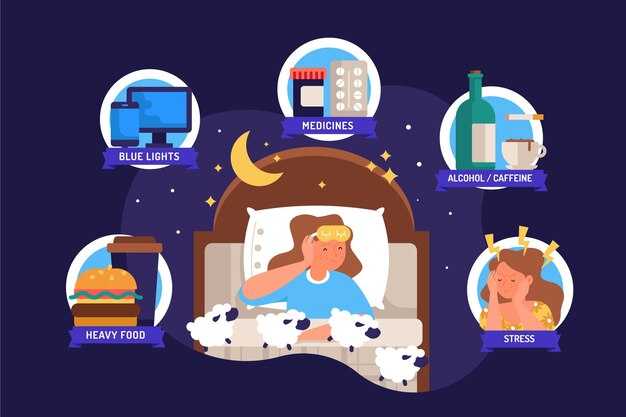
Screen-based blue light and late meals partly suppress slow-wave sleep; shift those habits and you will usually see gains within a week. If snoring, gasping, or daytime sleepiness appear, get evaluated for sleep disorder such as sleep apnea, since untreated disorders cut deep sleep dramatically and raise risk for cognitive decline and even alzheimers pathology in some research.
Follow clinical guidance for specific ages: pediatricians give sleep-hour targets for infants and children; sleep clinics can provide polysomnography details for adults. Recent papers in Frontiers and other journals (a July issue highlighted mechanisms) and longitudinal studies describe where losses occur and how successive nights of stable sleep can restore slow-wave depth. Use those study details when working with clinicians to set realistic, measurable goals.
Interpreting N3 on a standard sleep study report
Look first at the N3 percentage of total sleep time (TST), N3 minutes, latency to N3, and the N3 arousal index – those four numbers indicate whether deep sleep is adequate. Aim for roughly 13–23% N3 in younger adults, expect progressive decline with age (often <5% in older adults); latency normally sits between 30 and 90 minutes. Flag N3 <10% or N3 latency consistently >90 minutes and discuss corrective steps with a medical provider.
Confirm scoring using the AASM criteria: N3 is scored when slow waves (0.5–2.0 Hz) with amplitude >75 µV occupy ≥20% of a 30-second epoch. Watch the EEG channels for slow-wave bursts and the montage used, and check that high electrode impedance or movement artifact did not mimic delta. Look at the EMG to confirm reduced but not absent muscle tone and correlate with video when available.
Interpret associated findings: frequent respiratory events or supine apnea will fragment N3 and reduce total slow-wave minutes. Note heart rhythm changes – transient elevation in heart rate after arousals – and inspect oximetry during N3 epochs. Periodic limb movements and other arousal-causing disturbances commonly cut N3 short; treatable causes usually restore deep sleep.
Assess medication and substance effects: many antidepressants and some anticonvulsant drugs suppress N3; benzodiazepines and alcohol often blunt slow-wave amplitude and shorten N3. Advise patients to avoid late-evening drink or sedative drugs before bed and to review prescriptions with their clinician if N3 is abnormally low.
Connect physiology to outcomes: the pituitary gland releases peak growth hormone during N3, which supports tissue repair and metabolic regulation; deep sleep also consolidates learned procedural memories. Reduced N3 has been associated in multiple articles and recent journal reports with higher risk of cognitive decline and dementia and with impaired balance that may increase fall risk in older adults.
Use the full report to guide action: if N3 is low, watch for apnea, medication effects, circadian misalignment, and pain or restless-leg disturbances. Recommend a sleep diary or structured sleep journal, limiting caffeine and heavy meals late, increasing daytime activity to help grow sleep pressure, and avoiding head-of-bed elevation that fragments sleep unless medically indicated.
For follow-up, compare current PSG to prior studies and the latest scoring manual; consult online resources and peer-reviewed articles for condition-specific protocols, and schedule a medical review when N3 abnormalities coexist with cognitive complaints, cardiovascular irregularities, or unexplained daytime sleepiness.
Benefits of deep sleep: measurable health outcomes
Aim for 1–2 hours of deep sleep per night (roughly 15–25% of a 7–9 hour sleep window); use a validated tracker and seek clinical guidance if deep sleep remains insufficient.
Cardiovascular outcomes: deep sleep lowers nocturnal sympathetic activity and supports the normal nighttime dip in blood pressure. Measurable changes include reduced night-time heart rate variability and lower blood pressure variability on ambulatory monitoring; a consistent increase in slow-wave sleep correlates with reduced markers of cardiovascular strain in prospective studies.
Metabolic control: deep sleep helps maintain glucose homeostasis. Controlled sleep studies show reduced slow-wave sleep produces measurable rises in fasting blood glucose and worsened insulin sensitivity. If you want better glucose numbers, protect slow-wave sleep by keeping total sleep 7–9 hours and avoiding late-night drinking that fragments sleep.
Cognitive and memory outcomes: slow-wave sleep drives memory consolidation and synaptic downscaling. Objective gains appear on standard recall and procedural tests after nights with higher deep-sleep percentage; reduced deep sleep increases wakeful after-sleep-onset episodes and impairs next-day attention.
Mood and psychiatric risk: reduced deep sleep links to higher incidence and severity of depression in longitudinal cohorts. Clinical assessments show that improving slow-wave sleep yields measurable improvements in mood scales and lowers daytime sleepiness.
Immune and inflammatory markers: nights with greater deep sleep associate with reduced inflammatory markers measured in blood. Limited slow-wave sleep corresponds to higher CRP and pro-inflammatory cytokines in several studies, producing a measurable impact on recovery from illness.
Growth and tissue repair: the pituitary releases the majority of nocturnal growth hormone during deep sleep, which supports muscle repair and protein synthesis. That growth-signaling role is part of why children and younger adults show higher deep-sleep percentages; older adults commonly have limited slow-wave sleep and a reduced degree of nocturnal growth-hormone pulses.
Practical, measurable steps: eat fiber-rich sources earlier in the evening (higher fiber intake associates with more slow-wave sleep in dietary studies), avoid heavy drinking within 3–4 hours of bedtime, keep bedroom cool and dark to reduce wakeful noise disruptions, and maintain a stable sleep schedule every night. Track deep-sleep minutes and compare week-to-week changes; small increases of 10–20 minutes can produce detectable changes in blood and metabolic markers.
| categories | Measurable outcome | Action you can take |
|---|---|---|
| Cardiovascular | Lower nocturnal blood pressure variability; reduced night heart rate | Avoid late alcohol drinking; keep sleep duration 7–9 h |
| Metabolic | Improved fasting glucose and insulin sensitivity | Limit late-night eating; include fiber earlier in the day; prioritize deep sleep |
| Cognitive | Better overnight memory consolidation; fewer wakeful gaps | Consistent bed/wake times; reduce screen exposure before night |
| Nastrój | Lower depression scores in follow-up assessments | Address sleep fragmentation; consult clinician if mood worsens |
| Immune / Repair | Reduced inflammatory markers in blood; increased repair hormones | Prioritize uninterrupted deep sleep; treat sleep apnea if present |
If deep sleep remains limited after lifestyle adjustments, request targeted guidance from a sleep specialist; a directed sleep study can quantify slow-wave percent and identify treatable causes that directly impact measurable health outcomes.
 The Importance of Foreplay in Your Relationship – Boost Intimacy & Communication">
 Types of Casual Relationships – Guide to Casual Dating, Hookups & Friends with Benefits">
 Things to Consider Before Getting Remarried — Essential Tips">
 How to Set Boundaries with Friends Without Guilt | Tips">
 Take a Break from Work – How to Do It and Why You Need To">
 Overcoming Relationship Anxiety – From Stress to a Deeper Connection">
 Open Relationships – Rules, Boundaries & How to Make Them Work">
 How to Stay Mentally Strong During a Crisis – Practical Tips">
 Understanding and Managing Stress – A Comprehensive Guide">
 Mental Health Benefits of Making Your Bed — Boost Wellbeing">


