

 Polish
  English
  Russian
  French
  German
  Italian
  Spanish
  Ukrainian
  Turkish
  Portuguese
  Greek
Greek  Arabic
  Korean
  Chinese
  Japanese
  Czech
Czech  How to Be More Confident – 9 Practical Tips That Really Work">

Stand with feet hip-width apart, shoulders back and chin level; keep hands visible, breathe twice with slow counts of four, and hold steady eye contact while smiling for at least 30 sekund before speaking – this single routine should reduce adrenaline spikes and signal competence to listeners.
When the sequence is done daily for 10 minutes over 14 days, evidence from controlled behavioral training indicates measurable increases in self-reported assertiveness and interviewer ratings; participants generally report it feels more natural after week two and a clear benefit appears in routine interactions, because confidence comes from repeated small wins rather than theatrical gestures.
For business interviews and client meetings, keep accessories minimal, align facial expressions with concise answers, and choose steady gestures that highlight core qualities; the consequences of mismatch between words and expressions include decreased trust and missed jobs, so calibrate your nonverbal cues before high-stakes exchanges.
Don’t overthink feedback: ask concise clarifying questions until your position is understood, log specific outcomes so you can compare progress against elses, and adjust micro-routines completely when the data shows no benefit – small, measurable changes compound into reliable presence.
Daily Actions to Raise Your Confidence in 10 Minutes
Do this exact 10-minute sequence: 90s posture reset, 90s grooming and clothing check, 120s voice projection, 120s mental anchor, 60s final stance and breath – repeat every morning before leaving the house.
Grooming and fit: check clothing for a crooked collar or sleeve that doesnt sit at wrist; confirm jacket and shirt size match your shoulders; quick skin sweep (moisturiser, lip balm) for a fresher appearance; polish shoes only when visible to others. If anything were off, swap the item – visible fit matters more than brand.
Voice and hearing drill: 2 rounds of this 60s drill – inhale 3s, hum 4s, say a single confident word on a strong exhale for 6s; record one 10s clip and play it back to check volume and tone. Turn your head 45° and speak the same line to test projection while simulating real-room hearing conditions.
Non-verbal practice for introverts: build a 30–60s power stance – feet hip-width, weight distributed evenly, chest open, chin neutral. Create a firm handshake motion into empty space for 10 reps. Introverts should practice smaller, repeatable signals (eye contact for 2–4s, slight smile) that grant access to presence without draining energy.
Mental anchor and introduction prep: pick one secret anchor word; think of a recent specific success for 20s, then say that anchor word quietly out loud before any introduction. This call-to-mind shifts posture and voice; the brain then links the word to the calm, collected state you created.
Recap and quick metrics: hold posture segments 60–90s, do two 60s voice sets, spend 2 minutes on grooming, and 2 minutes on the mental anchor – totals 10 minutes. Use this routine daily for 7 consecutive days to access the habit loop; if a step doesnt work, replace it and test again.
How to use a 2-minute power posture before meetings

Stand feet hip-width, press shoulders down and back, lift chest slightly, place hands on hips or open arms, hold exactly 120 seconds while breathing box-style (4 in, 4 hold, 4 out, 4 hold) with a soft forward gaze.
- Timing: set a 2:00 phone timer and position yourself where you won’t be jostled; this ritual comes with a predictable cue for the brain.
- Location: do it anywhere on the planet – hallway, restroom stall, stair landing – avoid crowded doorways so others don’t misread your move.
- Posture details: keep ribs down, upper chest open, chin level; small adjustments to shoulder angle make you feel and appear taller without straining.
- Breath and focus: box breathing keeps oxygen steady and reduces nervous chatter; tune hearing to ambient room sounds to ground attention and stop rumination.
- Mental anchor: store a one-word cue on your lock screen (for example, “Center”) and repeat it silently during the 120 seconds to create a phasic memory that can be applied next time.
- Practical frequency: practice this sequence 3–5 times per week and before any meeting; repetition probably improves automaticity and self-care habits.
- Common mistake – gripping the neck or clenching jaw; admit tension and relax those areas instead of forcing a posture.
- If you’re having doubts, give yourself permission to pause; saying something like “I can do this” aloud once can reduce internal pressure.
- Research suggests brief posture shifts produce small hormonal and cognitive effects; applied consistently, the routine influences the brain’s threat-safety balance and overall well-being.
- Create a portable checklist in your calendar or notes app to store cues and tips you found effective; many people report immediate mood shifts after two minutes.
- Don’t confuse confidence with arrogance: this method helps human regulation, not performance theater – let the posture prepare themselves to engage, not dominate.
Which short phrases to rehearse for instant composure
Use a single three-word cue before you speak: Pause. Breathe. Speak. Repeat it 20–30 times so the phrase is tied to your exhale and triggers a calm state.
Short, situational lines to rehearse: ‘Short answer now’ (for taking a turn in Q&A), ‘One point only’ (keeps topics concise), ‘Slow voice, clear’ (reduces speed), ‘I’ll return shortly’ (buys time). Students presenting find these work when rehearsed aloud under timed conditions.
Pair each phrase with a small genuine gesture – fingertip to sternum, a slow hand down – and practice through three full breaths before stepping up. A psychotherapist often recommends this pairing because the gesture helps anchor attention and improves heart-rate recovery, which supports long-term health under pressure.
Personalised lines based on your strengths make a bigger impact: choose wording that fits your personal tone and makes you sound composed, not robotic. Be sure to test phrases with peers and ask for direct feedback from a superior or mentor; adjust wording based on concise feedback and observed rapport with listeners.
Practice routine: rehearse one phrase per day, record a 60‑second clip, review for pace and gesture, then repeat the same phrase through mock exchanges. This method helps you remember cues reliably and turns small rehearsed things into automatic responses when you need them most.
Practical breathing routine to steady your voice
Do six cycles of 4–4–8 diaphragmatic breathing immediately before speaking: inhale through the nose 4 seconds (feel the abdomen drawing outward), hold 4 seconds, exhale 8 seconds through slightly parted lips; cycle time = 16s, total ≈96s. Stand with feet hip-width, shoulders relaxed, chin neutral; place one hand on the belly to confirm diaphragmatic motion.
heres a simple setup: set a small interval device or phone timer to 16s × 6 so you don’t count. This quick routine fits between company calls or before job interviews; some jobs require rapid warmups, and this can be taken in under 2 minutes to stabilize pitch and reduce tremor.
Frequency and progression: do 1 set before each engagement; if anxiety persists, repeat 2–3 sets with 30s rest. Practice daily for 14 days (3 sets per day) to create a personal baseline. Don’t underestimate short, consistent practice – measurable steadiness is often taken after ~2 weeks of repetition.
Technique while speaking: begin phrases on a controlled exhale, keep phrases to 8–12s before taking the next breath, and use mild abdominal support rather than throat tension. Monitor qualities you want (steady pitch, even volume); recording 60–90s samples weekly shows progress and makes adjustments easier to understand.
Jeśli głos napręża się w trakcie zdania, przerwij, weź wdech na 2 sekundy, wydech na 6 sekund, a następnie kontynuuj w wolniejszym tempie. Być może użyj dwuwyrazowego sygnału (na przykład „miękki oddech”), który możesz wypowiedzieć w myślach, aby szybko uruchomić procedurę. Działa to w małych salach konferencyjnych i podczas rozmów telefonicznych, gdy urządzenie musi pozostać bezgłośne.
Zapisywanie logów, notowanie postrzeganego poziomu pewności w skali 1–10 oraz ocenianie stabilności każdej sesji. Chociaż wyniki różnią się w zależności od osoby, wiele osób zgłasza mniejsze drżenie i większą kontrolę; prowadzenie krótkich logów motywuje. Pochwal siebie za konsekwencję i bądź wdzięczny za stopniowe postępy.
Jak wybrać jeden mikrocel, aby wygrywać każdego dnia

Wybierz jeden mikrocel, który możesz zrealizować w 7 minut lub mniej i zmierz go przy użyciu pojedynczego wskaźnika: 50 słów, 20 przysiadów, uporządkuj jedną półkę lub opublikuj jeden status. Zapisz ukończenie jako zrobione/niezrobione i pozwól, aby ten mały wskaźnik mówił sam za siebie.
Wybierz cele, które dają efektywne informacje zwrotne w ciągu 10 minut, nie wymagają specjalistycznego sprzętu i działają bez konieczności tworzenia interakcji społecznych. Wybierz działanie fizyczne (20 przysiadów) lub działanie poznawcze (50 słów); zadbaj o to, by krok był na tyle mały, by zmieścił się w dojeździe do pracy lub przerwie obiadowej, niezależnie od spotkań lub podróży.
Śledź codzienne notatkę w jednej linii w notesie lub w jednej kolumnie w aplikacji i zaplanuj 10–15 minutowy tygodniowy przegląd, aby liczyć serie. Jeśli zostanie pominięty przez kilka dni, zmniejsz cel o 50% na trzy dni; jeśli dane wskazują na pogorszenie nastroju lub unikanie, skonsultuj się z terapeutą. Unikaj poszukiwania potwierdzenia w oczach lub słuchu przyjaciół – mierz działaniami, a nie oklaskami, i dostosuj, gdy coś wydaje się nie tak.
Kiedy najgorsze się zdarzy i pomijesz trzy dni, skurcz zadanie do pojedynczej, powtarzalnej mikro akcji (jednego akapitu, jednej powtórki). Te małe sukcesy naprawdę się kumulują: konsekwencja staje się szybko widoczna i zmienia przekonania na temat możliwości. Jeśli publikowanie celów pogarsza wyniki, usuń post i przyjąć prywatną politykę dotyczącą rejestrowania wyników, aby postęp był oceniany przez Ciebie, a nie przez innych.
Prosty trening z lustrzanym sprzężeniem zwrotnym w celu śledzenia małych postępów
Wykonaj pojedynczą sesję lustrzaną trwającą 90 sekund każdego ranka: ustaw 90-sekundowy timer, stań w odległości 60 cm od lustra w dobrze oświetlonym miejscu, z widoczną górną częścią tułowia. Przez pierwsze 10 s utrzymuj stały kontakt wzrokowy; następnie przez kolejne 40 s sprawdzaj pięć sygnałów – rozluźniona szczęka, lekki uśmiech, opuszczone ramiona, otwarte klatka piersiowa, równy oddech – oceń każdy z 0–5; przez ostatnie 40 s przeczytaj przygotowany 30-sekundowy skrypt i zanotuj stabilność głosu. Natychmiast zapisz wyniki na papierze lub arkuszu kalkulacyjnym.
Jeśli wyrażasz zgodę, nagraj wideo używając przedniej kamery w formacie panoramicznym; ustawienia kamery: 1080p, 30 klatek na sekundę, wzmocnienie mikrofonu niskie. Wstrzymaj odtwarzanie w 5, 30 i 60 sekundach, aby sprawdzić mikroekspresje i napięcie w dłoniach. Mentalnie przećwicz poprawki przed kolejną sesją. Trener twierdzi, że mikroregulacje dają się zaobserwować w ciągu dwóch tygodni. Używaj lustra, wideo i zaufanego partnera jako źródeł informacji zwrotnych.
Traktuj lustro jak stałą planetę sprzężenia zwrotnego: utrzymuj identyczne oświetlenie, odległość i postawę, aby sesje były porównywalne. Struktura logu: Data | Czas trwania | Uśmiech | Postawa | Głos | Razem | Notatki. Zapisz trzy sesje bazowe w ciągu jednego tygodnia, oblicz średnie tygodniowe, śledź zmianę tygodniową. Niektórzy specjaliści stosują prostą zasadę: +0,3 punktu tygodniowo oznacza znaczący zysk. Porównaj z przeszłą linią bazową; jeśli drżenie lub zaciśnięta szczęka zniknęły, zanotuj procentową redukcję.
Jeśli masz zewnętrznych recenzentów, poproś ich o wskazanie, który pojedynczy gest wydawał się najbardziej naturalny. Cotygodniowe notatki powinny wskazywać, które sygnały są powiązane z poprawą relacji i postrzeganą atrakcyjnością. Wzrost wyniku kontaktu wzrokowego często koreluje z wyższą dostępnością w sytuacjach zawodowych i podczas spotkań z kobietami w sytuacjach towarzyskich.
Interpretacja i oczekiwany efekt: ośmiotygodniowa projekcja zazwyczaj pokazuje wzrost o 1,6–2,4 punktu na skali 0–25. Jeśli wyniki lustrzane i opinie z zewnątrz wskazują na trend wzrostowy, odpowiedź jest potwierdzana, a postęp jest zrozumiały. Używaj średnich tygodniowych, aby decydować o drobnych zmianach w scenariuszu, postawie lub oddechu; zmieniaj tylko jedną zmienną tygodniowo, aby zachować jasność przyczynowości.
Przykładowy log:
| Data | Czas trwania (s) | Uśmiech | Postura | Głos | Total | Notatki |
|---|---|---|---|---|---|---|
| 2025-11-01 | 90 | 2 | 3 | 2 | 7 | szczęka zaciśnięta, mały uśmiech |
| 2025-11-08 | 90 | 3 | 3 | 3 | 9 | poprawa oddechu, napięcie chwytu zmniejszone o 30% |
| 2025-11-15 | 90 | 4 | 4 | 4 | 12 | rapport wyczuwalny był silniejszy podczas krótkiego spotkania |
 3 Korzyści oparte na dowodach naukowych płynące z bycia stanu wolnego – w czym osoby stanu wolnego są lepsi">
 Męj mĞż zawsze chce, abym przepraszaća — dlaczego to robi i jak to zatrzymać.">
 Co Kobiety Powinny Wiedzieć o Mężczyznach – Kluczowe Wglądy i Porady Dotyczące Relacji">
 Dlaczego Mężczyźni Żonę Mniełki, a Nie Inne Kobiety – 10 Kluczowych Powodów">
 10 Błędów w Randkach, Które Popełniasz — Przestań Ich Popełniać Już Teraz">
 Unlocking Femininity – The Ultimate Guide to Confidence, Style & Empowerment">
 Men Reveal How Their Criteria for a Woman Drastically Change Over Time">
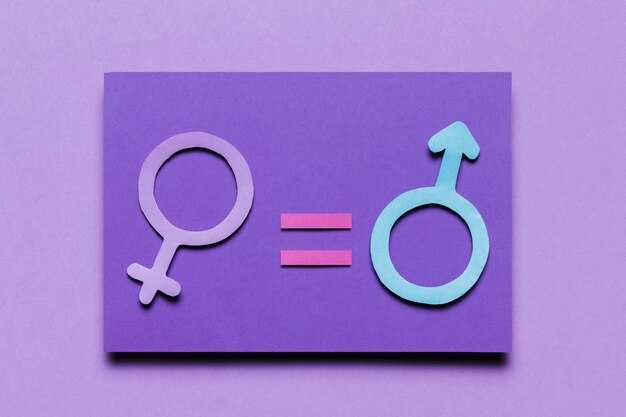 Sexuality vs Gender – What’s the Difference? Clear Guide">
 Read You Have to Kiss a Lot of Frogs — Page 2 Summary & Highlights">
 Top 12 Reasons Good Men Are Single | Why Nice Guys Stay Single">


