Polish
  English
  Russian
  French
  German
  Italian
  Spanish
  Ukrainian
  Turkish
  Portuguese
  Greek
Greek  Arabic
  Korean
  Chinese
  Japanese
  Czech
Czech 

Christian wedding traditions are rooted in spiritual symbolism, deep commitments, and long-standing cultural practices that have shaped ceremonies across centuries. A Christian wedding reflects sacred values grounded in biblical teachings, emphasizing unity, covenant, and lifelong devotion between a husband and wife. These traditions vary across denominations, yet the foundation remains centered on love, commitment, and the blessing of god over the marriage.
Many couples today blend classic customs with modern choices, creating a Christian wedding ceremony that honors faith while fitting personal preferences. Whether someone attends as one of the guests, participates as family, or plans their own celebration, understanding the meaning behind these wedding traditions makes the experience far more meaningful. From the wedding dress to exchanging rings and reciting vows, every gesture reflects spiritual significance.
For couples seeking deeper insights into relationships, cross-cultural interactions, or compatibility, resources such as Matcher can offer guidance during the marriage journey. You can explore more about relationships at: https://matcher.soulmatcher.app/
Historical Roots And Spiritual Meaning Of Christian Marriage Traditions
Christian marriage has its origins in biblical teachings, with references found in genesis, corinthians, and other scripture that highlight devotion, partnership, and shared purpose. Marriage is described as a sacred covenant — not merely a social agreement — symbolizing god’s love for humanity. This covenant reflects mutual responsibility, sacrifice, and spiritual connection between two individuals who choose to walk together through life.
Many traditions surrounding the Christian wedding ceremony trace back to early church practices. Over centuries, these customs expanded through cultural influences, regional interpretations, and evolving marriage rituals. Yet the essence remains consistent: a Christian wedding affirms a union grounded in faith, commitment, and godly principles.
The ceremony also reflects the belief that Jesus taught compassion, forgiveness, and unconditional love — values considered essential in a Christian marriage. Christian wedding traditions continue to honor these core teachings today.
Pre-Wedding Rituals And Family Involvement
Engagement Blessings And Family Preparations
Before the Christian wedding ceremony takes place, families often gather to celebrate the couple’s decision to move toward marriage. Engagement periods vary in length, but they usually include prayer, planning, and shared moments of reflection. These gatherings may involve reading passages from the bible or offering a blessing for the couple’s upcoming union.
The involvement of family, including the father, mother, siblings, and extended relatives, reflects the importance of community in Christian traditions. Family participation also ensures emotional and spiritual support for the bride and groom as they approach their wedding ceremony.
Wedding Planning With Spiritual Intent
Many Christian couples incorporate prayer throughout their wedding planning. This includes selecting meaningful scripture readings, choosing worship music, and discussing the design of the ceremony. The couple may also meet with a pastor to prepare emotionally and spiritually for marriage, discussing commitment, communication, and understanding.
These pre-wedding traditions establish a foundation of faith that continues into the marriage itself.
Importance Of Attire And Symbolism In Christian Weddings
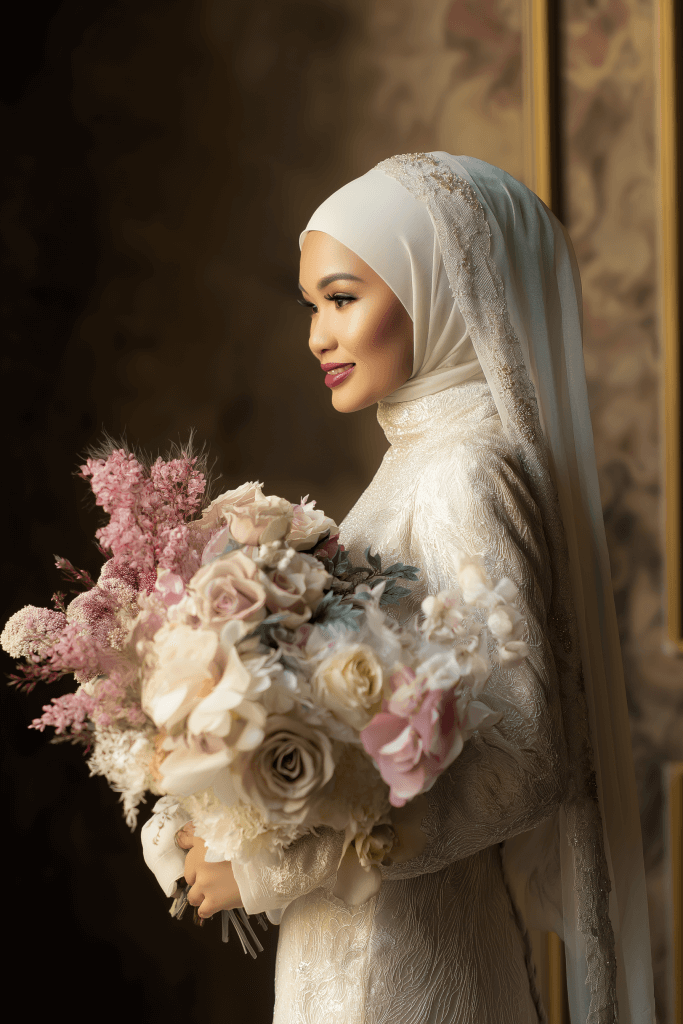
Christian wedding attire has significant meaning rooted in modesty, purity, and tradition. Brides commonly choose a white dress to symbolize purity and new beginnings, while the bridal veil carries its own history of sacred symbolism, representing reverence and spiritual protection.
The Role Of The Wedding Dress
The wedding dress often includes lace, embroidery, or elegant detailing based on the bride’s personal style. This attire continues to be one of the most cherished elements of a Christian wedding. While many brides still prefer a white dress, others opt for soft pastels or cultural variations, maintaining modesty and beauty.
Attire For The Groom And Wedding Party
The groom may wear a suit or tuxedo, often complemented by symbolic elements reflecting unity and commitment. The wedding party, including bridesmaids and groomsmen, coordinate in complementary outfits, representing support and harmony during the ceremony.
These traditions create a dignified and graceful presentation, honoring the sanctity of the Christian wedding ceremony.
The Christian Wedding Ceremony: Structure And Sacred Rituals
The Christian wedding ceremony varies across denominations, but certain core elements remain widely practiced. These moments represent spiritual devotion, cultural identity, and the couple’s shared covenant.
Processional And The Father Giving Away The Bride
One of the most iconic wedding traditions is the father giving away his daughter. This symbolic act illustrates trust, support, and the transfer of responsibility as the bride enters marriage. Historically, this gesture represented protection, but today it also signifies love and family unity.
As the bride walks down the aisle, guests often stand as a sign of respect. The ceremony officially begins with this moment, marking the transition from single life into a sacred union.
Opening Prayers And Scriptural Readings
The officiant begins with a prayer inviting god’s presence into the ceremony. Readings from the bible follow, often chosen from corinthians, genesis, or other passages emphasizing love, marriage virtues, and spiritual commitment.
These readings highlight the importance of love, patience, and sacrifice within a Christian marriage.
Exchanging Vows Filled With Meaning
The vows express promises of loyalty, compassion, respect, and partnership. Christian wedding traditions often include personalized vows, as long as they reflect sincerity and commitment. Some couples write their own vows, while others recite traditional lines passed down through generations.
Reciting vows is a deeply emotional moment in the ceremony, symbolizing the heart of the marriage.
Exchanging Rings As A Symbol Of Covenant
During the ceremony, the couple participates in exchanging rings. This moment represents eternal love, endless commitment, and unbroken devotion. The ring serves as a visible reminder of the covenant they share — a promise made before god and witnessed by family and friends.
Each partner places the ring on the other’s finger while repeating lines that affirm their commitment. The circular shape symbolizes eternity, reinforcing the lifelong nature of the union.
Prayers, Blessings, And The Pronouncement Of Marriage
After the vows and exchanging rings conclude, the pastor offers a blessing over the couple. This blessing asks for guidance, unity, and spiritual protection. The ceremony then reaches its peak when the officiant pronounces the couple husband and wife.
This formal pronouncement represents the recognition of their marriage under both spiritual and communal principles.
Sacred Symbols And Additional Rituals In Christian Wedding Traditions
Lighting A Candle Of Unity
Some couples include a unity candle in their ceremony, representing two lives merging into one. This act symbolizes harmony, shared purpose, and a spiritual bond that forms the essence of Christian marriage.
Scripture-Based Rituals And Cultural Expressions
Different Christian cultures incorporate additional rituals inspired by biblical stories, local customs, and denominational practices. Examples include symbolic blessings, foot-washing ceremonies representing humility, or cultural songs performed by family members.
These rituals reflect the depth and diversity of Christian wedding traditions.
The Reception: Celebration After The Ceremony
After the wedding ceremony concludes, the reception brings together family, friends, and guests to celebrate the marriage. The reception may include dinner, music, speeches, and dances that reflect cultural preferences and regional traditions.
The first dance of the couple symbolizes unity and joy, while speeches from family members highlight memories, encouragement, and love.
Reception practices vary across cultures, but the purpose remains consistent: to honor the newly formed union and share its joy with loved ones.
Regional Variations In Christian Wedding Traditions
Christian wedding traditions differ across countries and denominations, adding diversity and cultural richness. Examples include:
Zachodnie chrześcijańskie wesela
Te ceremonie zazwyczaj obejmują białą suknię, welon ślubny, wymienę pierścieni i czytanie z Biblii.
Wschodni chrześcijańskie wesela
Ortodoksyjne ceremonie mogą obejmować rytuały koronacyjne, symboliczne procesje i tradycyjne hymny reprezentujące łaskę duchową.
Afrykaąskiełskieścryśfąskiełskieśfąskieśfąskieśfąskieśfąskieśfąskieśfąskieśfąskieśfąskieśfąskieśfąskieśfąskieśfąskieśfąskieśfąskieśfąskieśfąskieśfąskieśfąskieśfąskieśfąskieśfąskieśfąskieśfąskieśfąskieśfąskieśfąskieśfąskieśfąskieśfąskieśfąskieśfąskieśfąskieśfąskieśfąskieśfąskieśfąskieśfąskieśfąskieśfąskieśfąskieśfąskieśfąskie
Uroczystości często charakteryzują się żywą muzyką, strojami ludowymi oraz błogosławieństwami rytualnymi, które łączą tradycje chrześcijańskie i dziedzictwa.
Azjatyckie Chrześcijańskie Wesela
Ceremonie mogą łączyć zwyczaje kulturowe z chrześcijańskimi praktykami ceremonii ślubnych, co skutkuje połączeniem elementów nowoczesnych i tradycyjnych.
Każda odmiana podkreśla unikalne wyrazy wiary i kultury, jednocześnie czcząc wspólne zasady chrześcijańskiego małżeństwa.
Nowoczesne trendy w chrześcijańskich weselach
Nowoczesne Style i Rozwijające się Tradycje
Nowoczesne pary chrześcijańskie często personalizują swoje śluby, wybierając motywy, stroje i formaty, które odzwierciedlają ich wspólną tożsamość. Zachowując wartości duchowe w centrum, włączają nowoczesny wystrój, zaktualizowany dobór muzyki i kreatywne elementy, które wzbogacają uroczystość.
Przygotowanie do Małżeństwa i Rozwój Relacji
Wielu kościołów oferuje poradnictwo małżeńskie lub kursy przygotowawcze, pomagając parom zrozumieć duchowe, emocjonalne i praktyczne aspekty małżeństwa. Sesje te kładą nacisk na komunikację, wartości oparte na wierze oraz budowanie silnego związku zakorzenionego we wzajemnym zrozumieniu.
Pary również odkrywają narzędzia do budowania relacji, wglądy w osobowość oraz zasoby dotyczące kompatybilności emocjonalnej, aby wzmocnić fundamenty swojego małżeństwa.
Symbolika Przymierza i Trwałego Zaangażowania
Tradycje chrześcijańskich wesel kładą nacisk na to, że małżeństwo to przymierze oparte na miłości, zaufaniu i jedności duchowej. To przymierze odzwierciedla relację Boga z ludzkością, podkreślając ofiarę, współczucie i niezachwianą oddanie.
Ceremonia, rytuały i tradycje ślubne symbolizują głęboko znaczącą podróż, która prowadzi parę przez całe życie. Chrześcijańskie małżeństwo jest postrzegane nie tylko jako osobista więź, ale także jako duchowe powołanie, które przynosi sens, rozwój i spełnienie.
Finalne przemyślenia: Świętowanie miłości, wiary i sakralnego związku
Tradycje chrześcijańskich wesel oddają cześć nie tylko ceremonii i kulturze — świętują one miłość zakorzenioną w wierze, zaangażowaniu i duchowym połączeniu. Od oddania córki przez ojca po wymianę pierścieni, od przysiąg zainspirowanych Biblią po radosne spotkania na przyjęciu weselnym, każdy element niesie ze sobą głębokie znaczenie. Te tradycje pomagają parom budować małżeństwo oparte na wartościach, oddaniu i wspólnym celu.
Niezależnie od tego, czy weźmiesz udział w chrześcijańskim ślubie, pomożesz go zaplanować, czy przygotowujesz się do własnego, zrozumienie tych tradycji ujawnia piękno i głębię tego świętego związku. Chrześcijańskie tradycje ślubne nadal inspirują ponadczasowe celebracje miłości, oddania i małżeństwa napędzanego wiarą.