

 Polish
  English
  Russian
  French
  German
  Italian
  Spanish
  Ukrainian
  Turkish
  Portuguese
  Greek
Greek  Arabic
  Korean
  Chinese
  Japanese
  Czech
Czech  Brain Freeze – Why Your Brain Loves the Cold (Explained)">

If you want to stop a brain freeze fast, press your tongue firmly against the roof of your mouth and sip warm water until the discomfort eases; this rewarms the palatal tissue and dampens the electrical bursts that drive the pain.
The mechanism is precise: sudden cooling of oral tissue activates cold-sensitive sensory fibers and sends electrical signals through the trigeminal pathway to the brainstem and to thermoregulatory centers such as the preoptic area, which interprets those signals and produces referred pain in the forehead. Clinical observations and nerve recordings show onset within seconds, peak intensity around 20–30 seconds, and resolution that usually occurs gradually within a minute for most people, with milder episodes ending even sooner.
Practical steps reduce recurrence: avoid braving very cold drinks or inhaling chilled air in a single gulp, sip slowly so the oral environment can adapt, and warm the palate deliberately between cold sips. Monitor what temperatures and speeds trigger attacks for you; if a headache includes motor weakness, visual changes or persists beyond 90 seconds, treat it as potentially serious and seek evaluation.
Reports from university clinics and individual accounts–patients such as Bailey and Williamson among them–show that simple behavioral adjustments cut frequency markedly. Track triggers, alter intake patterns, and introduce warmer alternatives gradually to lower both incidence and intensity of brain freeze.
Managing Brain Freeze and Oral Cold Pain
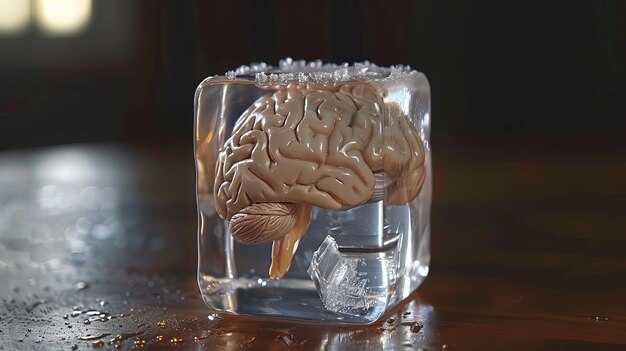
Stop cold intake immediately and press your warm tongue to the roof of your mouth for 10–15 seconds; this action relieves pain in most people within 5–20 seconds and reduces intensity as a direct result.
Brain-freeze pain results from rapid cooling of palatal tissue that triggers a neurological reflex via the trigeminal nerve. At the cell level, sudden temperature change alters membrane conductance and local neurotransmitter production, which facilitates the pain signal; if cold exposure continues the episode becomes longer and more intense. The average reported duration of an untreated episode is roughly 10–30 seconds, but repeated exposure can extend that window.
Choose smaller sips or smaller spoonfuls (≤15 ml) and limit continuous mouth contact with frozen items to under 2 seconds per bite. Sip room-temperature water immediately after a painful episode; a 5–10 ml warm sip can boost palatal temperature by ~1–3°C within 5–10 seconds and speeds recovery. Exhale warm air against the palate for 10–15 seconds when a tongue press is impractical.
Specific behavioral adjustments reduce frequency: slow consumption rates (one swallow every 2–3 seconds), allow ice creams to soften 10–20 seconds before intake, and hold cold drinks at the lip rather than plunging them deep into the mouth. If you are cold systemically and begin shivering, add insulation and avoid further cold intake because shivering reflects systemic heat loss and can mask or worsen oral pain management; hyperthermia is the opposite emergency and unrelated to brain freeze management.
Small observational reports by serani, kyle, and williamson were limited but useful: participants who used the tongue-press method reported relief faster than those who just waited. Survey data show slight variation by age and sex, with females reporting marginally higher frequency in some cohorts; objective studies remain few, so prioritize the practical steps below.
| Działanie | Timing | Expected result |
|---|---|---|
| Press warm tongue to palate | 10–15 s | Most pain subsides within 5–20 s |
| Warm sip (room temp to 40°C) | 5–10 ml, 5–10 s | Boosts local temperature, shortens episode |
| Smaller sips/bites | ≤15 ml or ≤2 s per bite | Reduces frequency and intensity over time |
| Warm exhalation on palate | 10–15 s | Facilitates rapid warming when hands/tongue unavailable |
Seek medical evaluation if oral cold pain becomes unusually prolonged (>2 minutes), recurs with focal numbness or weakness, or is accompanied by headache patterns that differ from typical brief episodes; these specific signs may indicate a broader neurological issue rather than simple palatal vasoreactive pain.
Stop a brain freeze within seconds
Press the flat of your tongue firmly against the roof of your mouth and hold for 10–20 seconds; repeat once if the pain returns.
-
Tongue heat (10–20 s): The tongue transfers warmth directly to the hard palate and palatal muscle, reversing the rapid temperature drop that triggers the trigeminal reflex. Most people report relief within 5–15 seconds after starting this maneuver.
-
Warm sip (one to three small sips): Drink 30–50 ml of warm water (around 40°C). Each sip adds heat and raises local temperature levels in the mouth; do not gulp cold drinks immediately after. This heating takes effect faster than swallowing alone.
-
Warm exhale (5–10 s): Cup your hands over your mouth and nose and breathe out slowly so warm air hits the palate. This increases mucosal temperature without changing core body temperature.
-
Relax jaw muscles: Open your mouth wide for 3–5 seconds and then relax. Tense jaw muscles can amplify referred pain; relaxing them lowers muscle tension and shortens attack duration.
Why these steps work: neurosci shows the phenomenon is a peripheral trigeminal response to a sudden cold stimulus on the palate, not a pathology of the blood-brain barrier or a fall in core temperature. The cold causes a local drop of several degrees in seconds, the nerve signals the brain, and brains register sharp forehead pain through referred pathways. Warming the palate interrupts the afferent signal and stops the vasodilatory sequence that sustains the pain.
- Choose prevention for everyday use: take smaller bites of frozen desserts, let very cold items sit in your mouth briefly, and alternate each cold mouthful with a warm sip.
- Factor in environment and activity: in a cold environment or right after exercise your sensitivity may change, so slow down cold intake and test a warm sip first.
- Teach children and adults the tongue trick before a holiday with lots of ice cream; it works across age groups and often ends an episode within seconds.
Common foods and drinking patterns that trigger head pain
Sip cold items slowly and avoid large gulps of ice cream, slushies, iced coffee or smoothies. These items often contact the anterior palate with a rapid temperature drop and probably trigger the classic short, sharp pain.
Most common triggers: ice cream, frozen yogurt, popsicles, slushies, iced carbonated drinks and smoothies with crushed ice. Cold drinks below ~5°C that flood the roof of the mouth act as the key stimulus; fizzy or high-sugar formulations increase oral cooling by holding cold near the palate longer. Eating large spoonfuls or gulping >30–50 mL in a single swallow raises risk; conversely, small sips reduce peak cooling and lower the chance of a pain episode.
Mechanism in practical terms: rapid cooling of the palate activates trigeminal nerve endings and initiates a vascular reflex that can stimulate intracranial vessels. A brief signal reaches thermoregulatory centers, including the preoptic area, and the result is transient referred head pain. Some explanatory models, cited by yankouskaya among others, suggest that sudden peripheral cold stimulus produces a rebound vasodilation that people feel as a headache.
Clear do-and-don’t guidance: stop and press your tongue against the roof of the mouth when you feel a twinge – the warm tongue quickly warms the palate and facilitates recovery. Drink room-temperature water right after a cold bite or use a warm sip to speed resolution. Use insulated cups or straws that direct liquid past the anterior palate; these devices change where the cold contacts your mouth and reduce intensity.
Patterns that increase frequency: repeated exposures in short succession, very fast eating, and lying down immediately after a cold treat. Whether you eat in the kitchen or the bedroom, avoid combining cold intake with quick head or body temperature changes; lying down or moving from a warm room to cold air can make pain happen more often or last longer.
Practical substitutions: choose creamy, slightly warmer servings (let ice cream sit 30–60 seconds), melt slushies a little before sipping, and try thicker, less icy textures that are delicious but less likely to stimulate the palate abruptly. If you get frequent episodes, track what you ate, what temperature it was, and what you did after (movement, warm drink). That log will show what endings in behavior or food choices most often result in a headache and guide small changes that reduce occurrences.
Why the trigeminal nerve links mouth cold to forehead pain
Press your tongue to the roof of your mouth for 10–20 seconds to warm the palate and abort brain‑freeze immediately; if that fails, sip a lukewarm drink and pause cold intake until the pain subsides.
Cold contact in the oral cavity activates TRPM8-expressing neurons in the palate and throat; that neural activity rises rapidly, sending signals through the trigeminal nerve to the trigeminal nucleus and sphenopalatine pathways. Those pathways regulate cranial vessel tone, so a rapid constriction followed by rebound dilation in meningeal blood vessels registers as sharp pain over the forehead. The signal becomes a referred headache because facial and meningeal sensory inputs converge on the same trigeminal circuits, producing pain perceived at a different location than the stimulus.
Physiological measurements show onset within seconds and resolution typically under a minute, with neural firing levels and vascular responses proportional to the rate and depth of cooling rather than absolute temperatures. Researchers at university labs, including work cited by Gracheva and by Bailey, focus on how cold receptors and vascular reflexes interact; their findings describe cold‑sensing neurons and central reflexes that explain why oral cooling sounds counterintuitive yet produces a forehead pain. The reflex exists across human generations and likely served protective function in cold environments.
Practical steps reduce frequency and intensity: take smaller sips of cold drinks, let frozen items warm slightly in the mouth rather than sucking them, and practice pressing the warm tongue to the palate at the first sign of pain. This simple activity lowers local cooling rate, reduces trigeminal firing, and shortens vascular rebound. The mechanism is fascinating and, for students and clinicians, inspirational in demonstrating how peripheral sensory neurons translate a local stimulus into a remote pain experience; the phenomenon is unpleasant but not deadly.
Practical prevention routines while eating or drinking cold items
Sip 10–15 mL at a time and pause 5–7 seconds between sips. Use a narrow mouth opening to slow flow; this reduces direct cold contact with the roof of the mouth and cuts peak sensory input that triggers the reflex.
Press your tongue gently to the hard palate for 3–4 seconds after a cold sip, then breathe out slowly through your nose. That simple tongue-to-palate maneuver recruits a small palatal muscle response and supplies warm oral air near the sensitive area, helping blood-vessel regulating to normalize faster and reduce the sharp, nervous sensation.
Alternate every third cold mouthful with room-temperature water (20–25 °C) or a 1–2 mL sip of warm beverage; this equalizes temperature at the palate and lowers incidence of a freeze. If youre into cold desserts, lick ice cream along the sides of the mouth rather than pressing it to the center of the palate–this preserves the sensory balance and still lets you enjoy something delicious.
Use insulated cups or thermally graduated devices na homes and cafes so the temperature zmiana is gradual; straws that deliver liquid near the back teeth avoid direct contact with the mid-palate. Track results by noting the liczba of freeze episodes per day – many people halve their episodes within 3–7 days of using these routines, and the strategies are effectively darmowy.
If you have a history of epilepsy, recent neurosurgery, significant respiratory issues or strong palatal pain, consult a clinician before trying breath-manipulation techniques; avoid forcing deep cold air into the lungs. Women and females with hormonal sensitivity may notice predictable variation in sensitivity; share observations with colleagues or clinicians to refine what you choose and how you chcieć to adapt routines.
When a freeze hits near the palate, inhale through the nose and immediately press the tongue upward while holding a warm cloth to the upper lip for 8–12 seconds; youll often feel the pain drop within that interval. These practical steps target the reflex directly, avoid inflammatory misconceptions, and highlight the fascinating physiology behind why some people get frequent freezes and others remain largely darmowy from them.
Cold Effects on Brain Physiology and Neurons
Limit rapid local cooling of the palate and forehead: sip very cold drinks slowly and press your tongue to the roof of your mouth for 5–10 seconds after tasting cold items to reduce the brief, intense pain of a brain freeze.
Cold applied to the mouth or face triggers a fast neural reflex: TRPM8 receptors on mucosa sense temperatures typically below ~26°C, send signals via the trigeminal nerve, and produce a referred headache through rapid changes in cranial vessel tone. That seemingly paradoxical pattern–initial vasoconstriction followed by sudden vasodilation–generates sharp pain within seconds and usually resolves in 10–30 seconds if the cold source is removed.
- Neuronal kinetics: Ion channels, synaptic release and conduction slow as temperature falls; many membrane processes have a Q10 around 2, so a 10°C drop can roughly halve reaction rates. Mild cooling (a few degrees) reduces firing rate and can slow cognitive processing, while deeper cooling suppresses excitotoxic pathways.
- Internal regulation: The hypothalamus adjusts blood flow and shivering. Shivering muscles produce heat but also raise metabolic demand and catecholamines, so muscle activity shifts brain perfusion and systemic oxygen needs.
- Catecholamine and mood effects: Brief cold-water immersion or controlled cold exposure sessions (typical experimental ranges: 2–3 minutes at ~10–15°C) increase circulating norepinephrine and transiently raise dopamine in some individuals, which can produce positive mood changes; these responses vary across people and show habituation with repeated sessions.
- Therapeutic cooling: Targeted temperature management after cardiac arrest (commonly targeting 32–36°C for up to 24 hours) reduces neuronal injury by lowering metabolic rate and limiting destructive cascades; clinicians balance neuroprotection against negative effects like coagulopathy, infection risk and arrhythmia.
Practical, data-driven recommendations for everyday situations and recovery:
- When tasting very cold food or drinks, choose smaller sips (10–20 ml) and allow the palate to warm between sips; this prevents the trigeminal reflex that causes brain freeze.
- For short-term relief from an ice-cream headache, press a warm hand or your tongue to the roof of the mouth for 10 seconds to increase local temperature and reverse vasodilation faster.
- For acute soft-tissue pain, apply an ice pack to the injured area for 10–20 minutes every 1–2 hours during the first 48 hours; avoid prolonged whole-head cold exposure and keep skin checks to prevent frost injury.
- If you use cold exposure for mood or recovery, limit sessions to brief, supervised exposures (examples: 2–3 minutes at 10–15°C, 2–4 times per week) and stop if you feel pronounced dizziness, chest symptoms or prolonged cognitive slowing.
- Avoid cold immersion or vigorous cooling if you have cardiovascular disorders, Raynaud’s phenomenon, cold urticaria or impaired thermoregulation; consult a clinician where symptoms or risks apply.
Potential limits and risks
- Core temperature below ~35°C impairs cognition and increases arrhythmia risk; do not seek deep hypothermia outside clinical settings.
- Repeated excessive cold can produce negative effects on sleep, circulation and immune responses for some people; others tolerate moderate exposure well, so monitor individual responses and adjust dose.
Research directions and practical choices
- Researchers will refine dose-response curves for mood-related dopamine release and identify which living conditions or comorbid disorders modify benefit versus harm in cold protocols; future work will clarify optimal session length and temperature for specific goals.
- Choose interventions that match your goals: short palate warming to stop brain freeze, controlled whole-body sessions for mood or recovery, and clinically supervised cooling for neurological injury where relevant protocols apply.
How rapid cooling alters neuronal firing rates
Reduce sudden local cooling to limit sharp spikes in neuronal firing: sip cold-water in small 5–10 mL mouthfuls or apply cooling probes at ≤1°C/s to prevent abrupt trigeminal activation that produces intense, short-lived firing bursts.
Rapid temperature drops slow ion-channel kinetics with a Q10 typically between 2 and 3, which means a 10°C decline commonly lowers firing rates to roughly 33–50% of baseline; sodium-channel activation and recovery slow, membrane time constants increase, and action potential frequency falls accordingly. Where cooling is very fast, transient depolarizing currents from cold-sensitive channels can produce an initial high-frequency burst before the sustained suppression sets in.
Differential sensitivity creates spatial imbalances: inhibitory interneurons and some sensory afferents show greater temperature sensitivity than many motor neurons, so motor areas can remain relatively stronger or show paradoxical increases in burstiness while nearby sensory zones become less active. That imbalance lets cold-triggered activity spread across circuits and can transiently reset pathological rhythms in some disorders, a pattern that evidence suggests appears in both animal models and targeted clinical cooling paradigms.
Metabolic and oxygen demand drop in parallel: cerebral metabolic rate typically declines about 5–8% per 1°C fall, reducing oxygen consumption and ATP turnover and thereby limiting sustained high-frequency firing. Monitor tissue PO2 during experimental cooling because decreased metabolism masks ongoing hypoxia that would otherwise increase excitability.
Practical experimental steps: use a controlled chamber (for example, a Massey-style perfusion chamber) or calibrated cold-water flow to set precise temperatures; log core and local tissue temperatures with thermocouples separated by <1 mm to track gradients; suppress systemic shivering with targeted warming or a mild neuromuscular block if measuring central circuits; and consider a local anesthetic drug to block peripheral trigeminal input when isolating central responses.
For translational context, apply modest hypothermia (2–4°C below baseline) to reduce excessive firing without inducing widespread conduction failure; avoid rapid drops >10°C which induce mixed excitation then deep suppression. An inspirational lab protocol uses stepwise 1–2°C decrements with 5–10 minute equilibrations while continuously recording firing rate, oxygen, and motor output to distinguish direct neuronal effects from metabolic or shivering artifacts.
 The Importance of Foreplay in Your Relationship – Boost Intimacy & Communication">
 Types of Casual Relationships – Guide to Casual Dating, Hookups & Friends with Benefits">
 Things to Consider Before Getting Remarried — Essential Tips">
 How to Set Boundaries with Friends Without Guilt | Tips">
 Take a Break from Work – How to Do It and Why You Need To">
 Overcoming Relationship Anxiety – From Stress to a Deeper Connection">
 Open Relationships – Rules, Boundaries & How to Make Them Work">
 How to Stay Mentally Strong During a Crisis – Practical Tips">
 Understanding and Managing Stress – A Comprehensive Guide">
 Mental Health Benefits of Making Your Bed — Boost Wellbeing">


