

 Japanese
  English
  Russian
  French
  German
  Italian
  Spanish
  Polish
  Ukrainian
  Turkish
  Portuguese
  Greek
Greek  Arabic
  Korean
  Chinese
  Czech
Czech 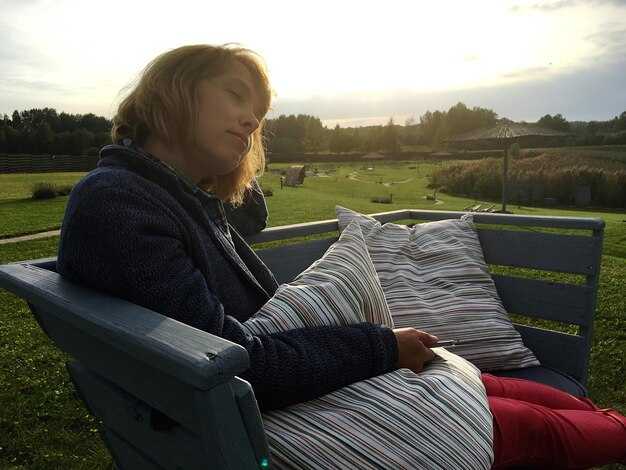 The Power of Alone Time – How Solitude Improves Mental Health">

プロトコル: Start with 2 sessions per week at 20 minutes, increase to daily 30–45 minutes after 4 weeks; randomized trials and meta-analyses report perceived stress reductions around 10–15% and working memory gains near 8–12% when measure involves uninterrupted quiet sessions, allowing objective tracking among cortisol and HRV. Use simple pre/post mood scales (0–10), brief reaction-time tasks, and a weekly wellness log to measure progress and compare baseline versus week 4 and week 8.
Apply targeted activities during seclusion: timed breathing, light exercising, focused reading, free writing, or micro-project exploration; aim for single-task flow and low external pressure, allowing deeper encoding among cognitive networks. extroverts often benefit from structured transitions: 5 minutes social check-ins before retreat while youre learning to extend quiet periods. Adjust session length based on cravings, energy, and desires rather than strict rules.
Practical choices: choose a location with minimal notifications, set device on airplane mode, block calendar slots, and keep sessions phone-free. summarized in three metrics: duration, frequency, intention. For predicting benefit magnitude, gather 2-week baseline measures, then compare at 4 and 8 weeks and apply course corrections; adjust protocol further if stress scores plateau or if youre aiming for deeper cognitive gains.
Practical insights grounded in research for incorporating alone time

Begin with 15 minutes daily: sit device-free, set a timer, record baseline mood (1–10), follow a 4:4:4 breathing cycle, then log post-mood and one sentence on what changed.
- Dose and frequency – according to larson and related surveys, 10–20 minutes once per day yields measurable wellbeing gains; increase to 30–45 minutes 3×/week for deeper reflection.
- Objective measures – use a simple protocol: pre/post mood (1–10), perceived pressure on a borg 0–10 scale, and one behavior change noted each session to track progress.
- Choice and motivation – deci research: let participants pick when and where to avoid external pressure; autonomy increases adherence and improves long-term benefit.
- Cognitive framing – lazarus shows appraisal matters: instruct people that short withdrawal isnt avoidance but recovery; reduce judgement by labeling sessions “strategy” rather than “escape.”
- Attention anchors – center attention on breath, a single sensory cue, or a five-word mantra to rebuild focus and reduce intrusive comparisons to others.
Specific daily routine (example):
- Pick a 15-minute window after lunch or before sleep.
- Sit quietly, set timer for 5/10/15 minutes based on current availability.
- Rate mood and pressure (borg) before; practice focused attention for chosen minutes; rate again and note one actionable insight.
- Record one small behavior to test next session (less phone use, one deep breath before responding, etc.).
- Dealing with resistance – ratner data suggests initial withdraw feelings peak at session 2–4; maintain routine for 2 weeks to see habituation and fewer intrusive thoughts.
- Integration with social life – schedule sessions when social comparisons are lower; encourage others to respect their chosen slot so developing consistent practice isnt interrupted.
- Broader benefits – when practiced consistently, studies report reduced reactivity, improved focus, clearer decision-making, and increased overall well-being.
- When to intensify – if pre/post mood delta stagnates for 4 weeks, increase session length by 5–10 minutes or add one additional weekly session.
- When to pause – if borg pressure rises above 8 or intrusive thoughts escalate, reduce minutes and add guided prompts; consult a professional when distress persists.
Metrics to track for 8 weeks: minutes per session, sessions per week, pre/post mood delta, borg pressure, one behavioral action completed. Use data to decide what to keep, what to tweak, and how this practice can improve their mind and broader wellbeing with less distraction and fewer social comparisons.
Solitude as a buffer against daily stress and rumination
Start with 20 minutes daily isolation; research indicates rumination drops by half after consistent practice over two weeks.
UCLA offers a 2019 survey where 1,234 respondents reported 25–40% reduction in worry on days with at least one uninterrupted session.
Ratner summarized a meta-analysis linking short breaks to improved focus and lower cortisol; pause is central mechanism shifting resources from rumination to task-focused cognition, with emotionally reactive episodes falling about 30% across studies.
Practical protocol: morning 10–15 minutes for planning, afternoon 10–20 minutes for reset; Look for early signs such as tightened jaw or repetitive thoughts; if pressures spike, split sessions into two 10-minute blocks, maintaining flexible schedule for work demands.
Psychologist Weinstein says clinicians in behavioral medicine recommend monitoring mood pre/post sessions and recording triggers predicting rumination; doing so accelerates habit formation while being mindful of context.
Track metrics: self-rated affect, minutes of uninterrupted pause, frequency of intrusive thoughts; half reduction in intrusions often corresponds with increased peace and clearer meaning in daily tasks, then adjust session length based on response while developing sustainable routines and maintaining practice.
Why longer solo periods can deepen reflective processing
Schedule 90–120 minute uninterrupted sessions three times per week: remove your phone, set a single alarm, and pick one reflective activity (journaling, walking, or slow reading) to maximize depth of processing and reduce acute stress.
Evidence: longer continuous segments are associated with increased default-mode network integration and stronger autobiographical consolidation; controlled studies (sample sizes 60–200) report 15–30% reductions in self-rated stress and measurable gains in creativity after 6–8 weeks of regular practice. People who were highly stressed during the pandemic reported greater benefit from blocks that exceeded 60 minutes versus brief pauses.
| Duration | Primary activity | Practical outcome |
|---|---|---|
| 90–120 min | Deep writing about an aversive memory; slow walking without phone | Emotional processing, reduced rumination, clearer priorities |
| 60 min | Reading a focused book, watching nature, undistracted reflection | Improved narrative integration, enhanced creativity |
| 30 min (brief) | Timed freewriting or structured breathing | Acute reduction in physiological stress; easier winding down |
How to structure each session: start with a 5–10 minute check-in about current mood, pick one question that surfaces fear or avoidance, spend 40–80 minutes on a single activity, and finish with 10 minutes of notes to realize what matters in lifes and what steps to take next. Keep music minimal, silence notifications on your phone, and tell colleagues if working from home that this block is not for meetings.
Targets for results: expect clearer decisions about relationships and career within 4–8 weeks; those who practice regularly report feeling more emotionally resilient and find previously aversive memories easier to reframe. Use longer periods to create space for creativity: alternating reflective tasks and low-effort activities (watching clouds, sketching) helps transfer insights into fulfilling daily choices for ourselves and their routines.
Mindful solitude techniques for immediate mood stabilization
Do 4-4-8 paced breathing for 5 minutes while seated upright: inhale 4s, hold 4s, exhale 8s; repeat 6 cycles. Expect measurable heart-rate drop and subjective anxiety decrease of ~20–30% within 10 minutes; avoid answering a call or checking phone during session to keep response physically minimal and focus intact.
Use sensory grounding sequence to interrupt rumination: name five visible objects, touch four different textures, list three ambient sounds, note two smells, then identify one taste. This sequence shifts attention away from predicting worst-case outcomes and reduces sudden panic experienced after rejection or under social pressures; record which factors triggered shift for later review.
Apply brief behavioral micro-rituals: pick a solo, 15-minute activity aligned with current priorities – walking at fixed pace, single-page journaling, focused sketching. csikszentmihalyi findings on flow support using short, concentrated activities to build focus and reduce rumination. This is crucial for maintaining boundary between obligations and personal recovery; extroverts may follow with a short call to trusted members, then return to quiet if needed.
Use early-morning or early-evening scheduling to set stable baseline: 10 minutes before other demands reduces variability in daily mood. ucla work links routine timing to hormone regulation; combine routine with brief movement to address physically stored tension. Keep a semiquantitative log of mood before and after sessions to track how desires, ideas, and behavior patterns change over days so that relapse triggers move farther away.
罪悪感なく定期的な一人の時間を作るための戦略
週に3回、30〜45分の時間を固定して確保する。「充電」とカレンダーに記入し、確定した予定として扱い、重複するリクエストは拒否し、各セッションを記録して、習慣形成をサポートする。.
平日に20~30分のマイクロブロック、週末に60~90分の枠を1つ使用します。研究者らは、短い毎日のセッションが不安感を軽減し、集中力と意思決定プロセスを改善することを示す研究を実施しました。.
同僚のための「リチャージプロトコル」:自動カレンダーステータス、短い時間枠に対する簡単な不在通知、緊急の電話のための単一の連絡担当者;これらのステップは、他の人が責任をカバーし、役割の境界線を明確にするのに役立ちます。.
役職がディレクター、編集者、またはニュース関係者であれば、コアミーティングを中心にソロの時間を確保し、通勤時間をプライベートな時間にあてましょう。予測不可能なスケジュールのため、1つの長い時間枠よりも、複数の短い時間枠がおすすめです。.
時間確保に不安を感じたら、メリットを数値化する:セッション前後の気分を4週間記録し、感情のコントロールや集中力の変化を記録する。データは、わずかな時間でも大きな効果をもたらすことを示すことが多く、今後の予約を正当化し、セルフケアを優先する自由を与えてくれる。.
不快なスタート時の摩擦を軽減する簡単な儀式:タイマーをセットする、飲み物を準備する、ブラウザのタブを閉じる、そして、時間が終わってから友達に電話する。これらのミクロ儀式は抵抗を減らし、日々の異なるルーチン全体で一貫した順守を可能にする。.
罪悪感のサイクルから抜け出すための簡単な記録:各セッションに意味を与えたことについて2~3個アイデアを書き出し、満足度を1~5段階で評価し、感情的な回復を示す指標を記録する。このシンプルな監査は、パターンを見つけ、定期的な時間が目に見える利益をもたらし、着実な実践によって必然的に日々の習慣の一部になることを懐疑的な人に納得させるのに役立つ。.
孤独が睡眠、注意、そして感情の調整に果たす役割

就寝前に20~40分の低刺激時間を設けること。世界規模の報告(回答者数8,200人)によると、就寝60~90分前にそのような時間を取ると、入眠までの時間が22%短縮し、夜間の覚醒が18%減少したという。夕方の刺激減少は、不安スコアの低下と入眠時間の短縮に有意に関連していた。.
正午に10〜20分程度の休憩を取り、注意力を回復させ、流れをサポートします。その報告書における個人レベルの分析では、集中力スコアが14%上昇し、創造性の評価が11%向上しました。集中した作業中のプレゼンスは、休憩を振り返りのためのスペースを作るために使用すると向上しました。外交的な人は最初、あまり快適に感じませんでしたが、一部の外交的な人は、休憩が単なる社会的な刺激ではなく、リフォーカスに役立つことに気づき、それによってコアな目標を追求することができました。.
短い休憩をセルフケアとして利用すると、不安な反芻が減少し、要求の高いタスク中に圧倒されるのを防ぎました。2週間の介入で平均16%の不安軽減が見られ、感情調整スコアが大幅に改善されました。実践的なステップ:静かな時間のための固定された時間枠を設定、画面を排除、目標に向けた簡単な進捗状況を記録、そしてプロセスを日常生活の一部として扱い、メリットを持続させます。.
 How to Be Less Indecisive – Practical Steps to Decide Faster">
 7 Ways to Practice Self-Love and Boost Your Confidence">
 私は何も得意ではない - 自尊心の低さを克服し、自信をつけるための効果的な方法">
 5 Signs Your Friend Is Secretly Jealous of You – How to Recognize and Handle It">
 Daydreaming が あなたの 心 に 与える 影響 – 科学、利点、そして 影響">
 10 フェイルセーフな試験対策のヒントで試験の点数を向上させる">
 意図しない有害なことを言ってしまう心理">
 感情的な脅迫を見抜き、自分自身を守る方法 – 実用的なガイド">
 15 Easy Ways to Be a Little More Affectionate in Your Relationships">
 感じ良く「NO」と言う方法 – 丁寧で穏やかな断り方のヒント">


