

 Japanese
  English
  Russian
  French
  German
  Italian
  Spanish
  Polish
  Ukrainian
  Turkish
  Portuguese
  Greek
Greek  Arabic
  Korean
  Chinese
  Czech
Czech 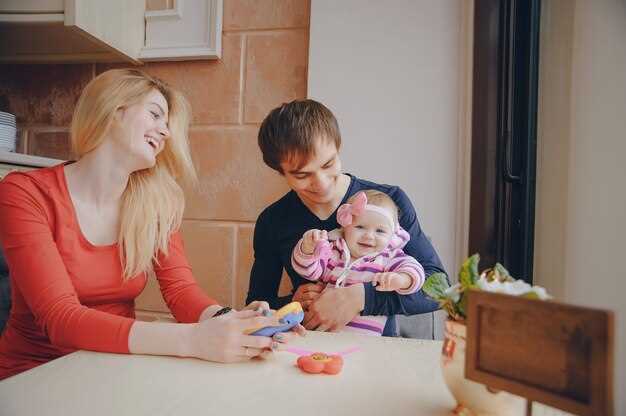 赤ちゃんを迎えた後の関係強化 – 新しい親のための実践的なヒント">

週に少なくとも3回、20分間の邪魔の入らないチェックインをスケジュールし、それをカレンダーに固定します。 日付 そして、共有義務として扱う。 維持する 心の親密さ。 コミュニケーション 厳密な3項目ルールに従う必要があります。感謝の気持ち、物流上の依頼、そして肉体的な快適さの要望をそれぞれ1つずつ、5分以内に抑えてください。 時間 効率的に使用されます。
筆記による分割シフトを採用する 戦略夜間および昼間の担当者を割り当て、毎週ローテーションを行い、共有チェックリストに完了したタスクを記録して作成します。 アカウンタビリティ; 毎週日曜日にそれらの責任をレビューする。 60~90分の時間を確保する。 long 週に一度、中断のない時間を確保して、睡眠、運動、または医療およびメンタルヘルスに対応しましょう。 健康 ニーズ; societal 圧力は現実的な要求を変えないので、具体的なものに基づいて計画を立ててください。 changes and small shifts 自然に解決することを期待するよりも。
対立が激化したら、一時停止し、離れて5回深呼吸をしてから、非難せずにニーズを伝えるように戻る—この学習ステップは激化を軽減します。一人が being 圧倒されている場合は、「午後8時から10時までボトルを担当し、午前中はあなたが担当する」といった具体的な代替案を提案し、それを書くこと。 ダウン so nothing else slips. Practice three quick reconnection ways – 20–30秒の触れ合い、一言の心からの言葉、そして共有された笑い – そして繰り返す these until it becomes routine; 我々は、そのようなパターンを採用する世帯を観察しています。 manage ストレスを抱えすぎて period そして些細な議論を減らす long term.
週末を特別なものにする:実践的な週末戦略

90分間のブロック 土曜日の朝は、中断されない夫婦の時間:カレンダーにイベントを設定し、邪魔をしないように設定し、24時間前に保育を手配します。その時間をタスクを切り替えることなく再接続するために使いましょう。自分自身に優先順位を示し、正午前に一緒に大きな課題を一つ解決しましょう。
家事の負担を分散させるための簡単なローテーションプランを作成します。今週末は60/40の割合で家事を割り当て、翌週は逆にする。共有チェックリストにタスクを書き込み、曖昧さを残さないよう、名前、時間、完了シグナルで明確な責任を割り当てる。
Run a 10分 週末の日曜日の終日会話:うまくいったこと、課題、来週の実行可能な変更点、それぞれ1つ。 具体的な言語(誰がいつまでに何をするか)を心がけることで、業務調整を改善し、繰り返し相互の信頼を構築する。
幸福を優先し、測定可能な目標を設定しましょう。睡眠時間を7〜8時間、土曜日に30分の早歩き、家族で画面を見ない20分の食事を目標とします。毎週末の日曜日に1〜5のスケールで満足度を記録し、3週末以内にスコアを0.5ポイント以上にするよう努めましょう。
身体的または感情的な負担が重く感じるときは、よりスタミナを要するタスクを交代しましょう。どちらかが体的に気分が良いときに2晩連続で就寝時間を担当し、もう一方が穏やかな朝のルーティンを主導します。これにより、燃え尽きることなく、急なニーズに対応する能力が維持されます。
具体的な例を見つけることは役立ちます。片付けの交換を一つ、時間管理された活動を一つ選びます (15分間の プレイセッション, 45分間 (カップルが歩いている)、そして3週末にわたって実施するべき責任項目が1つあります。中断はありますが、小さく反復的な成功は目に見える満足度の向上をもたらし、他の家族にとって実践的な例となります。
赤ちゃん連れに優しい午前中のデートを計画する:現実的な時間配分、お昼寝時間、そして代替案
赤ちゃんの起床から60〜90分後にモーニングデートを開始し、外出時間を45〜90分に抑えてください。このタイミングは、典型的な覚醒時間と一致し、時間がない場合に授乳やオムツ交換のための現実的な余裕を与えます。
年齢別の昼寝の推奨時間: 新生児 (0~6 週間) 起働時間 45~60 分; 6~12 週間 60~90 分; 3~4 ヶ月 90~120 分; 5~8 ヶ月 2~3 時間; 9~12 ヶ月 3~4 時間。 過眠状態になるリスクを軽減し、昼寝をより確実に予測するために、1日の最初の起働時間内にスケジュールを計画してください。
3つのバックアッププランを立てる: A – 赤ちゃんが泣き出した場合、屋外で20~30分の散歩や車の近くでのコーヒー; B – 片方の大人留守番で30~45分でデートを分け、交換する; C – 近くの介護者または家族を迅速な代替として呼び出す。片方が公開での子供の状態に関する会話をすることなく外出を終了できる、無言の合図(テキスト、絵文字、または簡単なタップ)で合意する。
Account for feeds and weight changes: bring 2 extra outfits, a travel changing pad, a small feeding kit and a lightweight carrier. If your wife or partner expresses fear about leaving the house, validate the feeling and set a clear exit plan with a call time. Media images that compare effortless date-night scenes to reality create invisible pressure; be honest about the short duration and focus on small conversation goals (one meaningful topic and one light check-in). Over months and years these short, realistic outings become consistent ways to keep connection without adding planning weight to individuals already trying to manage sleep cycles. If you have a daughter, track her specific signs–yawning, rubbing eyes, hungry rooting–so you know when to return before fussing dramatically increases.
Set a rotating weekend tasks roster to carve out two uninterrupted hours per partner
Assign each partner a protected 120-minute block every weekend and enforce it: create a shared roster with fixed slots (example: Sat 09:00–11:00 / Sun 14:00–16:00), add recurring calendar invites, and mark the door with a visible signal so the slot is not interrupted by work calls or parenting logistics.
Process: (1) agree on the rotation cadence (alternate weekends or weekly swap), (2) set a 5-minute handoff protocol to update the next caregiver, (3) list allowed activities–exercise, a personal date, social calls, focused rest–or practical tasks that restore energy. Keep the rule: no talking about chores, no critique of how the other spent their slot, no problem-solving that shifts the load. This protects wellbeing and reduces invisible resentment that can become blame later.
Operational details: create the roster in a shared doc so changes are timestamped; set calendar notifications 24 hours and 10 minutes before; attach a one-line checklist for the babysitter or family member who covers; use a simple physical sign (RED = do not enter, GREEN = OK) as a visual communication signal. If either partner is working or struggling with mental load, swap proactively and log swaps to avoid future confusion.
Use measurable rules to avoid value clashes: limit interruptions to emergency calls only, allow one 2-minute check-in at the 60-minute mark if both agree, and schedule a monthly 15-minute review to answer questions and adjust slots. Remind each other that the slot exists to recharge yourself and protect shared family energy–this preserves personal space and supports maintaining connection when both are present.
| 週末 | Partner A slot | Partner B slot | Handoff minute | Allowed activities |
|---|---|---|---|---|
| Week 1 (Sat) | 09:00–11:00 | 14:00–16:00 | 11:00–11:05 | exercise, reading, date prep, rest |
| Week 2 (Sun) | 14:00–16:00 | 09:00–11:00 | 16:00–16:05 | personal projects, social call, nap |
| Week 3 (Sat) | 09:00–11:00 | 14:00–16:00 | 11:00–11:05 | exercise, therapy call, hobby |
| Week 4 (Sun) | 14:00–16:00 | 09:00–11:00 | 16:00–16:05 | date, planning, rest |
If tensions arise, pause talking about who did what and use the monthly review to state values and redistribute load; avoid personal blame and focus on finding practical swaps. For evidence-based guidance on parental wellbeing and structured routines, see CDC Parents resources: https://www.cdc.gov/parents/index.html.
Design a low-prep shared meal plan for Saturday night bonding
Pick three 20-minute meals and rotate them weekly; assign clear roles (hot dish, sides, table) so decision load drops and both people can relax into the evening.
Menu examples with exact times and portions: sheet-pan salmon + asparagus (5 min prep, 18 min roast; serves 2 adults), one-pot lentil stew (10 min prep, 20 min simmer; makes 3 servings), Mediterranean grain bowls with pre-cooked quinoa (8 min assembly), no-cook chopped salad with canned beans (5 min). Batch-cook grains twice a month to cut average weeknight prep by 10–15 minutes.
Shopping and prep checklist to maintain speed: buy pre-washed greens, one roasted-protein option (400 g), two canned items (beans, tomatoes), frozen chopped vegetables (500 g), a jarred dressing, lemons (3), and a simple dessert (Greek yogurt + berries). Keep quantities similar each week so shopping lists repeat and cognitive load reduces.
Role rota: Person A handles hot item and oven timing; Person B assembles sides and sets table; swap roles every second Saturday so both practise cooking skills. If one is breastfeeding or working odd hours, choose the lighter role that night; this allows themselves to rest without losing shared ritual.
Add a 60-second ritual to enhance connection: at the sixseconds mark after plating pause, make eye contact and speak one specific appreciation line. gottman research shows tiny rituals like this enhance understanding and the sense of being strong together; sarah reports visible mood improvements within three sessions. That short pause could shift which emotions dominate mealtime and increase the chance of warm conversation.
Conversation prompts to keep talks productive: name one small win from the week, ask which task feels hardest right now, and offer one concrete support option. Use timers: 10 minutes of catch-up, 20 minutes eating, 5 minutes clearing. This structure makes transitions predictable and reduces thinking about logistics.
Track impacts across six Saturdays: note which meals cut cleanup time, which spark laughter most, and any changes in sleeping or feeding rhythms. Adjust recipes every month to avoid monotony while maintaining the ritual. These small, repeatable habits can enhance identity as a cooperative team and make it easier to stay connected while becoming caretakers and workers simultaneously.
Create a nap-and-quiet-time routine that supports connection without added stress
Schedule two predictable nap-and-quiet periods daily: 45–90 minutes mid-morning and 60–120 minutes mid-afternoon; treat this period as foundational for rest, low-stimulus connection and predictable recovery windows.
When the child goes down, create a defined quiet space – dim light, white noise, closed door if possible – and remove the weight of multitasking: choose one adult to finish small urgent tasks and the other to rest or engage in a short connection exercise.
Use micro-connection actions done in small windows: 4-minute hand-hold, 5-minute read aloud, 3-minute walk with stroller, or a 90-second check where you speak whats on your mind; these ways keep connection real without turning quiet time into another chore.
If youre overwhelmed, shift expectations immediately: lower standards for laundry, schedule a 10–20 minute exercise break to reset, or ask someone else to cover for 30–60 minutes so you can begin to recharge yourself and return calmer to caregiving.
Practice three concise skills each quiet period: name one feeling, state one need, and listen for 30 seconds – this trains you to speak, learn, and resolve small challenges before they argue into bigger issues; know that repetition builds clarity.
Apply examples to daily dynamics: if your daughter naps unpredictably, choose flexible start times and rotate who handles settling; the household dynamic will likely shift through short routines, and youre becoming more efficient at connection the more these practices are done.
Plan micro-adventures near home: checklist, timing and simple packing for 3-hour outings

Choose a 3-hour loop within 5 km, leaving between 09:00 and 10:30 to fit nap windows and daylight; aim for 60–90 minutes of easy movement, 30–45 minutes of rest/refresh, and 30–60 minutes to return.
- Quick route selection: pick trails, parks or waterfront paths that have multiple exit points and toilets at least every 2 km.
- Distance and pace: target 3–5 km total with a flat section to allow intense play bursts of 10–15 minutes without extending time.
- Surface and shade: look for mixed surface (paved + dirt) so strollers and small feet both manage the terrain.
Checklist to pack (compact items, arranged in one shoulder bag or small backpack):
- Water: 1 L adult + 300–500 ml per child; insulated bottle keeps drinks cool.
- Snacks: two compact options per person (energy bar + fruit) placed in a zip pouch.
- First-aid: adhesive plasters, antiseptic wipe, antihistamine single-dose sachet.
- Weather kit: lightweight windbreaker, foldable rain cape, and one spare pair of socks.
- Comfort: small blanket or sit pad, sun hat, sunscreen sachet.
- Tools: compact map (paper), phone with offline map, power bank (5,000 mAh).
- お子様用:旅先での場所取りや、疲れたときに集中力をリセットするための小さなおもちゃ。
タイミングと役割分担:
- 出発:パニックにならずにルーチンな作業を処理できるよう、計画より10~15分早く家を出る。
- 役割:ナビゲーション担当者と子供のニーズ担当者を割り当てる。両者は各旅行で役割を交代し、共有能力を構築する必要があります。
- ペース: 2つのチェックポイント時刻を設定します(45~60分後と120~135分後)。これにより、スケジュールに対する進捗状況を比較し、結果を調整できます。
摩擦を軽減するマイクロプラン:
- 単一のバッグにラベル付きポーチがあると、準備が速くなります。保管しておき、ドアのそばに掛けておきましょう。
- ルートを2回繰り返してから別のルートを選ぶようにすることで、両方の大人がある程度のタイミングやトリガーを検討できるようになります。
- outing の途中で、子供たちがエネルギーを発散し、大人たちが集中力をリセットできるように、15 分間の「フリープレイ」休憩を設けてください。
もしあなたたちの誰かが苦労しているときは:
- 人が荷物を持って負担を減らし、もう一人がペースをリードすることで合意する。小さな調整が、より短いストレスのピークを意味する。
- もし天候が悪化した場合は、最寄りの出口まで降り、長距離を押し進めるのではなく、車を緊急避難場所として利用してください。
- 家族の昼寝や食事のリズムに合わせて、夕方か週末の朝を利用する。どの時間帯がより良い気分や結果をもたらすか比較する。
Practical downsizing and comparison tips:
- 必要なものよりも少なく荷造りをする:それぞれの旅行で、1つの余分なアイテムを取り除くテストを行い、ニーズを満たせる最小限に達するまで繰り返す。
- 3つの外出を追跡する: 何がうまくいったか、何を残したか、何が摩擦を生み出したかを記録する。結果を比較できるように、一度に1つの変数だけを変更してください。
- 誰かが気力が低下しているときは、予定をキャンセルするのではなく、30分短縮するのが良いでしょう。ほとんどの場合、小さな計画の方が何も計画しないよりはマシです。
包括と期待に関する注意点:
- ソロとグループの両方の要素のためのスペースを確保します。短いソロでの散歩やバードウォッチングは、他の人が遊んでいる間、誰かに息を吹き返す時間を与えます。
- マイクロアドベンチャーとは、激しい努力を意味するのではなく、単調さに対するルーティンのリセットや、実用的なタスクを一緒に試すことを意味します。
- 毎回異なる目標を試してみましょう。池を探索したり、5種類の葉っぱを収集したり、3羽の鳥を撮影したりすると、結果が具体的で多様に感じられます。
最終確認:今日はキットを梱包し、10分間の退避経路をリハーサルし、少なくとも2回は同じ経路を試してから変更することに同意してください。ほとんどのカップルや家族にとって、持続可能な習慣を構築する際には、まれな長距離よりも、繰り返し小さな成功が大切です。
 デート201 – デート成功のための正しい考え方">
 2025年に恋人に聞く120のドキドキ質問 — 男性と女性の両方に">
 Couple’s Rituals to Boost Intimacy in Your Relationship">
 配偶者を諦める前に考慮すべき3つのこと | 結婚を救う">
 関係を救うために、最初の年に解決すべき10のこと
1. コミュニケーションの改善
2. 価値観の明確化と共有
3. 感情的なサポートの提供
4. 信頼関係の再構築
5. 境界線の設定と尊重
6. 問題解決スキルの向上
7. 個人の時間の確保
8. 共通の目標の追求
9. ポジティブな交流の促進
10. 専門家の助けを求めることの検討">
関係を救うために、最初の年に解決すべき10のこと
1. コミュニケーションの改善
2. 価値観の明確化と共有
3. 感情的なサポートの提供
4. 信頼関係の再構築
5. 境界線の設定と尊重
6. 問題解決スキルの向上
7. 個人の時間の確保
8. 共通の目標の追求
9. ポジティブな交流の促進
10. 専門家の助けを求めることの検討">
 5 Essential Behaviors for Supportive Relationships">
 How Parental Affection Shapes a Child’s Lifelong Happiness">
 Breakup Recovery – Heal, Move On & Rebuild Your Life">
 7 Proven Tips to Attract Mr Right | Find Lasting Love">
 Turn Conflict into Connection – Build Stronger Relationships">


