

 Japanese
  English
  Russian
  French
  German
  Italian
  Spanish
  Polish
  Ukrainian
  Turkish
  Portuguese
  Greek
Greek  Arabic
  Korean
  Chinese
  Czech
Czech 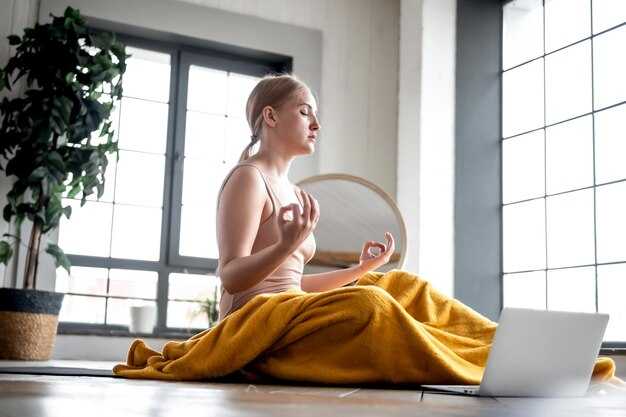 運動とマインドフルネスを通してストレスや不安を軽減する">

Protocol involves 10 minutes of brisk walking at 100–120 steps per minute; target heart rate 50–70% of maximum (approx 110–140 bpm for most adults). science-backed trials report aerobic sessions at this intensity reduce cortisol by roughly 15–25% within two weeks; lower cortisol correlates with fewer episodes of acute worry. Implement a 5-4-3-2-1 grounding check before bed; the 60–90 second sequence helps shift attention, speeding sleep onset by measurable minutes in controlled studies.
Dietary factors influence hormones; cut coffee to under 200 mg daily, aim for fewer than three servings of ultra-processed foods weekly; these shifts blunt post-meal cortisol spikes, improve sleep efficiency by 8–12% in several trials. Reduce evening blue-light exposure; keep smartphone notifications off for 90 minutes before lights-out to protect circadian signals, preserve melatonin secretion.
Short focused practices with breath-awareness or body-scan type exercises offer immediate regulation; a meta-analysis by zoccola et al. classified practice type across topics such as interoceptive awareness, paced breathing, grounding techniques; summary below highlights effect sizes, session lengths, study populations. Start with two 5-minute sessions daily, expand to 15 minutes total within three weeks; tracking mood, sleep metrics, step counts provides objective feedback relevant to daily life.
Weekly plan: week 1 – three 10-minute brisk walks; week 2 – add two 5-minute breath-awareness sessions; week 3 – halve coffee intake while replacing ultra-processed snacks with whole foods; use a sleep tracker to confirm fully restorative 7–8 hours, adjust timing based on morning alertness. Use a simple checklist app to log sessions, mute work notifications during practice times, review results after 21 days to refine frequency based on measured outcomes.
Movement and Mindfulness Strategies for Stress and Anxiety Disorders
Begin with a 5-minute paced-breathing protocol: inhale 4 seconds, hold 4 seconds, exhale 6 seconds; repeat for 5 minutes twice daily. This routine simply lowers physiological arousal within minutes; most people feel calmer after one session. Use longer sessions on days with increasing triggers.
Integrate physical exercise into a weekly plan: 30 minutes brisk walking five times weekly; two resistance sessions per week, 20–30 minutes each, improves sleep quality, mood regulation. For nature exposure try a 45-minute route through Ku-ring-gai botanic garden twice weekly; spending time near blue water or sky views shows measurable mood gains after events.
Use a concise list of presence practices: 1) 10-minute body scan before bed; 2) 3-minute grounding breath during transitions; 3) 5-minute mindful walking after meals. Access mindfulness-based audio from award-winning apps; pick guided tracks that match session length.
Discuss supplements with a clinician: magnesium 200–400 mg nightly may shorten sleep latency; medicine review must check interactions with prescriptions. Healthline says some trials report modest benefit; monitor response from baseline over four weeks before dose changes.
When acute episodes occur, apply 20–30 seconds of focused breathing followed by slow movement for 3–5 minutes; inhale for 4 seconds, exhale 6 seconds, focus on letting tension release. Track triggers that cause prolonged arousal; having regular brief practices throughout the day makes recovery more likely, producing better coping during high-demand events.
Quick 5-Minute Movement Routines to Reduce Acute Stress

Do this five-minute cycle immediately: 60s diaphragmatic breathing at 6 breaths per minute, 60s slow shoulder rolls with gentle reach, 60s rhythmic stepping on the spot at 90 steps/min, 60s progressive muscle releases from feet to neck, 60s slow walk with deliberate heel-to-toe contact.
Perform 2–3 sessions per workday; spending five minutes before high-pressure tasks lowers physiological arousal. Autonomic nervous systems shift toward parasympathetic dominance within minutes; this works via increased heart rate variability, reduced breathing rate, rapid reduction in muscle tension, measurable drops in subjective agitation during short, stressful episodes.
Schedule short micro-practices regularly: three sessions daily over 14 days produces measurable improvements in baseline tension levels, improved sleep onset latency, better focus during meetings. One useful thing: set a repeating timer for 5 minutes to build habit without decision fatigue.
Variations for different contexts: seated version with ankle pumps and upper-body stretches for deskbound hours; standing version with rhythmic punches at low intensity for quick energy reset; outdoor version in ku-ring-gai gardens before work to combine sensory exposure with activity, which improves mood levels more than indoor pacing alone.
Combine physical micro-routines with clinical care where relevant; mind-body practices and meditations complement psychotherapy, helps consolidation of coping skills. Partner practice with a friend boosts adherence, provides social regulation, produces an excellent short-term drop in perceived tension. Small, repeatable actions released throughout the day have outsized impact on healthy functioning over weeks.
Breathwork Techniques to Lower Physiological Arousal
Practice diaphragmatic breath using a 4-1-8 cycle: inhale 4 seconds, hold 1 second, exhale 8 seconds; repeat for 6 minutes per hour when elevated physiological arousal is noticed.
Alternate: box breathing – inhale 4 seconds, hold 4 seconds, exhale 4 seconds, rest 4 seconds; complete five cycles twice daily or during acute activation.
Science-backed studies show slow paced breathing near six breaths per minute can increase heart rate variability by roughly 10–25% within ten minutes, indicating improved vagal tone across autonomic systems, greater physiological resilience to triggers.
Begin each session seated or lying, place one hand on the abdomen to monitor diaphragmatic movement, observe shifting feelings without judgment; use a timer set for at least six minutes, repeat every hour during prolonged activation to help deal with sudden spikes while avoiding harm.
Consider reviewing primary science literature before making longer sessions; consult reputable resources such as verywell for stepwise guidance, review clinical trial reports for protocol specifics; many studies report minimal adverse events when techniques are learned gradually.
When possible practice in gardens near flowing water to anchor attention; use simple digital timers, breath cues, scented items for grounding, creative micro-habits such as tapping the chest on exhale to signal rest.
Mindfulness Practices You Can Do Anywhere Without a Formal Session
Do a 60-second paced breath cycle: inhale 4 seconds, hold 2 seconds, exhale 6 seconds, repeat six times; this short practice has been shown in studies to have been linked with increased heart-rate variability, producing calming effects, clearer focus.
Use the 5-4-3-2-1 sensory list to stop runaway thoughts: name five things you see, four you can touch, three you hear, two you smell, one you taste; this simple sequence helps interrupt spirals of difficult feelings.
Perform a 90-second micro body scan: gently soften jaw, drop shoulders, widen chest, move attention down through abdomen, hips, thighs, knees, calves, feet; short tense-release cycles at each site offer restorative release, lessen chronic muscle holding.
Take a 60-second motion break when possible: march in place, lift knees gently, swing arms slowly, then shake wrists, roll shoulders; this brief activity increases circulation, offers a calming reset for concentration.
Observe botanic details near you for one minute: note leaf veins, petal edges, scent strength; views of greenery can be breathtaking, provide sensory balance, support healthy mood regulation.
Set phone profiles with short reminders for micro-pauses, such as three daily alerts labeled “pause”; when done regularly, repeating brief pauses builds healthy routines, increased resilience as shown in several studies.
Invite friends to a shared two-minute practice by text or call; social contact helps regulate feelings, offers gentle accountability, creates restorative rhythm useful for young adults.
Keep a compact list of practice topics for work sessions: breath, sensory scan, posture reset; use a 25-5 micro-cycle for long tasks – work 25 minutes, pause 5 minutes with focused breathing or gentle stretching – this scheduling has been done in studios, classrooms, offices while producing clearer attention profiles.
Low-Impact Exercises to Build Resilience and Lower Worry
Begin with 15–20 minutes of low-impact walking or tai chi at RPE 3–5, five days per week; track perceived worry before session using a 0–10 scale for measurable change.
- Stationary bike: 20–30 minutes at 40–60% max heart rate (use 220 − age for estimate); RPM 60–80; aim for 3 sessions per week to improve aerobic capacity and mood-related markers.
- Tai chi: 10–20 minute routines focusing on slow weight shifts; cue: breathe 4 seconds inhale, purse-lips mouth exhale for 6 seconds; sessions in community studios show better adherence.
- Pilates mat work: 2–3 sets of 8–12 controlled repetitions for core stability; low joint impact minimizes injury risk for those with osteoarthritis.
- Chair-based mobility: 12–15 minutes morning routine for older adults; use a stable chair with hand support when balance is limited; perceived relief reported within 2–4 weeks.
- Swimming or water aerobics: 30 minutes twice weekly; buoyancy reduces joint pressure; recommended for people with higher body weight or chronic joint pain.
- Week 1–2: 15 minutes per session; focus on comfortable pace, breath control, daily practice diary noting worry levels and sleep quality.
- Week 3–4: increase to 20–25 minutes per session; add one balance drill per session; track resting heart rate to monitor improved cardiovascular response.
- Week 5–6: introduce interval blocks of 2–3 minutes slightly higher effort followed by 3–4 minutes easy; aim for regular sessions on at least five days per week.
Practical measurements: record resting heart rate, sleep duration, worry score, perceived exertion; target a 5% drop in resting heart rate and a 1–2 point decrease in worry score within six weeks.
- Science notes: meta-analyses link regular low-impact activity to lower physiological arousal and better mood regulation; minimizing high-impact loading reduces injury incidence.
- 性格的な適合性:内向的な人は一人での散歩や自宅での練習を好むかもしれません。外向的な人は、社会的誘惑を減らすために少人数のスタジオクラスを受けるのに役立つかもしれません。
- 栄養とリカバリー:ビタミンDとB12を十分に摂取すること;セッション前に水分補給すること;新しい筋力トレーニング後、48時間の筋肉のリカバリーを許可すること。
- アクセシビリティ:適切な履物、快適な服装を選びましょう。タオル、ウォーターボトル、必要に応じて手首のサポートを持ってきて、セッションを楽にしましょう。
- 安全に関する注意:心血管リスクがある場合は、開始前に医師に相談してください。胸の圧迫感、めまい、または鋭い痛みが生じた場合は中止してください。症状が続く場合は、緊急医療機関を受診してください。
行動のヒント:練習を固定するために、短い意図的な合図を使用する;心に占拠しているものを外部化するために、引き金と将来のタスクに関する心配事の記録を保持する;高圧的な日に健全な気晴らしとして活動を役立て、困難な瞬間に耐性を高める。
睡眠と全体的な気分をサポートするための運動の活用
リラクゼーションヨガ、横隔膜呼吸法を就寝20〜30分前に実践してください。ランダム化比較試験では、4週間後には入眠までの時間が15〜25%短縮され、メタ分析では睡眠効率が3〜7%向上することが報告されています。科学的研究では、ゆっくりとした呼気時に迷走神経の活動が増加することも示されています。
シンプルな毎晩のリズム:5分間の横隔膜呼吸、ゆっくりと実践する仰向けレストラティブポーズ10分、MBCTスタイルのボディスキャンをセッションごとに5分間;より大きな累積的な利益のために、毎週45分まで延長する。
もし既往歴がある場合は、新しいルーチンを開始する前に臨床医のレビューを求めてください。睡眠は、随伴痛、薬の影響、睡眠時無呼吸症候群がある場合、身体活動だけで解決されるわけではありません。個人的な限界内でペースを調整してください。
夕方の画面への露出を減らし、広告刺激を制限し、都市の騒音が持続する場合には耳栓やホワイトノイズを使用することで、静かな睡眠空間を作りましょう。一貫した薄暗い光のルーチンを作ることは、概日リズムをより早くシフトさせ、活動のサイクルをクロノタイプに合わせて調整することで、効果を高めます。
夕方の少し早い時間にジャーナリングを10分行うことで、タスクに関連する反芻を解消することを検討してください。夜間の利用時間が限られているので、エントリを3つの実行可能な項目に絞りましょう。可動域の制限に合わせた実践方法を選択し、心拍変動のフィードバックを監視して自律神経の変化を評価し、客観的なフィードバックを使用してプロセスを改善します。
兆候は、6~12週間の穏やかな運動、回復テクニック、MBCT由来の実践を組み合わせることによって、0.3~0.5 SD後の気分改善が起こる可能性を示唆しています。睡眠日誌やウェアラブルデータで結果を追跡したら、持続可能なパターンが現れるまで、頻度、強度、タイミングを反復します。





 感情的に消耗する友人との付き合い方 – 境界線を設定し、エネルギーを保護する">
 10 Essential Lessons We Can All Learn from Psychology">
 25 Conversation Starters to Get and Keep Someone’s Attention">
 実存危機を乗り越える方法 – 実践的なステップ">
 関係性で相互尊重を育む方法 – 7つの実践的なヒント">


