

 Japanese
  English
  Russian
  French
  German
  Italian
  Spanish
  Polish
  Ukrainian
  Turkish
  Portuguese
  Greek
Greek  Arabic
  Korean
  Chinese
  Czech
Czech  My Love Language Is Gifts – Does That Make Me Materialistic?">

No – preferring gifts as your primary love language isnt the same as being materialistic; thats a specific mode of receiving appreciation that you should name, defend, and integrate into everyday practice. State what you expect, agree on a budget, and signal your priorities clearly so your partner knows the difference between meaningful gestures and consumer excess.
Treat this preference like a lifestyle choice with measurable guardrails: commit to a monthly gift budget equal to 1–3% of combined take-home pay, track three categories (small everyday tokens, milestone gifts, and shared experiences), and review results quarterly. Studies reviewed by relationship researchers show that intent and reciprocity predict satisfaction more than dollar amount, so focus on frequency, timing, and personalization rather than price alone.
Apply three principles throughout your relationship: (1) communication – explain what specific items or acts convey care to you; (2) transparency – agree on limits so gifts dont create debt or resentment; (3) reciprocity – accept that gestures can flow either way and may look different for each partner. Practical steps: write a short wishlist, set calendar reminders for small surprises, and use non-monetary tokens (handwritten notes, chore swaps) to strengthen emotional signal without inflating cost.
When thought and theory about love languages meet daily wellness choices, you get clearer partnership outcomes: less confusion, fewer assumptions, more intentional giving. Below are concrete checkpoints to use tonight: list three gift signals that make you feel valued, name one budget you will keep this month, and schedule one low-cost ritual that reinforces connection – lets turn preference into practice and keep strengthening the bond without trading values for things.
Practical Tests to Differentiate Gift-Based Love from Materialism
Run a 30-day no-gift challenge: stop buying non-essential presents, log daily reactions, and treat this as measurable data rather than a trial of will; theyll show consistent patterns in words, gestures, and time spent together.
Track specific metrics: frequency of verbal appreciation, number of voluntary non-material gestures, tone when discussing purchases, and instances of hurtful comments tied to money. Use simple counts (e.g., daily gratitude mentions, hugs, shared activities) so you can compare numbers rather than rely on memory.
Use a budget-cap test: set a fixed amount for gifts for one month and offer the same low-cost item to both partners. Observe whether their response rates drop because of price or remain stable because of thoughtfulness. If responses hinge on cost, that speaks toward materialism; if thought and presentation matter, that indicates a gift-based love language aligned with chapman’s framework.
Swap channels for two weeks: replace one gift with equivalent expressions – a handwritten note, 60 minutes of uninterrupted time, or a small act of service. Record their preference ranking and emotional intensity. Those who naturally value gifts will rate buying and unwrapping higher; those who value other languages will respond more to time and touches.
Introduce controlled reminders: send a short reminder message instead of a present on special days, then send a physical token another time. Compare their responses and their mental framing of each gesture. Reminders and tokens reveal whether meaning comes from the object or the underlying connection.
Offer a transparency exercise: ask them to list their top five ways they feel loved and to rank recent moments that improved their feelings. Cross-check their list with your observations. If their list emphasizes items and price, treat that as a red flag for material emphasis; if it highlights shared time and gestures, treat it as evidence of relational intent.
| テスト | Action | What it speaks to |
|---|---|---|
| No-gift challenge | Stop buying non-essential gifts for 30 days and log responses | Shows whether affection depends on objects or persists regardless |
| Budget-cap test | Give same low-cost item for a month | Distinguishes cost-focus from thoughtfulness |
| Channel swap | Replace gifts with time, notes, or acts of service | Reveals which language truly strengthens the bond |
| Intent interview | Ask why gifts were chosen and what they mean | Clarifies whether buying expresses care or signals status |
| Response delay | Delay a planned gift and note emotional reaction | Measures attachment to timing and material presence |
Collect quantitative and qualitative data: count occurrences, record exact phrases, and note body language. Highly specific entries (time, words used, physical touches) reduce bias and allow you to compare patterns between periods.
Interpret results against three criteria: proportion of affectionate acts that are gifts, emotional dependence on costly items, and use of gifts as leverage. If gifts appear primarily as leverage or status markers, label that pattern materialistic; if gifts coexist with other expressions and strengthen connection, view them as a legitimate love language.
Use findings to act: if material signals dominate, set boundaries around buying and discuss values; if gift-based love dominates, create reminders and routines that honor that language without overspending. These steps improve mutual understanding and reduce hurtful misunderstandings.
Keep context in mind: cultural background, financial constraints, and past experiences shape how people give. Perhaps their habit comes from upbringing or a mental model where gifts equate security. Treat this information as an opportunity to adjust expectations rather than as definitive judgment of life character.
Lastly, run periodic mini-tests and re-evaluate after three months to see if behaviors shift with clear communication and strengthening of other languages. Good records and honest conversation will keep you connected and help both partners feel understood.
Ask Yourself: Are Your Gifts Meant to Comfort, Celebrate, or Boost Your Own Mood?
Ask three focused questions before you buy: 何 is the goal, first who benefits, and how much have you spent.
If the goal is to comfort, prioritize items that soothe and support wellness – weighted blankets, a meal delivery, or a therapist session voucher. Watch real-world signals: does the recipient text positive responses, say it フィーリング calming, or use the gift regularly? Choose practical tokens that match their daily needs rather than high-cost items that show off an advantage.
When you want to celebrate, pick gifts with clear occasion value: commemorative objects, tickets, or an experience that creates a memory. Ask what milestones matter to them and whether they prefer physical keepsakes or virtual experiences. Small, regular rituals – a monthly note or planned call – can complement one-off celebratory gifts and strengthen appreciation.
If you suspect you buy to boost your own mood, audit patterns: do you purchase gifts after a bad day, or because you expect appreciation back? Feeling happier when giving is normal, but repeated purchases that serve your 感情的 regulation or are used to repair awkward moments indicate a personal motive. Decide either to shift to lower-cost tokens or to combine a gift with direct care like time or a call; chapmans note that gifts are one of several love-language expressions, not the only option.
Several practical ヒント: pause 24 hours before checkout, ask one quick question to confirm preference, set a budget and track how often you buy, keep a list of past responses so patterns are backed by data, and alternate tangible items with gestures that allow closeness (a hand touch, a shared meal). Use these checks 常に そして 特に when purchases feel impulsive; that further reduces waste and ensures gifts will reflect genuine care rather than a mood boost.
Check Priorities: Would You Choose Buying a Present Over Spending Undistracted Time Together?

Choose undistracted time when your partner lists quality time or affirmation above gifts; if they value presence, skip an expensive purchase and give 90 focused minutes instead.
- Quick checklist to decide: where will this choice contribute stronger connections, which option creates lasting appreciation, and whats most wanted right now?
- If your answer leans toward deeper connection, prevent distraction by putting phones in another room and turning off notifications for the scheduled period.
- When gifts feel symbolic rather than needed, replace pricey items with a small candy, a handwritten note of appreciation, or a thoughtful act that shows care.
Concrete routine you can start this week:
- Block one 90-minute slot on the calendar; treat it like an event you would not cancel for grocery runs or meetings.
- Plan two activities: one quiet conversation and one shared task (cook, walk, or a creative project), so you balance presentness with low-pressure interaction.
- After the session, ask two direct questions: “What felt most connected?” and “Whats one thing I can do next time to show appreciation?” Use answers to refine future time together.
Use tools and data to guide choices: take a chapmans love-language quiz, check university studies on social bonding if you want research, and track outcomes for four weeks–note which nights feel more connected and which contributes more to relationship satisfaction.
- For mixed preferences: alternate. One week prioritize undistracted time, another week give a small, thoughtful gift that reflects real understanding of their tastes.
- In team or family settings, coordinate schedules so multiple events don’t dilute one-on-one attention; schedule private time before or after larger gatherings.
Signs you prioritized correctly: your partner shows verbal affirmation, mentions feeling connected, or returns care in another concrete way. If you wanted to show love through material items but see no change in closeness, shift emphasis toward presence next time.
Remember simple metrics: frequency of undistracted sessions, reported feeling of connection, and instances of explicit appreciation. Use those measures to determine whether gifts or time best express love in your relationship.
Assess Thoughtfulness: Do You Research Personal Meaning or Rely on Brand/Price?
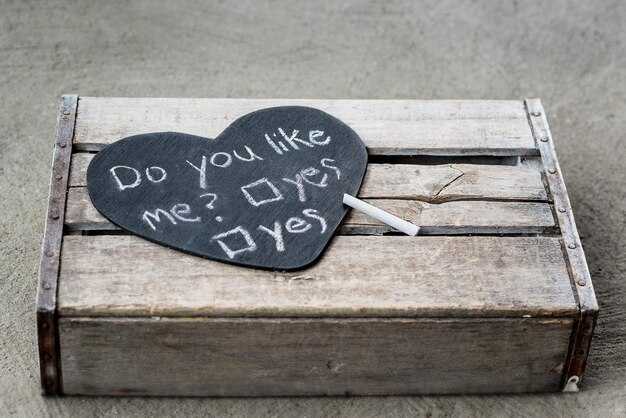
Prioritize researching personal meaning over defaulting to brand or price: spend 30–60 minutes listing routines, favorite objects and five specific memories tied to them, then choose a gift that references one clear memory–this short note that explains why the gift matters will often outvalue expensive labels and doesnt get lost in superficial brand signals.
Create three practical categories to test ideas: daily-used, experience, keepsake. For each category pick one candidate and research origin, maker and reviews; visit one or two specialty stores or artisan markets and compare materials and provenance throughout your search. Ask two friends who know them to rate options 1–5 on meaningfulness; choose items scoring 4 or higher. This process works because it replaces guesswork with quick evidence: for food gifts select small-batch producers and include tasting notes, for keepsakes add an engraving or date, and for experiences attach a short plan that shows what will happen and when.
Set simple budget rules: only spend large sums on items that will be used daily or hold a specific story, otherwise allocate funds to thoughtful presentation and a single surprise. For anniversaries pick one main thoughtful element and one small unexpected touch–handwritten cards, a favorite food, a tiny token that touches a private memory. chapman explains why aligning gifts with a receiver’s love language increases perceived value, and chapmans model helps break the myth that cost equals care; relying on brand prestige can negatively skew reactions if there’s no personal tie. Lastly, keep a record of what worked and what didnt–where you bought everything and the recipient’s reaction–so you replicate successes without guesswork when you plan future gifts.
Observe Emotional Outcome: Do You Feel Closer After Giving, or Simply Satisfied with the Purchase?
Start by measuring: rate closeness on a 1–10 scale immediately after giving and again after seven days; if your score rises by two points or more repeatedly, your gifts create connection – if only purchase satisfaction increases, you bought something that made you happy, not necessarily more intimate. Use a quick log you checked after each gift to capture date, recipient, money spent, type of gift, and two numbers: your immediate satisfaction and perceived closeness.
Follow this easy, data-driven method: record 20 gift events (small counts produce noisy results). Mark each entry as one of three types – experiential, practical, or symbolic – and note whether the recipient actively showed affection, verbalized feelings, or thanked you simply for the item. University-reviewed summaries often show experiential gifts raise reported closeness more often than material ones; let your own data confirm whether that pattern holds in your relationships.
Use actionable tips: include modest gestures such as grocery surprises or handwritten notes for low cost; track money spent and time invested separately, since time-touching gestures (helping with chores, small touches, shared meals) often correlate with higher closeness even when money spent is low. Treat your log like a reporter: note observable reactions, what the owner of the relationship said, and whether they ask follow-up questions – these details help you distinguish genuine bonding from shopper satisfaction.
Act on results: if your pattern shows you feel happier because of the purchase itself, pivot toward gifts that require shared time or communication and ask the recipient how they would like to receive affection. If gifts increase closeness, keep the primary strategies that work and spend less on impulse buys; regardless of budget, prioritize types that repeatedly increase closeness. Speak about feelings after a few trials to confirm the numbers with real conversation – that combination of tracking and candid communication will make your giving more relational and less about money alone.
Set a Personal Budget Rule: How to Give Meaningfully Without Financial Strain
Pick a fixed percent of your monthly net income for gifts – 1–3% is a practical range. For example, on a $3,000 net paycheck set aside $30–$90 each month; that dollar amount covers routine giving without touching bills. Treat this allocation as nonnegotiable spending so you only spend what you can afford and avoid last‑minute debt.
Set a per‑recipient cap and an annual cap to control impulse spikes: common per‑person limits range from $20 to $100 depending on relationship intensity, and an annual gift fund equal to 6–12% of your intended gifting year keeps things predictable. Use whole numbers in your plan so ones you buy meet the cap easily and tracking stays simple.
Create three buckets inside your gift fund: holidays (50%), birthdays (30%), surprise/special (20%). If a special occasion requires more, move funds between buckets rather than exceeding the total budget; this prevents covering an expensive event by borrowing. Allocate actual dollar targets to each bucket so youll know exactly how much stays available.
Use automation and reminders: set a recurring transfer to a separate account or an envelope labeled “gifts” and a calendar reminder before high‑spend months. Combine this with a brief monthly check (5 minutes) to review spending; manifestation of the habit through small, repeated actions reduces stress and protects your health by lowering financial anxiety.
Choose gifts with high emotional return rather than high price. Identify the recipient’s love languages and learning preferences – for many, a handwritten note, an experience, or a curated playlist creates a surprising, special reaction. Preferences differ more between people than by gender, so ask or observe instead of assuming.
For students or low‑income earners (including university budgets), scale rules: $10–$30 per month or a $50 per‑person cap keeps social life intact without financial strain. If you plan gifts around shared experiences, theyll often cost less yet leave a wonderful feeling and make recipients happier than expensive impulse purchases.
Track and adjust quarterly: log gift expenses in a simple spreadsheet or app, note which gifts produced the most positive reactions, and reallocate next quarter toward those ideas. A short note that says “nice time together” or a small personalized item can be highly effective; mention low‑cost options when planning so you dont spend much unnecessarily. This approach makes giving easier on your bank account and more meaningful in life.
 The Science of Anger – What Happens in Your Brain and Body">
 When to Say ‘I Love You’ for the First Time – Expert Advice">
 Ask Alison – Respond to Backhanded Compliments & Stay Classy">
 9 Psychological Challenges of Long-Distance Relationships — Causes, Effects & Coping Tips">
 Why the Silent Treatment Is Destructive – Passive-Aggression">
 How to Spot Jealousy – 10 Clear Signs & How to Respond">
 I Need Attention – What It Means & How to Stop Needing It">
 What to Do When Your Partner Is Upset but Won’t Tell You Why — Relationship Tips">
 Embrace the Mud — Benefits, Tips & Best Mud Runs">
 What Is Romantic Love? Meaning, Signs, Examples & Tips">


