Japanese
  English
  Russian
  French
  German
  Italian
  Spanish
  Polish
  Ukrainian
  Turkish
  Portuguese
  Greek
Greek  Arabic
  Korean
  Chinese
  Czech
Czech 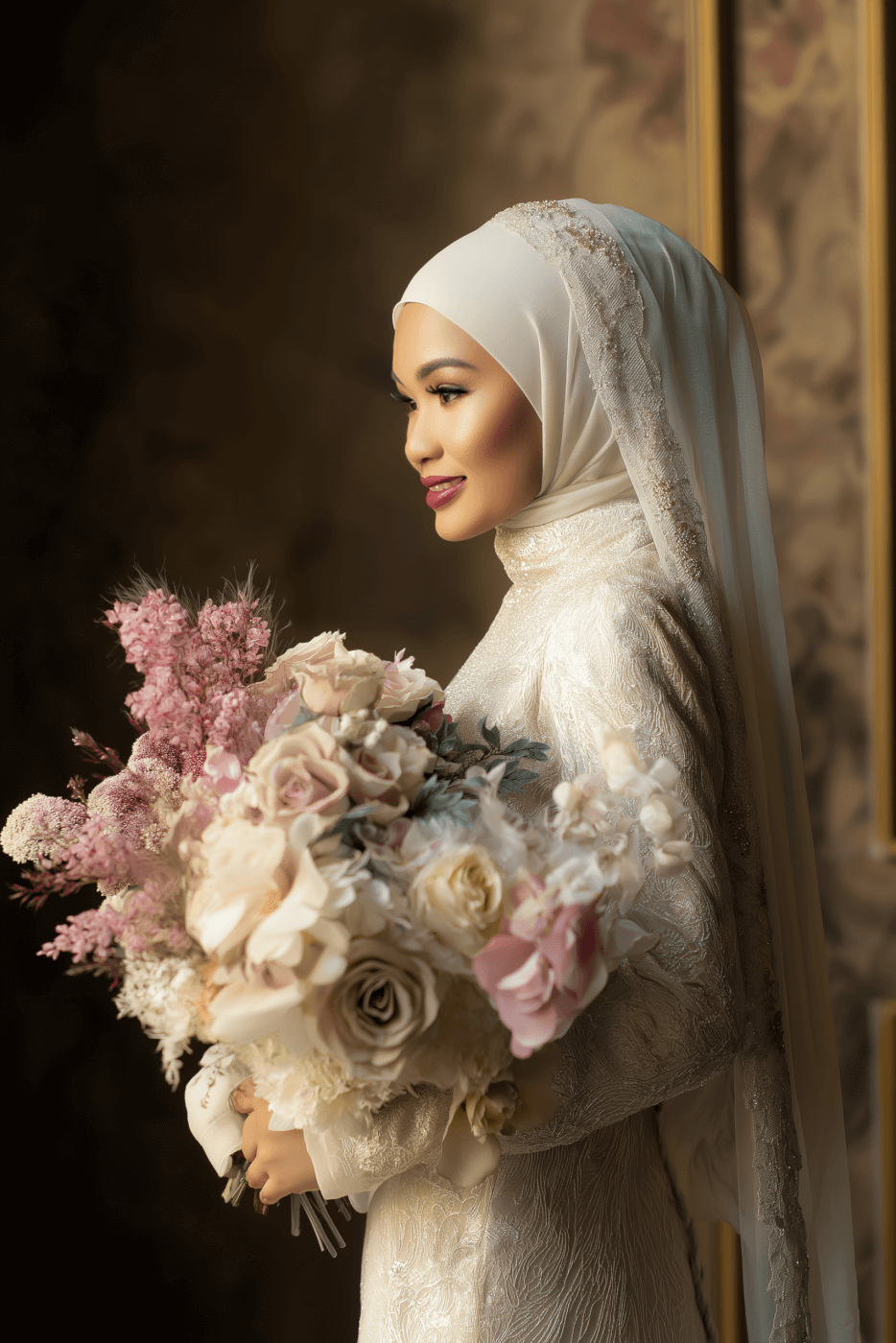

Muslim wedding traditions form a rich and meaningful tapestry shaped by the Islamic faith, cultural values, and centuries of heritage. A Muslim wedding blends religious rituals, family customs, and joyful celebrations that bring communities together. These traditions create a marriage framework rooted in commitment, trust, and spirituality. While each region follows its own cultural nuances, the foundation of a Muslim wedding remains deeply connected to the teachings of the Islamic faith.
A modern couple preparing for a Muslim wedding often navigates a long list of customs, ceremonies, and symbolic rituals. The wedding itself is not just a celebration; it is a sacred marriage contract that reflects responsibility, respect, and shared vows between partners. Whether you participate as a family member, a friend, or attend a Muslim wedding for the first time as a guest, understanding these traditions helps you appreciate the depth of this meaningful journey.
This comprehensive guide explores every major aspect of a Muslim wedding, from the nikah ceremony to wedding feasts, attire, rituals, and the emotional moments of rukhsati. It also highlights cultural differences across regions, the spiritual significance of prayer in marriage, and the evolving role of Islamic values in modern relationships.
Origins And Cultural Significance Of Muslim Marriage Traditions
Marriage in the Islamic faith is regarded as a sacred, lifelong partnership that brings two individuals together under shared values. Muslim marriage is not solely a social contract; it carries deep religious meaning. Islamic teachings encourage marriage as a path to companionship, emotional well-being, and moral growth.
Muslim wedding traditions vary widely across countries, yet core elements remain consistent. Whether a couple lives in South Asia, the Middle East, North Africa, or Europe, the foundation of the Muslim wedding ceremony remains rooted in Islamic teachings. Many families incorporate regional rituals, music, henna events, and local customs into wedding celebrations, giving each Muslim wedding its own personality.
The traditions associated with Muslim marriage also emphasize community support. Family members help with wedding planning, offer advice, and engage in rituals that symbolize unity. These customs remind everyone that marriage is not an isolated relationship but part of a broader community fabric.
Pre-Wedding Preparations And Family Involvement
Engagement Agreements And Family Introductions
Before the official Muslim wedding ceremony, families traditionally meet to discuss intentions and compatibility. This step is common in many cultures and helps ensure both families understand expectations. While modern couples often meet through dating apps or social settings, the concept of dating in many Muslim communities still respects cultural boundaries. Engagement gatherings help families get acquainted and begin discussing the wedding.
Some families also exchange small gifts or prayers during this phase. Although this moment is not part of the religious contract, it establishes the tone for respectful interaction between families.
Mahr: The Symbolic Marriage Gift
One of the essential components of Muslim wedding customs is the mahr. This required marriage gift is offered by the groom to the bride as part of the nikah ceremony. The mahr may include jewelry, money, or something meaningful to the couple. It cannot be symbolic only; it must hold real value. Its purpose is to honor the bride’s rights and offer her security in the marriage.
Khutbah And Spiritual Preparation
Many Muslim families choose to include a khutbah or a short religious talk before the nikah. This sermon highlights the importance of marriage in Islam, encourages kindness between spouses, and serves as a reminder of the moral responsibilities within a family. The khutbah gives the couple an opportunity to reflect on the spiritual foundation of their relationship.
The Importance Of Attire In A Muslim Wedding
Muslim wedding attire varies across regions, yet elegance, modesty, and cultural identity shape the overall style. Brides may wear traditional gowns with embroidery, beadwork, or regional patterns. Some wear colorful dresses with gold details, while others prefer a simple gown in white or pastel shades.
Grooms may wear a suit, sherwani, thobe, or other traditional clothing depending on their heritage. The attire represents beauty, tradition, and respect for the wedding rituals that will take place.
Because the wedding can be long, many couples prepare multiple outfits: one for pre-wedding events, one for the nikah ceremony, and another for wedding celebrations such as the walima. The choice of Muslim wedding attire showcases cultural identity while aligning with Islamic values of modesty and grace.
The Nikah Ceremony: Heart Of A Muslim Wedding
What Makes The Nikah Sacred
The nikah is the core of every Muslim wedding. This ceremony formalizes the marriage contract and establishes the commitment between the couple. It is considered a highly spiritual moment marked by vows, prayer, and acceptance.
During the nikah ceremony, the officiant — often an imam or scholar — recites Quranic verses about marriage. The couple verbally agrees to the marriage offer and acceptance, known as ijab and qabul. These vows reflect the free will and mutual consent required for a valid Muslim marriage.
Role Of Witnesses And Family
Every Muslim wedding ceremony requires at least two adult witnesses. Their presence ensures that the marriage is transparent, ethical, and valid under Islamic law. Family members often gather around during this moment, celebrating the couple with smiles, prayers, and blessings.
Signing The Marriage Contract
The nikah contract includes the mahr amount and the couple’s rights. Signing the contract turns the verbal vows into a formal marriage approved by religion and recognized culturally in Muslim wedding traditions.
Rituals And Symbolic Acts In The Ceremony
Muslim weddings incorporate rituals that express joy, gratitude, and cultural heritage. Although Islamic teachings provide the foundation, many communities blend faith and culture to create unique celebrations.
Recitation And Prayer
Prayer plays a central role. Some families recite a dua asking for harmony, prosperity, and understanding in the marriage. The officiant may offer additional religious blessings, reinforcing the significance of the union.
Exchanging Vows With Meaning
While the standard Islamic vows are brief, many couples express personal commitments that reflect their values. These vows may emphasize love, respect, compromise, and spiritual companionship. Over the past decade, more couples have chosen to personalize parts of the wedding ceremony as long as core Islamic rules are respected.
Cultural Rituals Across Regions
In South Asia, the groom may arrive with music and dancing, while in the Middle East, families celebrate with traditional songs. In North Africa, families incorporate unique attire and artistic rituals passed down through generations. Each region enriches the Muslim wedding with its distinct cultural beauty.
Henna Night: A Celebration Of Art And Joy
Henna, also known as mehndi, is one of the most beloved pre-wedding events. This celebration brings together women from both families to adorn the bride’s hands with beautiful, symbolic designs. Henna represents joy, blessings, and cultural identity.
For many Muslim communities, this night includes music, dances, and laughter. Henna events continue to be a cherished tradition where relatives exchange stories, give advice, and create joyful memories before the wedding ceremony begins.
Rukhsati: The Emotional Farewell
Rukhsati marks the bride’s symbolic departure from her family home. This moment carries deep emotions, as it represents the beginning of her new life with her spouse. Though solemn, it is also a moment filled with blessings, support, and encouragement.
Families often emphasize that the bride is not leaving them permanently; instead, she is expanding her family. The sentiment behind rukhsati reflects love, hope, and unity.
Wedding Feasts And Celebrations After The Nikah
The Significance Of The Walima
Walima is a special wedding feast hosted after the nikah. This event celebrates the marriage publicly and brings together friends, family, neighbors, and guests. The walima is considered a sunnah and represents gratitude and joy.
Walima menus vary widely based on region. Some families serve traditional dishes, while others choose modern dining options. The purpose remains the same: to share happiness and mark the beginning of the couple’s married life.
Music, Gatherings, And Cultural Festivities
Wedding celebrations may include traditional music, dances, or cultural performances. While some Muslim families prefer quieter gatherings, others host large events with vibrant decorations and entertainment. As long as the wedding celebrations align with Islamic values, families freely incorporate their cultural heritage.
Regional Variations In Muslim Wedding Customs
Muslim wedding customs differ significantly across geographical regions while staying connected to the Islamic foundation. Examples include:
South Asian Traditions
カップルは、サンギート、ドルキ、ヘナの夜など、複数の前婚イベントを祝うことがあります。服装はカラフルで、式典では複雑な儀式が行われます。
中東の伝統
結婚式では、ザッファの行列、ユニークなトーブのスタイル、そしてもてなしと伝統に重点を置いた家族の集まりが含まれることがあります。
アフリカと北アフリカの伝統
儀式では、象徴的な踊り、衣服に施された芸術的な模様、そして団結と伝統を強調する地方の祝福などが強調されることがあります。
西洋のムスリムの結婚式
ヨーロッパまたは北米に住むイスラム教徒のカップルは、イスラムの儀式と現代的な嗜好を組み合わせることがよくあります。より小規模な集会を開いたり、多文化的な影響を取り入れたりすることもあります。
これらのバリエーションは、グローバルなイスラム教共同体における多様性の美しさを反映しています。
イスラム教徒の結婚式に出席する際のゲストとマナー イスラム教徒の結婚式は、非常に特別な儀式であり、参加者にはいくつかのマナーが求められます。ここでは、ゲストとして参加する際に留意すべき点について説明します。 * **服装:** 多くのイスラム教徒の結婚式では、控えめな服装が推奨されます。女性の場合、肩と膝を覆う服装が望ましいです。男性の場合、襟付きのシャツとズボンを着用するのが一般的です。派手な装飾や露出の多い服装は避けるようにしましょう。 * **贈り物:** 結婚祝いの贈り物は、新郎新婦にとって大きな喜びです。現金(エンベロープに入れる)、または新居に役立つ物を選ぶのが一般的です。高価な贈り物よりも、心を込めたものが喜ばれます。 * **写真撮影:** 結婚式の写真撮影は、参加者の許可を得てから行うようにしましょう。特に、女性が写る場合、事前に許可を得てから撮影することが重要です。 * **食事:** 結婚式で提供される食事は、ハラール(イスラム法に適合したもの)であるはずです。豚肉やアルコールは提供されません。ベジタリアン向けの料理も用意されている場合があります。 * **お辞儀や握手:** イスラム教徒との挨拶では、お辞儀や握手をする習慣があります。握手をする際は、男性から女性へは握手しないのが一般的です。ただし、相手の立場や関係性によっては例外もあります。 * **宗教的な配慮:** 結婚式では、礼拝が行われる場合があります。その際は、静かに見守り、邪魔にならないようにしましょう。 * **感謝の気持ち:** 結婚式に参加させていただいたことに感謝の気持ちを伝えることが大切です。新郎新婦やご家族に、直接お礼を言うか、後日メッセージを送るのが良いでしょう。 これらのマナーを守ることで、イスラム教徒の結婚式を楽しく、そして敬意を持って参加することができます。
イスラム教徒の結婚式に出席する予定の人は、適切なエチケットを理解していると感謝するでしょう。あなたがイスラム教徒でなくても、服装には慎み深さを心がけることが尊重です。文化的な慣習により、特定のエリアに入る前に靴を脱ぐのが一般的です。
時間厳守はありがたく思われます。特にニカーフ(結婚契約)の儀式においてはそうです。結婚の儀式は社交的なイベントよりも早く始まる可能性があるため、時間通りに到着することで、結婚式の最も神聖な部分を目にすることができます。
ゲストは通常、家族を温かい言葉で迎え、贈り物を同伴することがあります。祝福を分かち合ったり、カップルを祝福したりするなど、さりげないジェスチャーは親切と敬意を反映しています。
イスラム教徒の結婚式への現代の影響
スタイルと世界的なトレンドの変化
過去10年間で、イスラム教徒の結婚衣装は大きく進化しました。花嫁は、謙虚さを保ちながら、世界のファッションのトレンドを取り入れています。新郎は、モダンなスーツ、伝統的なトーブスタイル、またはフュージョンの衣装を試しています。
結婚式の計画も、デジタルツール、ソーシャルメディア、そして国際的なベンダによって変化しました。カップルはグローバルな文化からインスピレーションを得ながら、自身のアイデンティティとの繋がりを保ちます。
現代の結婚の期待に適応する
今日のカップルは、結婚前に期待を率直に話し合うことがよくあります。 финансовое планирование、家事の分担、長期的な目標といったトピックは、現代の結婚の価値観を反映しています。 これらの会話は、透明性を生み出し、パートナーが共有する責任に備えるのに役立ちます。
結婚の旅路における信仰の役割
信仰は、ニカーフ(結婚)の儀式だけに限定されるものではありません。夫婦は結婚生活全体を通して導きを受け続けます。多くの家族は、祈り、思いやり、共通の学習を通じて、互いに精神的に支え合うように配偶者を励ましています。
イスラムの価値観は、課題の克服、業績の祝賀、そして感情的なつながりの育成において重要な役割を果たします。信仰と個人の成長のバランスが、強固な結婚の基盤を形作ります。
Final Thoughts: Heritage, Love, And Commitment の祝福
イスラム結婚の伝統は、信仰、価値観、そしてコミュニティに根ざした、美しく意味のある旅を作り出します。それぞれの祝賀会は、霊的な献身、文化的アイデンティティ、そしてパートナー間の深い心の繋がりを強調します。ヘナの儀式からニカーフまで、心を込めた誓いから活気のある結婚の宴まで、それぞれの要素が結婚の神聖な結合を讃えます。
初めてイスラム教徒の結婚式に参加する方、結婚式の準備を手伝う方、またはご自身の結婚式に備える方にとって、これらの伝統を理解することで、経験が豊かになります。イスラム教徒の結婚式は、社交イベント以上のもの—それは、尊敬、愛、調和、そして2人の人々を結びつける一生の絆を祝うお祝いなのです。