Japanese
  English
  Russian
  French
  German
  Italian
  Spanish
  Polish
  Ukrainian
  Turkish
  Portuguese
  Greek
Greek  Arabic
  Korean
  Chinese
  Czech
Czech 
For centuries, societies have used intermediaries to help people find long-term partners. What began with traditional community matchmakers evolved into structured marriage agencies and, today, has transformed into global matchmaking — a premium, technology-driven service designed around deep compatibility and private search.
Below, we explore how the process changed across three major models:
the traditional matchmaker, the marriage agency, and the modern matchmaker.
The Traditional Matchmaker: Community Knowledge Over Romance
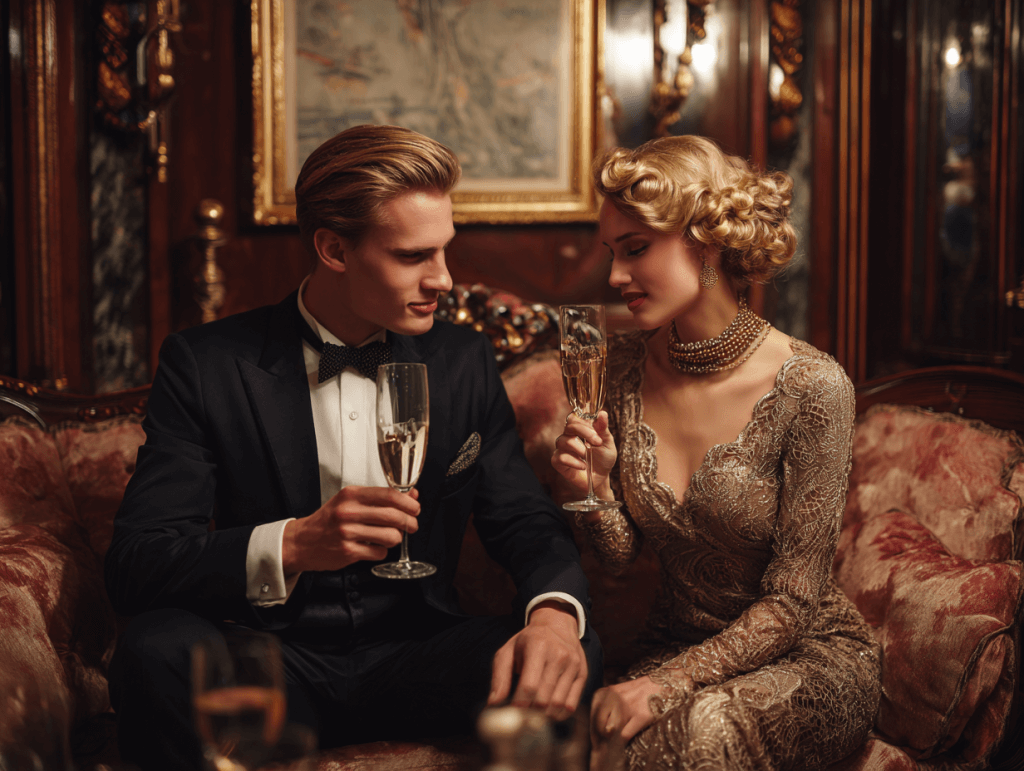
Historically, the first “dating service” was a person—usually an older woman within a village or town who knew the families, their histories, reputations, and values. Her task was to introduce couples based on family interests, financial stability, lineage, and social compatibility. In Russia, this system has been documented since at least the 15th century and persisted in many regions until the 19th century.
Traditional matchmaking centered around families rather than individuals. Romance, personal attraction, and emotional compatibility were secondary to practical concerns such as continuity, reputation, and economic wellbeing. The process was deeply personal within the community but not necessarily private. Engagements and negotiations were known to neighbors and relatives, and information spread through social networks long before any digital equivalents existed. Geography was limited to nearby villages or neighborhoods, and the matchmaker operated entirely through word-of-mouth and personal relationships.
The Marriage Agency: Standardization and Institutional Framework
With the rise of cities, industrialization, and social mobility, the village model no longer fit everyone’s needs. By the 17th century in Europe—and much later in Russia—matchmaking entered a more formal, commercial phase with the emergence of marriage agencies.
Marriage agencies introduced structure and systemization. Clients filled out questionnaires, provided personal data and preferences, and specialists used questionnaires to search for suitable partners. Agencies created databases, arranged meetings, and sometimes organized social events for singles. The service became significantly more private than traditional matchmaking, as personal data was no longer publicly discussed within the community.
Despite this modernization, marriage agencies remained geographically limited. Most operated locally or nationally. Only toward the end of the 20th century did some agencies begin facilitating international connections, typically through partnerships between offices in different countries. Technology played a modest role: computers, phone calls, and later email simplified operations, but matching remained largely manual. This model made matchmaking accessible to the middle class, but personalization was moderate, and services often ended as soon as an introduction was made.
The Modern Matchmaker: Personalized, Global, and Tech-Enhanced
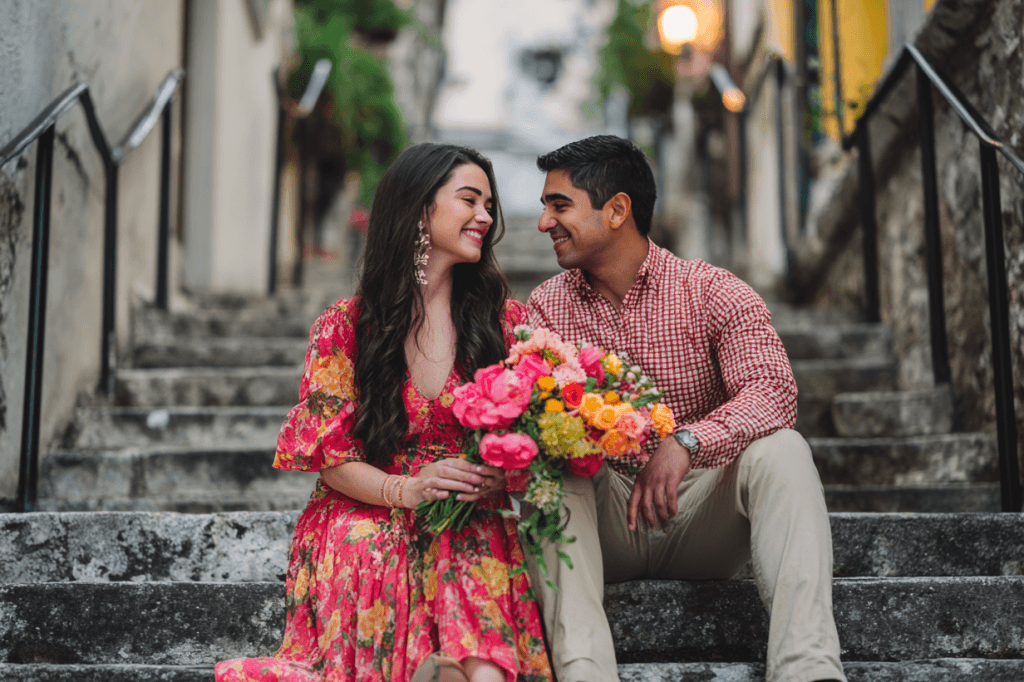
The third stage of matchmaking evolution emerged in the late 20th and early 21st centuries with the arrival of the modern matchmaker. Today’s professional matchmaker works with a limited number of clients, using a blend of psychology, technology, and global search networks to create long-term compatible matches.
Unlike agencies, modern matchmakers begin with deep discovery sessions. These may include multi-hour interviews, relationship history analysis, values and lifestyle assessment, and sometimes psychological frameworks. The purpose is not just to collect data, but to understand who the client is, what they need, and why past relationships may not have worked. Compatibility in this context is emotional, intellectual, social, and lifestyle-oriented—not simply demographic.
A defining feature of modern matchmaking is its global reach. Today’s matchmakers collaborate with colleagues worldwide, exchange vetted candidate profiles through professional platforms, and conduct introductions across borders. Tools like the SoulMatcher Matcher™ marketplace make this process discreet and efficient by allowing matchmakers from different countries to connect private databases without exposing clients publicly.
Technology now complements intuition, not replaces it. Matchmakers use CRM systems, secure databases, AI-assisted compatibility suggestions, and remote video introductions. Some even offer virtual communication assistants who pre-screen dating app matches for busy clients. Yet the final decision remains human, grounded in emotional intelligence and professional insight.
Support is another major shift. While agencies typically ended their work after presenting candidates, modern matchmakers guide clients through the entire journey. They help prepare for dates, debrief after introductions, offer communication advice, and may continue supporting the couple through early relationship stages. The goal is not just to arrange meetings, but to achieve a successful long-term match.
Same Goal, Different Eras
Each stage of matchmaking reflects the needs of its time.
Traditional matchmaking optimized for family strategy and community cohesion.
Marriage agencies optimized for structure, privacy, and scale.
Modern matchmaking optimizes for compatibility, efficiency, and global reach.
Today’s matchmaking renaissance is driven by modern realities: demanding careers, mobility, digital overload, privacy concerns, and higher standards for relationships. Entrepreneurs, executives, international professionals, and people who value their time increasingly seek curated, discreet, and emotionally intelligent partner search services.
From oral negotiations in village kitchens to global networks powered by AI, matchmaking has evolved dramatically, yet its purpose remains the same: helping people find meaningful, lasting connection. What has changed is the scope, the tools, and the philosophy behind the match.