

 Japanese
  English
  Russian
  French
  German
  Italian
  Spanish
  Polish
  Ukrainian
  Turkish
  Portuguese
  Greek
Greek  Arabic
  Korean
  Chinese
  Czech
Czech 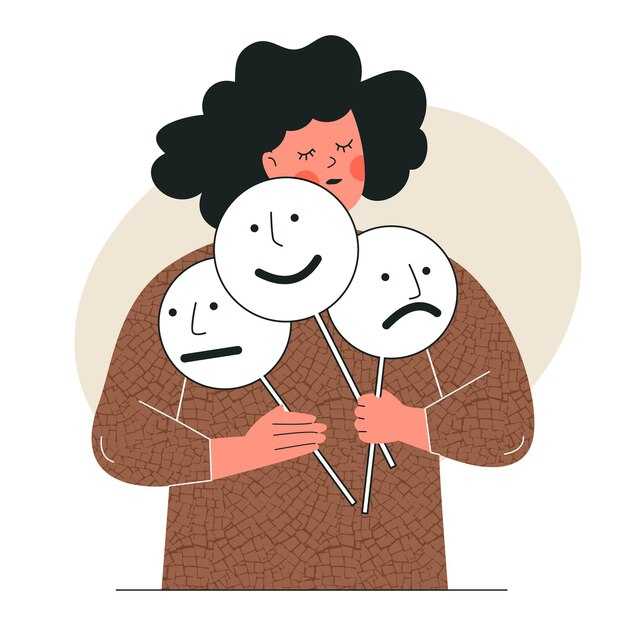 彼らの気持ちはあなたにとって重要ですか?">

Do you ever wonder what to learn so you can communicate more during an argument? It might be valuable to take a closer look. For example, men: if your partner tells you she wants more affection and quality time, you could spend that moment arguing that she’s wrong to feel that way, or you could pause and consider that her words aren’t an attack but useful information about how she experiences love and appreciation. And women: if your partner opens up and admits he doesn’t feel desired or valued, and that your tone or remarks often hurt him, you might react with hurt and indignation—after all, haven’t you done so much for him? Or you could choose to treat that disclosure as something to examine, to try offering the same validation, curiosity, and empathy you wish he’d give you when you share your feelings. Picture a relationship where we don’t reflexively dismiss someone’s worries, requests, or complaints because of pride, ego, or shame. Crucially, “worth exploring” cannot be a one-sided exercise; a healthy partnership requires empathy—seeing and probing their emotions, needs, and wounds from their perspective rather than only our own. That is what love, kindness, and consideration look like in practice: showing the person we claim to love that what matters to them matters to us. Instantly invalidating, criticizing, or brushing them off conveys only one message—that their feelings don’t count.
Practical ways to make feelings matter in the moment and over time:
- Pause before responding. Take a breath to avoid a reflexive defensive reply. A short pause lets you choose curiosity instead of judgment.
- Listen to understand. Use reflective listening: briefly paraphrase what you heard (e.g., “So you’re feeling lonely when I’m on my phone after dinner”) to show you’re trying to understand, not rebut.
- Validate emotions without agreeing on facts. You can acknowledge their experience (“I can see why you’d feel that way”) even if you see the situation differently. Validation = respect, not surrender.
- Ask open, clarifying questions. “Can you tell me what you need in that moment?” or “When does this feel strongest for you?” helps move from accusation to problem-solving.
- Use “I” statements for your own feelings. Say “I feel overwhelmed when…” instead of “You always…” to reduce blame and keep dialogue open.
- Offer small repair attempts. Simple apologies (even “I’m sorry you felt hurt”) and concrete gestures (a hug, a time-out agreement) help reset escalation.
- Watch tone and body language. Softening your voice, maintaining eye contact, and uncrossing arms communicates safety and openness.
- Set healthy boundaries and take breaks when needed. If emotions run too high, agree on a pause and a time to revisit the issue so both feel heard and safe.
- Make empathy a habit. Regular check-ins (“How are we doing?”), expressing appreciation, and asking about each other’s needs prevent small resentments from becoming big fights.
- Get help when patterns repeat. If you’re stuck in dismissive or reactive cycles, couples therapy or guided communication exercises can teach durable skills.
Example phrases you can use in the heat of the moment:
“Help me understand what you need right now.”,
“I’m sorry you felt that way — tell me more.”,
“I hear you. That matters to me.”,
“I don’t want to dismiss you; can we talk about how to make this better?”
Making someone’s feelings matter is a skill you practice, not a one-time act. Over time, these habits create a culture of mutual respect and safety where both partners feel seen, heard, and cared for.
How to Recognize and Validate Emotions Effectively
Label the feeling within the first minute using a short, specific word or phrase (e.g., “angry,” “ashamed,” “overwhelmed”); verbal labeling reduces emotional reactivity in neuroimaging studies by engaging prefrontal regions and lowering limbic activation (Lieberman et al., 2007).
Watch concrete signals: facial expression changes (tightened jaw, furrowed brow), vocal shifts (rise in pitch, quieter volume), posture (withdrawn shoulders, clenched fists), and behavioral signs (rushed speech, silence, pacing). Combine those cues with context–what happened just before the reaction–to form an accurate label.
Ask short, focused questions that invite feeling-based answers: “What are you feeling right now?” “Where do you feel this in your body?” Pause for 2–4 seconds after the question to allow processing; people often need that quiet to move from thought to verbalization.
Reflect what you hear using a two-part structure: name the emotion, then state the trigger. Use templates such as “You seem [emotion] about [situation].” Keep reflections under 12 words to avoid overloading the speaker and to confirm understanding quickly.
Validate without minimizing: acknowledge accuracy and normality of the response (e.g., “That reaction makes sense given what happened”) rather than judging intensity. Avoid “calm down,” “you’re overreacting,” or immediate problem-solving; those responses shut down disclosure.
Calibrate intensity with a 1–10 scale: ask “How intense is this on a scale of 1 to 10?” If they report 7–10, offer short stabilizing interventions first (one-minute grounding, paced breathing 4-4-6). If 3–6, ask whether they want a practical next step or emotional space.
Use concrete grounding techniques when intensity runs high: slow exhale breathing (inhale 4 seconds, exhale 6 seconds) for 60–90 seconds; five-sense grounding (name 3 things you see, 2 you touch, 1 you hear). Offer a single, simple action rather than a list of solutions.
Ask permission before advising: “May I share a thought?” If they agree, offer one concise option tied to their goal (comfort, problem-solving, boundary setting). When they decline, respect that choice and schedule a follow-up.
Align nonverbal signals: maintain soft eye contact, lower your vocal pitch slightly, mirror posture at about 20–30% intensity to show empathy without mimicry. Keep hands visible and open; avoid abrupt gestures or checking your phone.
Repair quickly if you misread or interrupt: say “I misread that–tell me more” or “Sorry, I interrupted; please continue.” Then restate the last thing they said and ask a clarifying question to regain trust.
Set a clear follow-up plan: summarize what you heard in one sentence, agree on one next step, and pick a time to check back within 24–48 hours. This turns validation into sustained support and prevents emotions from being left unresolved.
Balancing Empathy with Personal Boundaries

Make a clear limit for emotional support up front: offer a specific time window (for example, 30–60 minutes) or frequency (one deep conversation per day) and state it kindly. This reduces drift into constant caretaking and preserves energy for follow-up tasks.
Use a simple three-step interaction pattern: listen briefly (30–90 seconds of focused attention), validate with a short reflection such as, “I hear that this feels overwhelming”, then 次のステップを設定します。–具体的な行動か、境界線を引く声明のいずれか。例: “「今なら30分だけこの件について話せます。その後は休憩が必要です。もしくは、セラピストの連絡先を探すお手伝いならできます。」”
会話中のストレスを0から10で評価し、数値で感情的な負荷を監視してください。7以上に達したら、一度中断し、短いリラックスルーチン(深呼吸5回、2分間の沈黙、10分間の気晴らし)を行ってください。高負荷のサポート30分ごとに、約20分の休憩を取るようにしてください。.
句の境界を維持して、関係性を保ってください。使用: “「私」ステートメント そして、代替案を提示します。テンプレート: “「あなたのことは大切に思っているけれど、今、私はこれ以上抱えきれないの。20分なら話を聞けるか、何か情報源を探すお手伝いならできるわ。」” 繰り返しの要求には、予測可能なスケジュールを設定しましょう。 “「毎週火曜日、午後7時に進捗確認を設けることにしましょう。」”
自分の基本的な健康を積極的に守りましょう。7〜9時間の睡眠、規則正しい食事、そしてあなたを元気にしてくれる人との週2回の交流を優先してください。機能状態を把握し、圧倒的な状態、睡眠障害、または仕事への支障が2週間以上続く場合は、精神保健の専門家にご相談ください。.
境界線の有効性を2~4週間ごとに見直し、調整してください。何が恨みを軽減し、何が親密さを保ち、何が互恵性を高めたかを記録します。コミュニケーションは短く、毅然と、共感的に行い、相手の気持ちを尊重しつつ、あなたのケア能力を守ってください。.
 How to stop HURTING your partner.">
 Why You Miss the Red Flags (Until You’re Already Trapped)">
 Scheduling “Intimacy” Agree or Disagree?">
 5 Trauma Habits That Are Secretly Ruining Your Life">
 Keep God out of Relationships.Right?">
 結婚を修復する方法!これらのツールが必要です!">
 消極的な人がついに崩れ落ちる瞬間 | メル・ロビンズ 最高 Motivational Speech">
 4 回答を避ける人が答えられない質問、遅れるな、これを尋ねなさい | Jordan Peterson">
 これらのサインは、回避型があなたに対して本物の愛を感じていることを意味します (心理学)">
 パートナーの非合理的な感情を検証する方法">


