Japanese
  English
  Russian
  French
  German
  Italian
  Spanish
  Polish
  Ukrainian
  Turkish
  Portuguese
  Greek
Greek  Arabic
  Korean
  Chinese
  Czech
Czech 

Christian wedding traditions are rooted in spiritual symbolism, deep commitments, and long-standing cultural practices that have shaped ceremonies across centuries. A Christian wedding reflects sacred values grounded in biblical teachings, emphasizing unity, covenant, and lifelong devotion between a husband and wife. These traditions vary across denominations, yet the foundation remains centered on love, commitment, and the blessing of god over the marriage.
Many couples today blend classic customs with modern choices, creating a Christian wedding ceremony that honors faith while fitting personal preferences. Whether someone attends as one of the guests, participates as family, or plans their own celebration, understanding the meaning behind these wedding traditions makes the experience far more meaningful. From the wedding dress to exchanging rings and reciting vows, every gesture reflects spiritual significance.
For couples seeking deeper insights into relationships, cross-cultural interactions, or compatibility, resources such as Matcher can offer guidance during the marriage journey. You can explore more about relationships at: https://matcher.soulmatcher.app/
Historical Roots And Spiritual Meaning Of Christian Marriage Traditions
Christian marriage has its origins in biblical teachings, with references found in genesis, corinthians, and other scripture that highlight devotion, partnership, and shared purpose. Marriage is described as a sacred covenant — not merely a social agreement — symbolizing god’s love for humanity. This covenant reflects mutual responsibility, sacrifice, and spiritual connection between two individuals who choose to walk together through life.
Many traditions surrounding the Christian wedding ceremony trace back to early church practices. Over centuries, these customs expanded through cultural influences, regional interpretations, and evolving marriage rituals. Yet the essence remains consistent: a Christian wedding affirms a union grounded in faith, commitment, and godly principles.
The ceremony also reflects the belief that Jesus taught compassion, forgiveness, and unconditional love — values considered essential in a Christian marriage. Christian wedding traditions continue to honor these core teachings today.
Pre-Wedding Rituals And Family Involvement
Engagement Blessings And Family Preparations
Before the Christian wedding ceremony takes place, families often gather to celebrate the couple’s decision to move toward marriage. Engagement periods vary in length, but they usually include prayer, planning, and shared moments of reflection. These gatherings may involve reading passages from the bible or offering a blessing for the couple’s upcoming union.
The involvement of family, including the father, mother, siblings, and extended relatives, reflects the importance of community in Christian traditions. Family participation also ensures emotional and spiritual support for the bride and groom as they approach their wedding ceremony.
Wedding Planning With Spiritual Intent
Many Christian couples incorporate prayer throughout their wedding planning. This includes selecting meaningful scripture readings, choosing worship music, and discussing the design of the ceremony. The couple may also meet with a pastor to prepare emotionally and spiritually for marriage, discussing commitment, communication, and understanding.
These pre-wedding traditions establish a foundation of faith that continues into the marriage itself.
Importance Of Attire And Symbolism In Christian Weddings
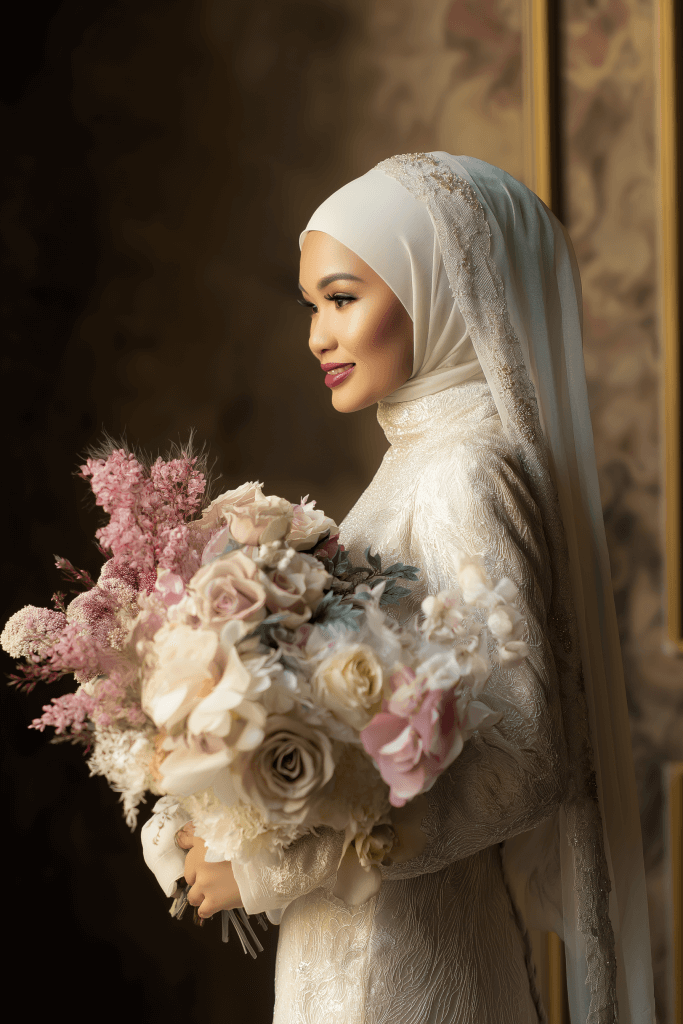
Christian wedding attire has significant meaning rooted in modesty, purity, and tradition. Brides commonly choose a white dress to symbolize purity and new beginnings, while the bridal veil carries its own history of sacred symbolism, representing reverence and spiritual protection.
The Role Of The Wedding Dress
The wedding dress often includes lace, embroidery, or elegant detailing based on the bride’s personal style. This attire continues to be one of the most cherished elements of a Christian wedding. While many brides still prefer a white dress, others opt for soft pastels or cultural variations, maintaining modesty and beauty.
Attire For The Groom And Wedding Party
The groom may wear a suit or tuxedo, often complemented by symbolic elements reflecting unity and commitment. The wedding party, including bridesmaids and groomsmen, coordinate in complementary outfits, representing support and harmony during the ceremony.
These traditions create a dignified and graceful presentation, honoring the sanctity of the Christian wedding ceremony.
The Christian Wedding Ceremony: Structure And Sacred Rituals
The Christian wedding ceremony varies across denominations, but certain core elements remain widely practiced. These moments represent spiritual devotion, cultural identity, and the couple’s shared covenant.
Processional And The Father Giving Away The Bride
One of the most iconic wedding traditions is the father giving away his daughter. This symbolic act illustrates trust, support, and the transfer of responsibility as the bride enters marriage. Historically, this gesture represented protection, but today it also signifies love and family unity.
As the bride walks down the aisle, guests often stand as a sign of respect. The ceremony officially begins with this moment, marking the transition from single life into a sacred union.
Opening Prayers And Scriptural Readings
The officiant begins with a prayer inviting god’s presence into the ceremony. Readings from the bible follow, often chosen from corinthians, genesis, or other passages emphasizing love, marriage virtues, and spiritual commitment.
These readings highlight the importance of love, patience, and sacrifice within a Christian marriage.
Exchanging Vows Filled With Meaning
The vows express promises of loyalty, compassion, respect, and partnership. Christian wedding traditions often include personalized vows, as long as they reflect sincerity and commitment. Some couples write their own vows, while others recite traditional lines passed down through generations.
Reciting vows is a deeply emotional moment in the ceremony, symbolizing the heart of the marriage.
Exchanging Rings As A Symbol Of Covenant
During the ceremony, the couple participates in exchanging rings. This moment represents eternal love, endless commitment, and unbroken devotion. The ring serves as a visible reminder of the covenant they share — a promise made before god and witnessed by family and friends.
Each partner places the ring on the other’s finger while repeating lines that affirm their commitment. The circular shape symbolizes eternity, reinforcing the lifelong nature of the union.
Prayers, Blessings, And The Pronouncement Of Marriage
After the vows and exchanging rings conclude, the pastor offers a blessing over the couple. This blessing asks for guidance, unity, and spiritual protection. The ceremony then reaches its peak when the officiant pronounces the couple husband and wife.
This formal pronouncement represents the recognition of their marriage under both spiritual and communal principles.
Sacred Symbols And Additional Rituals In Christian Wedding Traditions
Lighting A Candle Of Unity
Some couples include a unity candle in their ceremony, representing two lives merging into one. This act symbolizes harmony, shared purpose, and a spiritual bond that forms the essence of Christian marriage.
Scripture-Based Rituals And Cultural Expressions
Different Christian cultures incorporate additional rituals inspired by biblical stories, local customs, and denominational practices. Examples include symbolic blessings, foot-washing ceremonies representing humility, or cultural songs performed by family members.
These rituals reflect the depth and diversity of Christian wedding traditions.
The Reception: Celebration After The Ceremony
After the wedding ceremony concludes, the reception brings together family, friends, and guests to celebrate the marriage. The reception may include dinner, music, speeches, and dances that reflect cultural preferences and regional traditions.
The first dance of the couple symbolizes unity and joy, while speeches from family members highlight memories, encouragement, and love.
Reception practices vary across cultures, but the purpose remains consistent: to honor the newly formed union and share its joy with loved ones.
Regional Variations In Christian Wedding Traditions
Christian wedding traditions differ across countries and denominations, adding diversity and cultural richness. Examples include:
西洋のキリスト教式結婚式
これらの式典では、通常、白いドレス、ベール、指輪の交換、聖書からの朗読が含まれます。
東方キリスト教の結婚式
正教会の儀式には、戴冠の儀式、象徴的な巡礼、そして霊的な恩寵を表す伝統的な賛美歌が含まれる場合があります。
アフリカのキリスト教式結婚式
お祝いには、しばしば鮮やかな音楽、伝統的な衣装、キリスト教と伝統文化が融合した儀式的な祝福が含まれます。
アジアのキリスト教式結婚式
式典では、文化的な慣習とキリスト教の結婚式の手続きを組み合わせ、現代と伝統的な要素を融合させたものになる場合があります。
各バリエーションは、信仰と文化のユニークな表現を際立たせながら、キリスト教の結婚の共通原則を尊重しています。
現代のキリスト教式の結婚トレンド
現代スタイルと進化する伝統
現代のキリスト教徒のカップルは、結婚式を個人的なものにする傾向があり、自分たちの共有するアイデンティティを反映したテーマ、服装、形式を選びます。霊的な価値観を中核に保ちながら、現代的な装飾、更新された音楽のセレクション、そして式を豊かにする創造的な要素を取り入れます。
結婚準備と人間関係の成長
多くの教会では、結婚相談や準備コースを提供し、夫婦が結婚の精神的、感情的、そして実用的な側面を理解するのを助けています。これらのセッションでは、コミュニケーション、信仰に基づいた価値観、そして相互理解に基づいた強固な結びつきを築くことを重視しています。
カップルはまた、人間関係ツール、性格的な洞察、そして感情的な相性に関するリソースを探求し、結婚生活の基盤を強化します。
契約と生涯のコミットメントの象徴
キリスト教の結婚の伝統は、結婚が愛、信頼、そして霊的な一致に基づいて築かれた契約であることを強調します。この契約は、神の人間との関係を反映し、犠牲、思いやり、そして揺るぎない献身を強調しています。
式典、儀式、そして結婚の伝統は、夫婦の人生全体を導く、深く意味のある旅路を象徴します。キリスト教の結婚は、個人的な絆であるだけでなく、目的、成長、そして充足をもたらす霊的な召しとしとしても見なされます。
Final Thoughts: Celebrating Love, Faith, And Sacred Union
キリスト教式の結婚の伝統は、典礼や文化だけでなく、信仰、献身、そして精神的なつながりを根源とした愛を祝います。父親が花嫁を託すこと、指輪を交換すること、聖書に触発された誓い、そしてお祝いのレセプション集まりに至るまで、それぞれの要素には力強い意味が込められています。これらの伝統は、夫婦が価値観、献身、そして共有された目的を基盤とした結婚生活を築く手助けとなります。
キリスト教の結婚式に参加する、計画に関わる、または自分自身のセレモニーの準備をするかに関わらず、これらの伝統を理解することで、この神聖な結びの美しさと深さが明らかになります。キリスト教の結婚式の伝統は、愛、献身、そして信仰に基づいた結婚の時代を超えたお祝いを刺激し続けています。