

 Japanese
  English
  Russian
  French
  German
  Italian
  Spanish
  Polish
  Ukrainian
  Turkish
  Portuguese
  Greek
Greek  Arabic
  Korean
  Chinese
  Czech
Czech  Cell Phone Effects on the Brain – What You Should Know">

Recommendation: Limit voice sessions to <10 minutes and maintain 30–50 cm separation from head during passive use to reduce local radiofrequency dose.
interphone multicountry analysis reported small excess risk for ipsilateral glioma among highest cumulative call-time users; pooled literature shows risk estimates ranged from 0.9 to 1.5 in many case-control sets, with recall bias and confounding cited as major reason for heterogeneity.
Nighttime proximity correlates with changes in sleep latency and melatonina levels in several experimental trials; effect sizes often pronounced when device sits <50 cm from pillow. To practically improve sleep, charge devices outside bedroom or maintain >1 m distance during rest, which improves sleep efficiency in small randomized studies.
Acute cognitive labs document brief attention lapses and increased distraction during simultaneous screen use; classroom interventions where students were asked to store mobiles away reported better focus and social engagement. One quasi-experimental trial in secondary educ settings found up to 6% gain in exam averages when access restricted, with effects more pronounced in male subgroups and minimal harms. Some small trials asked different tasks and found no clear evidence of negatively altered long-term cognition.
Regulatory SAR limits: FCC 1.6 W/kg (1 g) and EU 2.0 W/kg (10 g). For minimal exposure, prefer speaker mode or wired headset, use airplane mode during sleep, and text rather than long voice calls; cumulative dose falls rapidly with small distance increases. For clinical consults, academic reviews and recent cohort meta-analyses offer stepwise guidance for risk communication – thank teachers and parents who support device-free policies during lessons.
Practical overview of cellphone brain health risks
Limit daily mobile-device voice use to under 30 minutes; use loudspeaker or wired earbuds to lower local electromagnetic dose and protect nerve tissue.
In pooled analysis across studies, three long-term cohorts were examined across Europe and Australia and reported mixed outcomes: some higher-risk signals appeared only in highest exposure deciles after an initial 10-year latency, with subsequent analyses showing attenuation in several cohort samples.
A newly published analysis by auvinen and colleagues at a university department examined participants differently and found much heterogeneity; one study done in classrooms suggested no excess while another showed small excess risk among highly exposed groups.
For children: replace long ipad video sessions with offline activities; avoid carrying mobile device against skin and avoid direct contact with bodys surface during transmission; fully power down overnight or use airplane mode to maintain low background emissions without data transfers; obtain parental consent for continuous monitoring and set strict recreational limits.
Practical means include speaker or wired earbud use, keeping distance of ~20–25 cm during streaming to reduce local dose, and storing devices in bag rather than pocket to protect sensitive tissue. Monitor symptoms that could reflect nerve irritation and consult occupational or neurology department when persistent complaints occur.
| Exposure | Approx relative risk | Recommended action |
|---|---|---|
| Low <1 hr/week | ~1.0 | Speaker or brief earbud use; minimal close contact |
| Moderate 1–4 hr/week | ~1.05 | Prefer wired earbud, limit call length, reduce background transmit time |
| High 4–20 hr/week | ~1.1 | Shift to speaker, reduce streaming; consider periodic exposure audits |
| Highest >20 hr/week or top decile | 1.2–1.4 (mixed across studies) | Minimize close use, consult clinician for persistent symptoms, prioritize protective habits |
How Short-Term Phone Use Affects Immediate Brain Activity
Limit messaging or tablet sessions to 10 minutes and pause 20 minutes between sessions; this single step reduces attention overload and helps maintain working memory recall and moodaffective stability.
- Evidence summary: a university experiment by Levine found a 8–15% drop in short-term recall after 10–15 minutes of uninterrupted messaging; Gneezy-related lab work identified similar declines in free-recall tasks among users who kept devices within reach.
- Neurophysiology: EEG studies report an increase in frontal theta power and transient suppression of sustained-attention networks within 30–90 seconds of notification-driven activity; fMRI work shows stronger activation along attention path regions during notification processing, with return toward baseline within 10–30 minutes if user stops doing task-related checking.
- Peripheral tissues data: animal exposure experiments and Schwann cell assays reveal no acute tissue damage at typical short-term exposure levels; Röösli analyses focus on long-term epidemiology rather than immediate neural activity.
- Behavioral metrics: reaction-time variability rises by roughly 5–12% during messaging spans; participation in a secondary cognitive task falls strongly when users multitask, with much of performance loss concentrated in encoding and recall stages.
Practical protocol (apply immediately):
- Step 1 – mute all messaging alerts for focus blocks of 10–15 minutes; this reduces interruption frequency and helps lock attention on a single type of activity.
- Step 2 – after each span, stand up and walk 3–5 minutes to reorient sensory input and promote moodaffective recovery.
- Step 3 – log task performance and subjective focus for 24–48 hours; institutional approval and simple participation reporting improve data quality for personal tracking.
What to monitor: heart-rate variability, reaction-time spread, recall accuracy, and self-rated moodaffective state. If deficits remain much beyond 30 minutes post-use, reduce average daily messaging/session count and reassess. Studies found that small behavioral changes strongly improve sustained attention, and simple limits help users regain control of cognitive resources.
Are There Chemical Changes Linked to Prolonged Screen Time?
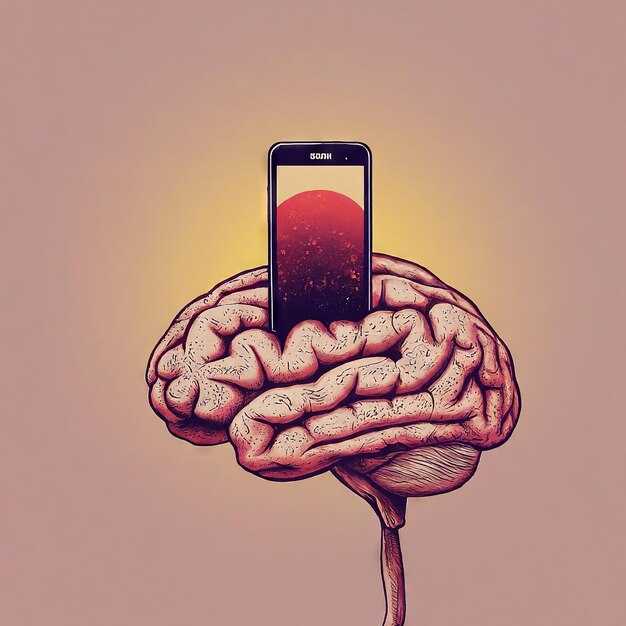
Reduce evening exposure to screens to under 30 minutes prior to sleep to preserve melatonina rhythm and improve sleep latency.
Controlled light-exposure trials indexed on pubmed document measurable biochemical shifts: nocturnal melatonina suppression, phase delays in cortisol peak, and altered neurotransmitter signaling; magnitude depends on emission spectrum, intensity, and individuals’ baseline sensitivity. Some individuals experience pronounced shifts in sleep timing and daytime alertness.
Large epidemiological efforts sought cancer links; auvinen and colleagues appear among authors; many case-control analyses focused on glioma risk and malignant tumor incidence, with mixed results and methodological limits that complicate definitive answers. Some risk estimates once thought elevated are now under debate, while some reports from korea (july) used exposure station measurements; conflicts of interests and recall bias often cited.
Practical mitigation includes dimming emission, using warm color temperature filters after sunset, enabling night mode, increasing distance from face to at least 50 cm, and avoiding constant near-field exposure; placing screens to left or right of eye line reduces direct glare for some people. Not all people are equally affected; sensitivity correlates with age, chronotype, and prior sleep debt.
Among school-aged cohorts, practically constant evening usage is common; staggering bedtimes and chronic sleep loss can wreak havoc on attention, mood, and metabolic markers. For most people, clinical answers include sleep hygiene, timed light restriction, and targeted melatonina supplementation only after medical consultation.
Digital Overload: Impacts on Sleep, Attention, and Mood
Limit evening screen exposure to 60 minutes before bedtime; enable blue-light filter at ≥30%, reduce brightness to <20% after sunset, and activate Do Not Disturb or power-off for at least 8 hours of sleep opportunity.
Epidemiologic data from United States and United Kingdom cohorts show adolescents with usage >3 hours/day have 1.5–2.2× higher odds of sleep-onset insomnia; actigraphy studies report sleep latency increases of 12–34 minutes and sleep efficiency declines of 5–9% with late-evening engagement.
Laboratory protocols demonstrate attention lapses increase 20–40% following fragmented wake periods with frequent interruptions; median reaction-time slowing of 150–250 ms is observed after repeated context switches. Systematic reviews report an association between high availability and elevated depressive symptom scores (pooled OR ≈1.8), with social comparison, interrupted reward processing, and content-driven arousal listed as primary causes.
Practical steps: set app timers to cap social-media consumption at 30–60 minutes/day, batch notifications and require explicit consent for push alerts, place devices awayand outside sleeping area, use airplane mode or complete power-off during sleep window, and apply intentional limits during meals and 1 hour before bedtime. Moderation of total daily amount remains effective; randomized trials show mood and sleep metric improvements after reducing evening use by ~50% within 2 weeks.
Research notes: IEEE emission limits are considered protective for RF exposure, so behavioral pathways likely account for most harm. Key questions remain around dose–response, contents-specific effects, longitudinal developmental outcomes, and interaction with preexisting vulnerability levels. Clinicians should collect focused data on nightly usage patterns, daytime sleepiness levels, contents consumed, and functional impairment, offer brief behavioral prescriptions, and refer others for CBT-I or psychiatric assessment when insomnia causes marked dysfunction or when consent for medication is sought.
What We Know About EMF Exposure and Brain Health
Limit close RF exposure: keep any mobile device at least 25–30 cm from head during voice use and 5–10 cm when using messaging or game apps; favor speaker or wired headset and enable airplane mode during sleep.
Epidemiology and randomized trials paint a mixed but specific picture: large case–control studies and cohort analyses over decades reported inconsistent associations with intracranial tumors, including some case–control signals for heavy use and specific aspects such as side-of-head exposure; blinded exposure trials have demonstrated transient electroencephalogram shifts and sleep changes without reproducible tumor formation during follow-up available.
動物実験では、高強度の高周波が使用され、血液脳関門の透過性変化や細胞シグナリングのシフトが示されることもあった。多くの生物学的反応は、規制上のSAR制限を大幅に超える曝露レベルを必要とし、日常的な携帯電話の使用への直接的な適用を制限していた。.
各国の規制機関および独立したレビューでは、現在の許容暴露限度(例えば、米国では 1 g あたり 1.6 W/kg)は熱的閾値に基づいていると指摘されています。そのため、組織の加熱を防ぐように設計されており、継続的な研究では長期的な非熱的影響に対応しています。
実用的なリスク軽減策: ハンズフリー通話の使用を優先し、混雑した場所や教室では有線ヘッドセットまたはスピーカーを使用し、インプラントされた医療機器の近くでアクティブなデバイスを胸や腹部に保管しないようにする。購入前にデバイスのSAR値を確認し、ネットワークの受信状態が悪い場合は機内モードまたは低電力モードに切り替える。
研究および医療環境における参加者の安全のため、インフォームドコンセントには、曝露指標、期間の推定値、およびフォローアップ計画が含まれていなければならず、安全プロトコルは、オープンな試験中における接近を制限し、高曝露量を使用する場合にはバイオマーカーをモニタリングする必要があります。
通信ネットワークは重要です。受信状態が悪いと送信電力が上昇し、4Gおよび5Gネットワークの設計では、複数のキャリアと短い持続時間のバーストにわたって送信が分散されます。一部の5G展開におけるミリ波は、エネルギーを表面的に集約し、継続的な監視は、年齢層にわたる長期的な研究を必要とするニュアンスのある状況を示しています。
アクションチェックリスト:頭部付近での通話累積時間を1日あたり30分未満に制限する、音声通話中は左右を交互に使用する、長時間の音声通話ではなくメッセージングや電子テキストを優先する、妊娠中や乳幼児期には過度な使用を避ける、SAR値や推奨される安全距離についてはメーカーのガイダンスを確認し、インプラントデバイスを装着している患者さんに対してはフォローアップレビューをスケジュールする。
日常生活習慣を通して脳の健康を守るための戦略
Recommendation: 22:00以降は高出力の携帯電話を機内モードにし、寝室の外に保管して、睡眠の質の低下や前頭前野認知機能の低下に関連する夜間の電波周波数の暴露を減らします。実際には、観察研究における集団において、1夜あたり30〜45分、よりまとまった睡眠時間になることを意味します。
夜間のスクリーンを使用しない60分間のリラックス時間を設けましょう。観察分析では、 キッズ このルーチンに従う人は、標準化されたテストで約15%の注意指標を改善し、慢性の夜間の電話が徐波睡眠を断片化させるのを実質的になくすことができます。
ハンズフリースピーカーまたは有線ヘッドセットを使用して、携帯電話を頭の近くに持つ代わりに、30cm以上の距離を顔から保ち、デバイスを枕ではなくステーションデスクに置くといった簡単な方法で、疫学報告書に記載されているように、局所的な被ばくを低減し、レム睡眠の構造を改善しました。
教室: 集中作業のためのデバイスフリーの時間帯をスケジュールする。継続的なオンラインストリーミングの代わりに、ラジオや印刷物を提供する。楊ら(Yang and colleagues)による3月の国際レビューは、絶え間ない接続と実行機能の低下との関連性を示しており、長期的な認知機能への懸念を引き起こし、基本的な生物学に根ざした絶え間ない中断により、前頭前野ネットワークが機能不全になる可能性があると示唆している。




 感情的に消耗する友人との付き合い方 – 境界線を設定し、エネルギーを保護する">
 10 Essential Lessons We Can All Learn from Psychology">
 25 Conversation Starters to Get and Keep Someone’s Attention">
 実存危機を乗り越える方法 – 実践的なステップ">
 関係性で相互尊重を育む方法 – 7つの実践的なヒント">


