Japanese
  English
  Russian
  French
  German
  Italian
  Spanish
  Polish
  Ukrainian
  Turkish
  Portuguese
  Greek
Greek  Arabic
  Korean
  Chinese
  Czech
Czech 

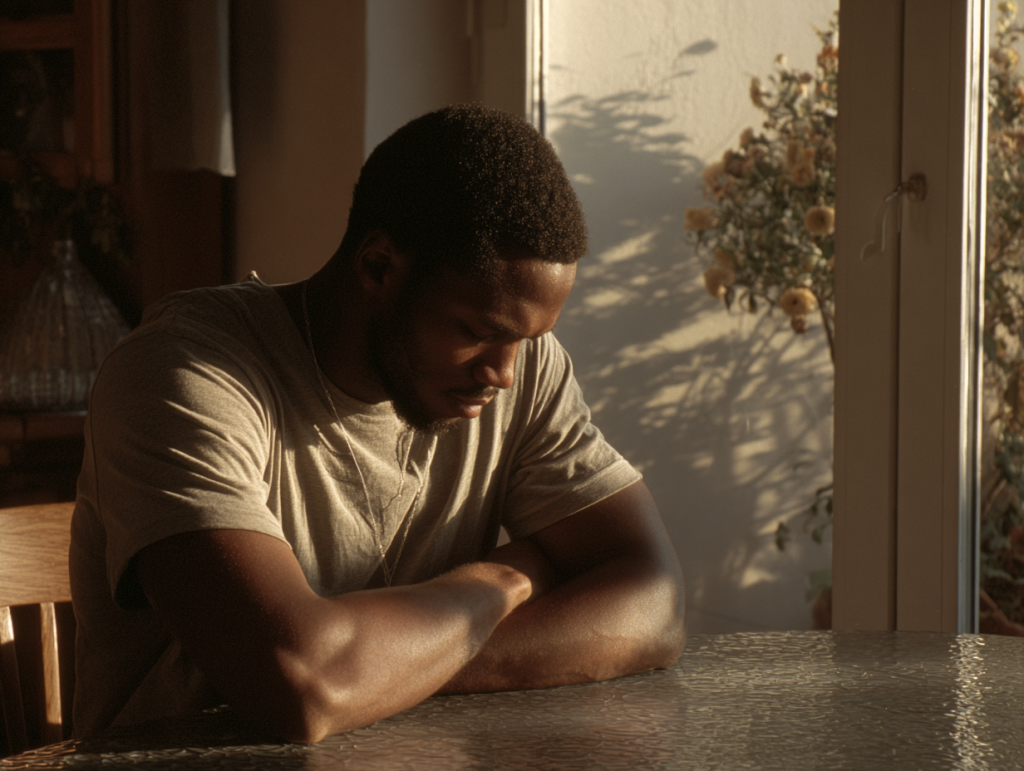
Betrayal trauma is a deeply painful experience that occurs when a trusted partner violates your emotional or physical trust. Infidelity, dishonesty, or major breaches of confidence can leave lasting emotional scars. These experiences can make it difficult to trust again, even in new relationships. However, with intentional healing and coping strategies, it is possible to process betrayal trauma and start dating again without closing off emotionally.
Understanding betrayal trauma and its effects is essential for recovery. People often experience intense feelings of shock, anger, and grief, which can influence their emotional well-being, relationships, and overall sense of safety. By recognizing the patterns of betrayal trauma and learning how to cope, individuals can rebuild trust in themselves and in others, ultimately fostering healthier romantic connections.
What Is Betrayal Trauma?
Betrayal trauma occurs when someone you rely on, particularly a romantic partner, violates your trust in a profound way. Unlike general heartbreak, betrayal trauma leaves a lingering sense of danger, uncertainty, and emotional disruption.
The trauma often stems from infidelity, emotional manipulation, or hidden secrets that undermine the foundation of a relationship. Unlike minor conflicts or disagreements, betrayal trauma shakes the core of a person’s perception of safety, love, and attachment. It can lead to a heightened sense of vigilance, anxiety, or emotional withdrawal in future relationships.
Common Effects of Betrayal Trauma
Recognizing the effects of betrayal trauma is the first step toward recovery. The impact can be emotional, mental, and even physical.
Emotional Effects
Betrayal trauma triggers a cascade of emotional responses, including:
- Anger or resentment toward the partner or oneself
- Grief over the loss of the relationship or trust
- Anxiety or fear about future relationships
- Feelings of worthlessness or self-doubt
These emotional effects can be overwhelming, especially when coupled with the initial shock of discovering betrayal.
Cognitive and Behavioral Effects
Trauma from betrayal can also influence thinking patterns and behaviors:
- Hypervigilance in new relationships
- Difficulty trusting potential partners
- Reluctance to be emotionally vulnerable
- Overanalyzing behaviors or words in future relationships
These patterns are natural responses to betrayal but can hinder the ability to form healthy connections if left unaddressed.
Physical Effects
The stress of betrayal trauma may manifest physically through:
- Sleep disturbances
- Headaches or tension
- Fatigue
- Gastrointestinal discomfort
The mind-body connection highlights how deeply betrayal affects overall well-being.
Steps to Overcome Betrayal Trauma
Healing from betrayal trauma requires intentional effort and patience. The process is unique for everyone, but certain strategies can support recovery and help individuals open up to love again.
1. Acknowledge Your Pain
Recognizing the trauma and allowing yourself to feel the pain is critical. Suppressing emotions can prolong the recovery process. Journaling, talking to trusted friends, or seeking professional support can help process these feelings.
2. Set Healthy Boundaries
Boundaries are essential for protection and emotional safety. After betrayal, individuals may need to establish limits in relationships to rebuild trust in themselves. Boundaries help prevent re-traumatization and support self-respect.
3. Seek Support
Support from friends, family, or therapists can provide validation, perspective, and guidance. Counseling can offer tools for coping with betrayal trauma and strategies for reestablishing emotional trust.
4. Practice Self-Care
Focusing on emotional well-being and self-care fosters resilience. Activities such as exercise, meditation, creative expression, or spending time in nature can help restore balance and reduce stress.
5. Understand Your Triggers
Being aware of triggers, such as situations, words, or behaviors that remind you of betrayal, allows you to respond more effectively. Recognizing triggers prevents them from controlling your reactions and supports healthier interactions.
6. Rebuild Trust Gradually
Reopening your heart to dating requires patience. Take time to establish trust in yourself first, then in others. Gradual exposure to new relationships can help prevent repeating old patterns of vulnerability or fear.
Coping With Betrayal Trauma in New Relationships
Dating again after betrayal trauma can be intimidating. Here are strategies to navigate new relationships without closing off:
オープン・コミュニケーション
Honest conversations about past experiences can help establish trust. Sharing your journey allows partners to understand your boundaries and emotional needs.
Pace Yourself
Avoid rushing into intimacy or emotional vulnerability. Gradual steps help maintain control over your feelings and reduce the risk of feeling overwhelmed.
互換性重視
Prioritize partners who demonstrate respect, empathy, and alignment with your values. Healthy relationships require mutual understanding and emotional support.
Monitor Emotional Responses
Pay attention to your reactions in dating situations. Feeling triggered or anxious is normal, but learning to identify these feelings helps prevent them from dictating behavior.
セルフ・コンパッションの実践
Treat yourself with kindness during recovery. Forgive yourself for trusting too much or feeling hurt, and recognize that healing is a journey, not a race.
専門家に助けを求めるべき時
Betrayal trauma can sometimes result in symptoms similar to PTSD or prolonged emotional distress. Professional support is recommended if:
- Emotional pain interferes with daily life
- You struggle to trust anyone, even close friends
- Symptoms of depression, anxiety, or insomnia persist
- You feel unsafe or overwhelmed by intrusive thoughts
Therapists trained in trauma recovery can guide you through coping strategies, cognitive behavioral techniques, and approaches for rebuilding healthy relationships.
Moving Forward After Betrayal Trauma
Recovery from betrayal trauma is a journey that requires patience, self-awareness, and intentionality. While the pain of betrayal is undeniable, it is possible to heal and approach dating with an open heart.
Embracing self-care, establishing boundaries, and seeking support are essential steps for moving forward. Remember, the goal is not to erase past experiences but to learn from them and create a foundation for healthier, more fulfilling relationships.
By acknowledging the trauma, focusing on emotional well-being, and gradually opening up to love again, individuals can reclaim trust, confidence, and happiness. Dating after betrayal trauma is possible when approached with mindfulness, resilience, and self-compassion.