

 Japanese
  English
  Russian
  French
  German
  Italian
  Spanish
  Polish
  Ukrainian
  Turkish
  Portuguese
  Greek
Greek  Arabic
  Korean
  Chinese
  Czech
Czech  回避型の人々は、このタイプの相手とのみ、生涯にわたる絆を築きます…!!">

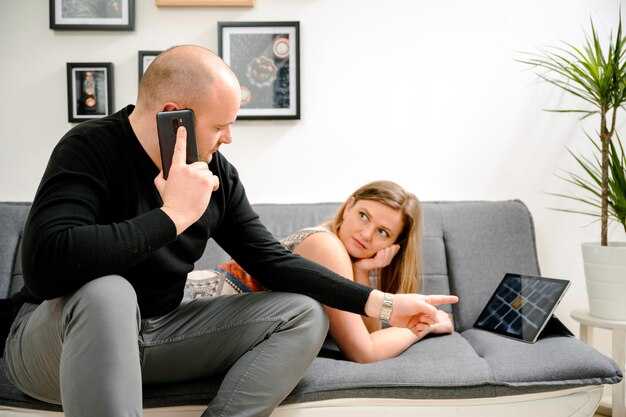
If you’re exhausted from chasing someone who keeps pulling away, here’s the hard, freeing truth: loving them harder won’t change them, and you can’t fix what’s wired into their nervous system. The person an avoidant often bonds with for life isn’t the one who chases — it’s the one who creates calm. Avoidant people don’t respond to pressure or intensity; they respond to emotional safety. So if you’ve been flooding them with long messages, waiting anxiously for replies, or overexplaining yourself, stop. Connection doesn’t come from force — it comes from peace. Picture this: the texts thin out, the answers get clipped, and suddenly your phone becomes an accusation machine. You type a long message, delete it, rewrite it, send it, and then nothing. You refresh the thread. You stare at the typing bubble. You analyze every emoji, wondering if you scared them off. Should you back away or chase harder? You start proving how safe you are, recounting how easy things felt before. The more you reach, the more they retreat. It’s exhausting — like sprinting on a treadmill that accelerates the harder you push. The harder you try, the deeper you sink. That cycle is not love; it’s quicksand. The frantic flailing only pulls you down. You are not needy or unreasonable — you are human and you crave closeness. But to someone with avoidant attachment, your attempts to connect feel like pressure, and pressure triggers their alarm, not their heart. Here’s the paradox you’ve been living: you believe if you love more, wait longer, and prove yourself enough, they’ll drop the guard. Instead, you chase, they withdraw; you plead, they freeze; you try to reassure, they disappear. It’s easy to take it personally, to feel rejected or inadequate, but this is about their wiring, not your worth. People with avoidant patterns aren’t afraid of love per se — they’re afraid of the intensity and the demands that often accompany it. When your energy ramps up — louder emotions, longer explanations, constant requests for clarity — their nervous system interprets it as chaos and danger, not affection. Think of it like a pressure cooker: every plea and panic adds heat, the steam builds, and their instinct is to pop the lid and escape the pressure. They pull away not because they don’t care, but because intimacy can feel like being cornered — it threatens their autonomy, their sense of control, and their ability to breathe. The more you chase, the more you inadvertently become the pressure they flee from. Chasing is not connection; it’s control disguised as care, and it places the heavy burden of your emotional safety on someone who can’t carry it. Remember this: pressure pushes, safety pulls. If you keep trying to force closeness through intensity, you’ll stay trapped in the same painful loop. You are enough; the strategy is the problem. From their perspective, closeness equals risk because early lessons taught them vulnerability was unsafe — perhaps they were judged when they opened up, comfort didn’t arrive when needed, or independence was rewarded while needs were ignored. Those experiences program a nervous system to expect danger when intimacy approaches. So your tears, exhaustive texts, or demands for reassurance don’t register as love — they register as threat. That’s why they instinctively step back: survival has meant distance. Still, avoidant people do want connection, but it must come in an environment that feels secure rather than smothering. Space and silence don’t mean indifference — they mean their system is trying to regulate. Shift the lens: they’re not running from love, they’re running from pressure. Once you stop reading their retreat as a measure of your value and start seeing it as a reflexive survival response, you stop making it about yourself. Building a bond with someone wired this way doesn’t happen through pursuit or pressure; it happens through creating emotional safety — and that begins with becoming safe for yourself. On the other side of this dynamic is the anxious partner’s experience: you notice the slower texts, shorter calls, murkier plans, and your mind races. What did I do? Are they losing interest? How do I get them back? Without realizing it, you start to chase — not always by bombing their phone, but by overexplaining, repeatedly demanding clarity, decoding every line, or basing your calm on whether they reply. Each anxious move, though born of love, feels like pressure to an avoidant and becomes fuel for withdrawal. Chasing is essentially outsourcing your regulation — asking someone else to soothe your anxiety when they can’t even manage their own. So adopt this rule: regulate first, relate second. Pause before hitting send. Breathe before demanding a talk. Ground yourself before reaching out for reassurance. When you stop making someone else responsible for your emotional balance, everything shifts. True security isn’t a performance — it’s an identity. It’s not acting cool while secretly panicking; it’s genuinely knowing your worth, setting clear boundaries without melodrama, and tolerating discomfort without trying to control the outcome. A secure person doesn’t collapse when a text goes unanswered. They don’t chase clarity through long messages. They trust they’ll be ok whether the relationship works out or not, and that calm confidence is magnetic to someone who fears pressure. Don’t chase — choose. Choose to invest in yourself. Choose to regulate your emotions before involving someone else. Choose standards over tactics. When you live this way, you offer the consistent, calm environment an avoidant nervous system can relax into, and emotional safety opens the door to true connection. A quick bit of science, simply: attachment systems shape how people seek safety. Anxious people equate safety with closeness; avoidant people learned safety equals space. Avoidants aren’t broken; their wiring needs autonomy, predictability, and regulation to feel secure. Autonomy lets them breathe; predictability removes surprise and emotional landmines; regulation means you bring calm rather than offloading your balance onto them. If one partner is a storm and the other retreats to shore, no deep co-regulation happens. But when your internal climate becomes a steady lake, their system is more likely to match it. Safety isn’t silence — it’s absence of pressure. Stop chasing, offer space without panic, and choose consistency over intensity; you’ll be speaking the avoidance language and their nervous system will hear you say, “You’re safe here.” Practically, here’s a step-by-step playbook to use today. Step one: pattern interrupt. When the impulse to send a long, panicked message hits, stop, breathe, and simplify. A calm, short response could be: “I care about you. I’d like to connect but I’m giving you space too — let me know when you’re ready.” Step two: regulate. Before you reach out, check your body: are you texting from panic or from peace? If it’s panic, pause and do a 90-second reset: inhale for four, hold for four, exhale for eight — repeat three times. Get calm first, then decide whether a message is necessary. Step three: clean requests and clean exits. Ask for what you want directly and without manipulation. For example: “I’d like us to check in twice a week. Does that work for you?” If they can’t commit, don’t argue — decide if that arrangement fits your needs, and if not, leave with self-respect. Step four: space without punishment. Don’t send multiple texts in a row, but don’t disappear as a game either. Hold your boundaries with dignity. Step five: standards over strategies. Stop inventing tactics to win them back and clarify your non-negotiables instead. Write down your top three standards; if someone can’t meet them, that gives you clarity, not failure. Clarity is kindness; consistency is safety. This playbook isn’t about controlling them — it’s about mastering yourself. When you regulate, you break the anxious-avoidant loop and send a clear message: I care about you, but I am okay without you. I want you, but I won’t chase you. Now for some ready-made scripts and tiny behaviors that outwardly communicate security. Boundary script one — clarity: “I like you. I’m here for a steady connection, not hot-and-cold. If that doesn’t work for you, I’ll step back.” Calm, respectful, non-pleading. Boundary script two — space: “It seems like you need some space and I respect that. Reach out when you want to reconnect and suggest a time.” That says you’re not panicking, not chasing, not collapsing. Boundary script three — reconnect: “I’m open to reconnecting, but consistency matters to me. Let’s try one call a week; if that doesn’t fit, I’ll keep things friendly.” This sets terms without punishment. Micro behaviors matter too: keep your plans, don’t cancel on your life just because they text, put the phone down when you feel triggered, and match your actions to your words. If you say you’re okay with space, act like it. Stay rooted in routines — exercise, journaling, hobbies — because nothing signals security like having a life outside the relationship. Standards first, feelings second: love without standards slips into chasing; standards with calm presence earns respect. You don’t need to beg, overexplain, or shrink your needs to preserve peace. Show up grounded, clear, and steady — that’s emotional security in practice. But what if you do all of this and they still pull away? The reality is: that is data, not a dare. It tells you about their capacity and readiness, and you have choices. If they respond and stay steady, invest gradually and watch for consistency. If they wobble — warm one week, cold the next — hold your boundaries and let them prove themselves over time. If they keep deflecting, ghosting, or shutting down, take that as your answer; no further speeches are required. No response is, in itself, a response. Don’t audition for someone’s bandwidth. No is a full sentence. Peace is a plan. Walking away is not failure — it’s liberation from cycles that deplete you. If they still withdraw, honor the data, your standards, and your peace. Bottom line: you can’t outext someone’s fear, out-prove your worth, or chase someone into loving you. What you can do is become the calmest person in the room by first being safe with yourself. Avoidants bond not with the loudest lover or the most persistent chaser, but with the person who radiates steady, grounded confidence — someone who can say, “I want you, and I won’t lose myself to keep you.” Choosing yourself transforms not just this relationship but every one you enter: you stop carrying anxiety and start projecting confidence; you stop begging to be chosen and begin living as if you already are. Don’t chase. Choose your peace, your standards, your worth. When you choose you, the right people notice, lean in, and meet you where you are — and if someone can’t, you still win because your wellbeing isn’t tied to their behavior. If this message lands, drop the phrase pressure versus safety in the comments to show you’re committing to change. Save this video for the next time you find yourself staring at your phone waiting for the three dots. Don’t chase. Choose. If you haven’t yet, subscribe — the next video will walk you through spotting reliable consistency in just 14 days so you don’t waste your heart on mixed signals. For more, check the description for a free one-page secure script sheet with exact phrases you can use to set boundaries calmly and confidently. Print it, keep it by your phone, and remember: you don’t have to chase to be loved — choose yourself, and the right people will meet you there. See you in the next video.

 なぜ元カレは決してあなたを置き換えないのか (そしてその証拠はこちら) | 回避型愛着スタイル">
 5 衝撃的な理由:あなたが感情的にシャットダウンしてしまうこと(誰もあなたに教えてくれない理由)">
 過去の痛みの検証">
 Avoidantタイプが戻ってきたら:彼らの4つのテキストを読み解き、力を取り戻すための対応方法">
 彼らの行動には結果が伴う。">
 人目を気にしすぎる人の末路?||燃え尽き症候群">
 今すぐこれらの親の害を止める (4ビデオコンピレーション)">
") Some People Have THIS Huge Advantage (#4 In My "Playing Small" Series)">
Some People Have THIS Huge Advantage (#4 In My "Playing Small" Series)">
 結婚はひどく寂しいものである。">
 接触を避ける人が本当に考えていること">


