Japanese
  English
  Russian
  French
  German
  Italian
  Spanish
  Polish
  Ukrainian
  Turkish
  Portuguese
  Greek
Greek  Arabic
  Korean
  Chinese
  Czech
Czech 

Attraction without anxiety is a calm, grounded experience that feels very different from attraction driven by fear or mental pressure. Many people confuse emotional intensity with desire, especially when anxiety, intrusive thoughts, or compulsions are involved. Understanding this difference helps reduce distress and makes room for attraction that feels safe, aligned, and real.
What Attraction Actually Feels Like
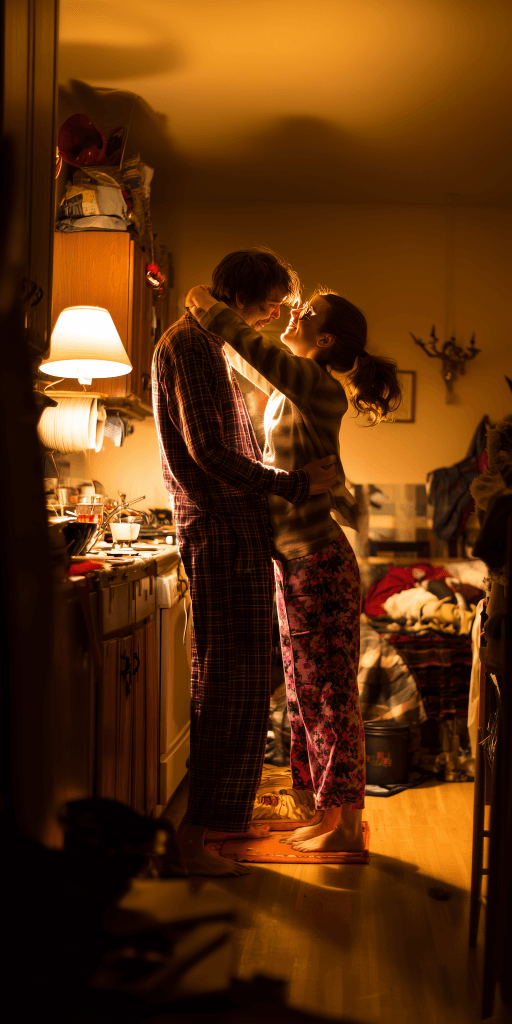
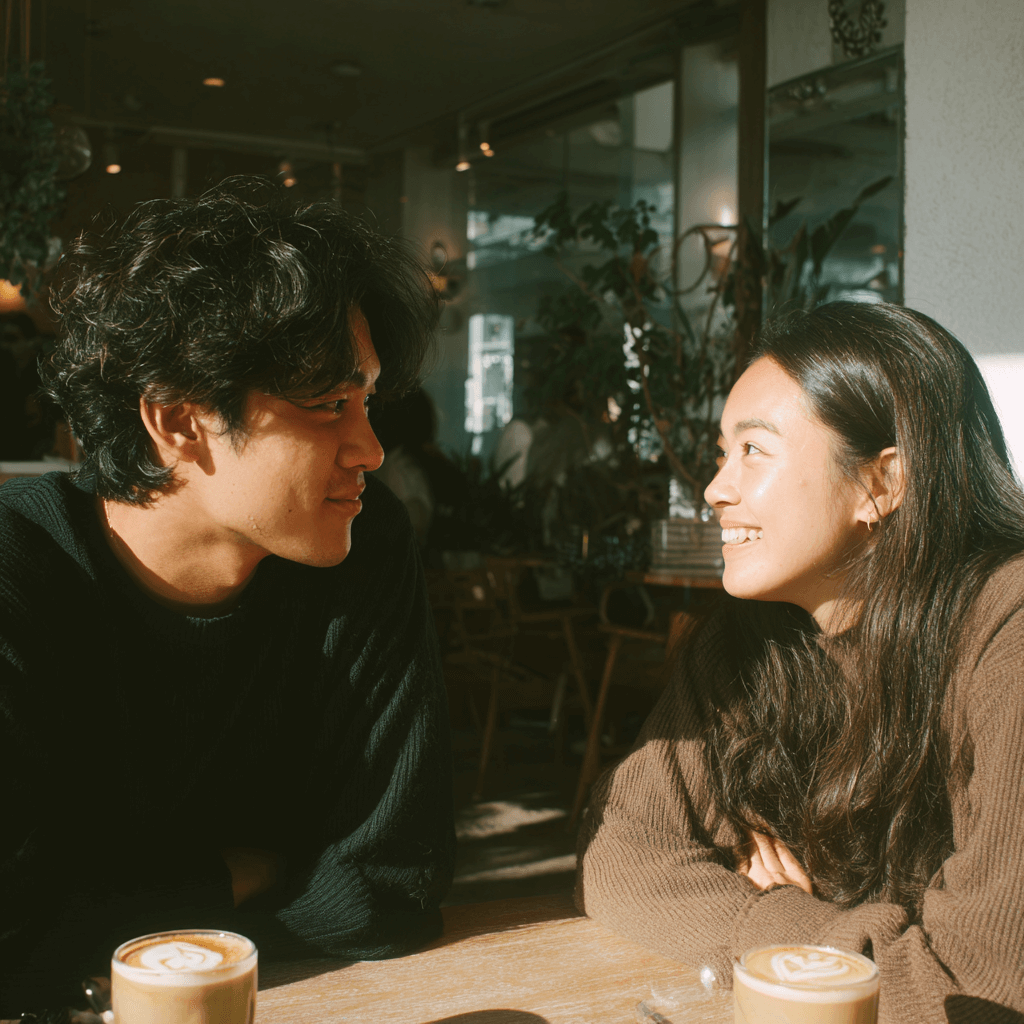
Attraction is often described as excitement, curiosity, and a sense of interest toward someone. When you are attracted to someone in a healthy way, your thoughts flow naturally instead of looping. There is space to enjoy connection rather than analyze every feeling.
Attraction without anxiety feels steady rather than urgent. It does not demand certainty or constant checking. You may think about someone, feel warmth or curiosity, and still remain emotionally regulated. This form of attraction allows choice rather than pressure.
When Attraction Becomes Anxiety Driven
False attraction is commonly misunderstood. False attraction does not mean feelings are fake, but that fear is creating sensations that resemble desire. Anxiety can amplify body sensations, attention, and thoughts, making someone feel intensely focused on another person without genuine attraction.
False attraction often shows up with intrusive thoughts, mental checking, and a sense of urgency. You may feel afraid of what the feelings “mean,” question your sexual orientation, or worry that attraction says something threatening about your identity. These thoughts can feel convincing, even when they go against your values.
In these moments, attraction feels less like interest and more like a problem to solve.
False Attraction and the Role of Fear
Fear plays a central role in false attraction. The mind becomes hyper-focused on someone, not because of desire, but because the brain is scanning for threat. This creates repeated thoughts, emotional spikes, and confusion between attraction and anxiety.
False attraction is often reinforced by compulsions, such as mental reassurance, checking reactions, or replaying interactions. These behaviors increase distress rather than resolve it. Over time, fear trains the brain to associate certain people with anxiety instead of safety.
How Anxiety Changes Feelings
Anxiety can distort feelings by making them feel intense but unstable. You might feel drawn toward someone one moment and repelled the next. Thoughts become repetitive, and emotions feel overwhelming rather than enjoyable.
This is why attraction that feels like a rollercoaster is often anxiety-based. Genuine attraction usually allows emotional flexibility, while anxiety-driven attraction feels rigid and consuming.
Uncertainty fuels this cycle. The more you try to eliminate doubt, the louder the thoughts become.
Attraction Without Anxiety Feels Different
Attraction without anxiety includes freedom. You can like someone without needing to label or prove anything. Thoughts come and go without causing distress. Feelings are present, but they do not hijack your attention.
You may notice attraction developing gradually rather than suddenly. Crushes develop over time through shared experiences, emotional resonance, and curiosity. There is no rush to define what it means.
This type of attraction aligns with safety rather than fear. It does not require guilt, constant analysis, or reassurance.
Identity, Values, and False Attraction
False attraction often targets what matters most to a person. When identity or values feel threatened, the mind becomes hyper-vigilant. This is why anxiety can latch onto attraction and turn it into a source of doubt.
It is important to understand that thoughts do not define identity. Being attracted or feeling sensations does not override personal values or lived experience. Anxiety blurs this boundary, creating confusion where none needs to exist.
Recognizing this distinction reduces the emotional charge around attraction.
Letting Attraction Exist Without Control
One of the key steps toward attraction without anxiety is allowing feelings to exist without trying to control them. When you stop engaging with compulsions and reduce checking behaviors, anxiety gradually loses its grip.
This does not mean forcing attraction or avoidance. It means allowing thoughts and feelings to pass without assigning meaning. Over time, genuine attraction becomes clearer because it is no longer competing with fear.
Developing Healthy Attraction
To develop attraction in a healthy way, focus on presence rather than analysis. Notice how you feel around someone when you are calm. Pay attention to whether interaction brings ease or tension.
Attraction grows in environments of emotional safety. When anxiety is managed, attraction becomes less about proving something and more about connection.
最終的な感想
Attraction without anxiety is not louder or more dramatic. It is quieter, clearer, and more aligned. Understanding the difference between fear-driven false attraction and genuine desire reduces distress and restores trust in your feelings.
When attraction is no longer filtered through anxiety, it becomes an experience you can explore rather than fear.