

 Japanese
  English
  Russian
  French
  German
  Italian
  Spanish
  Polish
  Ukrainian
  Turkish
  Portuguese
  Greek
Greek  Arabic
  Korean
  Chinese
  Czech
Czech  心理学者によると、お子さんに厳しすぎる9つの兆候">

Keep routines predictable: set a daily basis for meals, sleep and transitions so a child can practice self-regulation. When a boundary is crossed, dont escalate with multiple punishments – apply a single, proportionate consequence and then offer explicit help to repair the behavior. Predictability trains regulation: repeated, arbitrary changes leave children stuck and less able to use their natural coping sense.
If a child is overwhelmed or constantly reactive, check for sensory triggers before attributing willful defiance. Loud noises, bright lights or rough textures create a tactile overload that can make a young person scream or shut down; letting them use a quiet corner, weighted blanket or brief movement break reduces meltdown frequency. Note specific struggles (bedtime resistance, transitions, mealtime) and build 2–3 simple tools to use with each – a soft object, a 3‑minute breathing exercise, a short walk.
Balance consequences with teaching: a single corrective step plus practice beats relentless push for compliance. A parenting 書籍 exercise many caregivers find useful is a 3-step script – label emotion, offer a limit, show an alternative – repeated until the child learns the pattern. When a child feels being blamed they get stuck between shame and avoidance; keep language descriptive, set small goals, and stay aware of whether you are pushing skill development or simply enforcing order.
Over-punishment that backfires and erodes cooperation
Replace repeated punitive responses with a brief consequence plus an immediate repair: a time-limited pause matched to age (about one minute per year), a short restitution task, then 2–5 minutes of reconnecting interaction.
How harsh punishments undo cooperation

- When discipline escalates, the child misinterprets corrective intent as rejection; this elicits shutdown, aggression or avoidance rather than learning.
- Frequent, disproportionate punishments start a pattern where childs stress regulation weakens and compliance becomes conditional on fear, not understanding.
- Parents who punish often are likely to see greater resistance over time because the child learns to avoid getting caught instead of changing behavior.
- Common scenarios: morning tantrums and throwing toys – punishment alone reduces immediate behavior but dont teach the skills needed for next episode.
Practical protocol to swap punishment for repair
- First: label the feeling briefly (“I see you’re angry”) to help regulation before rules are enforced.
- Apply a short consequence proportional to the act (one minute per year of age) so they understand the link between action and outcome.
- Give a concrete restitution – pick up items, apologize, fix the broken part – make repair actionable and bounded in time.
- Use tactile grounding (a calm hand on shoulder, a weighted blanket in the room) while they settle; tactile cues speed down-regulation for many children.
- After calm, spend 2–5 minutes interacting positively to restore connection; this greater relational benefit reduces repeat incidents.
- Track patterns in a simple notebook or app: note time of day (morning vs evening), triggers, what worked; review weekly to adjust approach.
Practical tips: give choices to preserve autonomy, script short phrases you can use repeatedly so you dont escalate, and read one parenting book with practical scripts to practice language and timing. These steps make consequences instructive rather than punitive and increase the chance they understand expectations and cooperate.
Discounting your child’s emotions or perspective
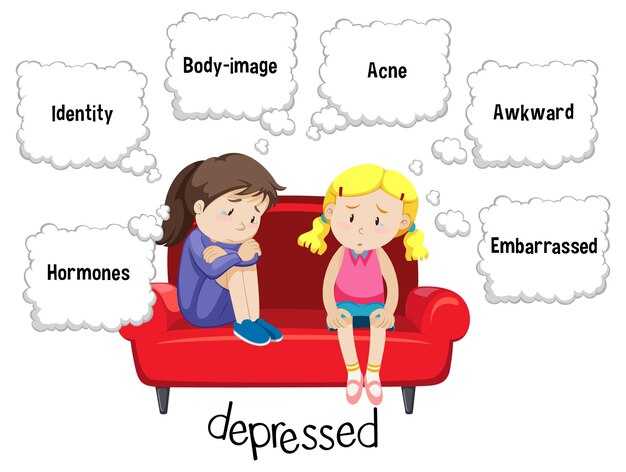
Validate a child’s emotion immediately: name the feeling, mirror the content, and offer a brief calming gesture before addressing behavior.
Concrete phrases to use
When interacting, try short reflective lines that acknowledge the experience: “I hear that you’re frustrated,” “That sounds upsetting,” or “You seem disappointed.” A script that uses “I” and labels emotion lets them feel known and reduces an automatic fight or controlling response. Use the following examples as templates – they work across ages and problems:
– “You look angry; tell me what happened and I’ll listen for two minutes.” (sets a time limit)
– “It makes sense you’re upset after that experience; once you finish, we can decide next steps.”
– “I know this is hard; instead of punishing, let’s pick one consequence together.”
How to set limits without discounting
Only after validation introduce consequences. A practical sequence: acknowledge (30–90 seconds), problem-solve (2–5 minutes), set decision. Given high emotions, this order benefits regulation and lowers escalation. If a child is experiencing very high-intensity reactions or repeated shutdowns, consider consulting a professional within a two-week window. Trying reflective listening first reduces need for stricter discipline and decreases overly punitive interactions.
Practical tips: try giving two small choices for decisions about consequences; a child who is heard accepts limits faster. If a child uses anger to control outcomes, know that consistent, calm limits plus empathy break the cycle. Also observe for warning signs of persistent mood changes. Friends, teachers, or clinicians can report patterns you might not see when only interacting at home.
Measure progress: track number of conflicts that end calmly per week – a high ratio of calm resolutions signals improvement. If they remain defensive after repeated validation, think about adjusting strategies and consider professional assessment. Instead of arguing or lecturing, simply validate, then offer options; this helps them learn problem-solving without feeling discounted.
Setting unrealistically high expectations for behavior, grades, or chores
Reduce high expectations to one measurable target per domain and build flexibility: choose an age-appropriate level, assign a clear time budget for practice, and plan for recovery when an emotional shift or illness reduces capacity.
Track progress for a set period (for example, four weeks) and only raise demands when a child meets targets consistently; recurring missed goals will upset family dynamics, so dont default to punishment – use corrective conversation instead.
Examples
Chores: require completion of a single task three times a week rather than perfect execution daily. Grades: agree on a realistic improvement percent and schedule short, focused study blocks. Behavior: replace a push for perfection with two specific rules and small rewards; offer helping sessions twice weekly when setbacks occur. Parents would notice faster gains when small wins accumulate.
Communication and red flags
Keep communication explicit and solicit the child’s input weekly; when interacting, watch body cues (sleep, appetite, tension) and stay aware if the child felt overwhelmed or keeps saying theyre tired. Dont employ shaming language like “lazy” or “not enough” – that undermines motivation.
Find a professional if recurring emotional or behavioral changes start or if home strategies dont help. youre likely to see improvement when parents lower the demand level, replace constant push with structured support, and let the child make small choices that build autonomy.
Inconsistent rules and consequences that create confusion
Set 3–5 non-negotiable rules with a one-page consequence matrix and review it every morning for 2 minutes with the child; this immediate ritual reduces ambiguity and testing.
Practical steps
1) Write the rule, clear examples of allowed and disallowed behavior, what the consequence will mean, and one concrete recovery action the child can take to earn things back.
2) Label consequences by high and low stakes: low for routine choices, high for safety or trust decisions; apply low consequences quickly so the child can learn without escalation.
3) Announce changes at least 48 hours before they take effect and give the child one choice within the new framework so the change feels collaborative rather than punitive.
4) Use a neutral reset word (e.g., ochal) to pause heated moments; wait 30 seconds, then resume calm communication between caregiver and child focused strictly on the rule.
5) Keep a simple daily log for two weeks, then review patterns to identify if the child misinterprets rules because of mixed messages from other adults; mark repeat incidents and who enforced the consequence.
6) Debrief nightly: ask the child to restate the rule in their own words to confirm understanding; repeat until they can explain the consequence without prompts.
7) If inconsistency has been high and behaviors become entrenched, consult a professional for a written behavior plan that helps align enforcement across the household.
Examples and alignment
Sample rules: “Devices off at 8:30pm – consequence: 30 minutes earlier bedtime; recovery: 10 extra minutes reading the following evening.” Another: “Hands off during homework – consequence: work moved to quiet room for 15 minutes; recovery: choose a small reward later.” Use these examples as templates and adapt to age and context.
Most parents believe flexibility is kinder, but small, transparent changes make room for autonomy while preventing chaos. If youre unsure where to start, make yourself a 30‑minute weekly alignment meeting with co-caregivers to agree who enforces rules, how rewards are given, and how decisions about routines (morning, after-school, bedtime) are made; this reduces conflict and is helping the child make consistent choices from morning through bedtime.
Constant comparisons that undermine self-worth and motivation
Replace constant comparisons with concrete, individualized goals: set three measurable weekly targets (practice minutes, problem sets completed, reflection entries) and track improvement on a visible chart so progress is judged against past performance, not peers.
When tempted to mention a friend or classmate, ask one question: will this comparison produce an actionable step that can help skill development? If not, avoid it – comparisons often have unintended effects, lowering persistence and leaving the child feeling upset rather than motivated.
Create a healthy connection between effort and outcome by teaching a simple self-evaluation rubric before sharing results publicly. Example rubric: effort (1–5), strategy (1–5), reflection note (one sentence). Use the rubric consistently so children can see changes within themselves without external ranking.
Use short scripted communication for parents and caregivers: “I noticed strong effort on X; how are you feeling about it?” Label emotions aloud to normalize them. Good dialogue reduces shame when experiencing setbacks and clarifies decisions about when to push and when to step back.
Limit exposure to comparison triggers: remove leaderboards from the room where practice happens, set social media time caps, and avoid announcing rankings in front of peers. Some children need private coaching; observe enough sessions to learn which response fits each child.
| Do | Don’t |
|---|---|
| Give specific feedback tied to a skill and next step. | Ask “Why can’t you be like X?” or compare grades publicly. |
| Praise strategies and effort; teach one corrective technique weekly. | Constantly rank children against classmates or friends. |
| Pause before critique: check emotions and connection first. | Use comparisons as a controlling lever to force behavior changes. |
| Model self-reflection: say what you would change yourself. | Blame character or intelligence when a child is experiencing difficulty. |
Given typical attention spans, keep feedback sessions under 10 minutes and use a one-to-one ratio of positive note to corrective suggestion. Remind yourself to separate identity from performance so progress becomes the metric of worth, not relative position among peers.
 痛みの感情への影響 – 痛みがいかに感情を形作るか">
 内向的な人があなたに理解してほしい25のこと">
 10 新年を迎えてのストレス解消目標">
 17 楽しいカップル アクティビティで互いを楽しみましょう | 絆を深めましょう">
 ジム不安を克服するための5つの簡単な方法 – 自信に満ちたワークアウトのためのクイックチップス">
 How to Combat Zoom Fatigue – Practical Tips for Meetings">
 人間関係における不誠実に対処する方法(別れずに)
不誠実という問題は、どんな関係においても壊滅的な影響を与える可能性のあるものです。不誠実の兆候に気付いた場合、不安や不信感で混乱し、関係を終わらせるべきかどうかを感じているのではないでしょうか。別れを選ぶことも有効な解決策ですが、2人の関係に価値がある場合は、解決策を見つけ出す価値があるかもしれません。
**不誠実を克服するためのステップ**
まず、何が起きたのかを理解することが重要です。パートナーはなぜ嘘をついたのでしょうか? 隠しているものは他にありますか?パートナーに正直に、自分にとってどれほど傷ついているかを伝える必要があります。ただし、非難するのではなく、自分の気持ちを伝えるようにしてください。例えば、「嘘をついたことで、私はとても傷つきました」と言うのではなく、「嘘をついたとき、どのように感じたかを教えてください」と言うことができます。非難的であることは、防御的な反応を引き起こす可能性があり、状況を悪化させる可能性があります。
次に、2人で関係を修復する方法を話し合う必要があります。これには、正直さを高め、信頼を回復するためのルールを作る、またはカウンセリングを受けるることが含まれる場合があります。
最後に、時間をかけて信頼を再構築します。不誠実したパートナーは、約束を守り、正直であるということを示さなければなりません。傷ついたパートナーは、パートナーを許し、前に進むことを選択しなければなりません。これは簡単なタスクではありませんが、2人の関係にとって価値がある場合は、実現可能です。
**不誠実の種類**
不誠実にはさまざまな種類があります。それらをすべて理解して対処する方法を理解することが重要です。
* **ごまかし:** これは、実際とは異なる何かを暗示する小さな嘘です。例えば、デートの約束をキャンセルしたときに、風邪を引いていると言いなさい。
* **嘘:** これは、事実が真実ではないものを伝えるものです。例えば、お金を隠してあるときに、会社でお金をすべて使ったと言いなさい。
* **秘密:** これは、パートナーからの意図的な隠蔽です。例えば、借金があることを隠すことができます。
* **裏切り:** これは、パートナーが、特に性的関係における忠誠心を破る行為です。
**必要な支援を見つける**
不誠実を抱えている場合は、一人で苦しんでいません。治療師やカウンセラーは、不誠実を理解するのに役立ち、関係を修復するための戦略を開発するのに役立ちます。友人や家族を頼ることもできますが、関係の細部を共有することは避けてください。信頼できる人からサポートを得ることは、状況を乗り越えるのに役立ちます。
**結論:**
不誠実に対処することは、簡単なことではありませんが、必ずしも終わりではありません。正直で健全なコミュニケーション、そしてお互いへの献身があれば、関係を修復し、これまで以上に強くすることができます。">
人間関係における不誠実に対処する方法(別れずに)
不誠実という問題は、どんな関係においても壊滅的な影響を与える可能性のあるものです。不誠実の兆候に気付いた場合、不安や不信感で混乱し、関係を終わらせるべきかどうかを感じているのではないでしょうか。別れを選ぶことも有効な解決策ですが、2人の関係に価値がある場合は、解決策を見つけ出す価値があるかもしれません。
**不誠実を克服するためのステップ**
まず、何が起きたのかを理解することが重要です。パートナーはなぜ嘘をついたのでしょうか? 隠しているものは他にありますか?パートナーに正直に、自分にとってどれほど傷ついているかを伝える必要があります。ただし、非難するのではなく、自分の気持ちを伝えるようにしてください。例えば、「嘘をついたことで、私はとても傷つきました」と言うのではなく、「嘘をついたとき、どのように感じたかを教えてください」と言うことができます。非難的であることは、防御的な反応を引き起こす可能性があり、状況を悪化させる可能性があります。
次に、2人で関係を修復する方法を話し合う必要があります。これには、正直さを高め、信頼を回復するためのルールを作る、またはカウンセリングを受けるることが含まれる場合があります。
最後に、時間をかけて信頼を再構築します。不誠実したパートナーは、約束を守り、正直であるということを示さなければなりません。傷ついたパートナーは、パートナーを許し、前に進むことを選択しなければなりません。これは簡単なタスクではありませんが、2人の関係にとって価値がある場合は、実現可能です。
**不誠実の種類**
不誠実にはさまざまな種類があります。それらをすべて理解して対処する方法を理解することが重要です。
* **ごまかし:** これは、実際とは異なる何かを暗示する小さな嘘です。例えば、デートの約束をキャンセルしたときに、風邪を引いていると言いなさい。
* **嘘:** これは、事実が真実ではないものを伝えるものです。例えば、お金を隠してあるときに、会社でお金をすべて使ったと言いなさい。
* **秘密:** これは、パートナーからの意図的な隠蔽です。例えば、借金があることを隠すことができます。
* **裏切り:** これは、パートナーが、特に性的関係における忠誠心を破る行為です。
**必要な支援を見つける**
不誠実を抱えている場合は、一人で苦しんでいません。治療師やカウンセラーは、不誠実を理解するのに役立ち、関係を修復するための戦略を開発するのに役立ちます。友人や家族を頼ることもできますが、関係の細部を共有することは避けてください。信頼できる人からサポートを得ることは、状況を乗り越えるのに役立ちます。
**結論:**
不誠実に対処することは、簡単なことではありませんが、必ずしも終わりではありません。正直で健全なコミュニケーション、そしてお互いへの献身があれば、関係を修復し、これまで以上に強くすることができます。">
 ストレスと不安への対処法 5 選 – Calm(落ち着き)を見つけるための迅速なテクニック">
 もっと相手のことを知るための50の質問 - 簡単な会話のきっかけ">
 関係性における静かな退職の6つの兆候 – 見分け方と再接続の方法">


