

 Japanese
  English
  Russian
  French
  German
  Italian
  Spanish
  Polish
  Ukrainian
  Turkish
  Portuguese
  Greek
Greek  Arabic
  Korean
  Chinese
  Czech
Czech  ストレス軽減に役立つ7つの食品 – 心を落ち着かせる自然な方法">

Eat 30 g (about 1 oz) of walnuts daily – roughly 2.5 g alpha-linolenic acid (ALA) and ~45 milligrams magnesium – because this helps blunt cortisol spikes after acute triggers and supplies healthy fats without resorting to high-fat convenience snacks.
Add 1 cup (150 g) mixed berries (strawberries, blueberries, raspberries); a cup of strawberries provides ≈89 milligrams vitamin C and ~3 g fiber. Anthocyanin‑rich berries are associated with lower inflammatory markers and reduced perceived tension in short trials; dietitian Naidoo advocates including berries at least four times per week for measurable benefit.
Prefer fermented dairy such as plain yogurt (150–200 g) with live cultures – check labels for colony‑forming units – or 250 ml milk (≈300 milligrams calcium) after activity. Probiotics influence gut–brain signalling, supporting reduced cortisol secretion; avoid products with chemical additives and ultra-processed, high-fat alternatives.
Postmenopausal individuals may seem to benefit from 30–50 milligrams daily of soy isoflavones; include soy snacks or white tofu in recipes – both rich in phytoestrogens. For practical tracking, weigh portions yourself with a kitchen scale: start at 30 g for nuts or seeds, adjust intake as needed, and just swap a high-fat pastry for a measured nut portion between meals because you should prioritise whole ingredients for long-term wellness.
Practical guide to stress relief through food
Consume 150 g anthocyanins-rich berries plus 20–30 g protein within 60–90 minutes of waking to blunt morning cortisol spikes; adding 1 tbsp ground flaxseed supplies omega-3 molecules and dietary fiber to stabilize energy.
One medium orange (~130 g) provides ~70 mg vitamin C and ~60 kcal; these servings meet recommended vitamins intake for many adults while offering 3–4 g fiber per fruit–choose whole oranges over juice to slow glucose absorption.
Include 1/4–1/2 avocado per meal: avocados deliver ~10 g monounsaturated fat, 7 g fiber and magnesium, which promote satiety and smoother postprandial glucose responses; use on toast, in salads or blended into sauces.
Drink 1–2 cups green tea daily for ~25–50 mg L-theanine per cup; L-theanine and related amino acid molecules promote relaxation without sedative effects. Limit total caffeine to ~200–300 mg/day for sensitive adults.
Limit added sugars and ultra-processed snacks: many packaged items contribute to inflammation and glycemic variability. For people with diabetes, count fruit carbs (one medium orange ≈ 12–15 g carbs) because blood glucose affects mood and cognition.
Follow evidence-based serving sizes and consult a healthcare provider before major changes; researchers report modest acute effects on cortisol and mood metrics in controlled trials. When publishing guidance, fact-check sources and involve a registered editor or registered dietitian–Zumpano is one example of a clinician-author you might consult. Practical dose ranges and references are listed here for clinician and wellness teams such as primary care providers and nutrition specialists.
Daily magnesium-rich foods: servings, timing, and quick snack ideas
Aim for 310–420 mg magnesium daily: men 400–420 mg, women 310–320 mg; split intake into roughly 100–150 mg at breakfast, 50–100 mg as an afternoon snack, and 100–150 mg in the evening to help relax and keep blood levels stable for heart and muscle function.
Typical servings with approximate magnesium (mg): pumpkin seeds 1 oz (28 g) ≈150 mg; almonds 1 oz ≈80 mg; cooked spinach ½ cup ≈78 mg; black beans ½ cup ≈60 mg; avocado 1 medium ≈58 mg; dark chocolate 70–85% cacao 1 oz ≈64 mg; mackerel 100 g ≈90 mg. Choose low-sugar options when possible to avoid blood sugar imbalances.
Quick snack ideas: trail mix (pumpkin seeds + almonds + a few dried berries) for 150–200 mg; half avocado on whole-grain toast with a squeeze of lemon for 50–80 mg; Greek yogurt with 1 tbsp pumpkin seeds and minimal sugar for 40–90 mg; single square dark chocolate after dinner; tin of mackerel on crispbread as a high-magnesium, omega-3 mini-meal. Pair an afternoon cup of green tea (theanine) with a seed handful to relax before the commute or driving.
Evidence snapshot: systematic reviews and randomized trial data report improved sleep latency and mood measures with magnesium interventions; many studies note effects on nervous system excitability, cognitive capacity, and heart rhythm. Historical note: Hippocrates remarked on diet’s role in health, a fact echoed by modern research linking magnesium levels to fewer physiological imbalances in the body.
Practical tips: share this information as a simple handout listing portion sizes and snacks; keep a small bag of seeds in a glove compartment or hand bag for afternoon dips. Combining magnesium-rich choices with omega-3 sources like mackerel often supports heart and blood markers more than single nutrients alone. If deficiency is driving symptoms such as increased fear, irritability, or low energy, discuss a trial of dietary adjustments or testing with a clinician for more targeted information and monitoring.
Omega-3 intake plan: weekly servings and ready-to-eat options
Aim for 2–3 servings of oily fish per week, with each serving 100–140 g (3.5–5 oz) to deliver roughly 500–1,200 mg combined EPA+DHA as a weekly average.
Weekly blueprint: between 2 servings of salmon or mackerel (100 g each), 1 serving canned sardines (90 g, calcium-rich when eaten with bones), 2 portions plant-sourced ALA (30 g walnuts twice weekly or 15 g ground flax daily), plus 1 omega-3 enriched egg; if intake remains below the level above, consider a 250–500 mg EPA+DHA supplement from a trustworthy third-party tested brand.
Portion size and swaps: replace one fish serving with 50–60 g shellfish occasionally, or lean turkey breast as a protein alternative when refrigeration or access to fresh fish is limited; turkey delivers lower long-chain omega-3 than oily fish but increases meal variety.
Ready-to-eat options for a busy lifestyle: single-serve canned wild salmon, pouch sardines, smoked mackerel fillets, prepackaged walnut snack packs, zumpano-style specialty tins if available, and omega-3 yogurt cups with added seeds; choose nutrient-dense choices over refined crackers with added sugar.
Smoothie and snack ideas with measurable impact: blend 1 tbsp ground flax, 15 g walnuts, a teaspoon moringa powder and 100 g berries with leafy produce for an ALA-forward beverage; this combination increases omega-3 intake while supporting cognition and offering comfort without refined sugar.
Menu planning tips: build a wide weekly menu rotating fish twice, plant sources three times, and ready-to-eat packs twice; track servings per day to reach the target level and avoid excessive portion size at single meals.
Practical storage and sourcing: buy canned options for shelf stability when living away from fresh markets, select low-mercury varieties, keep a small jar of roasted walnuts and moringa powder on hand, and choose supplements from brands with batch testing to ensure increased safety and consistent EPA+DHA content.
Behavioral notes: increasing omega-3 intake with regular servings, measured portions and trustworthy products produces gradual changes in blood levels; consider pairing oily fish or walnut snacks with fresh produce and berries to improve absorption, dietary satisfaction and ability to relax after meals.
Power of cacao and berries: when to eat and how much
Consume 20–30 g dark cacao (70–85% cocoa) plus 80–100 g mixed berries at breakfast or 30–60 minutes before a high-anxiety situation to reduce acute anxiety and support neurotransmitters in the brain, with measurable changes in feelings within 1–2 hours.
- Portion specifics: 20–30 g dark cacao powder or 2–3 squares of dark chocolate (70–85%); 80–100 g fresh or frozen berries (≈1 cup). Avoid added sugar; cacao provides flavanols without refined carbs when unsweetened.
- Timing: breakfast intake improves morning mood and cognitive performance; a small serving before a public talk or difficult meeting stabilizes blood flow to the brain and helps neurotransmitter balance.
- Frequency for long-term effects: 3–5 servings per week for 6–12 weeks showed improvements in endothelial function and self-reported feelings in clinical trials.
- Mechanism: dark cacao provides flavanols that increase nitric oxide, improving blood delivery to the brain and heart, while berries supply anthocyanins and fiber that keep blood glucose more stable than sweet juices or refined snacks.
- Neurochemistry: combined intake modulates serotonin and dopamine pathways, part of the route by which mood and anxiety shift; neurotransmitters respond within hours, structural vascular benefits accrue over weeks.
- Diabetes and blood sugar: for people with diabetes limit berry portions to ≤60 g per sitting, avoid sweetened cacao products and fruit juices, and monitor glucose; whole berries provide fiber that helps maintain normal blood readings.
- Heart and medical cautions: postmenopausal adults and anyone with cardiovascular medication should consult a medical professional before daily supplementation, since flavanols affect blood pressure and platelet function.
- Practical swaps: replace refined breakfast pastries or sugary juices with a cacao-berry bowl or smoothie using whole berries and unsweetened cocoa to reduce sugar spikes and support long-term wellness.
Quick protocol examples:
- Morning boost: 1 tbsp unsweetened cacao + 100 g berries + 150 g plain yogurt – weekday routine, 3 times weekly.
- Pre-event dose: 20 g dark chocolate (70–85%) + 50–80 g berries, 30–60 minutes before an anxiety-provoking task.
- Maintenance: 3–5 combined servings weekly for cardiovascular and mood effects over 6–12 weeks.
Photo credit westend61 – here for reference on portion visuals and product labeling.
Gut-friendly picks: yogurt, kefir, sauerkraut, and simple daily ideas
Consume 150–200 g live-culture yogurt or 150 ml kefir at lunch plus 1–2 tbsp sauerkraut as a side; these servings replenish microbes, improve short-chain fatty acid production and often reduces gut-to-brain inflammatory signaling within days.
Randomized trials and meta-analysis data from peer-reviewed studies show specific probiotic strains and fermented veggies correct microbial imbalances, improve vagal tone and increase psychological resilience; hippocrates’ old adage aligns with modern analysis: digestion influences systemic function. Clinical reports arent universal–response isnt immediate and isnt only about microbes, but the data supports measurable, stable benefits for young adults and women in several cohorts.
Practical combos: mix beans and chopped veggies into a yogurt bowl, add orange segments or slices of oranges for vitamin C, or top salads with sauerkraut; pair fatty fish or fatty cuts twice weekly and include kefir with breakfast. If you arent getting enough fermented options, try alternatives such as homemade refrigerator kefir or store-bought live sauerkraut from a trusted provider. Train yourself to include at least one fermented item per day; others in the household can follow similar portion templates.
| Item | Typical serving | いつ | Quick benefit |
|---|---|---|---|
| ヨーグルト (生きた菌入り) | 150~200g | 朝食ですか、昼食ですか? | プロバイオティクス菌株は短期的な気分スコアを改善する;種類にはラクトバチルスやビフィドバクテリウムなどがある |
| ケフィール | 150 ml | 午前中、それともランチ後? | ヨーグルトより多様な微生物を含み、消化を改善し、安定した排便習慣をもたらすことが多い |
| ザワークラウト | 大さじ1~2 | ランチまたはディナーとご一緒に | 発酵野菜は、腸内の炎症を軽減する食物繊維と生きた培養菌を供給します。 |
| シンプルなアドイン | オレンジ、豆、野菜 | どんな食事でも | ビタミンC、食物繊維、そしてポリフェノールは、微生物の多様性と代謝バランスをサポートします。 |
症状が続く場合は、摂取量とタイミングを記録し、データを医療提供者と共有して分析を依頼し、検査に基づいた代替案を検討してください。実物の食品ラベル(パッケージのwestend61のクレジット表記の写真)を探し、日々のルーチンでよりリラックスして安定するまで調整してください。.
タンパク質と食物繊維のバランス:気分とエネルギーを安定させる簡単な食事

主要な食事ごとに20~30gのタンパク質と8~15gの食物繊維を目標にしましょう。多くの成人が、エネルギーの安定、午後の中だるみの軽減、そして穏やかな夜の反応を報告しています。短期的な試験のデータでは、食事がこのようにバランスが取れていると、満腹感の向上とコルチゾール反応の低下が見られました。大規模な変更を行う前に、ラベルやアプリで食事の合計を事実確認してください。.
朝食の例:全卵2個(黄身を含む、≈12gのタンパク質、コリン源)+調理済みオーツ麦1カップ(4~6gの食物繊維)、トッピングにオメガ3 ALAと食感を加えるために大さじ1杯の刻んだクルミ。昼食のアイデア:ミックスリーフサラダに、缶詰のツナまたはグリルチキン90~120g(20~25gのタンパク質)、調理済みレンズ豆½カップ(7~8gの食物繊維)、健康的な脂肪のためにカシューナッツを少量。スナックまたは夕食のミニミール:プレーンギリシャヨーグルト150g(タンパク質とカルシウム源)にベリーとカシューナッツ10~15g;小さなケフィアカップを飲むと、カルシウムと追加のタンパク質に加えてプロバイオティクス бактерия が摂取できます。.
栄養豊富な代替品を選んで、一口あたりからより多くを得ましょう:白米をキヌアや大麦に替え、砂糖入りのバーを最低6gのタンパク質と4gの食物繊維を含むナッツバーに替え、満腹感が長続きし、血糖値の安定した反応を得るために、週に2回豆類を摂取してください。成人のデータの中には、定期的なクルミの摂取後に炎症マーカーが減少したというものがあり、これは一貫したナッツの摂取により炎症プロファイルが低下することを示唆しています。.
実践的な管理術:豆類をまとめて調理し、様々な野菜を天板でローストし、固茹で卵を3~4日分用意する。ナッツは20~30gに分けて、おやつがカロリー過多にならないようにする。多忙な生活の中で活力と回復力を得るためには、まずバランスの取れた食事を優先し、トレーニングや体重の目標に応じて、必要に応じて量を増やしていく。小さな習慣チェック:1~2週間、食事の量を量り、主観的な気分やエネルギーを記録し、サプリメントをルーチンに加える前に、栄養目標に照らし合わせて事実確認を行う。.
 Self-Monitoring and Reflection for Behavior Change – Key Strategies">
 How to Be Less Emotionally Reactive – Practical Tips">
 7 Things to Say When Someone Gaslights You – Practical Phrases to Stand Your Ground">
 How and Why to Date Yourself – A Practical Guide to Self-Love">
 ネガティブな配偶者との付き合い方 - より健康的な関係のための実践的なヒント">
 3 Reasons Why You Make Terrible Decisions (And How to Stop)
多くの人が、自分自身の悪い決断に悩まされています。それは、なぜでしょうか?そして、どうすればそれを止められるのでしょうか?
**Reason #1: You’re Not Thinking Long-Term**
ほとんどの人は、短期的な報酬に気を取られがちです。良い気分になれるもの、すぐに手に入るもの、問題がないものに惹かれてしまうのです。
しかし、そういった決定は、結局後悔に繋がることも少なくありません。例えば、衝動買いをしたり、健康を害するような選択をしたりすることは、短期的には快楽をもたらすかもしれませんが、長期的には大きな代償を伴う可能性があります。
**How to Stop:**
将来の自分を考えましょう。1年後、5年後、10年後…どのような自分になっていたいですか?その目標を達成するためには、どのような決断が必要でしょうか?
長期的な視点を持つことで、短期的な誘惑に打ち勝ちやすくなります。
**Reason #2: You’re Letting Your Emotions Drive You**
感情は、人生において重要な役割を果たします。しかし、感情に左右されすぎることは、悪い決断を招く原因となります。
怒り、悲しみ、恐れ…これらの感情は、理性的な思考を妨げ、衝動的な行動を引き起こす可能性があります。
**How to Stop:**
感情に気づき、それを認識しましょう。そして、感情的になっているときは、決断を保留する時間を与えましょう。冷静になってから、客観的に状況を判断することが重要です。
**Reason #3: You're Surrounded by Bad Influences**
周りの人が、悪い決断をしていると、あなたもそれに影響されてしまう可能性があります。特に、あなたが信頼している人からのプレッシャーは、抵抗するのが難しいものです。
**How to Stop:**
周りの環境を見直しましょう。あなたを良い方向に導いてくれる人たちと付き合い、悪い影響を与える人たちとは距離を置くことが大切です。
決断は、あなた自身の人生を左右するものです。上記の3つの理由を理解し、改善することで、より良い決断ができるようになるでしょう。">
3 Reasons Why You Make Terrible Decisions (And How to Stop)
多くの人が、自分自身の悪い決断に悩まされています。それは、なぜでしょうか?そして、どうすればそれを止められるのでしょうか?
**Reason #1: You’re Not Thinking Long-Term**
ほとんどの人は、短期的な報酬に気を取られがちです。良い気分になれるもの、すぐに手に入るもの、問題がないものに惹かれてしまうのです。
しかし、そういった決定は、結局後悔に繋がることも少なくありません。例えば、衝動買いをしたり、健康を害するような選択をしたりすることは、短期的には快楽をもたらすかもしれませんが、長期的には大きな代償を伴う可能性があります。
**How to Stop:**
将来の自分を考えましょう。1年後、5年後、10年後…どのような自分になっていたいですか?その目標を達成するためには、どのような決断が必要でしょうか?
長期的な視点を持つことで、短期的な誘惑に打ち勝ちやすくなります。
**Reason #2: You’re Letting Your Emotions Drive You**
感情は、人生において重要な役割を果たします。しかし、感情に左右されすぎることは、悪い決断を招く原因となります。
怒り、悲しみ、恐れ…これらの感情は、理性的な思考を妨げ、衝動的な行動を引き起こす可能性があります。
**How to Stop:**
感情に気づき、それを認識しましょう。そして、感情的になっているときは、決断を保留する時間を与えましょう。冷静になってから、客観的に状況を判断することが重要です。
**Reason #3: You're Surrounded by Bad Influences**
周りの人が、悪い決断をしていると、あなたもそれに影響されてしまう可能性があります。特に、あなたが信頼している人からのプレッシャーは、抵抗するのが難しいものです。
**How to Stop:**
周りの環境を見直しましょう。あなたを良い方向に導いてくれる人たちと付き合い、悪い影響を与える人たちとは距離を置くことが大切です。
決断は、あなた自身の人生を左右するものです。上記の3つの理由を理解し、改善することで、より良い決断ができるようになるでしょう。">
 デートを感動させる英語のロマンチックなフレーズ21選 – クイックガイド">
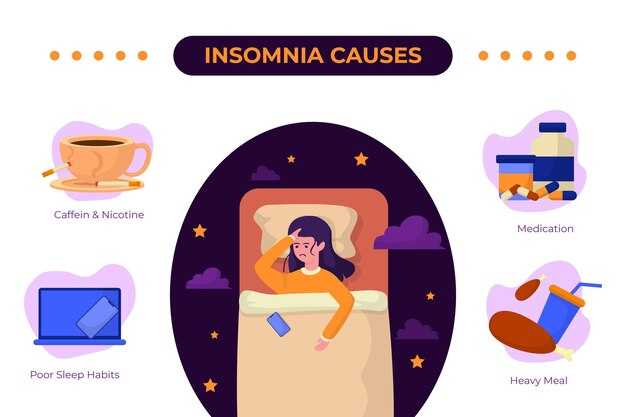 9 Daily Habits Throughout the Day for a Better Night’s Sleep">
 How to Be More Interesting – 10 Practical Ways to Boost Your Charisma">
 睡眠のための最適な呼吸法 – より良い休息のためのテクニック">


