

 Japanese
  English
  Russian
  French
  German
  Italian
  Spanish
  Polish
  Ukrainian
  Turkish
  Portuguese
  Greek
Greek  Arabic
  Korean
  Chinese
  Czech
Czech  5つの愛の言語 – 愛の与え方と受け取り方 完全ガイド">

具体的なステップ: 完全な検証済みのテストを完了し、30日間連続してインタラクションを記録し、5種類の明確な表現タイプについて、1〜5のスケールで応答を評価します。あるタイプが合計正のフィードバックで40%以上を獲得した場合、それをプライマリとして扱います。見逃された機会を追跡します。あなたまたはあなたのパートナーが傷つける沈黙や認知の欠如を感じた各インスタンスを文書化し、上位3つのパターンを2週間以内に取り上げます。
モデルは、5つの明確な感情表現モードを分類するように作成されました。これらのモードは、文化や生まれつきの傾向によって異なる特定のシンボル(行動、言葉、贈り物、時間、奉仕)を使用します。多くの人々は、あるモードに対して早い段階から先入観を示しますが、ニーズが完全に満たされない場合、好みは変化する可能性があります。テスト結果と観察データと併用して、パートナーが期待する合図と、あなたが自然に提供する合図をマッピングします。
パートナーとのデートや同棲において、積極的にマイクロチェンジを適用しましょう。集中して注意を払う時間帯を設定し、月に2回、形のある贈り物(トークン)を交換し、毎週30分を実務サポートのタスクに再割り当てします。もし相手が依然として不満げに見えたり、会話を未解決のままにしたりする場合は、毎日1つ、感情についての直接的な質問をし、上位のリクエストに48時間以内に対応します。これらの的を絞ったアプローチは、つながりを深め、回避可能な対立を防ぎ、一貫して適用することで、素晴らしい測定可能な改善をもたらします。
肯定的な言葉 – 長距離恋愛 (LDR) における具体的なフレーズと習慣
先週の具体的な3つの観察事項、サポートが必要な領域、および次回のチェックインの簡単な計画をまとめた週ごとの肯定的なメールを作成します。日曜日夜に送信し、120語以内で記述形式を維持することで、正確性と追跡可能性を確保してください。
メッセージやボイスメモで直接使用できる5つの特定のフレーズです: 請求書の処理を落ち着いて対応されたことに気づきました。その落ち着きが、私に安心感を与えてくれます。 決定する前に尋ねてくれるのは、私の意見を尊重している証拠です。 昨日の愚痴を聞いてくれてありがとう。 返信は、まるで家にいるように感じさせたよ。 時間差があるにもかかわらず、タスクを分担してくださったことに感謝しています。 送っていただいたプレゼントには感謝しています。それは私が言及したことを考慮して選ばれたものと分かりました。
日々の習慣:朝のコーヒータイムに60~90秒の音声メモを1つ、電話の後に関連する具体的なポイントをまとめた短いテキストを1つ、そして毎週日曜日の夜までに感謝の品リストを3項目作成します。重要なメモは失われることがないように共有ドキュメントを使用し、各エントリには日付と作成者をラベル付けします。アカウンタビリティのため、来週の具体的な責任と担当者を指定する行を追加します。
トーンと落とし穴:予測ではなく事実を伝えましょう。常に「あなた」を責めるような言葉や、怠慢を予測したり離婚をほのめかすような主張は避けましょう。訂正は観察として表現します。「Xについて尋ねた後、傷つける沈黙を感じました」が Xに返信が得られなかったときに、無視されたように感じました。返信期日を設定できますか? 正確で具体的な褒め言葉を使い、漠然とした賞賛ではなくましょう。不一致や同一メッセージ(「同じ」コピー&ペースト)は、距離を越えて空虚に感じられます。
心理学に基づいたヒント:短い肯定と積極的な傾聴を交互に行うカップルは、親密感の増大を報告します。賞賛と批判の比率を2:1に試してみてください。タイムゾーンに関係なく、相手のスケジュールを尊重し、誤解を招くような沈黙を避けるため、適切な返信時間を合意しましょう。思慮深いタイミングと明確な言葉遣いは、完璧な言い回しよりも、思いやりがより確実に伝わります。
実践的なチェックリスト(今夜実行するもの):1) 3項目からなる日曜日のメッセージの下書きを作成し、共有ドキュメントに保存する、2) 就寝前に60秒のボイスメモを録音する、3) 譲歩した責任または助けが必要な責任を1つリストアップする、4) 傷つけるような最後通牒を避ける。小さな、一貫性のある習慣は、離れていてもつながりを保ちます。
朝、日中、夜のチェックイン用スクリプト
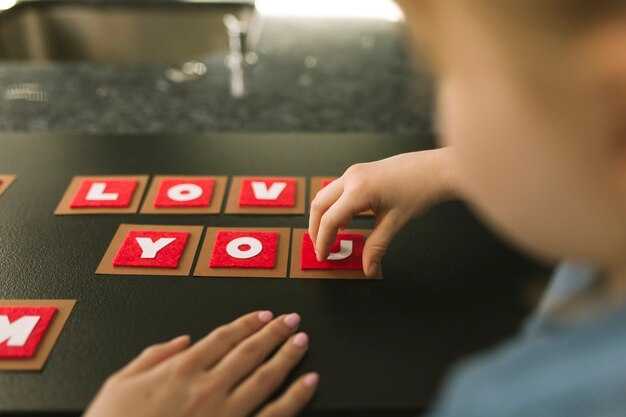
午前8時30分までに、その日のコアプラン、具体的な支援のジェスチャー、そして影響を測定するための簡単な評価プロンプト(1~5)を記載した簡潔で実行可能な朝のチェックインを送信してください。
モーニングスクリプト(筆記、10~25語):
| 時間 | Example script | Length | 目的 | Measure |
|---|---|---|---|---|
| 午前8時30分より前 | 速報:午前9時の会議が入っています。11時までにテキストします。君なら大丈夫。帰宅時にキスをひとつね? | ~15語 | 予測可能性, 身体的な安心感 | 返信するには、または1–5 |
| 午前7時前 | 書き置き:7:45の配達後、コーヒーを買いに行く;カウンターに小さなプレゼントを置く。気分を1~5で評価してください。 | ~18語 | acts-of-service cue, 物質的な思いやり | 1–5 |
| Any morning | 思慮深い確認: 今日の優先事項は二つ–クライアントとの電話、午後6時のジム。一対一の時間が必要な場合はメッセージを送ってください。 | ~20語 | 明瞭さ、可用性 | 絵文字の応答 |
正午のチェックイン:オンザゴールでの読みやすさを保つために、30文字以内で。現在の状態に関する直接的な質問と、具体的なものを提供するオファー(電話、用事の手伝い、音声メモ)を1つずつ含めてください。
| 時間 | Example script | Length | 目的 | Measure |
|---|---|---|---|---|
| 正午(12時~14時) | ランチチェック:お腹が空いていますか?何か買ってきましょうか、それとも3分間の音声メッセージを送りますか? | ~14 words | practical support | はい/いいえ、または1–5で返信してください。 |
| 午後 | 素早く:集中はどうですか?あと10分でポイントについて話し合う必要があります。 | ~16 words | availability, problem‑solving | スケジュール確認 |
| Any | 簡単な確認:あなたが言っていたその章について考えていたのですが、Verywellの記事やそれを助けてくれたTikTokを共有しましょうか? | ~22 words | intellectual & media support, inclusivity of preferences | Which resource? (article/TikTok) |
Night check‑ins should be reflective, therapeutic in tone when appropriate, and provide closure for the day; include one growth point and one concrete plan for tomorrow so their rest isn’t disrupted by unresolved items.
| 時間 | Example script | Length | 目的 | Measure |
|---|---|---|---|---|
| Before bed | “Today I appreciated your patience during our meeting. Sleep well; I’ll hold undivided time at 8 AM to talk.” | ~21 words | validation, planned connection | Confirm with ✓ |
| Nightly | “Written note: one growth point–handled the call calmly. Tomorrow I’ll provide breakfast; small kiss when you wake?” | ~20語 | positive reinforcement, gentle intimacy | 1–5 mood |
| Late night | “If you can’t sleep, text me directly and I’ll stay on the line for 10 minutes–undivided support.” | ~18語 | therapeutic presence | Yes/No |
Implementation points: identify preferred check‑in type from their responses within the first week and then keep the same schedule 80% of the time; alternate written and audio formats so small gestures don’t neglect tactile or verbal needs.
Measurement and growth: create a simple tracker–columns for date, time, script type, their response (emoji or 1–5), and one note on what lasted or changed; review weekly to measure patterns and provide thoughtful adjustments that help both thrive.
Practical tips: use short, direct language; if you promise a gift or action, deliver within the same day; avoid long explanations at night; keep check‑ins inclusive (ask about preferred channel: text, call, or quick video). Use publication or resource links sparingly and label them (Verywell article, TikTok clip) so their attention is respected.
Therapeutic and lifecycle notes: new parents after birth benefit from midday practical offers and night undivided presence; when a pattern of neglect appears, address it directly with scheduled check‑ins and one offline conversation to identify root causes and provide repair.
Final operational checklist: schedule a morning script, a midday pulse, and a night wrap‑up; measure responses; iterate weekly; be sure scripts are thoughtful, short, and designed to provide clarity, physical reassurance (hand/kiss cues), and measurable growth.
Using voice messages to convey warmth and nuance
Record 20–40 seconds that name the moment, state a feeling in one sentence, and offer a single, concrete next step; send immediately (ideally within 2 hours) so the tone matches the event.
Clear structure: 1) context (where/when), 2) feeling word, 3) tiny action. Keep each element distinct and avoid adding anything extra that dilutes the point.
Vocal technique matters: use softer consonants and short reassuring pats in your cadence, speak as if placing a hand on the shoulder, remove background noise, and record sitting with the microphone 6–8 inches from your mouth under low ambient echo.
Frequency: aim for regular check-ins – 2–4 short messages per week – and continue that cadence through busy periods. Those who prefer brevity respond better; finding a mutual rhythm appears to be the best predictor of consistent connection.
Pairing: use voice messages to supplement texts and to replace a quick handwritten note when immediacy matters; for milestone moments (a birth, a promotion), send a brief voice immediately and follow up with a handwritten message if you want permanence.
Content limits: psychologists suggest keeping messages focused on feelings and actions; avoid discussing high-stakes legal or relationship status topics (for example, divorce) in voice notes. If you sense pressure rising, switch to a phone call or in-person conversation.
Practical checks: breathe before you speak, pause one second between clauses, edit out filler, and play the clip back – if gary’s quick test (record 25s and replay) shows nothing forced, send. Thoughtfully crafted notes make partners more able to interpret tone and reduce misreading.
Short daily rituals to build consistency (5–10 minutes)
Every night, spend five minutes asking one targeted question: “What specifically made you feel cared for today?” Record the answer in a shared note after they respond to build trust and to seed further micro-gestures.
Each morning, 1–2 minutes: if present, place a hand on the shoulder or forehead for 20–30 seconds and name one specific action they did you appreciated; this concrete compliment will convey affection more reliably than vague praise.
When distant, allocate 5 minutes to a short synchronous ritual: read two pages from the same book aloud or exchange a 30‑second voice message about the passage, then share a photo of a small keepsake and explain why it matters; being able to see or hear the object conveys context and reduces social friction.
Daily domestic check: spend 2 minutes talking logistics after dinner–one sentence on chores, one sentence on plans–and ask a single question about preferences so you both know who likes which task; keep answers under 15 words to preserve momentum.
If playful touch is part of your routine, do 2 minutes of light boxing drills (gloves or open-palms only) as a reset: set a 30‑second negotiation rule beforehand, show gentle boundaries, and stop immediately if either of you think it’s crossing a line.
Use a 30‑second self-check once a week: ask yourself what you’ve been spending daily time on and whether those minutes conveyed care; apply these micro-rituals regardless of heteronormativity or assumptions about gender–a woman, a man or nonbinary person can adopt them–and record seven-day streaks in a shared list to reinforce consistency and trust.
How to write affirming emails after hard conversations

Open with one concise sentence that names the topic, states what came out of the discussion, and expresses appreciation.
- Subject line: keep under 60 characters; example – “Follow-up: laundry schedule & action items”.
- First sentence example: “Thanks for the talk today; this summarizes where we landed and next steps.” – if the meeting was long, add the date and when it started.
- Immediate factual summary: use a short list of bullet points that measure progress and ownership:
- Issue identified: missed laundry rotation.
- Decision made: A takes laundry on Mondays; B covers Wednesdays – measure: weekly check-in.
- If money or shared costs were discussed, list exact amounts and payer names.
- Emotional validation in one line: name the feeling and acknowledge it in a non-romantic, neutral manner – e.g., “I heard that you felt frustrated; that reaction is understandable.”
- Clarify limits and capacity: explicitly state limitations and what you can maintain, what you cannot, and any higher-level constraints (time, budget, mental load).
- Action items: present as numbered lists with owner, deadline, and a single metric or measure for completion:
- 課題:金曜日までに共有カレンダーを更新する(所有者:あなた)。
- 私のタスク:次の水曜日までに掃除用品を整理する(担当者:私)。
- 誰かが不明瞭なことを言うとき、一文で言い換え、修正を促して理解されていると感じてもらう:「あなたはXと言いましたね;私はYと解釈しました。それは正しいですか?」
- 次のステップと境界をオプションで提供します。偶発的なチェックインはオプションとし、予期せぬ事態を避け、フォローアップが短いメッセージかスケジュールされた電話であるかを明記してください。
- 実用的なテンプレート:受信者が応答するために使用できる短いコピー可能な行を含めます。例は合意を迅速にし、摩擦を軽減します。
- トーンと長さ:段落を短く、リストを使用し、長いテキストブロックを避けてください。可能な限り、全体のメールを300〜400語以内に抑えてください。
- クロージング:感謝の意を表明し、次の具体的なステップを再提示し、緊急の件に関してご希望の連絡時間枠を記載してください。
nicholsスタイルのフレーミングを活用しましょう。目標を再確認し、責任範囲を記録し、進捗の測定方法を明記します。変更を提案する際は、相手の時間や好みを尊重し、精神的な負担を軽減するように心がけましょう。このようなフォローアップは、誤解を防ぎ、長期間にわたるやり取りにおける明確さを維持し、受信者に対して理解されていると感じさせ、行動に移しやすくします。
Quality Time – リモートで共有時間をデザインする
Concrete recommendation: 週に3回、50分のリモートセッションをスケジュール:チェックインに10分、計画されたアクティビティに30分、焦点を絞った会話と具体的な成果に10分。
プログラム構造: 共有活動の4つのカテゴリーを定義します - 遊び心のある, practical, creative, 親しい. 各パートナーが週に2つのトピックを提出し、カテゴリーでタグ付けできる共有ページを作成します。毎回のセッションに明確な焦点があるように、トピックをローテーションする4週間のカレンダーに並べます。
実践における実施方法:アジェンダ(タイムスタンプ、ホスト、技術チェック)を記載した完全なアジェンダとともに、セッションをカレンダーイベントとして設定します。カップルごとにプラットフォームを1つ選択し、一貫性を保つためにロックします。異なるタイムゾーンの場合は、一貫した曜日を選択します。父親やその他の介護者が自宅で必要に応じて参加する場合は、託児所の引き渡し後のセッションをスケジュールします。セッションが遅れて開始された場合は、アクティビティの時間を短縮しますが、ルーチンの維持を保つために10分間の終了時間を維持してください。
アクティビティテンプレートと会話の仕組み:各30分のアクティビティには、リーダーと3ステップのスクリプトが必要です。(1) 2分間のセットアップ、(2) 25分間の共有タスク(一緒に料理、短い物語を共同執筆、プログラムやチュートリアルを歩く)、(3) 3分間の簡単な振り返り。10分間の会話セグメント中では、各人が3分間中断することなく話し、その後、相手の発言を言い換えるために2分間費やします。文章を書くことを好むカップルの場合は、共有ドキュメントでプロンプトを使用し、話し始める前に箇条書きの回答をそれぞれ送信してください。
データドリブンなチェックポイント:測定可能な成果を目指す – 毎週2つの新しいトピックを試す、月に80%セッションの出席率、6週間ごとに1つの共有プロジェクトを完了させる。これらの指標は、ページのシンプルなカウンターとして追跡できます。変更点は、毎月のレビュー会議で説明する必要があります。これらの指標を使用してメンテナンスをガイドします。出席率が70%を下回った場合は、セッションの頻度を2回に減らし、計画時間を増やしてください。
会話の話題と準備しておくべき質問:仕事での最近の成功、家庭で必要なこと、大切な思い出、夫婦で始めたい計画、個人的な成長分野。これらの話題は、親密さを育みながら具体的な内容を維持するのに役立ちます。
実践的なポイント:カレンダーを同期する、セッション中は通知をオフにする、セッションの成果物(写真、短い録画、共同執筆)を共有フォルダーに保管する。各パートナーがセッションを自分で評価するよう促す(簡単な1〜5の評価)ことで、プログラムの調整を参加者データに基づいて行い、仮定に左右されないようにする。
 Why Male Friendships Matter – Benefits for Men’s Health">
 How to Actually Make Money as a Sugar Baby – Real Tips & Safety">
 3 Reasons You Haven’t Found the Right Man Yet — How to Fix It">
 21 Things to Try Before Giving Up on Relationships | Practical Tips to Save Your Relationship">
 I’ve Joined the Sisterhood of Divorced Women – Happier and Set Free">
 9 Months Together – Why Won’t My Boyfriend Say I Love You?">
 Why You’re Attracted to the Wrong Guys and How to Fix It">
 26 Brilliant Third Date Ideas to Keep Things Spicy">
 Toxic Masculinity Explained – Meaning, Origins & Is the Term Useful or Harmful?">
 5 Proven Ways to Pull a Man Back When He’s Slipping Away">


