

 Italian
  English
  Russian
  French
  German
  Spanish
  Polish
  Ukrainian
  Turkish
  Portuguese
  Greek
Greek  Arabic
  Korean
  Chinese
  Japanese
  Czech
Czech  What Matters to Men on a First Date – Key Qualities & Tips">

While dating, send a compact confirmation 24 hours and again 2 hours before the evening: exact address, arrival window and any parking or transit notes. This reduces the chance someone will be late or worried; once logistics are agreed each person can focus on the exchange instead of logistics and micro-anxieties.
Appearance and practical energy: aim for a fresh look–clean, well-fitting clothes, light grooming and a neutral scent. People are likely to be impressed by neatness and a relaxed posture; choose an outfit that lets you move and work with a natural smile. Avoid outfits that require constant adjustment during a long conversation.
Conversation structure: open with two targeted questions and one observation about the venue to show attention without interrogation. Mirror tone and feelings rather than offering immediate fixes: ask how they feel about a topic, pause to listen, then add a short related anecdote. If someone is already megadating, state availability and boundaries plainly; honesty creates peace and prevents constantly checking motives. Note which topics to avoid on an opening meeting (ex-partners, detailed finances, long medical histories).
Close the evening with a clear signal: if you want another meeting, say so within an hour; if you need time, send a brief message the next morning. Everyone responds better to specific signals than to ambiguity, and this method shortens the follow-up period so interest doesn’t decay or leave you wondering whether it will last long.
Convenience-focused qualities men notice immediately
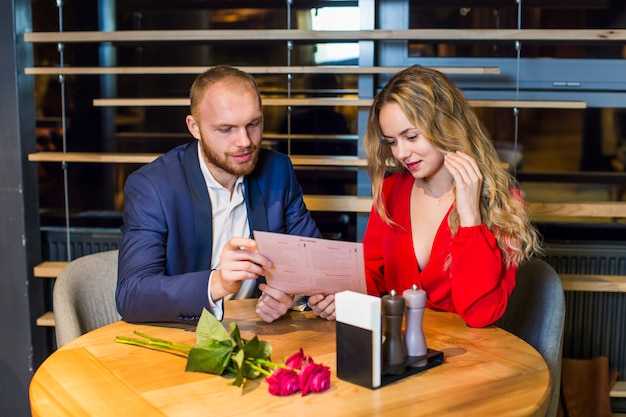
Wear a presentable outfit and arrive 5 minutes early; that amount of punctuality will signal respect and reduce friction in the first 10–15 minutes of conversation.
If youve been tied up or gone over time, message ahead – showing consideration lets the other person adjust their schedule and keeps you from looking careless. Keep your phone silent and out of sight to avoid interrupting flow and making yourself seem distracted.
Lead with neutral interests: mention music or local arts to get the mood in tune and invite easy exchanges. Small talk tends to land better than heavy topics; save politics and core beliefs for after a few dates to avoid derailing connection.
Hold the door, offer a coat when appropriate, and read body language quickly; letting a girl know she’s comfortable will make her more keen to continue. Maintain a relaxed posture and avoid resume-style monologues about work – state relevant facts about yourself, not a career dossier.
Appearance cues that register fast: neat grooming, minimal scent, and a clear smile. Having a clean, put-together look is often more attractive than an elaborate outfit; mens first glance typically registers appearance and posture in under 7 seconds.
Control practical details: limit alcohol amount to one drink in the first hour, decide what logistics you’ll handle (transport, time), and split incidental costs when appropriate so no one has to deal with awkwardness. After the date, send a short message within 12 hours to confirm interest or closure.
| Quality | Action | Time / Amount |
|---|---|---|
| Presentable appearance | Neat grooming, simple outfit | 5–10 minutes prep |
| Punctuality | Arrive early or message if delayed | 5 minutes early / message if gone over 10 |
| Conversation tone | Bring up music or arts, avoid politics | Light topics first; beliefs after 3+ meetings |
Choose a nearby, familiar venue to reduce travel stress

Pick a venue within a 15-minute drive or a single transit transfer so total travel stays under 20 minutes; reserve a specific table and confirm parking or nearest ride-share pickup to keep arrival logistics simple and predictable.
Prefer locations you or the woman have visited before: familiarity reduces unknowns, lowers anxiety without sacrificing novelty, and allows more genuine, deep conversation because cognitive load is lower. Check noise levels (aim for conversational range under ~65 dB), lighting around 2700K–3000K, and table placement near the entrance to avoid long walks that tax the body or require wardrobe changes.
Bring several contingency options: a second nearby backup venue, an indoor-outdoor choice, and menu screenshots to avoid surprises for dietary restrictions. If one person is a client or paying, clarify payment expectations ahead via brief message to prevent an awkward moment at the end; still offer to split if that feels better for both.
From a psychology standpoint, reducing travel time allows authenticity to surface faster and makes it more compelling to stay engaged – people think more about connection and less about logistics. Sometimes a short commute translates into more time together and a higher chance you’ll both feel comfortable enough to show what you love and be myself while keeping things stylish but not overtly sexy.
Practical checklist: confirm transit/parking, reserve a table near entrance, test noise level online or by phone, plan outfit for body comfort, allow a 30-minute buffer for delays, and have an exit plan if either party wants something else sooner; these steps make the outing feel better and worth repeating.
Offer clear meeting time and a visible landmark to avoid confusion
Set an exact clock time (e.g., 19:15) and name one visible landmark within 30–50 m; send a photo and a map pin immediately after confirming.
- Choose the landmark: pick a cafe entrance, plaza statue, or a store window–avoid shallow markers like small signs; female partners find prominent, well-lit spots easier to spot.
- Confirm the minute: state the precise minute and include a 5–10 minute buffer; given transit variability, have a fallback plan and agree on whether to wait inside or outside.
- Payment clarity: if paying was discussed, say “I’ll be paying” or “let’s split” before arrival; if one partner rejects the offer, move on to deeper topics rather than letting payment stall the evening.
- Decide the exact waiting posture: stand by a bench, the entrance, or the bike rack so both know where to look; this small quality decision reduces scanning and awkwardness.
- Send a compelling message copy: one photo, one short sentence, a live map link and the time stamp – youd avoid multiple messages that confuse the meet-up.
- If plans change today, update the pinned message and send a fresh photo; wiping older messages or sending similar blurred images creates confusion through noise.
- Next-best option: agree on a nearby alternate (e.g., “if not here, meet at the taxi stand 40m east”) and confirm that instruction before leaving your location.
- Use small charm, not filler banter: quick hello lines are fine, but aim for meaningful conversation soon after the arrival to move beyond shallow small talk toward deeper connection.
- Manage the moment: if someone’s more than 15 minutes late, ask whether they want to reschedule; theres no gain in waiting indefinitely–admit inconvenience and propose a better time.
- Impress through clarity: act like a director–stage lighting, noise level and exact spot matter; this one thing increases the chance the meeting will feel deep rather than rushed.
- Practical tips: state expectations (on time, paying, waiting place), confirm with a photo, and check in if you’ve been delayed; clear signals mean fewer awkward silences after arrival.
Pick activities with built-in flexibility for early exit or extension
Choose a low-commitment activity type that fits a 45–75 minute window: coffee, a short museum wing, a park walk or a sunday afternoon farmers market; these options sometimes please both people and reduce pressure if chemistry doesn’t develop.
Set a clear time-ahead plan: announce you’ll have an hour free and agree a simple signal for extension. If something happens or you don’t feel safe, use discreet texting to a friend and a prepared excuse (early meeting, visiting family). Prepare brief scripts for requests and rejects so responses stay polite and fast.
Pick venues that can become more or less involved: a coffee spot that turns into a casual bar at night, a park near restaurants, a museum with nearby cafés. Contrast that with long-ticket events like 2+ hour shows where early exit is awkward. Many female contacts prefer scalable plans that let the same meeting shift without pressure; this keeps a balance between flirt and conversation.
Match activity choice to goals: if one person is looking for light conversation, keep it short; if both are interested in depth, plan a longer follow-up ahead. Keep safety practical: choose public locations, share live location with a friend, and avoid home visiting until trust builds. Check local reviews or источник so the spot’s atmosphere makes an exit or extension worth less awkwardness across your social world.
Dress comfortably while matching the venue’s formality
Match your outfit to the venue: casual coffee or daytime bar – dark slim jeans, plain tee or fitted blouse, clean low-top sneakers or loafers; casual-smart restaurant – chinos or skirt, loafers or low heels (≤2.5 in), unstructured blazer; upscale dinner or theatre – tailored suit or sheath dress, polished leather shoes, a single statement accessory. Break in shoes for at least 2–3 hours in advance and avoid brand-new soles on a long outing.
Dare priorità ai dettagli per il comfort: scegliete tessuti con ≥60% fibre naturali (misto cotone/lino/lana) per ridurre il surriscaldamento e la formazione di pieghe; portate con voi uno strato leggero per gli interni climatizzati; mantenete lunghezze dell'orlo e tagli delle maniche che consentano gesti naturali e senza tirare. Preparate un piccolo kit di emergenza (cerotto, nastro biadesivo trasparente, salviettina smacchiante) per tenervi su terreno solido in caso di imprevisti.
Lascia che l'outfit supporti conversazioni e connessioni: una palette neutra più un colore d'accento attira l'attenzione sul viso e mantiene il chiacchiericcio concentrato su di te, non sui tuoi vestiti. Un profumo leggero e poco invadente – un getto dietro ogni orecchio – coinvolge i sensi senza sopraffare. Se un capo non fosse comodo durante una prova veloce, cambialo; il disagio distrae e rende più difficile iniziare un'interazione rilassata, che si tratti di carriera o piani per il fine settimana.
Scegli le scarpe in base alla superficie: erba o ghiaia – evita i tacchi a spillo, scegli zeppe o tacchi blocchi; ciottoli o lunghe camminate – scegli ballerine o scarpe da ginnastica comode; bar con posti in piedi – tacco minimale e buon supporto dell'arco plantare. Per un piano di uscita di un paio d'ore, prova l'outfit nella tua routine a casa (cammina, siediti, scale) così sai cosa potrebbe essere necessario aggiustare.
Vestiti secondo il tuo gusto personale prestando attenzione ai segnali sociali dell'occasione. Adatta naturalmente se l'aspetto dell'altra persona è più o meno formale - un rapido complimento può resettare il tono e dare inizio a una conversazione leggera e amichevole. Ad addio, il comfort conta: una postura sicura, un appoggio stabile e un outfit con cui non hai avuto motivo di agitarti lasciano una migliore impressione duratura rispetto a un look troppo elaborato.
Definisci in anticipo piani di pagamento e trasporto per evitare situazioni imbarazzanti.
Stabilire le aspettative relative al pagamento e al trasporto prima dell'incontro: proponi intervalli di importo esatti per cibo e trasporto, offri opzioni di pagamento (contanti, app, carta) e specifica chi pagherà quale parte. Se una persona preferisce già coprire, dillo e conferma di aver ricevuto l'offerta in modo che l'altra possa accettare o controbattere.
Quando si decide tra i vari modi per raggiungere la destinazione, elencare opzioni concrete: incontrarsi vicino ai mezzi pubblici, dividere una tariffa di taxi o concordare un indirizzo di drop-off se si prevede di guidare. Scambiare gli orari di arrivo e una breve nota sulla posizione del bagno nella location per evitare pause che creino silenzi imbarazzanti durante l'uscita.
Utilizza un linguaggio chiaro riguardo alle intenzioni: un messaggio che dice “io pago il cibo, tu prendi il trasporto” riduce i sentimenti di ansia e previene fraintendimenti. Studi di psicologia dimostrano che la logistica esplicita riduce lo stress sociale e fa sentire entrambe le persone più a loro agio piuttosto che cercare di fare colpo competendo per pagare.
Gestisci i cambiamenti inaspettati in modo pragmatico: se i piani cambiano, commenta sulle alternative (“invece dividiamo il conto” o “posso pagare il viaggio”) e conferma chi ha ricevuto l'aggiornamento. Dettagli come l'acconciatura o un complimento sul cibo vanno bene in seguito; durante la logistica attieniti ai fatti per evitare segnali misti riguardo all'amore o alle intenzioni emotive.
Checklist pratico: conferma importo stimato, seleziona metodo di pagamento, condividi opzione di trasporto, dichiara piano di backup e invia un breve messaggio di conferma – fatto bene, questo dimostra rispetto, riduce l'ansia su chi fa cosa e lascia spazio per godersi il corso in arrivo.
 Codependency in Relationships – Signs & Recovery Tips">
 I Love My Boyfriend but Is It Time to Break Up? 10 Signs & How to Decide">
 Are We Dating the Same Guy? The Dark Side of Online Groups">
 Can I Be Loved If I Don’t Like Myself? Self-Esteem & Relationships">
 Is Texting Cheating? Text Cheating on Facebook Explained">
 3 Messaggi Efficaci da Inviare a una Donna Senza Bio su un'App di Incontri">
 Perché le persone si comportano male sulle app di incontri – Cause, Psicologia e Soluzioni">
 Perché gli Uomini Non Pongono Domande – Guida per Donne Single">
 Finestra di dialogo – progettazione dell'interfaccia utente, esempi e migliori pratiche di accessibilità">
 Superare la Codipendenza – Consigli Pratici per Liberarsi">


