Italian
  English
  Russian
  French
  German
  Spanish
  Polish
  Ukrainian
  Turkish
  Portuguese
  Greek
Greek  Arabic
  Korean
  Chinese
  Japanese
  Czech
Czech 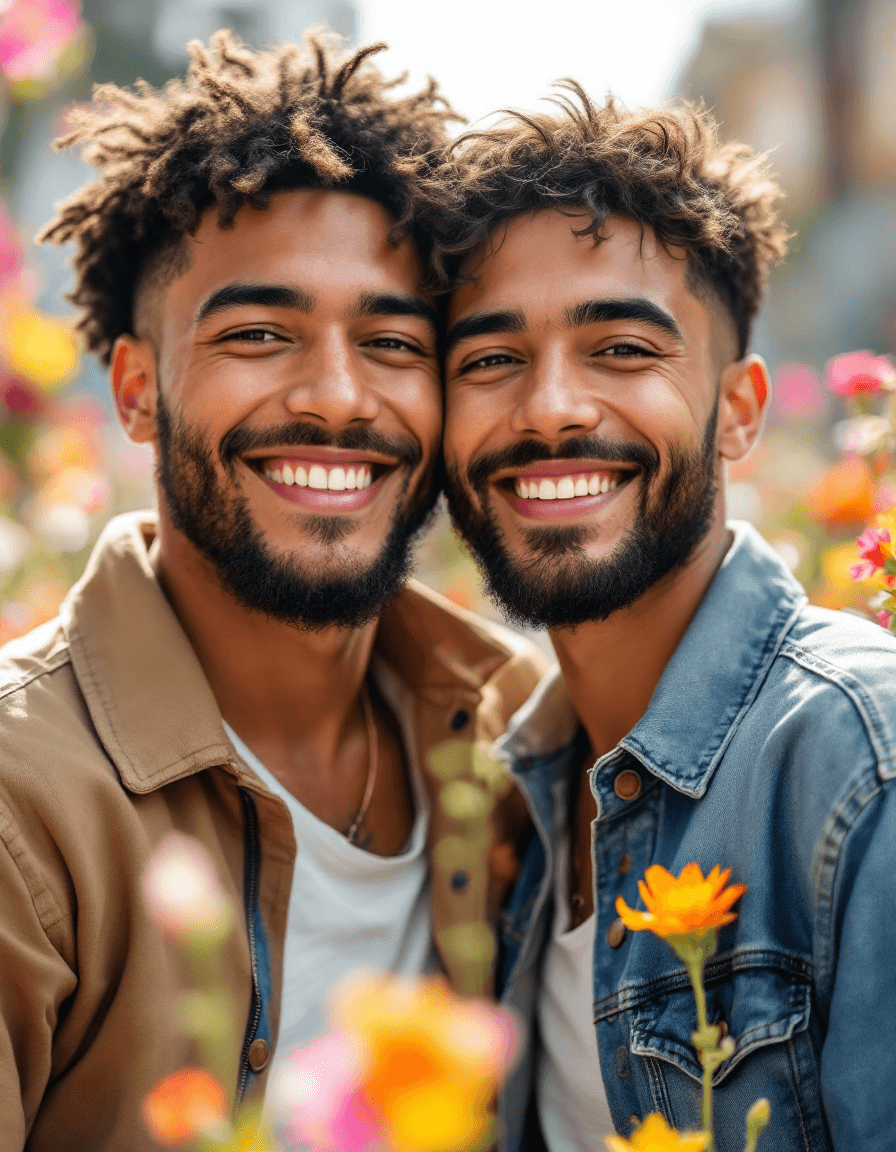

Panromantic is a term that describes people who are emotionally attracted to all genders, regardless of their gender identity. Unlike other orientations that may focus on one specific gender, panromanticism emphasizes attraction to individuals based on their personality and emotional connection rather than gender. Understanding the panromantic meaning is essential for respecting diverse romantic orientations and fostering inclusive relationships. A panromantic person may experience feelings of love and romantic attraction for anyone, regardless of gender identity.
Section 1: What Does Panromantic Mean?
At its core, panromantic describes someone who is attracted to all genders. This attraction is primarily romantic rather than sexual, which distinguishes panromanticism from pansexuality.
- Emotionally attracted to all genders: Panromantics form romantic connections based on emotional intimacy and compatibility.
- Regardless of their gender identity: A panromantic person does not limit their romantic feelings to any one gender; attraction is directed toward the person as a whole.
- Experience feelings of love: Panromantics may experience feelings of love for individuals of any gender, emphasizing emotional bonds over physical characteristics.
It’s important to remember that being panromantic does not automatically imply sexual attraction, though some panromantic people are also pansexual.
Section 2: Panromantic vs. Pansexual
While the terms sound similar, panromantic and pansexual are distinct:
- Panromanticism focuses on romantic attraction. This means a person may feel emotionally drawn toward anyone, regardless of gender, forming romantic bonds without necessarily seeking sexual involvement.
- Pansexuality focuses on sexual attraction. A pansexual person may feel sexually attracted to all genders, but romantic feelings are not implied.
- Overlap: Some individuals identify as both panromantic and pansexual, experiencing both romantic and sexual attraction across all genders.
Understanding these distinctions helps prevent misconceptions about panromantic identity and ensures that people’s orientations are respected.
Section 3: Romantic Attraction and Identity
Romantic attraction is central to the panromantic experience. Unlike sexual attraction, which is physical, romantic attraction involves emotional connection, affection, and desire for companionship.
- Romantic orientation: Panromantic is a type of romantic orientation, which describes the patterns of romantic attraction one feels toward others.
- Connessione emotiva: A panromantic person values emotional intimacy and bonds that go beyond gender, often prioritizing personality and compatibility.
- Romantic feelings: Panromantics may develop romantic feelings toward someone of any gender, making their romantic orientation fluid and inclusive.
This orientation highlights that love is not confined by gender and that meaningful connections can transcend societal expectations.
Section 4: Panromantic Experiences
Panromantic people may experience a wide range of feelings and attractions:
- May experience feelings of love for multiple genders, sometimes simultaneously or sequentially.
- Experience feelings of love that are deeply emotional, emphasizing care, commitment, and empathy over physical attributes.
- Connessione emotiva: For panromantics, emotional intimacy often drives attraction, making connections meaningful and lasting.
- Attracted to all genders: Panromantics do not exclude any gender from their potential romantic interests.
These experiences can vary widely between individuals, and panromanticism allows for a spectrum of romantic possibilities.
Section 5: Understanding Gender Identity in Panromanticism
Gender identity plays a key role in how panromantic people navigate relationships:
- Gender identity matters: Panromantics are attracted to individuals regardless of their gender identity, meaning attraction is not limited by societal gender norms.
- Gender identities: Recognizing diverse gender identities, including non-binary, transgender, and genderfluid people, is central to understanding panromantic attraction.
- Regardless of gender: Panromantics embrace romantic attraction without constraints, celebrating diversity and inclusion in relationships.
By respecting gender identity, panromantic people ensure that their romantic connections are authentic and meaningful.
Section 6: Signs of Panromantic Identity
People may identify as panromantic for several reasons:
- Strong emotional bonds: They feel drawn to people based on emotional compatibility rather than gender.
- Romantic flexibility: They may experience romantic attraction toward anyone, regardless of gender.
- Inclusive outlook: Panromantic individuals often prioritize understanding and accepting diverse gender identities.
- Personal self-discovery: Identifying as panromantic can help someone understand their romantic orientation and navigate relationships more confidently.
A panromantic person may also explore their romantic orientation alongside their sexual orientation to gain a holistic understanding of their identity.
Section 7: Panromantic vs. Other Romantic Orientations
Panromanticism is one of many romantic orientations, each describing unique patterns of attraction:
- Heteroromantic: Romantic attraction toward the opposite gender.
- Homoromantic: Romantic attraction toward the same gender.
- Biromantic: Romantic attraction to two genders, typically male and female.
- Panromantic: Attraction regardless of gender, emphasizing inclusivity and fluidity.
This distinction highlights that panromanticism differs from other orientations in its universal approach to romantic attraction.
Section 8: Relationships and Panromanticism
Navigating relationships as a panromantic person may involve unique experiences:
- Romantic partners: Panromantic individuals can have romantic partners of any gender, forming bonds based on love, compatibility, and emotional connection.
- Emotional intimacy: Prioritizing feelings of love and connection often defines the depth and quality of panromantic relationships.
- Communication: Open conversations about identity and orientation help partners understand and respect each other’s romantic needs.
- Challenges: Panromantic individuals may encounter misunderstandings or stereotypes, making education and awareness crucial.
Understanding these dynamics helps create healthier, more fulfilling relationships.
Section 9: Panromanticism and Mental Health
Recognizing and embracing panromantic identity can impact mental health positively:
- Convalida: Accepting one’s panromantic identity reduces stress and confusion about romantic feelings.
- Community support: Connecting with panromantic and LGBTQ+ communities provides a sense of belonging.
- Mental health benefits: Awareness and acceptance of one’s romantic orientation support emotional well-being and resilience.
- Challenges: Panromantic individuals may still face societal pressure or misunderstanding, which can affect their mental health if not addressed.
Seeking professional help or joining supportive networks can improve emotional health and foster self-confidence.
Section 10: Panromantic People and Sexual Orientation
Although panromanticism primarily concerns romantic attraction, it often intersects with sexual orientation:
- Sexual attraction: Some panromantic people are sexually attracted to all genders, while others may be asexual or have preferences that do not align with their romantic attraction.
- Sexual orientation: Distinguishing between sexual orientation and romantic orientation is important for understanding one’s overall identity.
- Experiencing romantic vs. sexual attraction: A panromantic person may feel romantically drawn to someone without sexual interest, or vice versa.
This distinction helps clarify the multifaceted nature of human attraction and identity.
Section 11: How to Support Panromantic People
Supporting someone who identifies as panromantic involves respect, understanding, and openness:
- Use correct terminology: Rispettare le etichette e i pronomi che riflettono la loro identità.
- Ascolta attivamente: Comprendi le loro esperienze, sentimenti e preferenze romantiche senza presupposti.
- Informati: Imparare le orientazioni romantiche e sessuali può ridurre i malintesi.
- Promuovere l'inclusione: Incoraggiare ambienti in cui identità diverse, compreso il panromanticismo, siano riconosciute e valorizzate.
Il rispetto e il sostegno contribuiscono a relazioni più sane e legami emotivi più forti.
Sezione 12: Malintesi Comuni sul Panromanticismo
Diversi miti circondano l'identità panromantica:
- e lo stesso della pansessualit: Mentre possono sovrapporsi, il panromanticismo si concentra sull'attrazione romantica, non necessariamente sull'attrazione sessuale.
- Significa attrazione verso tutti: I Panromanticamente non sentono il bisogno di essere attratti da tutti; semplicemente hanno il potenziale per l'attrazione indipendentemente dal genere.
- è una fase: Il panromanticismo è un orientamento romantico valido, non una fase o tendenza temporanea.
Dissipare i malintesi favorisce la comprensione e l'accettazione delle persone panromantiche.
Conclusione
Il significato panromantico si concentra sulla capacità di essere emotivamente e romanticamente attratti da tutti i generi, indipendentemente dall'identità di genere. Le persone panromantiche possono provare sentimenti di amore, formare partnership romantiche e costruire profonde connessioni emotive senza restrizioni imposte dal genere. Riconoscere il panromanticismo come un'orientamento romantico legittimo aiuta a creare comunità inclusive e sostiene il benessere emotivo degli individui attraverso lo spettro dell'attrazione umana. Sia nelle amicizie, nelle relazioni romantiche che nella società più ampia, comprendere l'identità panromantica incoraggia rispetto, empatia e celebrazione della diversità.