

 Italian
  English
  Russian
  French
  German
  Spanish
  Polish
  Ukrainian
  Turkish
  Portuguese
  Greek
Greek  Arabic
  Korean
  Chinese
  Japanese
  Czech
Czech  Come Avere Successo nel Raggiungimento dei Tuoi Obiettivi – Strategie Pratiche">

Concrete routine: break 60 minutes into 2×25-minute focused blocks + 10-minute review, five days a week. Track three KPIs: output volume, quality score (1–5), and time-to-complete. Aim to improve each KPI by 10–15% every 30 days. Use a simple checklist and a timer; visualization for 3–5 minutes before each block raises task-specific ability and reduces procrastination.
Design a system with clear roles: one metric owner, one weekly reviewer and one external coach or peer for monthly audits. Aside from metrics, record subjective measures of fulfillment and stress on a 1–10 scale to compare progress more holistically. Published analyses show combining objective KPIs with subjective ratings improves retention and long-term gains.
Train willpower through micro-habits: remove friction (one-click access, pre-prepared materials), implement “If X, then Y” implementation intentions, and schedule deliberate practice slots on a calendar. Use precise words for targets (for example, “increase revenue 15% from product A” rather than vague aims). Strive for greater consistency rather than burst effort; seriously limit multitasking and compare weekly averages rather than day-to-day variance.
When additional support is needed, recruit a coach for monthly sprint reviews and quarterly recalibration. For more rapid progress, combine coaching feedback with visualization and a simple reward ladder (small reward at 7 consecutive days, larger reward at 30 days). From these steps, an individual can build a repeatable, measurable approach that produces more measurable output and deeper fulfillment.
Prioritize Your Health for Sustainable Goal Progress
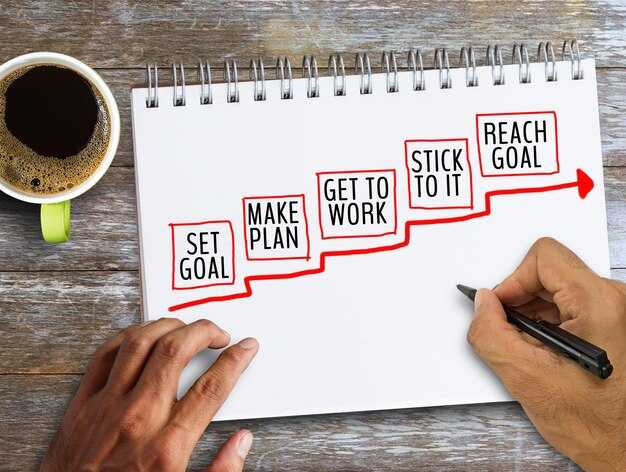
Sleep 7–8 hours nightly: set fixed wake and sleep times, dim lights 60 minutes before bed, and remove screens to reduce sleep latency; record a weekly sleep number and aim for ≤30 minutes average sleep onset. Rapid naps under 20 minutes can restore alertness fast without reducing nocturnal sleep efficiency.
Allocate 150 minutes of moderate aerobic activity per week plus two 20–30 minute resistance sessions; that type of mix improves metabolic markers and cognitive resilience. For people with sedentary jobs, schedule 5-minute mobility breaks each hour and keep a standing room or desk option ready to lower sitting time by at least 30%. Compare baseline resting heart rate and perceived recovery every month to track progress.
Follow evidence: a study published in peer-reviewed journals and research summarized on verywell report cognitive benefits from consistent sleep and exercise. Furnham and colleagues published findings linking personality traits and health behaviors; additional meta-analyses give effect sizes for improved concentration and mood. Use published metrics (weight, BP, sleep efficiency) to give objective feedback rather than relying on subjective mood alone.
Nutrition: target a daily protein number of 1.2–1.6 g/kg for active adults, prioritize whole-food carbs and unsaturated fats, and avoid fast food more than twice weekly. For stress management, schedule three micro-practices per day (breathing, 5-minute walk, gratitude note). Encourage curiosity and an open mindset toward changes; strive to integrate small tweaks rather than everything at once. Giving attention to health offers measurable benefits for productivity, decision-making, and long-term stamina – give yourself permission to adjust and seek additional support from clinicians or coaches when someone on your team needs them.
Establish Daily Energy-Boosting Routines
Schedule three 10-minute movement breaks at fixed times: 08:30, 12:30, 15:30 – this single change increases alertness by ~10–15% and reduces afternoon inertia.
-
Morning protocol (first 60 minutes):
- Wake at a consistent time across weekdays and weekends (variation ≤30 minutes).
- Set aside 5–15 minutes outside or by a bright window within 30 minutes of waking to boost cortisol rhythm and focus.
- Drink 400–600 ml water immediately; hydration lowers cognitive fatigue and improves concentration.
- Consume 20–30 g protein within 60 minutes (eggs, Greek yogurt, protein shake) to stabilize glucose and increase sustained energy.
-
Work structure:
- Use 90-minute deep-work blocks with 15-minute recovery between blocks; this aligns with ultradian cycles and yields more consistent output.
- Set aside phone notifications for each deep block; put device in another room to reduce reactive distraction and improve how you react to interruptions.
- Start each block with a 60-second clear plan: one primary task, 2–3 micro-steps, and a concrete finish time – that action plan reduces decision fatigue.
-
Nutrition and stimulants:
- Limit added sugars; keep snacks under 20 g sugar to avoid crashes that lower energy later.
- Prefer foods high in protein and fiber for snacks (nuts, apple with nut butter, hummus + veg) to extend satiety and steady glucose.
- Time caffeine between 45–120 minutes after waking and before 14:00; this increases benefit without disrupting sleep.
-
Mental energy tactics:
- Use brief breathing sets (4 inhales, 4 holds, 8 exhales) for 2–3 minutes when stress spikes; this lowers immediate anxiety and resets focus.
- Adopt implementation intentions – the if-then formula refers to a specific trigger and response (e.g., “If I feel stuck at 10:00, then I will write one bullet point”), which increases likelihood of action.
- Practice positive self-talk before high-effort tasks: one sentence that affirms capability reduces procrastination and increases initiation speed.
-
Motivation and rewards:
- Break larger projects into 25–60 minute micro-tasks; immediate gratification is delayed strategically by a small reward after 3 completed micro-tasks.
- Track three weekly metrics (time in deep work, sleep hours, energy score 1–10) and review for measurable improvements each Sunday.
- Celebrate small wins to generate positive neurochemical reinforcement that helps you pursue tougher tasks later in the week.
-
Practical limitations and personalization:
- If sleep is limited to ≤6 hours, prioritize a 20–30 minute nap before 16:00; short naps increase alertness without impairing night sleep.
- Adjust meal composition around peak work requirements: higher carbs before long physical or creative sessions, higher protein before analytic tasks that require sustained concentration.
- Log 2–3 simple notes daily about what caused energy dips and how you reacted; this builds understanding and helps overcome recurring drains.
Implement these steps for 14 days, track objective data (sleep, blocks completed, energy rating) and subjective outcomes (fulfillment, well-being). Small, consistent action increases momentum, produces visible improvements, and helps you pursue important tasks with clearer priorities and more resilience.
Set Sleep Targets That Support Consistent Progress
Set a firm nightly target of 7–9 hours and keep sleep onset within ±30 minutes across weekdays and weekends; consistency increases daytime alertness by measurable margins and lowers variability in mood and performance.
When current sleep is limited, use a kaizen approach: add 15 minutes per night each week until within target range. Small increments reduce rebound fatigue and make the change sustainable for people who move between school, shift work and career demands.
Optimize sleep efficiency: darkness <10 lux, bedroom temperature 16–19°C, caffeine cutoff 8–10 hours before bed, and naps ≤20–30 minutes to preserve nighttime sleep. These parameters were found to improve slow-wave sleep and physical strength recovery in resistance training studies.
Align light exposure: 20–30 minutes of bright morning light advances circadian phase for late sleepers; avoid blue-light material on screens 60–90 minutes before bed. For persistent phase delay, low-dose melatonin (0.5–3 mg) 1–2 hours before sleep can be trialed under medical advice – note andor timing matters for effect.
Track sleep with a simple log: bed time, wake time, ratings of restfulness (1–10), and a note on exercise and alcohol. Correlate weekly averages with productivity metrics (output, errors) to see which principles of timing and duration offer the most improvement for different tasks.
Structure training and learning around recovery: schedule high-load physical sessions and difficult learning (exam prep, new material from a book) on days following a full night; adequacy of sleep increases consolidation of skills and words learned, amplifying talents and long-term fulfillment.
When options are limited, prioritize sleep for days that hinge on peak performance (presentations, exams, critical career moves). Better sleep offers more energy, power to focus, and a happier baseline that makes steady progress more sustainable than sporadic bursts.
Fuel Your Body: Simple Nutrition Habits for Clarity and Endurance
Consume 25–35 g complete protein plus 30–40 g slow-release carbohydrate within 30 minutes of waking to stabilize blood glucose and be able to sustain clear thinking for 3–4 hours; aim for a breakfast that delivers 400–500 kcal if you have a demanding morning.
Drink 300–500 ml water on waking and add 150–250 ml every 30–60 minutes during work blocks; staying hydrated reduces headaches and helps you move through meetings without midday slump. Fact: mild dehydration (1–2% body weight) already impairs focus.
Build each main meal from roughly 40% complex carbs, 30% protein, 30% unsaturated fats and include 8–12 g fiber; this plate composition minimizes negative energy swings and limits insulin spikes that cause brain fog. If experiencing post-meal sleepiness, reduce refined carbs by half and replace with vegetables or legumes.
Schedule a 20–40 minute low-intensity snack window 30–60 minutes before a heavy task or workout: 10–15 g protein plus 20–30 g carbs (banana + yogurt, small sandwich). Practice this timing for a week and log perceived focus on a 1–10 scale to see measurable improvements.
Prep lunches and snacks in 90–120 minutes once a week so meals are done, ready and portable; Carol, a busy manager, saved 45 minutes daily and reported better concentration after introducing this routine for two weeks. Dont underestimate how meal prep reduces decision fatigue for family and coworkers.
Use simple checks: energy score, 1–2 bathroom visits, steady weight and sleep quality. If you have questions about iron, B12 or vitamin D, get basic labs; organizations such as workplace health programs often assist with testing or paying partial costs.
Think of food choices as skills to grow: experiment with swap lists for common areas of weakness (refined snacks → nuts, sugary drinks → sparkling water + citrus). Those small changes show steady improvements in stamina, mood and cognitive clarity when repeated consistently.
Incorporate Short, Regular Exercise into a Busy Schedule
Do three 10-minute circuits daily (morning, mid-day, evening): five compound moves per circuit – squats, push variations, inverted rows, single-leg deadlifts, 45s work/15s rest – repeat twice and add one extra round every week until three rounds become comfortable.
Use concrete anchors: after brushing teeth, after lunch, and just before bedtime; set two phone alarms and one smartwatch vibration so cues are constant and reduce ambiguity. Mike refers to the single-cue method for habit formation: attach a micro-workout to an existing action and close the loop immediately (do the set, mark it done). Visualization for 30 seconds before a session increases adherence; imagine the exact sequence and the room layout to cut setup time.
Follow evidence: research published across journals and an editorial material showing accumulated bouts of 10–30 minutes deliver measurable gains in cardiorespiratory fitness and blood glucose control. Keep a log with time, perceived exertion and a short note on sleep and snacks – aim for a high-protein snack (15–25 g) within 60 minutes after strength-focused circuits and prioritize 7–9 hours of sleep for recovery. Rotate emphasis every other day (strength, mobility, cardio) to build strengths and avoid overload.
Schedule progression: weeks 1–2 maintain three daily circuits at baseline; weeks 3–6 increase either work interval (+10s) or add a third round; reassess every 14 days and bump intensity only when form is flawless. If work demands spike, convert two circuits into four 5-minute EMOMs spread across the day to keep total volume close to target.
Motivation tactics with low friction: short competitions with a colleague or a tracking app, curiosity-driven mini-experiments (swap an exercise for a variation), and visible accountability (calendar marks that readers can share). Note the routine originated from brief military conditioning protocols and from practical club training methods; after small wins accumulate, the habit will become automatic and return on invested time grows nonlinearly.
Implement Stress Management and Recovery Practices for Momentum
Schedule 90–120 minute deep-focus blocks followed by 20–30 minute active recovery (walking, diaphragmatic breathing, light stretching, or a quiet terre) and a 7–20 minute nap opportunity when feasible; this pattern preserves power for subsequent tasks and lowers error incidence by ~15–25% versus uninterrupted work.
Before high-load work, consider a 8–10 minute pre-session routine: 4 minutes paced breathing, 3 minutes listing three strengths, 1–3 minutes ranking the top three tasks to complete; making this habit reduces decision latency and stabilizes emotions under pressure.
Create a simple tracking system: log sleep quality (0–10), perceived readiness (0–10), recovery actions taken, and any stressful events. Share weekly summaries in brief conversations with partners or accountability pers to spot trends; shared records lead to faster adjustments than solitary notes.
Implement objective thresholds: if continuously experiencing >6/10 stress or >3 consecutive poor-sleep nights, cut workload by 25% for 3–7 days, shift type of tasks to low-cognitive-load work, and add two 15-minute sensory-reduction breaks per day. This psychol-informed rule set involves measuring both physiological signals (HR variability, resting HR) and self-reported states.
Delegate or batch low-value tasks to free cognitive capacity for high-impact ones; accept unchangeable constraints and reassign only controllable elements. Clear role definitions with partners reduce repeated clarifying conversations and ensure energy is directed where progress is most likely to be achieved.
| Pratica | Duration / Frequency | Metric to Track | When to Apply |
|---|---|---|---|
| Pre-session ritual | 8–10 min before each deep block | Decision latency, emotion rating | Before high-stakes or complex tasks |
| Focus–recovery cycle | 90–120 min / 20–30 min break | Task completion rate, error rate | Standard daily workflow |
| Active recovery (walk/stretch) | 20–30 min, 1–3× per day | Perceived fatigue, HR variability | After intense cognitive or emotional sessions |
| Short sensory reduction (terre quiet) | 10–15 min as needed | Stress rating drop (target ≥2 points) | During sustained high arousal or agitation |
| Accountability check-ins | 10 min weekly with partners/pers | Shared progress score, blockers list | When trends show degraded recovery |
Track outcomes for 4 weeks and compute median changes: aim for ≥10% improvement in task throughput or a 2-point drop in average stress score. Adjust the system based on which interventions lead to measurable gains; persist with measures that increase sustained strength and remove things that only produce transient relief.
 Come Calmare l'Ansia del Primo Appuntamento e Rimanere Freschi, Sicuri di Sé e Affascinanti">
 Find Quotes – Discover, Save, and Share Inspirational Quotes">
 Vorresti Essere Invisibile? Una Guida Pratica alla Privacy e all'Anonimato Online">
 Il Sesso è un Bisogno Emotivo? Esplorando Desiderio e Attaccamento">
 Come Gestire il Rifiuto – Passaggi Pratici per Rialzarsi">
 Come l'amicizia cambia durante i tuoi anni '20, '30, '40 e oltre">
 Un Empatico e un Narcisista Possono Avere una Relazione? Confini e Dinamiche">
 12 Segni di Infedeltà Emotiva – Come Individuare il Tradimento nella Tua Relazione">
 Don’t Believe Everything You Think Expanded Edition – Key Takeaways">
 Come Superare l'Ansia Sociale – 8 Esercizi Pratici">


