

 Italian
  English
  Russian
  French
  German
  Spanish
  Polish
  Ukrainian
  Turkish
  Portuguese
  Greek
Greek  Arabic
  Korean
  Chinese
  Japanese
  Czech
Czech 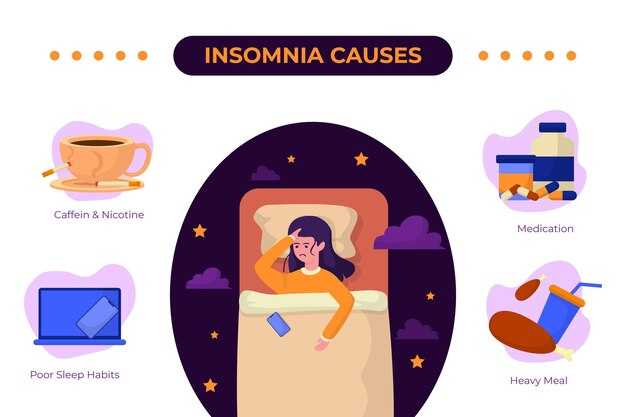 9 Daily Habits Throughout the Day for a Better Night’s Sleep">

Meta-analyses show blue-light exposure delays melatonin by approximately 90 minutes; keeping screens on within 30 minutes before night reduces overnight rest efficiency by up to 15%. Set devices to airplane mode or Do Not Disturb, move chargers out of room, and disable advertising notifications to prevent micro-awakenings.
Primo scheduling tip: concentrate exercise earlier – aim for 150 minutes moderate aerobic activity per week, finished about 3 hours before night. Short yoga or light stretching sessions of 10–20 minutes close to bedtime lower tension and calm mind; avoid heavy lifting within 90 minutes of going to bed. Gentle doing of breathwork for 5 minutes after stretching helps heart-rate drop and speeds relaxation.
Nutrition: avoid heavy lunches late in afternoon; stop caffeine approximately 6 hours before night, and finish large meals at least 3 hours before night. Alcohol isnt a shortcut: one or two drinks may shorten onset latency but fragment overnight recovery; for chronic issues, try 14-day abstinence and track changes with a simple diary. One small thing: limit spicy meals close to bed and avoid late snacks that raise core temperature.
Practical routines: keep room cool (16–19°C), dark under ~10 lux, and quiet; use earplugs or low-volume white-noise when external sounds interrupt rest. For instance, scheduling a 30-minute wind-down about 45 minutes before night works: dim lights, jot down coming tasks to clear mind, practice 6–4–6 breathing, then fare gentle stretching or try a faasm-guided relaxation clip. Avoid checking email or advertising feeds during wind-down; keeping a consistent wake time is one of few simple things that measurably improves overnight recovery.
Daytime routines that prime restorative sleep
Expose eyes to 10–20 minutes of bright sunlight within 30 minutes after waking; randomized trials show advanced melatonin onset by ~30 minutes and up to 20% improvement in afternoon cognitive performance.
Schedule lunch between 12:00–13:30 and a 20–30 minute post-meal walk; this lowers cortisol and improves mood, reducing built-up stress that can keep your mind active later.
Put screens away at least 90 minutes before planned rest and avoid bright screens after 20:00; blue light can affect melatonin secretion and shift rest–wake cycle.
Add morning stretching and short midday mindfulness sets (5–10 minutes) to lower cortisol spikes; neurologist reviews link this to better REM consolidation and clearer dream recall in evening.
Turn routine chores into signals: quick laundry, a clean bedside surface, and a 10-minute tidy session tell your brain that wind-down begins; establish consistent theme around timing and schedule choices so large tasks aren’t built-up near planned rest.
When work intensity fluctuates, split tasks through time-blocking so cognitive peaks happen earlier; a couple of hourly breaks with reading or light flow activities keeps cycle steady across work week and weekends.
If problems persist beyond a couple weeks, know to tell a neurologist; they can guide testing to deal with underlying issues and advise how to handle medication, mood disorders, or circadian misalignment.
Get outdoor light within 30 minutes of waking to set your internal clock
Go outside within 30 minutes after waking: get 10–30 minutes of bright natural light (2,000–10,000 lux) to anchor circadian rhythm and improve sleeping onset.
Daily morning exposure shifts melatonin phase; typical shift ranges 30–90 minutes after 1–3 weeks, often increasing consolidated sleep hours and helping people feel more alert during mid-morning. Pick a consistent wake time, aim exposure within first 30 minutes, and log duration in calendar.
If weather or work prevents outdoor time, use a 10,000-lux light box at eye level while eating breakfast, keeping 30–60 cm distance and limiting direct stare. Keep phones out of immediate space until after exposure, set calendar reminders, coordinate with family routines, and take a quick walk before daycare drop-off or commute to boost impact.
miller trials and reviews cited by verywell report measurable impact on sleep latency and circadian timing; benefits appear even when chronic insomnia exists, though severe cases need clinician contact. This guide simply recommends morning light as baseline strategy – it doesnt require celebrity gadgets or advertising hype; ignore faasm claims and choose clinically tested lamps. Pick a favorite route, favorite jacket, or a short playlist to make adherence easy; small choices will build lasting habits, being consistent increases chance of coming across peaceful, restorative mornings and clearer dream recall.
Incorporate three 5‑minute movement breaks after meals to boost sleep readiness
Start three 5-minute movement breaks after each main meal: walk briskly (80–100 steps/min) for 5 minutes at ~10, 30, 60 minutes after eating; total 15 minutes per meal has been shown to lower postprandial glucose by ~10–20% in pooled analyses and to reduce evening restlessness.
Choose back‑friendly options if mobility is limited: seated marching, heel raises, gentle hip hinge, shoulder rolls, or a wobble board for balance. This routine doesnt require gym access or special equipment; many people use a hallway, kitchen island, or favorite chair. If pain occurs contact someone on your care team before continuing.
Physiology: short post-meal movement speeds gastric emptying modestly, reduces glucose variability, and helps align peripheral metabolism with circadian rhythm. Some trials report reduced sleep onset time by 5–15 minutes and improved perceived sleep quality across multiple nights when short activity follows meals.
Practical plan: set three timers on phone or wearable profiles; pick simple sequences you enjoy so youll stick with choices. Avoid watching screens and bright lights during final 30–60 minutes before bed; limit alcohol within 3 hours of lights‑out. Dont worry about intensity early on – do something that makes you feel slightly breathy but able to hold contact with normal speech.
Behavior tweaks: if living with someone tell them your schedule for privacy and mutual respect; post a note on household board as reminder. Track progress for 2 weeks, then adjust soon if experience is flat. Heres a sample week: after breakfast walk 5 min, after lunch do seated circuit 5 min, after dinner walk 5 min; finally spend 10 minutes stretching in cool room to relax and feel happy with results.
Limit caffeine and stop intake by early afternoon to avoid night disturbances
Stop caffeine intake by 2pm; aim to keep total caffeine below 200 mg after 12pm to reduce night disturbances.
healthcare studies report caffeine half-life averages 5 hrs (range three–seven hrs); practical example: 200 mg at noon → ~100 mg at 5pm → ~50 mg at 10pm, so morning espresso can still affect night rest.
| Beverage | Typical caffeine (mg) | Recommended last intake |
|---|---|---|
| Brewed coffee (8 oz) | 95 | by 2pm |
| Espresso shot | 63 | by 1pm |
| Black tea (8 oz) | 47 | by 3pm |
| Energy drink (12 oz) | 80–160 | avoid after 12pm |
| Dark chocolate (1 oz) | 5–20 | keep to morning servings |
Turn off phone push notifications and advertising from coffee apps; many phones send quick order prompts during a busy afternoon, which makes it easy to fall into extra cups and mess up late hours.
If cravings hit while getting through tasks, try quick swaps: decaf espresso, herbal steeped tea, water with citrus, or stretching breaks; apps such as faasm and lakhan let users log intake and set personalised cutoffs, their alerts prevent impulse top-ups.
Plan kitchen rituals to remove decision friction: designate one mug, clear machine area to avoid mess, prep a protein-rich breakfast so hunger doesnt drive caffeine seeking, and keep a water bottle within access to reduce desire for another coffee.
One brief guide explains common interactions: some medications extend caffeine half-life, older adults may metabolise caffeine slower, pregnant people should limit total intake; discuss specifics with a healthcare provider to get personalised targets.
Small practical deals: batch-brew decaf for afternoons, mute advertising during key hours, block coffee-order apps while commuting, set a seven-day log to spot patterns, and finally adopt a short stretching routine mid-afternoon to arrive at mornings stress-free and with a better sense of control.
Choose balanced meals and avoid heavy late snacks that disrupt digestion
Eat dinner at least 2–3 hours before lights-out; target 350–600 kcal with 30–40 g protein, 20–50 g low-GI carbs and under 15 g saturated fat.
- Quick plate template: palm-size protein (100–120 g), fist-size vegetables (1–2 cups), cupped-hand starch (½ cup cooked), drizzle 1 tbsp healthy fat – this load keeps gastric emptying steady.
- Esempi di pasti con calorie e macronutrienti: 300 kcal – 100 g di salmone grigliato (22 g di proteine), ½ tazza di quinoa (20 g di carboidrati), 1 tazza di verdure al vapore; 420 kcal – stufato di lenticchie (18 g di proteine), insalata mista con 1 cucchiaio di olio d'oliva (12 g di grassi), piccola patata dolce.
- Strategia per la fame notturna quando si dorme < 90 min: scegli snack ricchi di proteine ≤150 kcal (yogurt greco 100 g, 10 g di siero di latte o 1 uovo sodo) per limitare il reflusso e i risvegli notturni.
Regole e tempistiche specifiche:
- Innanzitutto, programma il pasto principale 2-3 ore prima dello spegnimento delle luci; se necessario, è consentito uno spuntino leggero 60-90 minuti prima di dormire.
- Evitare pasti pesanti e ricchi di grassi dopo le 20:00–21:00 se si va a letto entro 3 ore; l'alto contenuto di grassi ritarda lo svuotamento gastrico di circa 2–4 ore e aumenta il rischio di reflusso.
- Limitare l'assunzione di alcol a 0-1 unità alcoliche standard la sera; l'alcol frammenta la fase REM e rilassa lo sfintere esofageo inferiore.
- Se si assumono farmaci che rallentano lo svuotamento gastrico (oppioidi, anticolinergici, agonisti del recettore GLP‑1), consultare il medico curante in merito ai tempi dei pasti e agli aggiustamenti della dose.
Preparazione pratica che funziona nella vita frenetica:
- Pianifica menu settimanali includendo 3 cene pronte e 2 opzioni veloci riscaldabili; scrivi una lista della spesa con le dimensioni delle porzioni in modo che la preparazione del piatto richieda 10–20 minuti.
- Consigli per il meal-prep: cucina in grandi quantità proteine magre e verdure arrosto la domenica, conserva in contenitori ermetici puliti, scalda delicatamente per mantenere la consistenza.
- Mantieni una zona dedicata all'alimentazione senza stress, con privacy e distrazioni ridotte al minimo; mastica lentamente (20–30 volte per boccone) per migliorare la digestione e ridurre il carico sull'intestino.
Dettagli comportamentali che influenzano i risultati:
- Evita schermi 30–60 minuti dopo cena per ridurre l'impatto della luce blu sui segnali circadiani e per prevenire un'alimentazione frettolosa.
- Quando si vive in spazi condivisi, condividete un piano pasti con i coinquilini in modo che l'accesso alla cucina rimanga agevole e la privacy durante la cena rimanga intatta.
- Se le serate impegnative portano a spuntini tardivi, stabilisci una semplice regola: niente pasti >400 kcal nei 90 minuti prima di spegnere le luci; questo ridurrà gli episodi di reflusso e migliorerà il riposo notturno.
Piccoli extra che offrono vantaggi misurabili:
- Includi alimenti fermentati (yogurt, kefir, crauti) due volte a settimana per supportare la digestione; evita cibi piccanti e fritti pesanti a tarda notte.
- Assicurati che l'assunzione di acqua rimanga moderata durante i pasti serali; un elevato carico di liquidi poco prima di andare a letto può aumentare i risvegli notturni.
- Piano per la fame notturna: 1) scegli uno snack proteico ≤150 kcal, 2) siediti e mangia lentamente, 3) evita schermi e alcolici dopo.
Note per la personalizzazione:
- Ciò che funziona varia da persona a persona; monitora per 7 notti l'orario dei pasti e la qualità del sonno, poi modifica le dimensioni delle porzioni o l'orario a incrementi di 15–30 minuti.
- In caso di reflusso o gonfiore persistente, gestire i sintomi con il medico curante; piccole modifiche al contenuto di grassi o alle spezie spesso riducono gli episodi.
- Idee per insaporire: aggiungere erbe aromatiche come strother o basilico, provare con parsimonia la miscela di spezie ozlo e/o sostituire i cereali per ridurre la risposta glicemica.
Semplifica i cambiamenti: pianifica, prepara, tieni pulita la cucina, proteggi la privacy durante la cena, concediti una routine rilassante e sogna un riposo costante e rigenerante.
Stabilire una fase di rilassamento serale di 60 minuti: luci soffuse, niente schermi e attività rilassanti
Inizia un periodo di rilassamento di 60 minuti esattamente 60 minuti prima di andare a letto: abbassa le luci a circa 30–50 lux, termina presto l'accesso agli schermi e scegli attività calme e a basso arousal che riducano la frequenza cardiaca e la respirazione.
- Illuminazione: impostare le lampade da camera da letto a ~30 lux; le lampadine ambrate o rosse riducono la soppressione della melatonina. Le lampade da comodino Ozlo e le lampadine a basso consumo funzionano in molte stanze. Apparecchi luminosi a soffitto portano a un ritardo nell'addormentamento; la ricerca ha dimostrato che la riduzione della luce migliora la velocità di addormentamento.
- Schermi: interrompere l'accesso a qualsiasi schermo circa 60 minuti prima di andare a letto. Miller raccomanda di disabilitare le notifiche push, utilizzare le modalità notturne in anticipo e posizionare i dispositivi fuori portata per evitare la tentazione di un contatto tardivo con il lavoro o i social media.
- Mix di attività: includere lettura tranquilla, stretching leggero, rilassamento muscolare progressivo o musica ambient a basso volume. Una meditazione guidata di 10-15 minuti più 10 minuti di stretching leggero spesso riduce la tensione e lo stress percepito.
- Gestione dei pensieri: se i pensieri che si rincorrono ti bloccano, annotali su un foglio e posiziona quel foglio fuori dalla camera da letto; questo semplice accorgimento riduce le elucubrazioni notturne e rende le mattine più facili. È stato dimostrato che l'offloading cognitivo riduce le preoccupazioni notturne.
- Esercizio di respirazione: se sei sveglio a letto, utilizza un ciclo di respirazione 4‑4‑4 (inspira per 4 secondi, trattieni per 4 secondi, espira per 4 secondi) per 5–10 minuti per rallentare la frequenza cardiaca e alleviare la tensione. Brevi esercizi di respirazione ritmata portano a misurabili cali della variabilità della frequenza cardiaca collegati alla calma.
- Limiti di contatto: limita l'accesso tardivo a e-mail e messaggi; imposta una risposta automatica che indica una risposta limitata fino al mattino. Un contatto serale ridotto riduce lo stress che altrimenti comprometterebbe le prestazioni del giorno successivo.
- Environment: keep bedroom temperature cool, bedding comfortable, and light sources limited. Create a small sleep‑only space by removing work items and charging stations to help your mind associate room with peaceful rest.
- Timing details: plan wind‑down to end roughly 10–15 minutes before bedtime so youre not rushing into bed awake. Approximately 60 minutes gives enough time to shift from high arousal to calm without making routine feel long or tough to maintain.
- Practical rule: many people find consistent wind‑down leads to quicker sleep onset, fewer night awakenings, and better morning alertness. Research shown across age groups links consistent pre‑bed routines with improved next‑day cognitive performance.
Keep adjustments limited and track outcomes across seven mornings: note sleep latency, number of awakenings, morning mood, and daytime performance. Small changes here often lead to sizable gains in sleep quality without major lifestyle overhaul.
Don’t Bring Stress to Bed: 8 quick do‑nots to keep calm before sleep

Do not bring work devices into bedroom; leave phone in another room 30 minutes before bed to cut blue light and notifications – youll wake more easily if device stays away.
Do not handle emails or editorial contact within 60 minutes of bed; they trigger rumination. People have measured heart‑rate increases after such contact; for instance average HR rises 5–7 bpm.
Do not eat heavy meals within 2 hours of bed; reflux risk may increase threefold and digestion can disturb REM cycles. If possible choose light protein snack under 250 kcal. Many people experience heartburn; pick portion sizes that are right for you.
Do not do high‑intensity running or weight sets within 90 minutes of bed; while intense training raises core temp and arousal. A couple of gentle stretches or breathing cycles works better; you should focus on 4‑4‑8 breathing.
Do not lie awake replaying tasks; spend 10 minutes on a personalised worry list and assign one action per item. One thing: measure worry intensity 1–10; this provides cognitive closure and meaning, so youll be able to wind into rest.
Do not consume caffeine after mid‑afternoon; they can remain active up to 8 hours, so people report less alertness and less happy mornings when timing is wrong.
Do not carry unresolved arguments into bed; have a calm debrief for a couple minutes away from bed to handle immediate tension. Although this will not fix every issue, it reduces cortisol spikes.
Do not let bedroom temperature swing widely; keep thermostat at 16–19°C and measure with simple thermometer. Right thermal range provides faster onset by average 12–15 minutes; where possible use lightweight bedding that keeps you comfortable. Important: pick breathable fibres and avoid heavy duvets when room temp rises.
 25 Self-Reflection Questions – Why Introspection Is Important">
 9 Stereotipi Relazionali Comuni Che Normalizziamo—e Perché Non Lo Sono">
 10 Modi Pratici per Gestire il Sentimento di Esclusione">
 50 Positive What-If Questions to Stop Your Mind from Spiraling">
 25 Citazioni d'amore sentite per esprimere le tue emozioni più profonde">
 Svelare la biologia alla base del Disturbo Affettivo Stagionale">
 Financial Infidelity – How Hidden Money Lies Fuel Anxiety and Distrust – More Harmful Than an Affair">
 Perdono e Recupero della Salute Mentale – Percorsi verso la Guarigione e la Resilienza">
 Friday Fix – 7 Modi Basati sulla Scienza per Liberare la Potenza della Tua Mente a Beneficio del Tuo Corpo">
 Perché Celebrare le Piccole Vittorie Importa – Aumenta Motivazione e Slancio">


