

 Italian
  English
  Russian
  French
  German
  Spanish
  Polish
  Ukrainian
  Turkish
  Portuguese
  Greek
Greek  Arabic
  Korean
  Chinese
  Japanese
  Czech
Czech 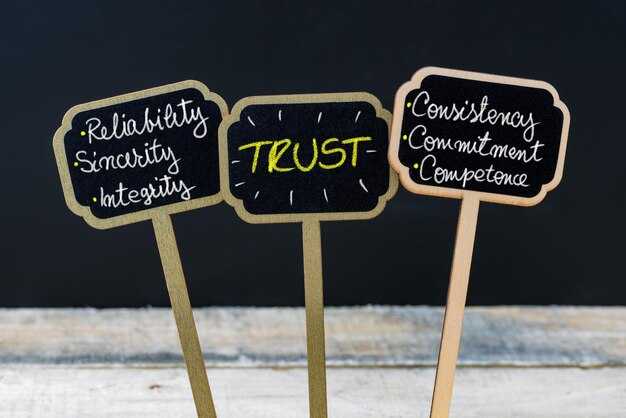 6 Proven Ways to Make a Great First Impression">

Inizia con una stretta di mano decisa di due secondi, braccia aperte e voce ferma; sondaggi controllati mostrano che questa combinazione aumenta le valutazioni favorevoli di circa il 20-30% nelle presentazioni aziendali.
Preparare tre concise affermazioni in stile elenco puntato sui risultati misurabili, piccole, specifiche metriche come la percentuale di fatturato, il tempo risparmiato o il numero di dipendenti, ognuno in meno di 20 parole, e integrali in una risposta alla prima domanda che ricevi; i numeri brevi rendono le affermazioni credibili.
Usa una domanda amichevole e attenta per invitare un'altra persona a parlare: farlo in modo naturale sposta l'equilibrio e aumenta le tue possibilità di un follow-up. In genere, chi riceve un invito sincero condivide un dettaglio in più ed è più propenso a offrire una raccomandazione.
Esercitati nel ritmo e nel tono in modo che la tua voce si adatti al contenuto: se vuoi davvero sottolineare un risultato, evidenzialo con un volume leggermente più alto per due battiti, quindi torna al neutro. Se sei stato teso, respira profondamente e ripeti la frase chiave finché la consegna non ti sembrerà naturale e autenticamente tua.
Ricorda di allineare il linguaggio del corpo con le parole: sciogliere le braccia incrociate, mantenere 2–3 secondi di contatto visivo, sorridi brevemente e inclina leggermente il busto in avanti; questi piccoli aggiustamenti fanno sì che tutto ciò che dici sembri coerente. Ecco una breve checklist da seguire prima di qualsiasi riunione.
Adatta la tua postura alla situazione: una rapida checklist di cosa fare/non fare
Adotta una postura eretta e aperta durante i colloqui e le presentazioni: piedi ben piantati, colonna vertebrale neutra, mento al livello e spalle indietro: questo dimostra un coinvolgimento attivo e segnala un’intenzione responsabile che indica che sei interessato all’argomento.
Do
- Mantenere il contatto visivo per il 50–70% del tempo di conversazione; distogliere lo sguardo brevemente per evitare di fissare, quindi tornare alla stessa persona per identificare chi è impegnato.
- Inclinati in avanti di 5–10° quando qualcuno pone una domanda o quando gli argomenti richiedono concentrazione; questo piccolo spostamento comunica interesse senza invadere lo spazio personale.
- Mantenere le mani ben visibili e rilassate; appoggiare gli avambracci sul tavolo quando si discutono dettagli specifici, ma togliere le mani dal tavolo durante contenuti delicati o emotivi per evitare di sembrare eccessivamente prepotenti.
- Siediti con i piedi piatti e le ginocchia a circa 90° in ambienti pubblici; in piedi, distribuisci il peso in modo uniforme ed evita di bloccare le ginocchia per non sembrare stanco o disinteressato.
- Specchia sottilmente la postura (5–10% della posizione dell'altra persona) quando si ha uno scambio informale: il mirroring di un oratore può aumentare l'intesa, pur tenendo conto delle differenze culturali.
- Esegui un rapido controllo della postura dopo una pausa: dopo aver controllato il telefono o gli appunti, torna in posizione eretta entro 5 secondi per evitare di apparire distratto.
- Allinea l'abbigliamento e la cura personale al contesto: aspettative posturali più formali accompagnano un abbigliamento più formale; un allineamento scadente con l'abbigliamento riduce la percezione di professionalità da parte degli osservatori.
- Prepara una checklist educativa prima dei discorsi pubblici: prova in piedi la posizione, i gesti e un posizionamento naturale della mano per i primi 60 secondi per ridurre un fenomeno nervoso di agitazione.
- Follow-up: registra un clip di 30–60 secondi di te stesso e rivedilo entro 24 ore per identificare abitudini posturali ripetute e correggerle.
Non
- Non incurvarti o arricciare le spalle verso l'interno; incurvarsi segnala disimpegno e può essere interpretato come scarso interesse per la conversazione o il compito.
- Evitare di incrociare le braccia strettamente per lunghi periodi: questo può far sembrare chiusi e suggerire che siate sulla difensiva o disinteressati a un ulteriore scambio di battute.
- Non indicare o lanciare frecciatine mentre si parla; i gesti aggressivi sminuiscono la collaborazione e possono minare la responsabilità e il lavoro di squadra.
- Non librarsi o appoggiarsi sopra una persona seduta a un tavolo; si invade lo spazio e si diminuisce il rispetto percepito per il confine di qualcuno.
- Evita eccessivi movimenti nervosi o controlli del telefono durante le riunioni; troppo movimento distrae dalle argomentazioni e segnala scarsa attenzione.
- Evita una rigidità eccessiva quando rispondi a una domanda: una postura immobile può essere interpretata come mancanza di sicurezza o una risposta preconfezionata.
- Non copiare esattamente qualcuno; imitare ciò è troppo evidente e può sembrare insincero verso l'altra persona o il gruppo.
Controllo rapido: prima di qualsiasi riunione, individua il contesto (intervista, incontro one-on-one, panel, discorso pubblico), seleziona una postura di riferimento e mettila in pratica per 2 minuti mentre parli attraverso tre argomenti principali: questo riduce gli errori posturali comuni e produce un miglioramento significativo e tracciabile.
Gestisci il contatto visivo: tempistiche e segnali direzionali per costruire un rapporto di fiducia

Mantieni il contatto visivo in cicli di 3–5 secondi durante i saluti: 3–5 secondi di sguardo fisso, una pausa di 1–2 secondi, quindi ristabilisci; durante una stretta di mano, fai una rapida occhiata di 1 secondo alla mano seguita da 3–4 secondi agli occhi – stai segnalando attenzione e sicurezza.
Linee guida sui tempi
| Contesto | Hold | Break | Indizio direzionale |
|---|---|---|---|
| Stretta di mano / incontro | 3–4 secondi | 1 secondo (guarda l'orologio) | guarda negli occhi, leggero cenno |
| Chat uno a uno | 3–5 secondi | 1–2 secondi | gradiente di spostamento tra occhi e bocca |
| Intervista / formale | 4–6 secondi | 1–2 secondi | tenere leggermente più a lungo sui momenti chiave |
| Piccolo gruppo | 2–3 secondi per persona | quick sweep 0.5–1s | sweep directionally around the circle |
Tend to reduce gaze if you see visible discomfort; avoid completely fixed stare. Signal your interests with a brief eyebrow raise during important moments (200–400 ms). When changing targets, include a 200–500 ms transitional glance to prevent crossing cues and to preserve continuity.
Directional cues & practice
Align eye movements with open posture: facing the other person, shoulders uncrossed, reduces mixed signals and the feeling of threat. Crossing arms while sustaining eye contact decreases chances the listener will appreciate your openness; slight head tilt or small smile can offer warmth without increasing stare time.
Use a simple technique to train: 30-second roleplays recorded on video, getting peer feedback, then review clips; technique reviewed by others improves accuracy. Short drills (10 reps of 3–5s holds) increase the probability you’ll arrive calm at real meetings. Psychol evidence reviewed by teams shows grad decreases in perceived threat after 4–6 seconds; practice is responsible for shifting that perception.
If youre worried about overdoing it, start conservative: 3-second holds for introductions, quick breaks, then extend during rapport-building moments. Small adaptations might double your chances that persons will appreciate your attention and feel comfortable around you.
Introduce yourself in one clear sentence: templates for different contexts

Introduce yourself in 8–12 words, delivered in 12–20 seconds, stating your name, role and one measurable outcome; smile for 1–2 seconds before speaking – that small sign of calm shapes initial impressions and is the best possible reset for any setting.
Networking: “Hi, I’m [Name], I help SaaS founders cut churn 20% – I come to this occasion to start short conversations with those whom I can help and to learn what metric matters most to you.”
Interview: “Hello, I’m [Name], a data analyst who raised customer satisfaction ratings by 10% – knowing the hiring manager’s priorities allows me to highlight the skills most helpful for this role.”
Team meeting: “I’m [Name], UX lead who reduced onboarding time 30% across many flows and settings – I’m here to hear each stakeholder’s view and apply empathy to practical trade-offs.”
Conference: “Hi, I’m [Name], privacy researcher focused on API safety; I turn brief comments into concrete steps and invite you to introduce yourself afterwards so we can move ideas into immediate action.”
Social event: “I’m [Name], a friend of Alex – I listen before speaking, smile while I introduce myself, and treat quick stories as a light way to find common ground with whom I’m meeting.”
Email opener: “Hi [Name], I’m [Name], [role] – brief note with one idea attached whenever you have time; happy to expand on any comments and follow up again if helpful.”
Volunteer/mentor: “Hello, I’m [Name], volunteer mentor for junior engineers – I focus on practical feedback that improves ratings on code reviews faster than generic advice and treat each session as an opportunity to build empathy and durable skills.”
Choose a role-appropriate outfit: 2-minute inspection before you step in
Before you step in, perform a strict 120‑second outfit check with a timer and follow this timed checklist.
0–60 seconds: anchor items
0–10s – shoes: inspect scuffs, heel wear (>2mm) and sole separation; polish or swap shoes if any defect is visible. 10–20s – socks/nylons: match color to trousers and confirm no runs. 20–30s – hem and trouser break: ensure one clean line, no bunching; if hem hangs unevenly then tighten belt or change. 30–40s – shirt/blouse: collar lies flat, buttons aligned and top button behaviour checked; a spreading collar is a sign of poor fit. 40–50s – jacket/blazer: shoulder seam aligned with bone and sleeve shows ~½ in shirt cuff. 50–60s – zipper, belt, visible stitching: fasten and replace a missing button; if you spot stains, change them immediately.
60–120 seconds: detail polish that shapes perception
60–75s – accessories: one minimal watch or token; remove anything that jingles or might snag the team. 75–85s – grooming: hair tucked, facial hair trimmed, nails clean; if youre wont to touch your face, pin hair back to avoid fidgeting. 85–95s – scent: avoid strong fragrances – whats pleasant to you wont be pleasant to every colleague. 95–105s – posture and smile: stand forward, shoulders back, breathe; rehearse a 3-second friendly greeting so your tone wont seem rehearsed. 105–115s – pockets and phone: check every pocket, clear bulky items, put phone on silent and out of sight to avoid an awkward judgment call during intros. 115–120s – mental run-through: remind yourself of manners, whom you will greet first and a concise follow-up line; keeping that script short makes you easy to approach.
Match cut and color to the role: client-facing or senior roles benefit from structured cuts and muted tones that exude authority; creative roles tend toward softer lines and warmer accents to seem approachable. The halo effect means one neat detail can lift someones overall perception, but a single glaring flaw will draw attention forward, so swap or repair then and there. источник: internal hiring audit Q2 2024.
Manners combined with a tidy outfit reduce negative judgment and increase the chance colleagues are impressed and follow-up; teams will tend to assign responsibility faster to those who exude confidence and stay mindful during introductions.
Calibrate your vocal tone: simple exercises for warmth and clarity
Do this routine for 10 minutes daily: 2 minutes diaphragmatic breathing (inhale 4s, hold 4s, exhale 8s ×6), 4 minutes resonance work (lip trill glides low→high 6 reps, hum “mm” forward on /m/ for 30s), 4 minutes articulation and phrasing (12 rapid tongue-twister repetitions, then read a 60‑second script at target rate).
Measure your targets: speak rate 140–160 words per minute, average SPL ~62–68 dB at 1 m, pitch variability ±3 semitones from your median. If readings fall outside that band, adjust: add 2 extra minutes of lip trills to increase breath support, or 3 downward pitch slides to add warmth without strain.
To avoid up‑speak that sounds like interrogation, practice terminal fall on 60 sentences: end each sentence with a deliberate 150–250 ms downward cadence. Record and compare waveforms weekly; establish a stable downward slope on at least 80% of endings within three weeks.
Warmth comes from resonance placement, not breathiness: place vibration into the facial mask by humming while feeling vibration on the bridge of the nose and cheeks. If students report nasal blockage, switch to an open‑mouth “ng→ah” glide to shift resonance within the oral cavity.
Clarity comes from consonant precision and micro‑pauses: aim for 95% consonant audibility on recordings by exaggerating sibilants and plosives for practice (5 sets of 20 sibilant drills). Insert 200–300 ms pauses at punctuation to let listeners process and respond.
Use a single 60‑second personal script for practice and sharing; repeat the same script daily to track improvement. After two weeks, offer a short alternate line to gauge adaptability – if theyre slower to respond, slow your rate by 5–10% and re-record.
Reduce vocal stress by adding a 90‑second progressive jaw and neck release before speaking: 6 slow jaw circles, 6 neck side stretches each side. If voice feels tight after stress, rest 15 minutes and repeat two gentle hum glides before returning to speaking.
Non‑vocal signals affect perceived warmth: attire and posture create a halo that influences listener attitude. Polished, conservative attire typically raises perceived credibility; a small personal detail (a pocket square or lapel pin) can offer a friendly anchor that feels genuine while you calibrate tone.
Practice plan: log sessions, record weekly, and set numeric goals (SPL, wpm, semitone range). After 30 days of using this plan 6–7×/week, expect measurable improvements in warmth and clarity; famous public speakers often reach stable vocal parameters within 3–8 weeks when they consistently practice these drills.
Pick one subtle gesture to anchor your presence and practice it
Choose a single subtle gesture – a steady 4–6 second eye contact, a small, deliberate nod, or a hand-to-heart touch – and repeat it until it becomes lasting; this reduces uncertainty and creates a reliable cue others remember.
Practice protocol: 5 minutes daily for 14 consecutive days, 10 purposeful repetitions per practice, record two 60‑second clips weekly and have them reviewed by a peer; a communications specialist says consistent, reviewed practice converts conscious action into habit. While practicing, simulate real contexts: attend a short meeting, rehearse a one‑minute intro, then watch the recording and log three concrete changes learned each week. Whenever anxiety spikes, use a neutral excuse to step aside for 30 seconds and reset breathing and posture.
Application rules: avoid a limp handshake and gestures that seem exaggerated; if a gesture doesnt feel natural, change it within 48 hours. Maintain the cue for 8–12 seconds when you enter a conversation, then release to avoid appearing staged. Solicit comments from three trusted colleagues; prioritize specific feedback over vague praise. The fact you practiced with deliberate metrics increases perceived value; think of clothing as silent support–clean lines and appropriate color choices amplify a brief gesture. If you feel uncomfortable, reduce intensity, practice more, and retain a measured optimism in expression so others see confidence rather than strain.
 Why Male Friendships Matter – Benefits for Men’s Health">
 How to Actually Make Money as a Sugar Baby – Real Tips & Safety">
 3 Reasons You Haven’t Found the Right Man Yet — How to Fix It">
 21 Things to Try Before Giving Up on Relationships | Practical Tips to Save Your Relationship">
 Mi sono unita alla sorellanza delle donne divorziate – più felice e liberata">
 9 Months Together – Why Won’t My Boyfriend Say I Love You?">
 Why You’re Attracted to the Wrong Guys and How to Fix It">
 26 Brilliant Third Date Ideas to Keep Things Spicy">
 Toxic Masculinity Explained – Meaning, Origins & Is the Term Useful or Harmful?">
 5 Proven Ways to Pull a Man Back When He’s Slipping Away">


