

 Italian
  English
  Russian
  French
  German
  Spanish
  Polish
  Ukrainian
  Turkish
  Portuguese
  Greek
Greek  Arabic
  Korean
  Chinese
  Japanese
  Czech
Czech  369 Method – How to Manifest Your Goals — Step-by-Step Guide">

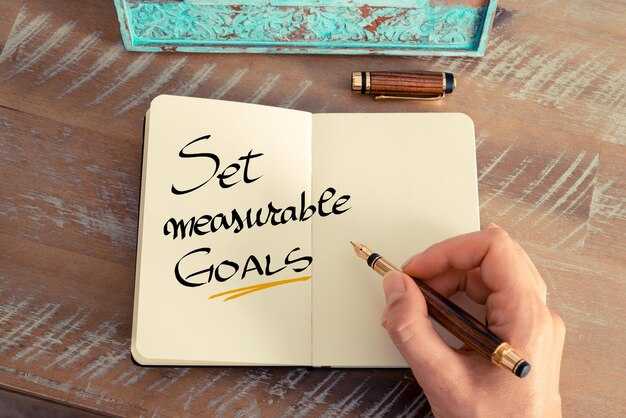
Use the 3-6-9 method today: write one concise, present-tense goal sentence 3 times in the morning, 6 times midday and 9 times in the evening for a 33-day cycle. That schedule equals 18 written repeats per day and 594 repeated entries over a full 33-day run, which gives you a measurable baseline for getting consistent results.
State the goal in precise terms: name the outcome, include a measurable detail, and keep the sentence under 12 words so your mind can hold it clearly. After each set, close your eyes and imagine the scene for 30–60 seconds – notice what your body does (breath pattern, posture) and let any resistance appear without forcing it. If handwriting feels awkward, substitute typing or a short voice memo; the method succeeds when the statement becomes a repeated signal, not when the format is perfect.
Place a dedicated notebook at home, set three daily reminders, and combine the writing with one concrete action tied to the goal (for example, a 10-minute task). A person trying multiple objectives should narrow to one primary mission for a 33-day block; similar goals split attention and reduce momentum. Expect it to feel funny at first – small rituals shift automatic responses and soon the idea will become part of your daily decisions.
Track outcomes in exact terms: dates, actions taken, and any changes in relationships or schedule that happen while you practice. Allow short reviews every 7 days and adjust wording if the sentence no longer fits the result you want. Use this routine as an anchor: the repeated writing primes attention, the quick visualization engages emotion, and the paired action moves results into reality.
Visualization: Precise Daily Practice
Do three focused visualization sessions every day: 3 minutes on waking, 6 minutes mid-afternoon, 9 minutes before sleep.
Sit comfortable, silence distractions and set phone alarms to avoid clock-watching; close your eyes and do three breath cycles (inhale 4s, hold 3s, exhale 6s) before you begin.
Structure each session: pick one concrete scene that shows your goal already achieved, include exactly three sensory details (visual, auditory, tactile), and hold that scene for the full interval. Start with a short affirmation and repeat it silently every 60 seconds, keeping the image stable and repeated rather than drifting.
Treat visualization like watering a plant: small daily inputs accumulate. Log each session with date, duration, dominant emotion, clarity score 1–10 and the specific aspirations you pictured. If clarity averages below 7 after two weeks, refine the scene to include clearer outcomes and measurable steps to reduce frustration.
If youve only a few spare minutes, play the final 60 seconds of your evening scene instead of skipping; thats better than unfocused daydreaming, which drifts and fails to imprint the subconscious.
Build the practice into a habit by pairing sessions with existing routines: after brushing teeth for the morning 3-minute, after lunch for the 6-minute, before lights-out for the 9-minute. Use alarms and calendar blocks to stay consistent; mark sessions done and move on without self-criticism.
When resistance appears, treat it as information: note what triggered it, document what you know about the limiting thought, and schedule a 10-minute reflection or therapy session if patterns persist. Constantly review weekly logs, adjust scenes, and apply repeated practice with clear numeric targets so your subconscious receives actionable instructions.
Craft one clear outcome statement to visualize – what exact result will you picture?
Create one concise, affirming outcome statement you can say and visualize in under one minute.
-
Write a single short phrase in present tense that names the exact result – the idea must be specific and telling (who, what, where, when). Example structure: “I [action] [result] on [date/place] while feeling [feeling].”
-
Add sensory details to shape visualizations and feelings: what you see, hear, smell, and how your body reacts. Those sensory cues make the image stick and begin shaping real responses in your nervous system.
-
Keep it intentional and concise: one sentence that begins with “I” works best. A concise phrase takes less mental energy and stays usable during repeated practice.
-
Practice for one minute twice daily. Scientific evidence shows repeated rehearsal strengthens neural pathways and helps reprogram automatic thoughts; trust the process and track progress weekly.
-
Choose a small, funny anchor you can carry – a gesture, smell, or word – that acts as a quick reminding cue when you need to re-enter the visualization during the day.
-
Make the wording affirming and free of doubt or negative telling pieces; phrasing like “I am” or “I have” aligns feelings with the image and supports experiencing the result emotionally.
-
When resistance appears, pause for a minute, breathe, repeat the phrase aloud, and allow the visualization to reframe the belief behind the doubt; this takes patience but strengthens the pattern.
Esempi che puoi adattare:
-
Good: “I sign the client contract for Project Atlas at 10:00 AM on June 14, smiling and shaking hands with clear confidence.” – concise, sensory, exact.
-
Poor: “I want a big deal sometime soon.” – vague, future-tense, hard to visualize or carry through the day.
Keep a one-line log: write the phrase, note one feeling you experienced after each practice, and change one word if the image doesn’t stick. This small habit reprograms expectation, opens new mental routes, and makes the statement an active tool you trust and use.
Build a 45–90 second mental scene with a start, peak, and end – how to structure the clip?
Make the clip 45–90 seconds and split it into three timed beats: first 15–25 seconds for setup, 20–40 seconds for the peak, and 10–25 seconds for resolution; give each beat a clear sensory anchor and mark the end of each beat with a brief breath or physical cue as a reminder.
For the setup, show where you are, who you’re with, and one simple action you made that matters – use concrete sights, sounds, and a single tactile cue so the feeling registers without becoming tense; psychology favors short, specific contexts because they reduce scattered thinking and shrink perceived limitations.
At the peak, amplify one emotional state: joy, confidence, relief. Lean into the power of posture and facial expression in your imagination, let the motivation feel very immediate, and pass through vivid sensory detail for 10–20 seconds so the positivity imprints; anchor that state with a word or tiny motion you can repeat throughout the day to stay motivated and improving.
End the clip with a compact resolution: a small win, a next step, and a verbal cue that counters doubt – avoid telling yourself “I cant” and instead use a corrective phrase that addresses the practical aspect you want to change; once you close with a realistic outcome, your brain stores a doable path rather than an abstract wish, creating balance between aspiration and action.
Practice protocol: do this clip as a focused 45–90 second exercise twice each period you choose (morning and evening work well), repeat the same scene for three consecutive days to make it feel familiar, and always pair the clip with a short real-world action so doing the visualization translates to measurable progress; think of each repetition as a step that strengthens the state and keeps motivation alive.
Select five sensory anchors and one emotion to focus on – which details make the scene believable?
Pick five specific sensory anchors and one emotion now: a precise visual color or object, a distinct sound, a scent, a tactile sensation tied to your breath, and a taste; choose excitement as the single emotional anchor and use it consistently while visualizing the scene.
Visual anchor: picture an exact object and lighting – for example, a matte navy notebook (HEX #0b2545) open on a wooden table with sunlight hitting its top-right corner at a 45° angle. Sound anchor: name the sound (low-voice applause, page turns, a single phrase someone says) and set volume and tempo (soft, 40–50 dB, 2 seconds). Smell anchor: use a specific scent (fresh espresso with a faint vanilla pod note). Tactile anchor: use breath as a bodily cue – feel the diaphragm expand for three counts, then a two-count release while your fingertips press the notebook edge. Taste anchor: choose a concrete flavor (salted caramel on the tongue) and rehearse it for two seconds each repetition. These precise data points increase the brain’s pattern-match chances and make the picture feel possible rather than vague.
Apply the 3-6-9 routine to lock the scene into habit: write a single-sentence scene statement 3 times in the morning, read it aloud 6 times in the afternoon, and visualize it for 9 deep breaths before bed. Mark a checkbox when done; the visible streak helps maintain momentum and keeps you motivated on days thinking gets noisy or toxic. Thats a simple loop that turns visualizing into measurable practice.
Use personal specificity in every anchor. If Attiya imagines a book signing, she names the exact chair color, counts the number of people within a 3-meter radius, remembers the handshake pressure, and recalls the smell of the venue’s candles. That core personal detail distinguishes a believable scene from a generic one and raises the likelihood it manifests because your mind treats it as reachable, not hypothetical.
Avoid neglecting contrast: include one small sensory discord (a steady hum of an air vent, a slight chill on the left wrist) so the scene feels realistic, not overly polished. Log which sensory detail produces the strongest emotional spike; that data shows which anchor truly fuels excitement and creativity. Shift or replace anchors if one becomes stale – flexibility and resilience in choice improve long-term adherence.
Practice sessions should be brief and scheduled somewhere reliable. Five minutes per session, three times daily, increases overall chances of reaching fruition more than a single long session. Track outcomes (mood, action taken, small wins) and adjust anchors when results plateau. Focused sensory detail plus steady habit lets the 3-6-9 method do what it does best: it trains attention so intention more frequently manifests into concrete action and done results.
Pair visualization with your 3-6-9 writing slots – when to do each session for consistency?
Visualize immediately before each 3‑6‑9 writing slot: 2–3 minutes before the 3-slot, 4–6 minutes before the 6-slot, and 7–10 minutes before the 9-slot – this absolutely anchors expectation and makes the subsequent writing concise and purposeful.
If you must rush, still take at least 60 seconds of focused sensory imagery; little consistent practice outperforms occasional long sessions. Generally place the three daily slots where your physiology supports the goal: morning (shortly after waking) for clarity and planning, early afternoon for momentum and producing action steps, and evening for emotional conditioning and recovery.
Do visualization before writing to prime the internal locus of control and improve communication between intention and language; visualization activates the same neural state that writing uses, so your words follow faster. Research says short pre-writing imagery reduces start-up friction and changes output quality when practiced regularly.
| Slot | Visualize (duration) | Primary focus | Example clock window |
|---|---|---|---|
| 3-slot | 2–3 min | Clear outcome + sensory cue | 06:30–07:00 (wake) |
| 6-slot | 4–6 min | Action steps + obstacle rehearsal | 13:00–15:00 (post-lunch) |
| 9-slot | 7–10 min | Emotional closure + gratitude | 20:00–22:00 (pre-sleep) |
Build habit by fixing clock times and incorporating visualization into an existing trigger (brush teeth, make tea). Conditioning forms faster when the cue repeats: practice at the same minute each day, track simple metrics (words per slot, emotional rating), and note weekly changes rather than daily noise.
Practical tweaks: set phone alarms, try different ways to cue sessions, and treat short visualization bursts like charging teslas–small top-ups compound. Those who add one controlled breath and a concise sensory anchor reach the target state faster and report better focus.
Be aware of downsides: forced imagery or long sessions when tired reduces quality and slows recovery. If negative thoughts appear, avoid denying them; label them briefly, then switch to a thankful micro-image. A funny three-second smile before visualizing reduces tension and activates positive expectation without producing false confidence.
Use measurable rules: only change one variable per week (time, length, or focus), record outcomes, and incorporate the best-performing tweak. Regularly applied, this protocol produces little daily improvements that compound into surprisingly magical results.
Record small indicators of progress and tweak scenes weekly – what to measure and when to adjust?
Track three daily micro-signals and review them weekly: emotional state (0–10), one measurable behavior count, and one external signal that shows movement toward the goal.
- What to measure – clear, actionable items:
- Emotional state: rate your mood and confidence 0–10 each morning and evening; note the word that best describes the feeling.
- Behavior count: log repetitions of the targeted action (minutes meditated, pages written, outreach calls) – keep raw numbers.
- External signal: capture one objective result (reply, sale, step forward) or synchronicity that aligns with your picture.
- Intensity of belief: write a quick sentence about how true the promise feels on a scale 0–10; record whether you can say affirmations aloud without resistance.
- Energy/physical cue: note sleep quality, appetite, or muscle tension as fine indicators of readiness and willingness.
- How often and how to record:
- Daily: three quick lines in a dedicated log – date, three signals, one short note about what felt different.
- Weekly review (same time, same place): study the seven entries, calculate averages, and mark trends up/down or flat.
- Quantify change: use at least a 10% shift or a 1-point move on the 0–10 scales as a meaningful signal to keep the scene.
- When to adjust scenes – specific trigger rules:
- If averages are flat for two consecutive weeks, change one scene element (words, sensory detail, timing) and run that for one week.
- If emotional state drops by 2+ points after a tweak, roll back to the previous scene and try a smaller change.
- If behavior count increases but external signal lags, add one grounded action step per day (call, send, create) until alignment returns.
- If affirmations feel hollow when spoken aloud, simplify phrasing so statements directly reflect what you can believe and do now.
- How to tweak scenes – concrete adjustments:
- Change specificity: swap vague words for concrete details in your 3-6-9 statements (who, when, where, how) to make them actionable.
- Shift sensory focus: make the picture more tactile – add a sound, scent, or physical posture that you can reproduce while repeating affirming words.
- Adjust timing: move practice to the part of the day when you feel most attuned and grounded; consistency beats length.
- Rotate verbs: change passive phrases into direct action verbs so the mind links promise to doable steps.
- How to use the 3-6-9 routine practically:
- Write your concise affirmation 3 times in the morning, 6 at midday, 9 at night; each time speak one line aloud and picture the result for 15 seconds.
- Record whether the 3-6-9 session shifts your emotional state immediately; mark “signal” when you feel even a 0.5 point lift.
- If repeating produces no signal after three days, change one phrase to make it more grounded or smaller in scope.
- Decision rules and priorities:
- Prioritize behaviors that directly produce measurable results; keep the scene aligned to those behaviors.
- If multiple metrics conflict, prioritize external signals first, behavior counts second, feelings third – then act to bring feelings into alignment.
- Keep changes small and reversible so you can test cause and effect quickly.
- Useful thresholds and tests:
- Accept a tweak if it yields at least a 10% increase in behavior count or a 1-point rise in emotional state within seven days.
- Re-evaluate after three weekly cycles; if no progress, question the scene’s premise and be willing to switch to a different picture or promise.
- Log one concrete win per week, however small, and celebrate it to strengthen consistent repetition and willingness.
- When to get outside help:
- If resistance persists despite repeated small tweaks, consult a therapist or coach to explore blockages that don’t respond to practice alone.
- Use their feedback to make the scene more attuned to your current patterns and to add grounded behavioral steps.
Keep records simple, study trends directly, and adjust only one variable at a time. Think in terms of fine experiments: treat each weekly tweak as a hypothesis, measure the signal, and repeat what works so your words, picture and actions align and you enjoy steady, significant progress.
 The 6 Basic Emotions – How They Influence Human Behavior">
 Relationship Paranoia – What It Is, Signs & How to Cope Effectively">
 Healthdirect — Free Australian Health Advice You Can Trust">
 How to Navigate Your Own Privilege – Practical Steps to Awareness & Responsible Allyship">
 5 Signs You’re a Perfectionist — How to Find Balance">
 Avoidant Attachment Triggers – Causes, Signs & Healthy Self-Regulation Tips">
 Polyamory vs Polygamy – What’s the Difference?">
 Emotional Exhaustion – How to Recover & Refuel When Drained">
 Tired After Work? Real Reasons & How to Fix It">
 How to Say No to People – Assertive Phrases & Tips">


